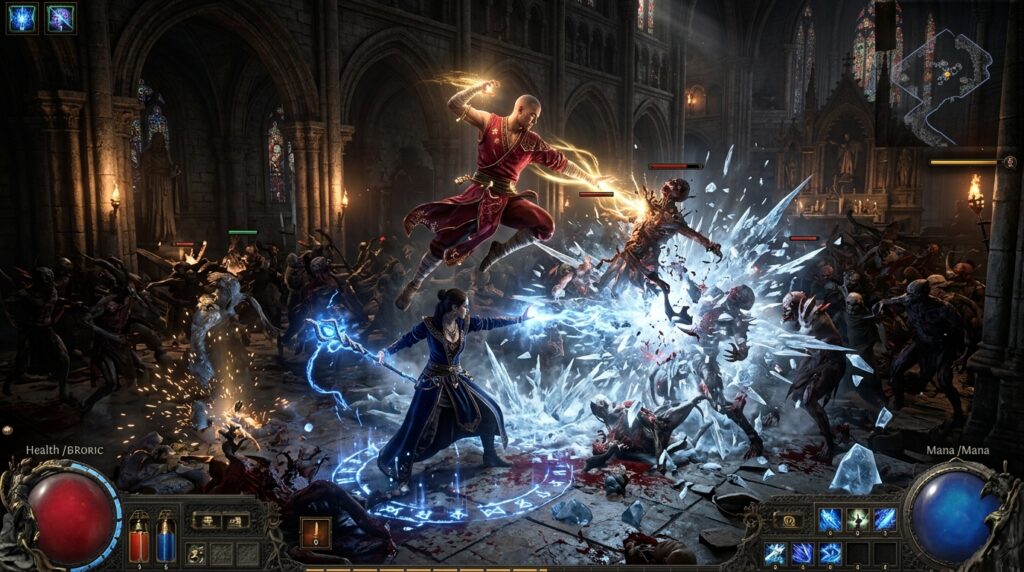
The developers finally realized that clicking a single button for ten years might get a little stale, so they are doubling the roster to twelve path of league 2 classes. Instead of just the classic trio of Strength, Dexterity, and Intelligence, we are getting a “new vs. old” showdown for every attribute combination. It is a bold move that replaces the crusty old meta with shiny archetypes like the shapeshifting Druid and the gun-toting Mercenary.
This isn’t just a fresh coat of paint on a crumbling house; it is a complete mechanical overhaul that actually respects your time and your keyboard. Whether you want to stick with the reliable Marauder or gamble your life on the brand-new Huntress, the choice actually matters now. Each pair of classes offers a distinct way to break the game, and honestly, it is about time we had more ways to turn the screen into a chaotic mess of loot and limbs.
Key Takeaways
- Path of Exile 2 doubles the character roster to twelve classes, introducing a new archetype for every attribute combination to replace the decade-old meta with mechanically deeper gameplay.
- New archetypes like the Mercenary and Druid transform traditional combat into high-intensity experiences, featuring tactical crossbow gunplay and fluid, impactful shapeshifting that rewards active engagement over simple clicking.
- The dual specialization system and 36 new Ascendancy classes allow players to allocate passives to different weapon sets, enabling seamless playstyle swaps and encouraging experimentation without the risk of bricking a character build.
- Prioritizing new classes like the Warrior, Huntress, or Monk is essential for experiencing the sequel’s full innovation, as these archetypes are specifically designed to leverage the new engine and WASD movement mechanics.
Returning Legends Versus The New Blood Archetypes
The original six classes are back, but the developers aren’t just giving us a high-definition coat of paint on the same old tropes. While the Marauder still lives for the simple joy of hitting things until they explode, the new Warrior archetype feels like he actually went to combat school instead of just swinging a heavy rock. The Warrior focuses on maces and massive slams that literally reshape the terrain, making the classic Marauder look a bit like a prehistoric relic by comparison. It is a bold move to put these two side by side, basically daring you to choose between the comfort of a familiar tank and a new heavy-hitter that actually rewards tactical positioning. I appreciate that they aren’t just replacing the old guard, but the Warrior definitely brings a level of mechanical depth that makes the classic “bonk” playstyle feel a little dusty.
The Dexterity split brings an even sharper contrast when you look at the Ranger and the new Huntress. We all know the Ranger is the queen of kiting and filling the screen with projectiles, but the Huntress introduces a spear-based, mid-range style that feels genuinely fresh for the genre. She isn’t just standing in the back holding a left-click button, she is darting in and out of the fray with a kit that feels significantly more active and punishing. If the Ranger is a classic comfort food, the Huntress is the spicy alternative that makes you realize how static the old bow-and-arrow gameplay could be. It is refreshing to see a developer acknowledge that “fast character with a bow” isn’t the only way to design a high-agility hero in an action RPG.
Looking at the rest of the roster, the Mercenary and the Druid are the real stars that make the old Duelist and Templar look like they are stuck in 2013. The Mercenary turns the game into a pseudo-shooter with crossbows that function like assault rifles and grenades, which is a massive departure from the Duelist’s traditional swordplay. Meanwhile, the Druid finally gives us the shapeshifting we have been craving, trading the Templar’s stiff holy magic for the ability to turn into a literal bear and wreck house. These new archetypes aren’t just filler or recycled assets, they are designed to exploit the sequel’s new engine and movement mechanics. It is clear that while the returning legends provide the nostalgia, the new blood is where the actual innovation is happening.
Crossbows And Shape Shifting Beyond The Tropes
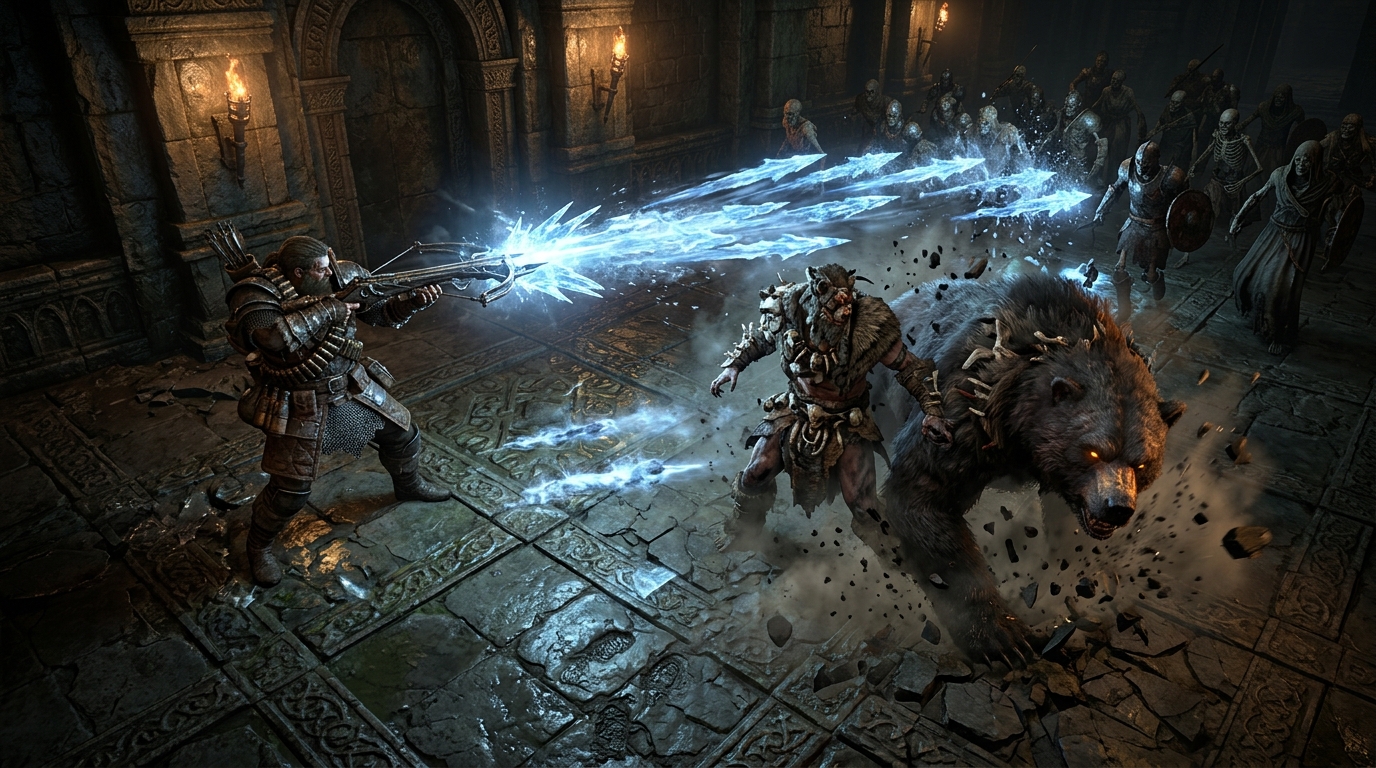
The Mercenary is a perfect example of why this sequel is leaving the tired archetypes of the last decade in the rearview mirror. While most games treat the crossbow as a slightly slower, more boring version of a bow, this class turns it into a literal assault rifle. You are not just clicking on enemies and watching a health bar go down, you are switching between ammo types like armor piercing or incendiary rounds to solve tactical problems on the fly. It feels more like a fast paced shooter than a click heavy slog, forcing you to actually engage with the mechanics instead of just falling asleep at your keyboard. This is a deliberate middle finger to the lazy design we have seen for years where every ranged class feels identical.
The Druid takes the concept of shapeshifting and actually makes it feel impactful rather than just a cosmetic skin swap. Most games give you a wolf form that just has slightly higher crit chance, but here, the shapeshifting Druid transitions are fluid and meaningful. You can slam the ground as a bear to stun a pack, then instantly shift into a different form to capitalize on the opening without a clunky cooldown holding you back. It is a masterclass in mechanical synergy that makes the old way of doing things look like a relic from a museum. The developers clearly realized that if you are going to let players turn into a beast, the gameplay should actually feel beastly.
These classes represent a shift toward active, high intensity gameplay that rewards you for actually playing the game instead of just following a spreadsheet. The Mercenary and Druid are not just recycled tropes with a fresh coat of paint, they are fundamentally different ways to interact with the world. Grinding for loot is a lot more tolerable when the moment to moment combat does not feel like a chore you have to automate to enjoy. If the rest of the roster maintains this level of personality and mechanical depth, we might finally be moving past the era of the generic hero. This is exactly the kind of innovation the genre needs to stop being so predictably stale.
Ascendancy Specializations And The Dual Specialization Meta
With 36 new Ascendancy classes hitting the roster, professional developers are finally moving past the tired tropes of the genre to give us archetypes that actually feel distinct. It is no longer just about picking a generic “magic person” or “guy with sword” because the sequel splits the difference between legacy favorites and specialized newcomers. If you want to play a Monk and spend your time teleporting around like a caffeinated lightning bolt, you can finally do that without feeling like a reskinned Shadow. Each of these specializations is designed to lean into a specific mechanical identity, ensuring that your choice at the altar actually changes how the game plays rather than just bumping your crit chance by a negligible percentage.
The real shift here is the dual specialization system, which is basically a safety net for those of us who love to experiment but hate the inevitable “build bricking” that comes with it. This mechanic allows you to allocate passive points to two different sets of weapons or skills, effectively letting you swap playstyles on the fly without needing a degree in mathematics to fix your mistakes. You can build your Monk to be a god of melee destruction while simultaneously tucking away a specialized backup plan for when things get hairy. It removes that paralyzing fear of committing to a weird niche build only to realize twenty hours in that you have made a terrible mistake.
I love that this system treats players like adults who want to try cool stuff instead of punishing them for not following a spreadsheet. By allowing different passives to trigger based on which weapon you have equipped, the game encourages you to turn your character into a versatile monster rather than a one trick pony. You can finally stop worrying about whether your experimental hybrid build will fall apart at the first sign of a boss fight. It is a blunt, effective solution to the complexity problem that has plagued the genre for years, and it makes the prospect of mastering all 36 subclasses feel like a fun challenge rather than a chore.
Play the New Archetypes or Don’t Bother
If you are looking for a league starter that actually justifies the sequel’s existence, the new archetypes are your only real choice. The gun-toting Mercenary and the Druid are absolute standouts because they stop pretending this is a game from 2013 and actually lean into the new engine’s capabilities. Using a crossbow that feels like a tactical shooter or shifting into a bear to flatten a pack of mobs provides a level of mechanical depth the old guard just cannot match. These classes are designed with the new WASD movement in mind, making them feel fluid while the classic classes often feel like they are dragging around ten years of baggage. You should prioritize these innovators if you want to experience the game as it was meant to be played.
The returning classes, while nostalgic, currently feel like filler designed to pad out the roster for the sake of tradition. Picking a standard Marauder or Ranger at launch is essentially volunteering to play a prettier version of a game you have already finished fifty times. While the new skill gem system helps every class, these legacy archetypes lack the unique “wow” factor that the Huntress or the Sorceress bring to the table right out of the gate. They are fine for a second or third character once you are bored, but starting with them is a waste of the honeymoon phase. If a class doesn’t offer a fundamentally new way to interact with the world, it honestly deserves a swift uninstall from your priority list.
Ultimately, your league start should be about embracing the chaos of the new rather than clinging to the safety of the old. The Warrior and the Monk represent the peak of this new design philosophy, rewarding players who actually want to engage with the boss mechanics instead of just standing still and holding down one button. Grabbing a class that feels recycled is the fastest way to burn out before you even hit the endgame maps. Stick to the fresh archetypes that actually push the genre forward and leave the basic tropes for the players who are too afraid to learn a new trick. Choose the path of league 2 classes that make the game feel like a true successor, or don’t bother showing up to the coast at all.
Frequently Asked Questions
1. How many classes am I actually getting in Path of Exile 2?
You are getting twelve classes total, which is double the original roster. The development team finally realized that clicking one button for a decade is boring, so they added a new archetype for every single attribute combination.
2. Are the original classes being replaced by the new ones?
No, the original legends like the Marauder and Ranger are still here, but they have to share the spotlight with new blood like the Warrior and Huntress. It is a ‘new versus old’ showdown where the classic classes provide familiar comfort while the new ones bring actual mechanical depth.
3. What is the big difference between the Marauder and the new Warrior?
The Marauder is your classic heavy rock swinger, but the Warrior actually looks like he attended combat school. While the Marauder sticks to the ‘bonk’ lifestyle, the Warrior uses maces to literally reshape the terrain with tactical slams.
4. Should I play the Ranger or the new Huntress if I like Dexterity builds?
It depends on whether you want to kite enemies from a mile away or get your hands dirty. The Huntress is a fresh gamble for players who want a different flavor of agility compared to the reliable, old-school Ranger.
5. Is the gameplay actually changing or is this just a graphics update?
This is a complete mechanical overhaul that respects your navigation and your sanity. Every class pair offers a distinct way to break the game, turning your screen into a glorious, chaotic mess of loot and limbs.
6. What makes the new classes like the Druid and Mercenary special?
These classes introduce entirely new archetypes like shapeshifting and literal gunplay to the series. They represent a bold move away from the crusty old meta, offering shiny new ways to destroy monsters that the original trio never dreamed of.