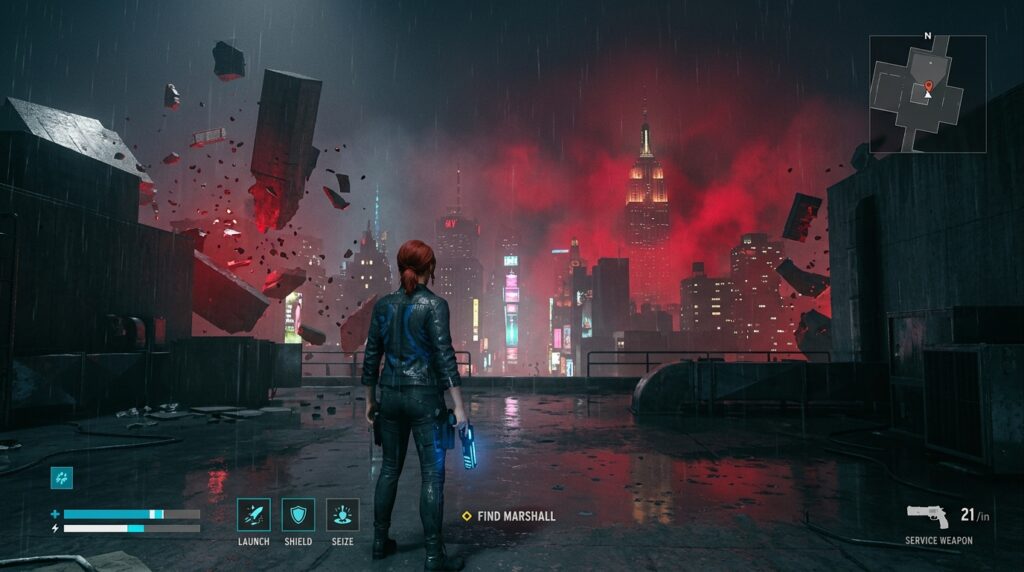
After years of staring at the same brutalist wallpaper in the Oldest House, we finally have some concrete control 2 news that isn’t just cryptic Tweets or corporate smoke. The development team has officially pulled back the curtain on Control Resonant, and it looks like Jesse Faden is passing the baton, and the reality-warping headaches, to her brother, Dylan. We’re ditching the office cubicles for a full-blown open-ended Manhattan, and honestly, it’s about time this franchise got some fresh air.
The shift from a standard shooter to a full-blown Action RPG is a bold move that’ll either be a stroke of genius or a total disaster. Trading your service weapon for a shapeshifting melee stick called the Aberrant sounds like a recipe for some chaotic close-quarters combat, provided the physics engine doesn’t decide to launch you into the Hudson River. With a release window targeted for late Q2 2026, we’re about to find out if Dylan can actually carry a game, or if he’s just as unstable as the supernatural trash he’s supposed to be cleaning up.
Key Takeaways
- Control 2 (officially titled Control Resonant) shifts the series from a third-person shooter to a visceral Action RPG featuring Dylan Faden as the new protagonist.
- The gameplay replaces the Service Weapon with the Aberrant, a shapeshifting melee weapon designed for aggressive, close-quarters combat and deep character build diversity.
- The setting expands from the claustrophobic Oldest House to a sprawling, reality-warping open-world version of Manhattan.
- Developed in partnership with new production collaborators, the title is currently targeting a release window for late Q2 2026.
Dylan Faden And The Aberrant Melee Combat
Move over Jesse, because I am officially ready to trade in the Service Weapon for something with a bit more grit and a lot more blood on its hands. In Control Resonant, we are stepping into the shoes of Dylan Faden, and the shift from a floaty third-person shooter to a visceral Action RPG is exactly the kick in the teeth this franchise needed. While most big-budget sequels are busy turning into glorified walking simulators with too many unskippable cutscenes, the developers are actually giving us something to do with our hands. The move to an open-ended Manhattan means the claustrophobia of the Oldest House is gone, replaced by a playground of reality-warping chaos that demands a much more aggressive approach.
The star of the show is undoubtedly the Aberrant, a shapeshifting melee weapon that makes the old pistol look like a plastic toy. Instead of hiding behind cover and waiting for an energy bar to recharge, I am encouraged to get right in the face of whatever cosmic horror is haunting the subway system. This weapon allows for a level of build diversity we have not seen from the studio before, letting me customize Dylan’s combat style to suit my own brand of mayhem. It is refreshing to see a developer prioritize actual gameplay mechanics over cinematic fluff, proving that you can have a deep story without sacrificing the joy of hitting things very hard.
This transition to a gritty, melee-focused RPG feels like a direct response to the industry’s obsession with safe sequels that play themselves. By giving us a protagonist with a darker edge and a weapon that requires actual skill to master, Control Resonant is shaping up to be a standout title for 2026. I am tired of games that treat me like a spectator in my own living room, so seeing Dylan tear through enemies with the Aberrant is a breath of fresh air. If the final product delivers on this promise of complex combat and meaningful character progression, we might finally have a sequel that surpasses the original in every measurable way.
Manhattan Becomes A Reality Warping Open World
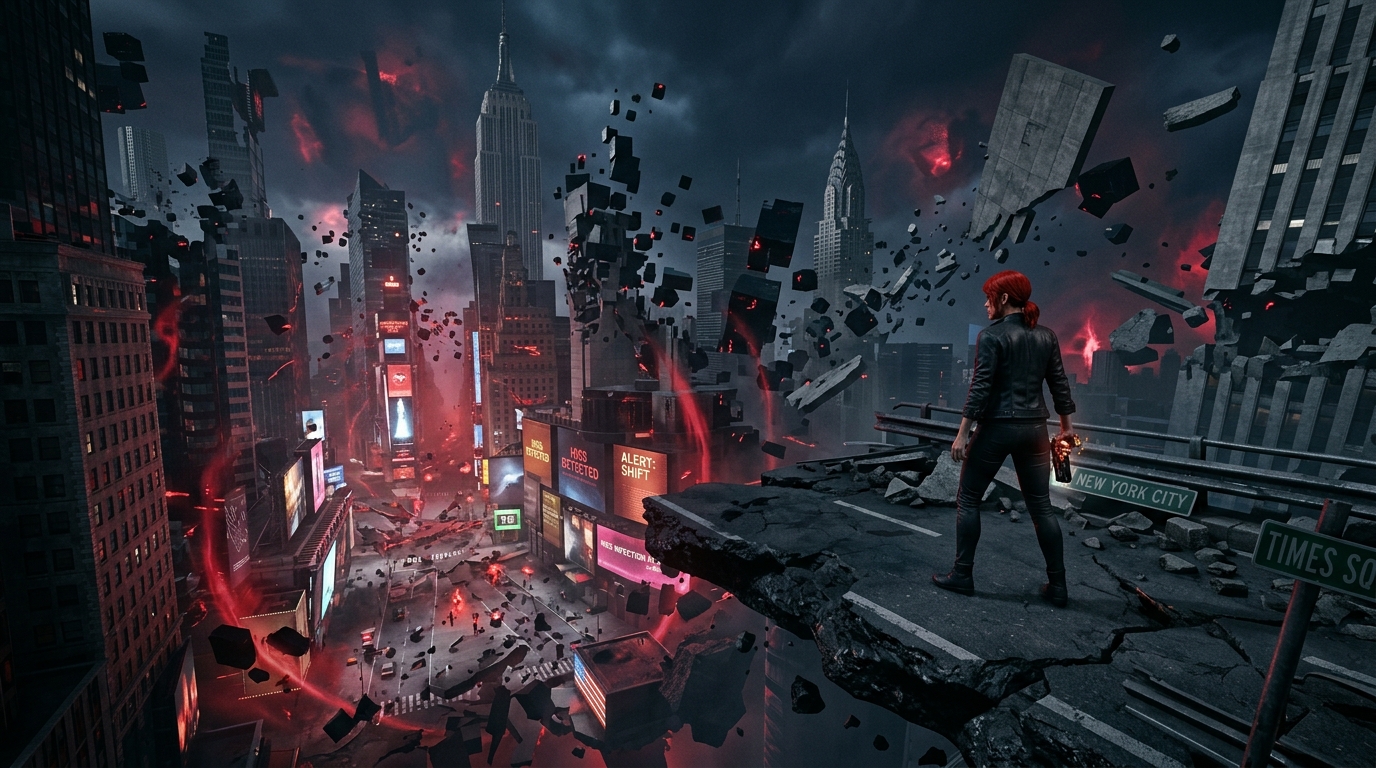
The studio is finally kicking the doors open and letting us out of the office, trading the claustrophobic hallways of the Oldest House for a sprawling, nightmare version of Manhattan. While the first game was a masterclass in Metroidvania design, Control Resonant is pivoting into a full blown Action RPG that treats New York City like a giant, reality warping playground. You can forget about those cinematic walking simulators that have been clogging up the industry lately because this open world actually has something to say. Exploring a distorted Big Apple as Dylan Faden feels like a fever dream where the architecture refuses to behave, forcing you to navigate a world that is constantly folding in on itself.
The shift to an open ended environment means the combat has to evolve, and Dylan’s new toy, the Aberrant, is exactly the kind of chaos we need. Since this isn’t just another shooter, the focus has shifted toward visceral, close quarters encounters and build diversity that actually rewards you for experimenting. It is refreshing to see a studio double down on weird, high stakes gameplay instead of playing it safe with the same tired open world tropes we have seen a thousand times. Manhattan isn’t just a backdrop here, it is a living threat that reacts to your powers, making every street corner a potential physics defying deathtrap.
I am honestly relieved to see the team avoiding the trap of making a prestige game that is all mood and no mechanics. By giving us a massive urban sandbox and a shapeshifting melee weapon, they are prioritizing the actual act of playing the game over long, unskippable slow walks through the woods. The partnership with creative production collaborators suggests we are in for something truly bizarre and artistically bold, which is exactly what the sequel to a cult hit should be. If the final product delivers on this scale of distortion, we might finally get an open world that feels as dangerous and unpredictable as the lore suggests.
Remedy Connected Universe Meets Annapurna Pictures
The studio is finally swinging for the fences by bringing in a new production partner to co-produce Control Resonant, and frankly, it is about time someone put some real muscle behind these fever dreams. While most big budget sequels are content to turn into glorified walking simulators where you spend half the game squeezing through narrow rock crevices while characters over-explain their feelings, the team is pivoting toward a gritty, Manhattan based Action RPG. This partnership feels like a strategic middle finger to the industry trend of prioritizing cinematic prestige over actual interactive depth. By moving the weirdness out of the Oldest House and into an open ended urban sprawl, they are signaling that this is not just a spooky office tour anymore.
The transition to Dylan Faden as the protagonist is a bold move that shifts the energy from Jesse’s reactive survival to something much more aggressive and tactile. Trading a standard service weapon for a shapeshifting melee tool called the Aberrant suggests that the developers actually want us to engage with the world instead of just hiding behind cover and watching physics debris fly. It is refreshing to see a studio lean into build diversity and close quarters combat rather than doubling down on the scripted, hand holding sequences that plague modern blockbusters. If this collaboration helps polish this into a definitive supernatural powerhouse, we might finally get a sequel that respects our intelligence as much as our reflexes.
Positioning this as a full scale blockbuster while maintaining that signature cult vibe is a tightrope walk, but the new leadership seems to understand the assignment perfectly. They are skipping the corporate fluff and focusing on a late Q2 2026 launch that feels like a genuine evolution of the universe rather than a safe, iterative retread. We have reached a point where cinematic usually just means boring, so seeing a team prioritize complex RPG mechanics and reality warping combat in the middle of New York is a massive win. If they can stick the landing, Control Resonant will be the rare high intent title that actually delivers on its promise without treating the player like a passenger.
Trading the Rock-Throwing Meta for Real Aggression
Ultimately, Control Resonant feels like a massive gamble to avoid the industry’s current obsession with mindless cinematic walking simulators. By swapping out Jesse’s service weapon for Dylan’s shapeshifting melee Aberrant, they have effectively killed the stand in the back and throw rocks meta that defined the first game. It is a bold move that replaces safe, distance based combat with a high stakes dance of aggression that actually rewards you for getting into the thick of it. This shift into a Manhattan based Action RPG could have easily felt like sequel bloat, but the depth of the build diversity suggests a studio that actually cares about gameplay loops. I would much rather see a developer swing for the fences with a weird melee system than give us another twelve hour interactive movie where you just hold forward and listen to exposition.
The decision to move the setting into an open ended Manhattan is where the real test of this new direction lies for most fans. While some might miss the claustrophobic hallways of the Oldest House, the sheer scale of the reality warping threats in the city keeps the atmosphere from feeling diluted. Transitioning to an RPG framework allows the supernatural elements to feel more earned through progression rather than just being handed to you for the sake of the plot. It is refreshing to see a sequel that actually evolves its core identity instead of just adding a fresh coat of paint and a higher price tag. If the melee combat remains as fluid as the early previews suggest, we are looking at a rare instance where a massive genre shift actually justifies its own existence.
Whether you are here for the bizarre lore or the new close quarters focus, Control Resonant is shaping up to be a necessary middle finger to stagnant game design. The team has managed to keep their signature cult appeal intact while expanding the scope into something that feels genuinely substantial for a Q2 2026 release. It is unapologetically weird, mechanically dense, and far more ambitious than your average triple A follow up. If this is what happens when a studio stops playing it safe and starts focusing on actual player agency, then the FBC new direction and the shift to an Action RPG is a stroke of genius. We do not need more sequels that play themselves, and Dylan Faden’s debut looks like it will demand your full attention or punish you for lack of it.
Frequently Asked Questions
1. Who is the main character in Control 2?
Jesse is finally getting a break from the reality-warping headaches. You will be playing as her brother, Dylan Faden, who is stepping up to show us if he can actually handle the family business or if he is just a supernatural liability.
2. Is Control 2 still a third-person shooter?
Not even close. The studio is ditching the standard shooter vibes for a full-blown Action RPG experience. You are trading in the Service Weapon for a shapeshifting melee tool called the Aberrant, so prepare for a lot more blood on your hands and a lot less hiding behind cover.
3. Where does the game take place?
We are finally escaping the brutalist wallpaper of the Oldest House. The sequel moves the chaos to an open-ended Manhattan, giving you a massive urban playground to wreck instead of just haunting office cubicles.
4. What exactly is the Aberrant?
The Aberrant is your new best friend and a shapeshifting melee weapon that makes the old Service Weapon look like a child’s toy. It is built for aggressive, visceral combat that requires you to actually get close to the things you want to kill.
5. When is the release date for Control 2?
The developers are currently targeting a release window in late Q2 2026. That gives you plenty of time to mentally prepare for the shift from guns to magic melee sticks while we wait to see if the physics engine can handle an entire city.
6. Is the game still linear like the first one?
The claustrophobic hallways are gone in favor of a much more open-ended structure. Moving to Manhattan means you get more freedom to explore the reality-warping mess, which is a bold move that will hopefully feel like fresh air rather than a disorganized disaster.