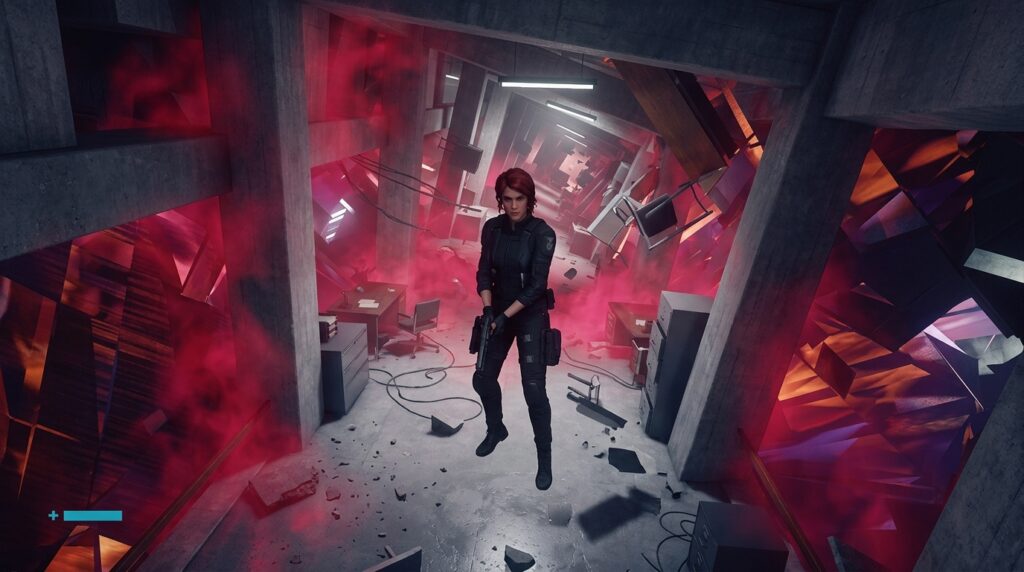
I have been waiting years to step back into the Oldest House, and the latest Control 2 rumors suggest I am finally about to trade my mundane reality for more brutalist architecture and floating corpses. Now officially titled Control: Resonant, Jesse Faden’s next headache is reportedly locked in for a Q2 2026 release. This means we are only months away from seeing if the studio can actually stick the landing. With an alpha build already making the rounds internally, the team is betting €50 million that you are ready to get weird again. Frankly, so am I.
The CEO is already out here claiming this is a “must-have day-one purchase,” which is exactly what you would say if you needed to move four million copies to keep the lights on. Still, the shift from a mysterious sequel to a concrete May or June launch window suggests the finish line is actually in sight. Whether you are playing on PC, PS5, or even a Mac, because apparently that is a thing now, the bureau is officially reopening its doors.
Key Takeaways
- Control: Resonant is scheduled for a Q2 2026 release on PC, PS5, and Mac, backed by a €50 million budget and a target of four million copies sold.
- The sequel features a seven-year time jump and a shift in protagonists, positioning Jesse’s brother Dylan as the primary vessel for the game’s supernatural combat.
- The gameplay is evolving into an open-zone Action RPG set in a corrupted Manhattan, moving away from the linear corridors of the original game into a more expansive urban environment.
- The narrative focuses on a world scarred by a decade of Hiss influence, transforming the familiar brutalist architecture into a more experimental and volatile reality.
Dylan Faden And The Seven Year Time Jump
The whisper network surrounding Control: Resonant has shifted from idle chatter to a full-blown interrogation of the narrative guts. Word on the street suggests we are looking at a massive seven-year time jump that leaves the Oldest House lockdown in the rearview mirror. This is not just a skip for the sake of a montage. It reportedly repositions the Bureau in a world that has had nearly a decade to fester under the influence of the Hiss. If the rumors are true, the clean, brutalist hallways we remember are gone, replaced by a reality where the weird fiction dial has been cranked past eleven. I am personally all for a developer having the stones to fast-forward through the boring recovery phase to show us the scarred, messy aftermath of a supernatural disaster.
The real kicker in these leaks is the supposed transition from Jesse Faden to her brother, Dylan, as the primary vessel for our cosmic chaos. Swapping a charismatic lead for her formerly possessed, ethically questionable sibling is a classic move that screams creative confidence. Dylan has always been the more volatile element of the Faden lineage. Playing as someone who might actually be a ticking psychic time bomb adds a layer of tension the first game lacked. It forces us to wonder if we are still the hero of the story or just a different brand of disaster waiting to happen. Whether this is a permanent torch pass or a dual protagonist situation, it proves that the studio is more interested in evolving their weird little universe than playing it safe with a predictable sequel.
This potential shift in perspective is exactly the kind of high-stakes gamble that keeps the industry from becoming a stagnant pool of recycled ideas. I have seen enough sequels that are just glorified map packs, so seeing a team willing to mess with their own established timeline is refreshing. If the seven-year jump is real, it gives the Bureau time to become something unrecognizable, which is perfect for a game that thrives on making the player feel perpetually off-balance. I want to see a Dylan who is struggling to keep his brain from leaking out of his ears while he navigates a world that has moved on without him. If the developers can pull off this transition without losing the tight, kinetic combat we love, they might just cement their status as the only studio actually doing something interesting with the New Weird genre.
Manhattan Becomes A Paranormal Action RPG Playground
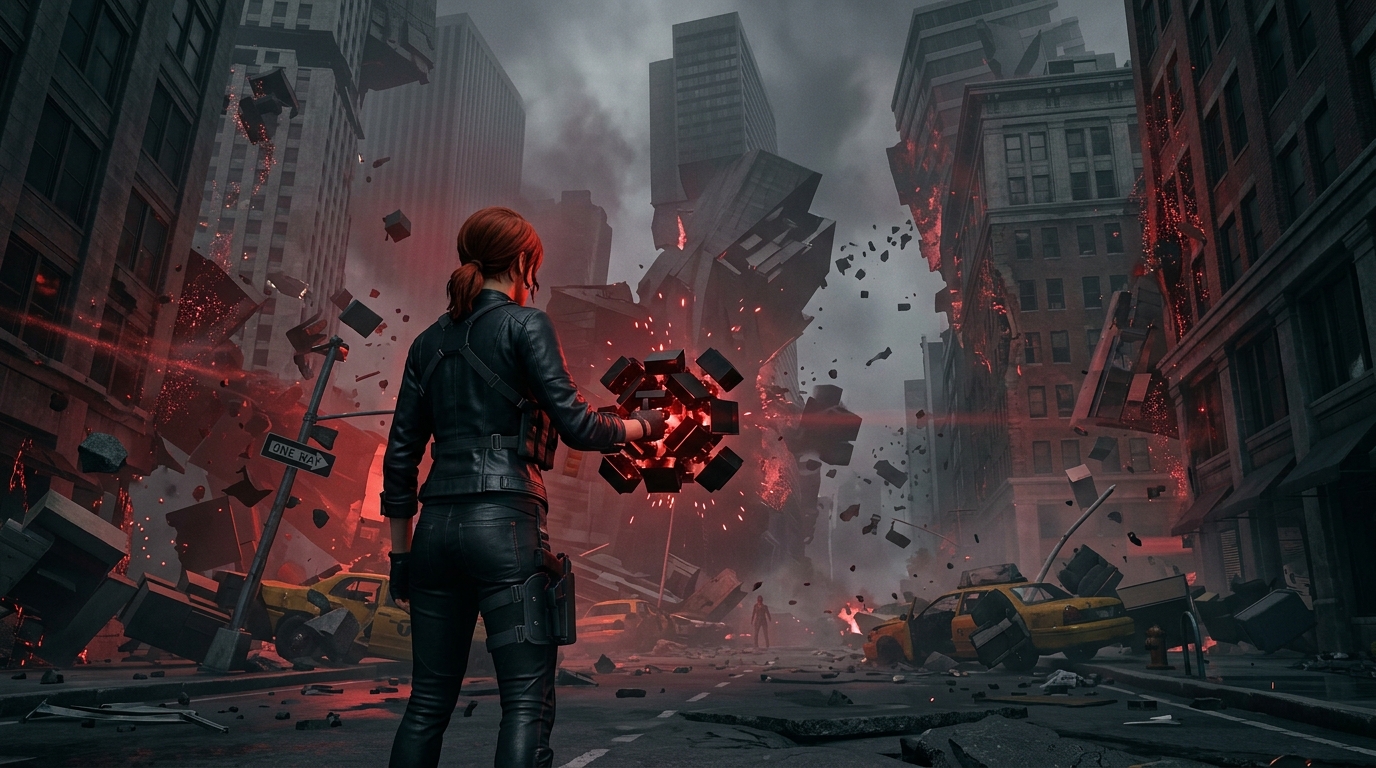
The developers are finally taking the training wheels off the Oldest House and throwing us directly into the corrupted Manhattan. We are looking at a massive pivot from the corridor shooting of the original to a full-blown open zone Action RPG that treats New York City like a paranormal petri dish. This move to a more expansive structure is a bold play for a studio that usually thrives on tight, scripted weirdness, but the scale of the Hiss infection demands more room to breathe. If the rumors regarding the seamless transition between the subway systems and the rooftops are true, we are in for a concrete jungle that feels as claustrophobic and unpredictable as the first game.
The shift to an RPG framework suggests we are getting much deeper customization for Jesse Faden beyond just swapping out a few mods on the Service Weapon. I am expecting a skill tree that actually matters this time around, allowing us to lean into specific psychic disciplines that change how we navigate a fractured Times Square. The studio has always been the king of weird fiction in gaming, and seeing that aesthetic applied to a living, breathing city is exactly the kind of innovation the genre needs. They are betting fifty million euros that we want to explore every haunted alleyway in the Big Apple, and honestly, I am ready to see if the city that never sleeps can handle a full-scale reality breach.
With a release window targeted for the second quarter of 2026, the hype for Control: Resonant is reaching a fever pitch as the game enters its final alpha stages. It is refreshing to see a developer actually lean into the Action part of the RPG label instead of just giving us a bunch of boring menus and spreadsheet combat. The stakes are high for the team to prove they can handle an open environment without losing the sharp, cynical storytelling that makes their games mandatory day-one purchases. If they pull this off, the traditional linear shooter might start looking like a relic of the past compared to the reality-bending playground they are building.
Budget Stakes And Massive Sales Targets
The studio is taking a massive €50 million gamble on Control: Resonant, and I am genuinely curious to see if the mainstream crowd is ready for it. We are talking about a team that treats weird fiction like a competitive sport, refusing to simplify their brain-melting narratives for the sake of a quick buck. While 50 million might look like pocket change compared to the bloated budgets of some generic open-world shooters, it is a significant stack of cash for a game that leans so heavily into brutalist architecture and interdimensional bureaucracy. They need to shift at least three million copies just to break even, which is a tall order for a franchise that thrives on being intentionally unsettling. I love their confidence, but asking the average gamer to trade their mindless loot grinds for a deep dive into the psychological unknown is a bold move.
The reality of the modern industry is that three million sales is the threshold where cult classic status meets financial survival. The developers have a track record of delivering tight mechanics and unmatched atmosphere, but they are operating in a market that often rewards the safe and predictable over the bold and bizarre. If this sequel hits those targets, it proves there is still a massive appetite for high-concept storytelling that does not treat the player like they have the attention span of a goldfish. I want them to succeed because the alternative is a world where every game looks like a focus-grouped spreadsheet. We need the Resonants of the world to thrive so that innovation does not become a luxury that developers can no longer afford to risk.
Everything about this release feels like a stress test for whether a mid-sized studio can still dominate the conversation without selling its soul. The team is not just selling a game, they are betting that their unique brand of polished insanity has enough gravitational pull to bring in a wider audience. If they can convince four million people to step back into the Oldest House, it will be a middle finger to every executive who thinks games need to be watered down to be profitable. I am rooting for them because their streak of innovation is one of the few things keeping the industry interesting right now. It is a high-stakes play, but if anyone can turn a 50 million euro investment into a haunting masterpiece that actually pays the bills, it is this team.
The Road To A Q2 2026 Launch Window
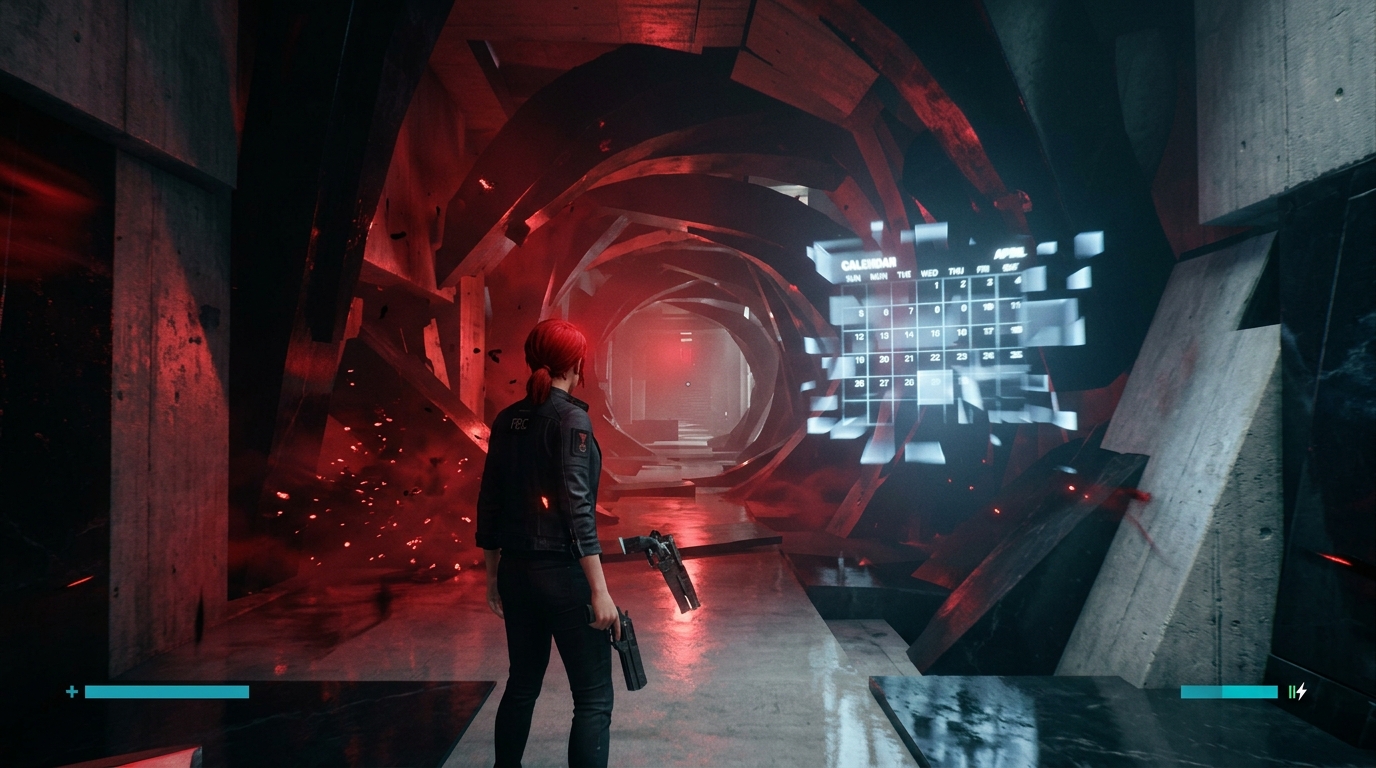
The studio has spent years cultivating a reputation for making games that feel like a fever dream written by a physics professor, and the timeline for Control: Resonant suggests they are finally ready to let us back into the Oldest House. After that cryptic reveal at The Game Awards in late 2025, the team has been uncharacteristically transparent about their progress through the alpha stage. I have seen enough development cycles to know that when a CEO claims he is already playing the build daily, the heavy lifting is mostly finished. A Q2 2026 release window feels less like a hopeful guess and more like a calculated strike to dominate the pre-summer lull. With a 50 million euro budget on the line, the studio is clearly betting that their brand of high-concept weirdness has enough mainstream legs to move millions of copies.
The shift from the original game’s claustrophobic mystery to the rhythmic focus of Resonant looks like the kind of mechanical evolution that keeps a sequel from feeling like a glorified map pack. Moving into the final stretch of development by May 2026 implies that the team is currently deep in the trenches of bug fixing and polish rather than redesigning core systems. I appreciate a studio that knows exactly what it is and does not try to pivot into a live-service nightmare just because a shareholder had a bad dream. If they can stick to this June target, we are looking at a rare case where a studio actually delivers a sophisticated, tight experience without three years of public delays. It is a bold move to aim for four million sales, but given their recent streak of innovation, I am inclined to believe they might actually pull it off.
Control 2: High Stakes, Higher Weirdness
The developers are currently walking a razor-thin line between becoming the undisputed kings of the new weird and flying so close to the astral sun that their wings might actually melt. With Control: Resonant, they are doubling down on the surrealist architecture and mind-bending lore that made the first game a cult classic, but they are doing it with a much larger price tag hanging over their heads. A fifty million euro budget means they can no longer just be a niche darling for people who like reading redacted documents in creepy elevators. They need to prove that their specific brand of high-concept madness can actually move four million units without losing the soul that made us fall in love with the Oldest House in the first place.
I genuinely believe that if anyone can pull off this balancing act, it is the team that turned a janitor into a cosmic deity and made us all fear a sentient refrigerator. The move toward a Q2 2026 release shows a level of confidence that suggests they are not just polishing textures, but are instead refining a gameplay loop that needs to be as tight as the narrative is loose. While the industry is currently drowning in safe sequels and uninspired reboots, the studio is taking a massive swing by staying weird and demanding that the audience catches up to them. If Resonant hits the mark, it will not just cement them as industry icons, it will prove that you do not have to lobotomize your creative vision to achieve blockbuster success.
Whether this gamble pays off or leaves them stranded in the Dark Place, you have to respect the sheer audacity of their trajectory. They are effectively betting the farm on the idea that gamers are smart enough to handle a story that does not hold their hand through every dimension hop. I am cautiously optimistic that we are looking at a rare moment where artistic ambition and commercial scale actually shake hands instead of trying to strangle each other. If this game delivers on the real gameplay from the recent reveals, we are not just getting a sequel, we are witnessing the final evolution of a studio that refused to play by the boring rules of modern game design.
Frequently Asked Questions
1. What is the official title and release window for the sequel?
The game is reportedly titled Control: Resonant and is currently eyeing a Q2 2026 release window. If the developers stay on track, you should be hurling office furniture at ghosts by May or June of that year.
2. Is it true that the story takes place years after the first game?
Yes, rumors point to a massive seven-year time jump that skips the boring cleanup and drops us straight into the messy aftermath. The Bureau and the world at large have had nearly a decade to get weird under the Hiss, so expect things to be significantly more scarred and chaotic.
3. Are we still playing as Jesse Faden?
While Jesse is still in the mix, the big leak suggests her brother Dylan is taking over as the primary protagonist. It is a bold move that trades Jesse’s steady hand for Dylan’s unstable, supernatural baggage, which should make for a much more volatile playstyle.
4. What platforms will be able to run Control 2?
You can expect to play this on PC and PS5, but surprisingly, even Mac users are invited to the party this time around. The studio is clearly trying to find every possible player to hit those ambitious four million sales targets.
5. How much is the studio spending on this sequel?
The developers are betting approximately €50 million on this project to ensure it hits ‘must-have’ status. It is a massive gamble that requires the game to be a genuine hit rather than just a cult classic if they want to keep the lights on.
6. Will the setting still be the Oldest House?
The Oldest House is still the star of the show, but do not expect the same clean, brutalist hallways from the first game. Between the time jump and the prolonged Hiss influence, the architecture has reportedly evolved into something much more experimental and unsettling psychological horror.