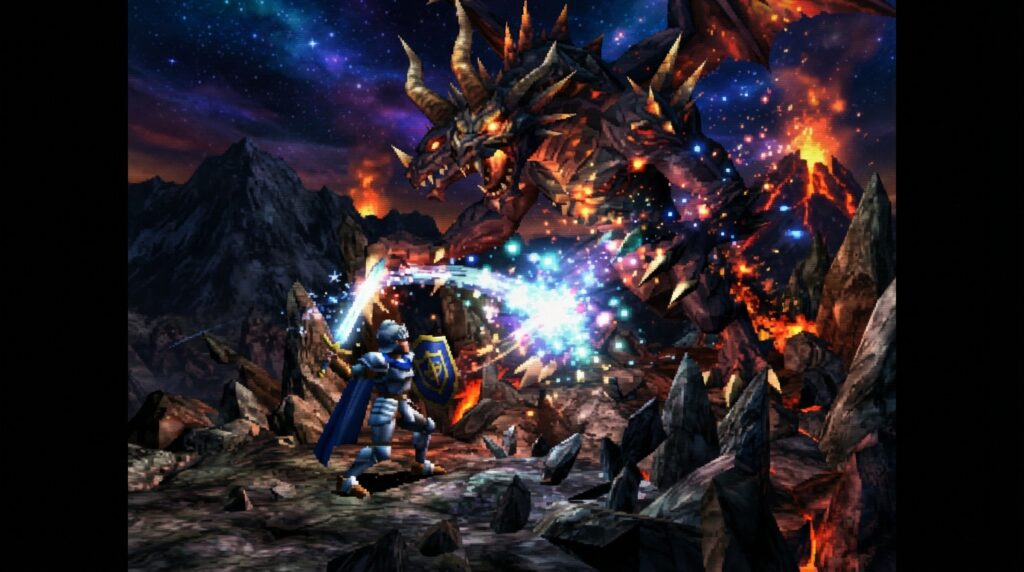
The best Sega Saturn RPGs still worth your time are Panzer Dragoon Saga, Dragon Force, Shining the Holy Ark, Shining Force III, and Magic Knight Rayearth. They’re not interchangeable nostalgia trophies. Panzer Dragoon Saga is the cinematic oddball: its four discs deliver an estimated 20–25 hours, and its combat juggles three power meters instead of settling for the usual menu routine. That short runtime is either welcome focus or a frustratingly quick farewell, depending on what you want from a four-disc RPG. GameSpot’s review explains the unusual system behind the spectacle.
Dragon Force trades party-focused adventuring for large-scale strategy. Shining the Holy Ark is the more conventional RPG, while Shining Force III offers a broader tactical saga. There’s a catch with its three scenarios: only Scenario 1 received an official Western release. Fan translation work opens up the Japan-only chapters, but it doesn’t make them official releases. Magic Knight Rayearth is the action-RPG wildcard, and a useful reminder that a late Saturn release isn’t automatically a lost masterpiece. We weigh what each game still does well, how much patience it demands, and how easily you can play it in English. Nostalgia gets a seat at the table, not the deciding vote.
Key Takeaways
- Panzer Dragoon Saga is the best pick for a focused, cinematic RPG, with unusual three-meter combat and an estimated 20–25-hour run, though physical copies can cost hundreds to thousands of dollars. GameSpot’s review covers its combat and length.
- Dragon Force is the strategy pick for players with serious free time: eight leaders each offer an estimated 40–50-hour story, and generals can command up to 100 troops. GameSpot’s review lays out the scale.
- Shining the Holy Ark is the simplest starting point for a conventional Saturn RPG, while Shining Force III offers a broader tactical saga with a catch: only Scenario 1 received an official Western release. The Shining Force III Translation Project explains the scenario split.
- Shining Force III fans can play Scenarios 2 and 3 in English through fan translation work, but those chapters remain unofficial releases. The Shining Force III Translation Project explains the release history.
- Magic Knight Rayearth is a worthwhile action-RPG curiosity, not a must-play masterpiece; GameSpot rated the late North American release 5.1/10. GameSpot’s review gives its verdict.
Which Sega Saturn RPGs Are Worth Playing?
The Sega Saturn RPGs worth prioritizing are Panzer Dragoon Saga, Dragon Force, Shining the Holy Ark, Shining Force III, and Magic Knight Rayearth. Each gives you a different reason to stay. None is a mandatory nostalgia tax.
- Panzer Dragoon Saga: The cinematic pick with real-time combat. Choose it for the atmosphere and a battle system that refuses to sit politely in the background. GameSpot’s review describes its unusual combat.
- Dragon Force: The large-scale strategy pick, built around commanding armies instead of running one hero through another errand. It’s the boldest choice for players who like their RPGs with a battlefield attached.
- Shining the Holy Ark: The more conventional RPG, and a sensible starting point if you want familiar role-playing structure without an unusual hook.
- Shining Force III: The tactical pick for players willing to deal with its English-language complication.
- Magic Knight Rayearth: A colorful action-RPG worth considering as a snapshot of the Saturn’s late years, but not a top-tier pick on reputation alone.
Shining Force III’s three-part story comes with an awkward language barrier: only Scenario 1 received an official English release. Fan translation work makes the Japan-only scenarios accessible in English without rewriting their release history. The Shining Force III Translation Project explains the scenario split.
Magic Knight Rayearth earns its qualified status honestly. Its North American release arrived after a long localization delay, and GameSpot’s review gave it 5.1/10. That’s hardly a verdict calling for a victory parade. GameSpot’s review offers useful context, not a reason to dismiss the game outright.
We judge gameplay appeal and English-language access separately from historical importance. This is a curated guide to Saturn RPGs that remain worthwhile, not a claim that every role-playing game on the console is a hidden masterpiece. Nostalgia is a lousy quality-control department.
Is Panzer Dragoon Saga Still Worth It?
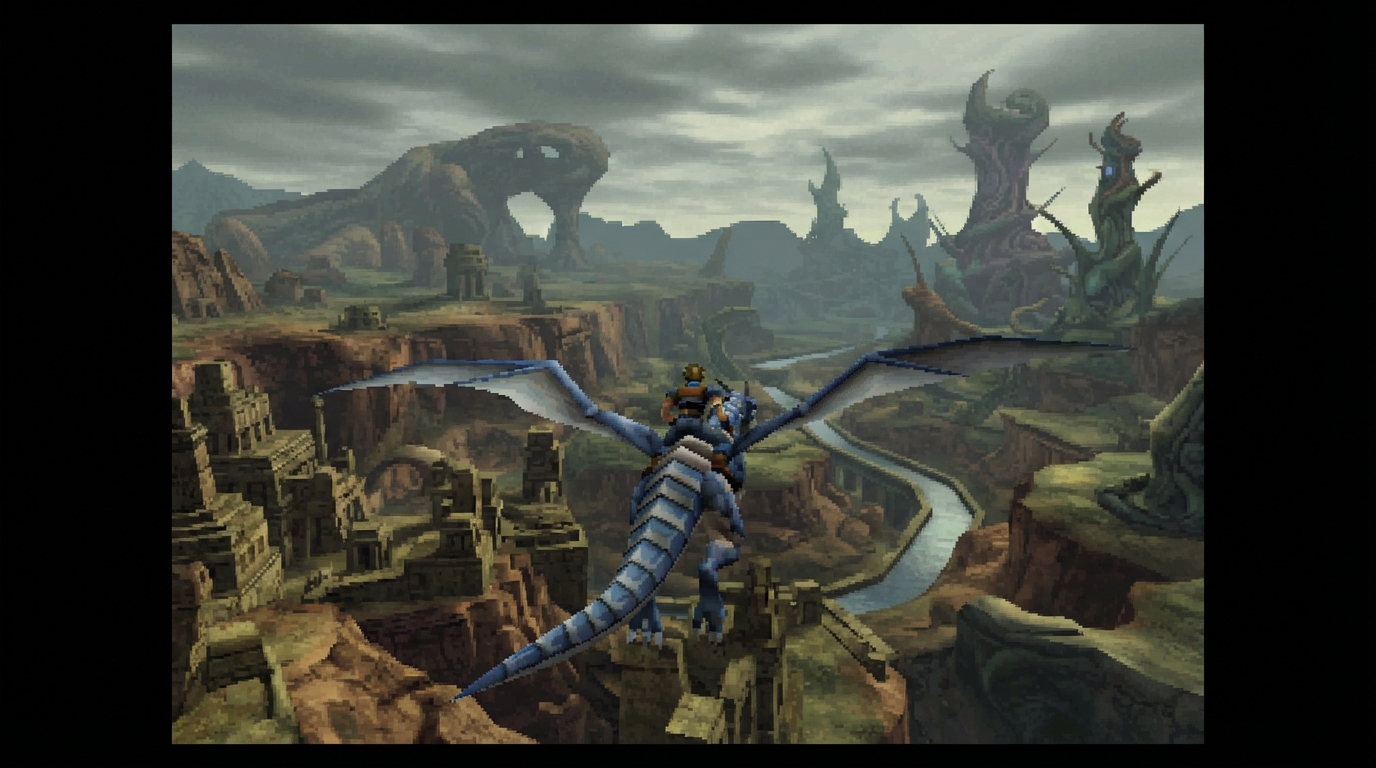
Yes, Panzer Dragoon Saga is still worth playing if you want a tightly paced, cinematic RPG more than a sprawling one. Team Andromeda and Sega first released it on April 30, 1998, and GameSpot’s review gave it a strong 9.2/10. That score reflects a game with real ideas, not just an impressive dragon-shaped coat. Four discs sound like a promise of a vast journey. In practice, the adventure runs an estimated 20–25 hours, and GameSpot’s reviewer thought it was too short. That tension defines the verdict: the compact length keeps the experience focused, but players expecting a long campaign may reach the credits wondering where the rest of the epic went. Four discs, one brisk goodbye. Combat makes the strongest case for the game’s place in the Saturn library. Three power meters add resource management to battles, while the dragon develops across attack, spiritual, defense, and agility attributes. That growth lets players shape the dragon instead of watching numbers rise in the background. Combat gets a tactical identity without turning every encounter into a spreadsheet with wings. The result still feels unusual in the best way. Panzer Dragoon Saga pairs its cinematic presentation with battles that make you think, and its shorter scope keeps the adventure moving. But brevity isn’t automatically elegance. Players who want room for a long, leisurely RPG campaign may find the limited length more frustrating than refreshing. The same compact design can feel like welcome focus or a limitation, depending on what you want from an RPG. There’s another problem: finding a copy is expensive. Price-guide estimates put the cost in the hundreds to thousands of dollars, depending on condition. That’s a brutal barrier for a Saturn game, but it isn’t a verdict on the game itself. Whether Panzer Dragoon Saga is worth playing and whether a physical copy is worth collecting are two different questions. The first gets a firm yes. The second depends on how much you want a very costly piece of Saturn history.
Dragon Force Turns RPGs Into War
Dragon Force belongs near the top of any Sega Saturn RPG list because it swaps the usual party-sized adventure for a campaign about leading armies. The hook isn’t just bigger battles. Choosing a leader changes whose story you follow, giving the game a reason to invite another campaign instead of asking you to replay the same hero’s errands with a different hat.
There are eight selectable leaders, and GameSpot estimates that each leader’s storyline takes roughly 40–50 hours. Generals can command up to 100 troops, and GameSpot rated Dragon Force 9.1/10 in its review. That’s a lot of soldiers, a lot of story, and a lot of evenings surrendered to the cause.
The scale changes the rhythm of the RPG. A conventional turn-based game usually keeps the spotlight on a small party and its choices in a fight. Dragon Force pulls the camera back: generals lead huge forces into battle, and your chosen leader gives the broader campaign its point of view. Strategy and character story share the stage, instead of making you spend another hour deciding which party member should bonk a monster.
That ambition is also the game’s biggest warning label. A 40–50-hour storyline isn’t a brisk weekend adventure, and eight leaders make replayability sound like an invitation to schedule your next several months around a war council. If you enjoy strategic scope, this is one of the Saturn’s major draws. If you want a tight, short campaign, Dragon Force may ask too much of your time. “One more battle” has a nasty habit of becoming an entire evening.
Which Traditional Saturn RPG Fits You?
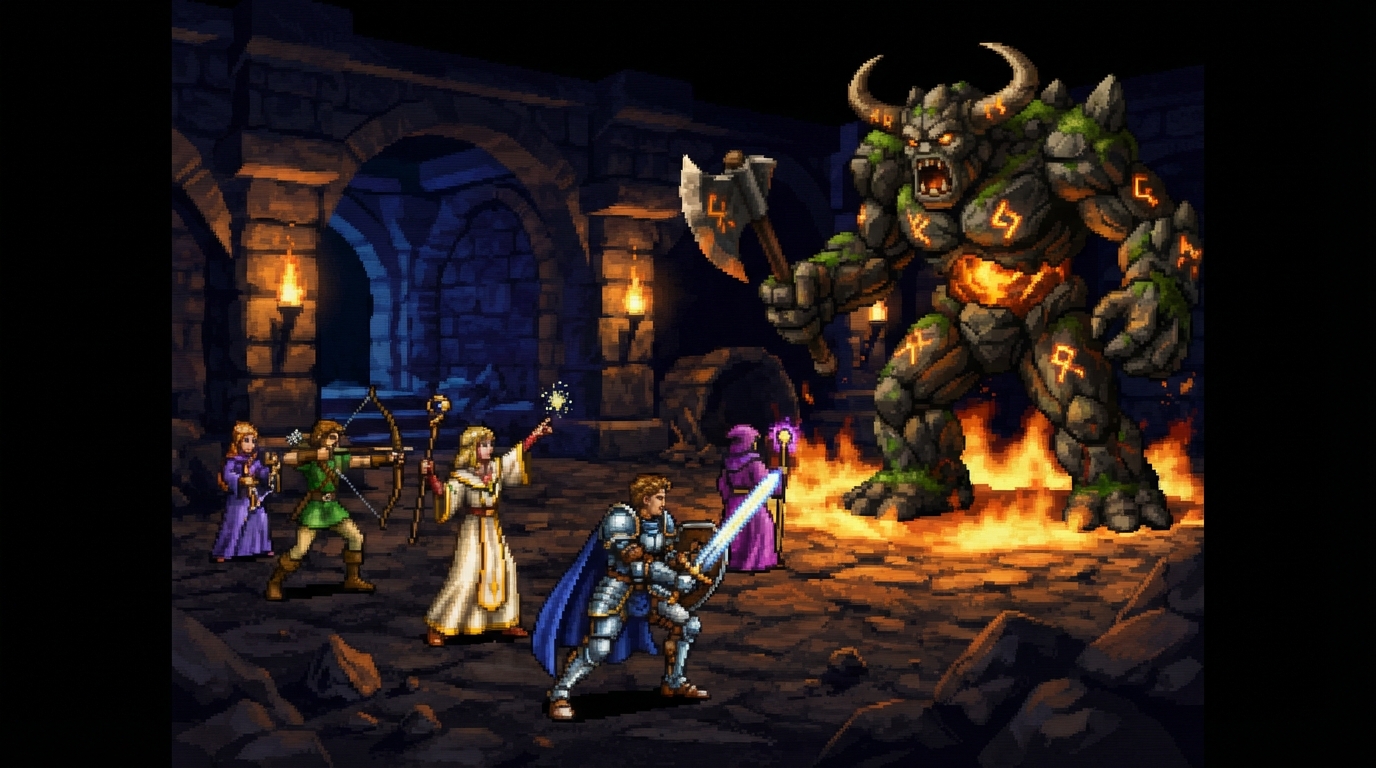
Shining the Holy Ark is the straightforward choice for a conventional Saturn RPG. Shining Force III suits players who want a multi-scenario strategy RPG and are willing to use fan translation work to access its full English-language story. One is the cleaner starting point; the other is a bigger saga with a language-shaped speed bump. Shining the Holy Ark’s appeal is simple: if you want the Saturn’s RPG library to feel more like a traditional role-playing game, start here. No translation project, scenario order, or fan patch decision required. Shining Force III is the more ambitious pick for anyone drawn to tactical strategy and a story spread across multiple scenarios. The game has three scenarios, but only Scenario 1 received an official English-language release. Scenarios 2 and 3 were released only in Japan, so the official English starting point is real, but it isn’t the whole saga. The Shining Force III Translation Project explains the split. Fan translation work makes the later scenarios accessible in English, expanding the experience for players who want the complete multi-part story. And nobody needs to treat patching a Saturn game like a character test. If you’d rather play what was officially released in English and stop there, Scenario 1 is still a valid place to start. The trade-off is about taste as much as access. Shining the Holy Ark keeps the recommendation simple: a conventional RPG with no scenario-language puzzle attached. Shining Force III offers a broader strategy-RPG experience, but reaching beyond its official English scenario means deciding whether a fan translation is worth it. That’s a practical wrinkle, not a reason to pretend the game is inaccessible or that everyone wants to patch it. Choose Shining the Holy Ark for a conventional RPG with minimal friction. Choose Shining Force III if a multi-scenario strategy RPG sounds better and you’re comfortable exploring its Japan-only chapters in English.
What Saturn RPGs Can You Play In English?
The featured Sega Saturn RPGs have uneven English-language access. Shining Force III is the big exception to the “just play the Western version” plan: its official English release covers Scenario 1 only, while Scenarios 2 and 3 were released only in Japan. That distinction matters if you’re deciding whether to play the complete story or stick to the version officially released in English. An official localization isn’t the same as a fan translation. Shining Force III Scenario 1 is an official Western release; the English versions of the Japan-only scenarios come from a fan project. That work makes more of the story readable, but it doesn’t retroactively turn those chapters into official English releases. The label matters, especially for collectors who want an original Western edition rather than a patched way to play more of the game. The fan project has continued to update its English translation patch, expanding the story available in English while remaining fan work, not Sega’s localization. The Shining Force III Translation Project explains the scenario split. Shining the Holy Ark is a conventional RPG without a scenario-language decision. Shining Force III is the unusual case: Scenario 1 needs no fan translation, while reaching the later chapters in English means looking beyond the original Western release. That makes Shining Force III a strong recommendation with a real caveat, not an English-language dead end. You can play the official release and stop at Scenario 1, or consider the fan translation if you want the full three-scenario saga. The Saturn’s language barrier is uneven, not universal.
Magic Knight Rayearth’s Uneven Farewell
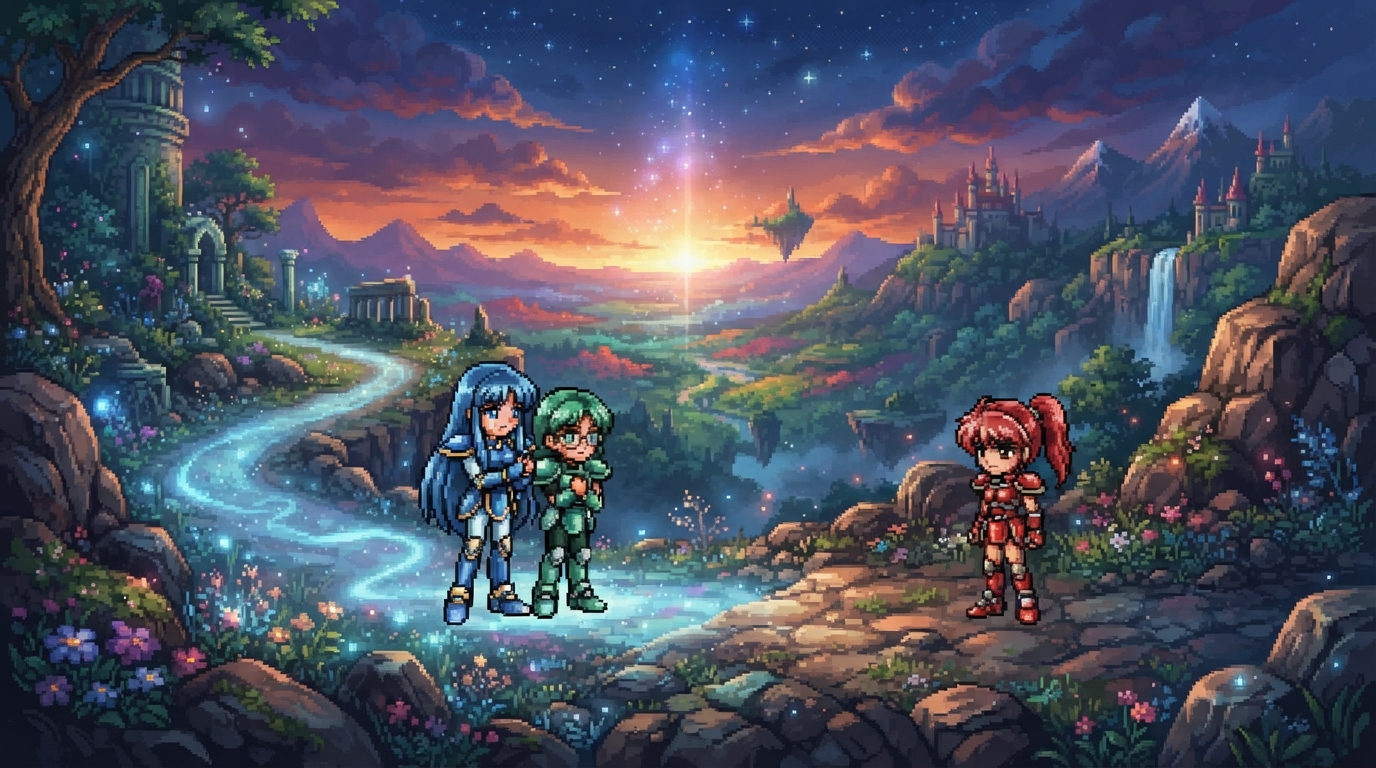
Magic Knight Rayearth is an action-RPG, not another conventional turn-based journey, and that gives the Saturn’s role-playing library a useful change of pace. Its place on this list is partly about context: the game shows what reached North American Saturn players near the console’s late Western years. That’s not a claim that it outranks stronger picks like Panzer Dragoon Saga or Dragon Force. A library guide should include the interesting footnotes, not just crown winners and hide the awkward entries in a drawer.
The North American Saturn release arrived on November 30, 1998, after a localization delay that GameSpot described as nearly three years. GameSpot’s January 1999 review gave the game 5.1/10, a decidedly unheroic score for a title arriving with that much expectation attached. GameSpot’s review puts the delay and mixed reception in the same frame: a late release doesn’t become a classic just because the calendar made it historically notable.
That reception deserves a fair hearing, not a veto. The action-RPG format may appeal if you want a different rhythm from the Saturn’s more conventional or strategy-heavy options. But historical curiosity and a strong recommendation aren’t the same thing, and nostalgia can’t patch over a middling review.
Our verdict: approach Magic Knight Rayearth as a curious late-era action-RPG, not a must-play Saturn masterpiece. If its distinct style and place in the system’s Western farewell interest you, give it a look. If you want the safer bet, choose one of the stronger recommendations first.
Pick The Saturn RPG That Matches Your Patience
If you have time for one focused adventure, start with Panzer Dragoon Saga. Treat its estimated 20–25 hours as a complete, compact journey, not the opening act of a sprawling epic. GameSpot’s review gives you the playtime context before you commit.
Got room for a campaign that can take over your evenings? Choose Dragon Force, but pick one leader first: each of its eight storylines is estimated at roughly 40–50 hours. GameSpot’s review lays out the scale. If that sounds like a second job with more soldiers, choose Shining the Holy Ark for a more conventional RPG.
For Shining Force III, make the language decision before you begin. Play the officially released English Scenario 1, or check the fan translation project’s patch information if you want to tackle Scenarios 2 and 3 as well. Version 25’s release details cover its options and fixes. Save Magic Knight Rayearth for when its action-RPG format and late-Saturn context specifically appeal. Curiosity is a fine reason to play, but it’s no substitute for patience.