
The EA private sale is no longer a rumor, a boardroom fever dream, or something investors can argue about on television. EA was taken private on August 4, 2026, in a deal valued at roughly $55 billion, with shareholders receiving $210 in cash per share. I’m breaking down what happened, what the numbers actually mean, and why EA’s disappearance from the public market matters to gamers.
The short version: EA is now privately owned, backed by a massive mix of equity and debt, and no longer has public shareholders demanding quarterly applause. That could mean faster decisions, or fewer people watching when the next aggressively monetized sequel rolls out. Either way, the deal changes who EA answers to, and that’s worth understanding before the corporate fog machine starts.
Key Takeaways
- EA was taken private on August 4, 2026, in a deal valued at roughly $55 billion, with shareholders receiving $210 per share—about a 25% premium over its unaffected stock price.
- The acquisition is backed by approximately $36 billion in equity and up to $20 billion in debt, creating financial pressure to keep EA’s biggest franchises and recurring-revenue businesses performing.
- Private ownership gives EA more freedom from quarterly shareholder demands, but it also reduces public visibility and could either support longer-term game development or conceal cost-cutting and aggressive monetization.
- Players should judge the takeover by measurable outcomes: game quality, launch stability, post-launch support, studio health, release schedules, and whether microtransactions become more aggressive.
EA Private Sale Deal Breakdown
EA’s private sale was completed on August 4, 2026, turning the publisher into a privately held company and ending its run on the public market. The buyer is a consortium of major investment groups. The transaction valued EA at approximately $55 billion on an enterprise-value basis, while shareholders received $210 in cash per share. That represented roughly a 25% premium over EA’s unaffected $168.32 share price on September 25, 2025, which is a much nicer exit than receiving three commemorative points in a loyalty program.
| Deal fact | Reported detail |
|---|---|
| Buyer | A consortium of major investment groups |
| Enterprise value | Approximately $55 billion |
| Cash offer | $210 per EA share |
| Financing | Approximately $36 billion in equity and up to $20 billion in debt |
| Debt raised | $18 billion bond offering, completed in April 2026 |
| Reported ownership | Lead investor 93.4%, investment group 5.5%, investment partner 1.1% |
| Public-market status | EA is no longer publicly traded and is now privately held |
Private ownership gives EA more room to make long-term decisions, but it also removes the quarterly earnings spotlight that sometimes forces companies to explain their weirdest ideas out loud. I’ll be watching whether this changes release schedules, live-service monetization, studio autonomy, and the amount of corporate mystery meat served between actual games. The financing mix matters too, because substantial debt can create pressure to keep proven revenue machines running, even when players are begging for something less familiar than another premium bundle. In short, going private could free EA to build better games, or simply hide the same habits behind a much thicker curtain.
EA’s New Private Ownership Strategy
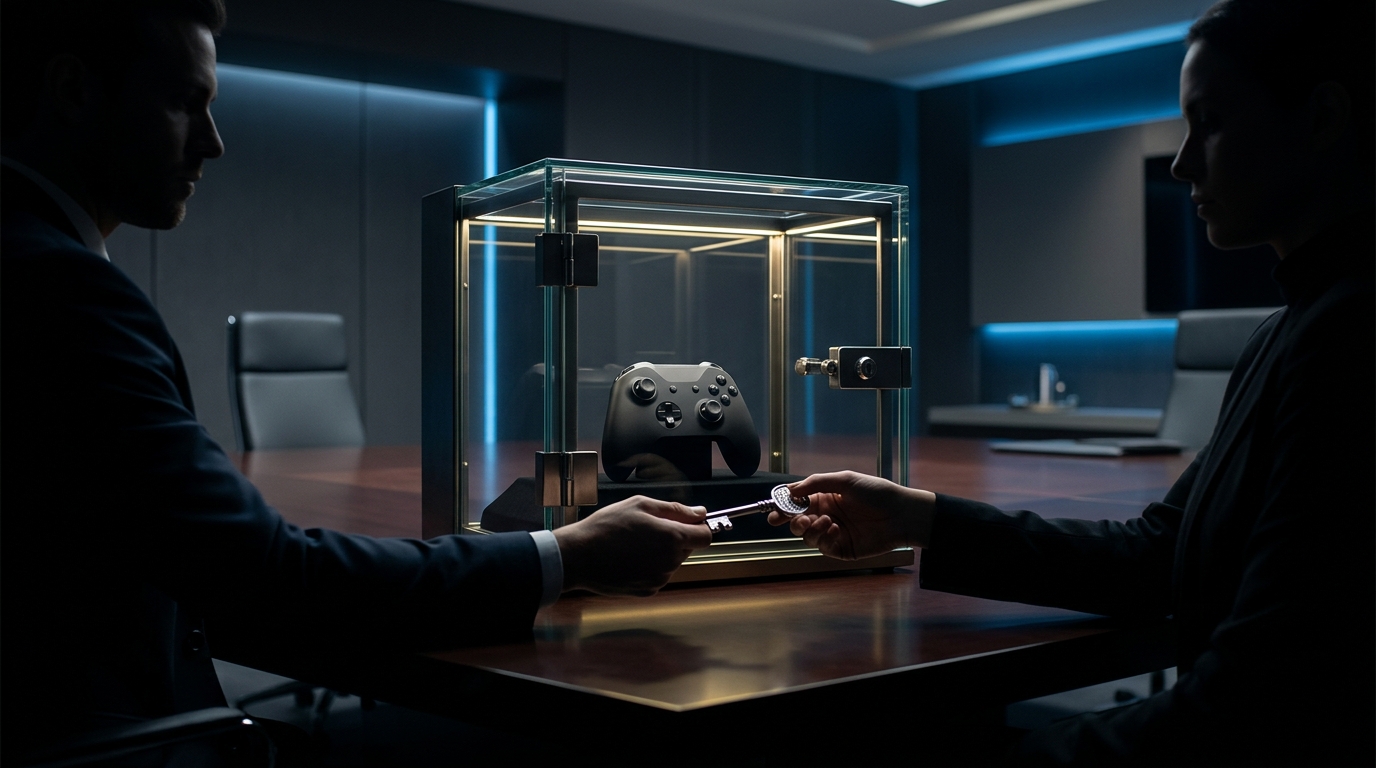
EA’s new private ownership strategy promises long-term investment in technology, entertainment, sports, and global expansion, which sounds considerably better than sprinting toward the next quarterly earnings call with a knife between its teeth. The completed EA private sale values the company at roughly $55 billion, with shareholders receiving $210 in cash per share. The buyers have also committed about $36 billion in equity, alongside up to $20 billion in debt financing. That is a lot of money aimed at building the future, and an even larger pile of money asking when the future plans to start paying rent.
Private ownership could give EA more room to support ambitious releases, improve aging technology, and let studios develop games without treating every delay like a financial emergency. It might also create breathing space for better monetization decisions, assuming the new owners resist turning every beloved franchise into a vending machine with a battle pass. The catch is that private ownership removes the public quarterly spotlight, not the obligation to generate cash. Debt still needs interest payments, and those payments will not be impressed by creative risks, launch delays, or a heartfelt speech about player trust.
For players, the real test will be whether this strategy produces better games or merely rearranges the corporate mystery meat into a more expensive bowl. I will be watching release schedules, studio autonomy, live-service demands, and the quality of post-launch support more closely than the glossy promises. Long-term investment matters only if it reaches development teams and eventually appears on screen, not if it disappears into presentations about synergy and global ecosystems. EA may have escaped the stock market’s short-term pressure, but it has not escaped the oldest boss fight in business: making enough money to keep the machine fed.
What EA’s Sale Means For Players
EA’s reported $55 billion go-private transaction was completed on August 4, 2026, so the company no longer answers to public-market investors every quarter. That is confirmed. What happens next is prediction, because private ownership does not magically reveal the secret sauce inside the corporate mystery meat. I expect release schedules for EA Sports FC, The Sims, Battlefield, and Apex Legends to remain broadly intact at first, since these franchises are already valuable machines. The bigger change could be less patience for delays, failed experiments, or games that do not show a clear path to recurring revenue. In plain English, fewer public earnings calls may mean more freedom, but also fewer windows into the boardroom.
Live-service monetization will probably receive the sharpest attention, especially in Apex Legends and EA Sports FC, where seasonal content, cosmetics, and digital currency keep the lights on. Private owners may approve smarter long-term investment, including better servers, more testing, and support for studios that need time to make something good instead of merely making something monetizable. They may also push harder on microtransactions, premium editions, subscriptions, licensing deals, and cross-platform releases, because debt and investor expectations still exist even when the stock ticker disappears. Studio autonomy could improve if teams escape short-term public pressure, but it could shrink if owners demand predictable returns from every department. Layoffs, canceled projects, and reorganized teams remain possible, not confirmed, and anyone promising otherwise is selling optimism in a loot box.
| Area | Likely benefit | Risk | Warning sign |
|---|---|---|---|
| Release schedules | More time for polishing and fewer rushed launches | Fewer experimental projects if returns look uncertain | Repeated delays paired with project cancellations |
| Live services and microtransactions | Better content planning and technical support | More aggressive pricing, bundles, and recurring purchases | Essential features locked behind premium tiers |
| Studios and layoffs | Greater autonomy for proven teams | Cost cutting hidden behind “efficiency” language | Closures or layoffs after strong sales reports |
| Licensing and platforms | More flexible deals and wider access across devices | Exclusive content or fragmented player communities | Platform changes that prioritize revenue over convenience |
For players, the best outcome is a steadier EA that funds the games people actually enjoy instead of chasing every fashionable trend until it catches fire. The worst outcome is a quieter company that cuts staff, raises the monetization pressure, and treats Battlefield, The Sims, EA Sports FC, and Apex Legends as interchangeable revenue faucets. I will be watching update quality, launch stability, pricing, and whether studios are allowed to build distinct games rather than branded content delivery systems. Licensing deals and platform strategy will also reveal the priorities, particularly if access becomes more fragmented or popular features are reserved for the most profitable storefronts. Until those signals appear, the sale changes EA’s accountability more clearly than it changes the games sitting on our hard drives.
EA’s Biggest Post Sale Test
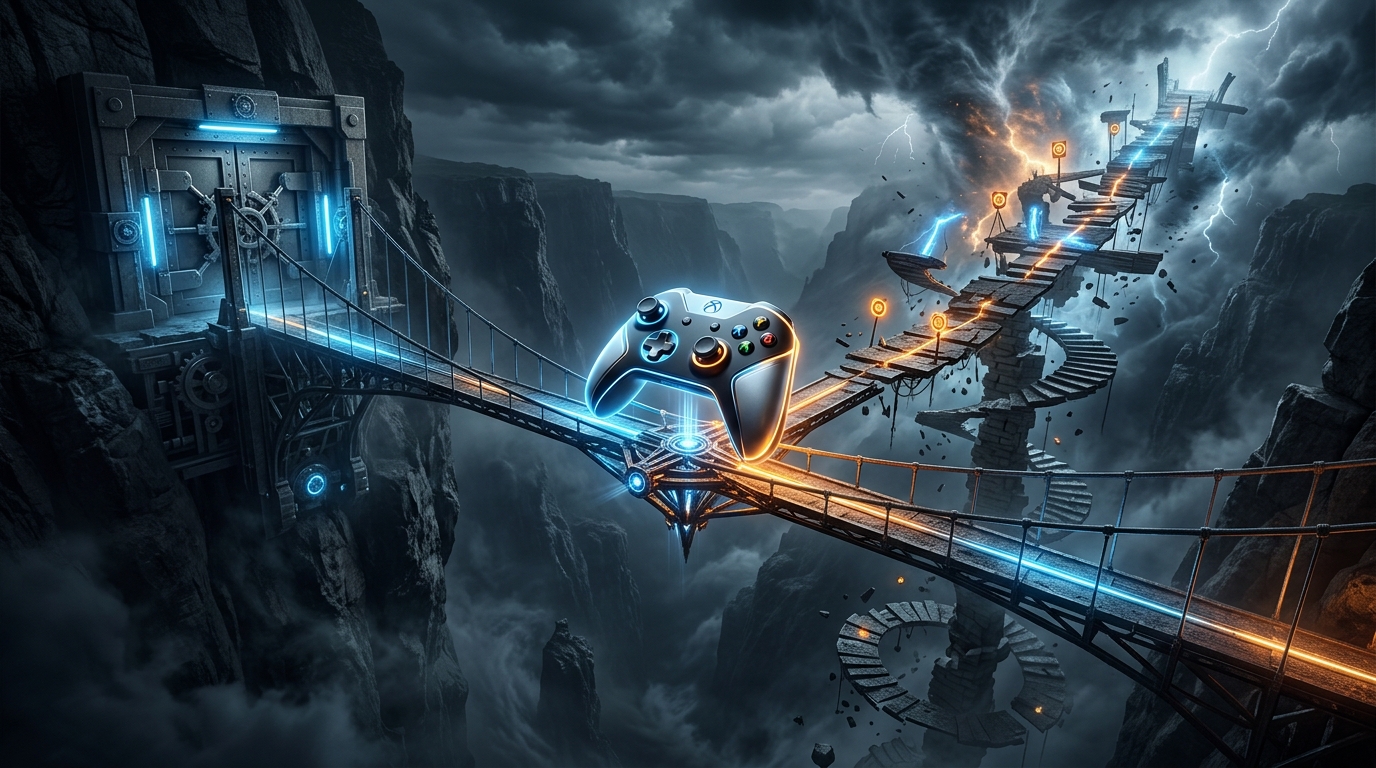
EA’s biggest post-sale test is whether Andrew Wilson can prove this private ownership era is about building better games, not merely hiding the quarterly bruises. With a reported $55 billion EA private sale completed in August 2026, the new owners have paid an enormous price for the privilege of making decisions without public shareholders peering over their shoulders. That freedom should mean fewer rushed launches, stronger creative bets, and enough polish to stop players feeling like unpaid quality assurance staff. If the first major releases still arrive buggy, repetitive, and stuffed with monetization prompts, the takeover will look less like long-term thinking and more like a very expensive vending machine repair.
Game quality is the first measurable test, and the scoreboard is brutally simple: reviews, player retention, technical performance, and post-launch support. I want to see fewer annualized products coasting on familiar branding and more releases that justify their existence beyond resetting a battle pass. Studio stability matters just as much, because a company cannot build ambitious games while constantly shuffling teams, canceling projects, or treating experienced developers like replaceable controller batteries. Wilson should be judged by staff retention, consistent leadership, realistic schedules, and whether studios regain enough autonomy to make something stranger than the safest possible sequel.
The final test is whether EA reduces its dependence on recurring monetization, especially in games where every menu seems designed by a committee of tiny cash registers. Live services and expansions can be worthwhile, but they should support excellent games rather than serve as the entire business plan wearing a game-shaped hat. I will be watching the share of revenue tied to repeat spending, the balance between premium releases and service updates, and whether new games feel complete without a subscription to fun. If the private sale produces better games, healthier studios, and fewer attempts to turn every player into a monthly invoice, it may earn some goodwill. Otherwise, EA has simply taken the long way around to sell us the same mystery meat.
EA’s $55 Billion Private Sale Is Complete
EA’s private sale is complete, with the publisher taken private on August 4, 2026, in a transaction valued at roughly $55 billion. Shareholders received $210 in cash per share, about a 25% premium over EA’s unaffected $168.32 price, while the deal reportedly relied on approximately $36 billion in equity and up to $20 billion in debt. That is an impressive pile of money, although debt has a nasty habit of showing up in the accounting department like an uninvited boss fight. Private ownership could give EA more room to plan longer release schedules, protect studio autonomy, and experiment without quarterly-market panic breathing down its neck.
The catch is that private ownership does not magically make bloated development cheaper or monetization less obnoxious. An $18 billion bond offering closed before the deal, and the broader financing burden means future games may need to perform like commercial superheroes just to keep the spreadsheet from catching fire. EA can now make decisions away from public shareholders, but its new owners will still want returns, which could mean more live-service pressure, aggressive spending, or familiar franchises dragged back into the content mines. My verdict is simple: the sale may give EA more freedom, but players should judge it by the games released, not by the billion-dollar bedtime story attached to the acquisition.