The gaming industry has become a high-stakes graveyard where childhood memories go to die in favor of quarterly earnings reports. We have reached a bizarre era where abandoned game franchises fall into two categories: the legendary single-player icons left to rot in a basement and the live-service wonders that flatline before their first birthday. Suits are chasing trends that players never asked for, leaving us with a digital field of wasted potential and half-baked sequels.
If you are looking for a new entry in the Just Cause series, enjoy the disappointment. The original team has checked out and the studio is busy pretending the last game did not happen. Meanwhile, the latest shooters aiming to topple the giants are hitting the dirt so fast they barely have time to install their own microtransaction shops. We are witnessing the death of the middle-market game in real-time. If a title does not sell ten million copies in a weekend, it gets tossed into the bin alongside our hopes for a decent reboot.
Key Takeaways
- The gaming industry has become a graveyard for legendary single-player franchises because corporate leaders prioritize infinite growth through battle passes and microtransactions over high-quality, finished experiences.
- Modern live-service games frequently fail because they are designed by committees focused on monetization metrics rather than engaging gameplay, leading to shallow loops and rapid player abandonment.
- The ‘middle-market’ game is dying as publishers prematurely abandon iconic IPs that fail to meet unrealistic sales targets or lack the potential for long-term recurring revenue.
- Players should stop waiting for corporate resurrections of beloved franchises and instead support indie developers who create spiritual successors that respect the original soul of the genre.
Single Player Legends Lost To Corporate Greed
It is truly impressive how a multi-billion dollar corporation can look at a masterpiece like Splinter Cell and decide that what fans actually want is a generic live-service shooter instead. We spent years perfecting the art of the silent takedown as Sam Fisher, only for the suits to realize they could not figure out how to sell a tactical turtleneck skin for fifteen dollars in a single-player campaign. It is the same tragic story for Rayman, who has been effectively evicted from his own platforming throne so his likeness can be used as a mascot for mobile spin-offs. These franchises are not dead because we stopped playing them, but because they do not fit into a quarterly earnings report that demands infinite growth through battle passes and loot boxes.
Watching the industry pivot away from focused, high-quality solo experiences feels like watching a slow-motion train wreck fueled by corporate greed. I miss the days when a game was allowed to have an ending instead of being a digital storefront that occasionally lets you jump over a pit. Nowadays, if a project does not have the potential to keep players on a treadmill for five years, it gets tossed into the vault alongside our hopes for a new Prince of Persia that is not a 2D side-scroller. The irony is that while these companies chase the next big multiplayer trend, they are sitting on a goldmine of nostalgia that they are too scared to touch without adding a premium currency.
The current state of gaming is a graveyard of legendary IPs that were sacrificed on the altar of engagement metrics and recurring revenue. We are living in an era where a studio would rather release a broken, half-baked multiplayer mess than a polished ten-hour adventure that people actually remember fondly. It is a special kind of corporate incompetence to have a library of beloved characters and choose to let them rot because you cannot find a way to monetize the pause menu. I am tired of being told that single-player games are a risk when the real risk is alienating an entire generation of gamers who just want to play a finished product. If these publishers spent half as much time on level design as they do on skin shops, we might actually have something worth playing this weekend.
The Rapid Death Of Modern Live Service Flops
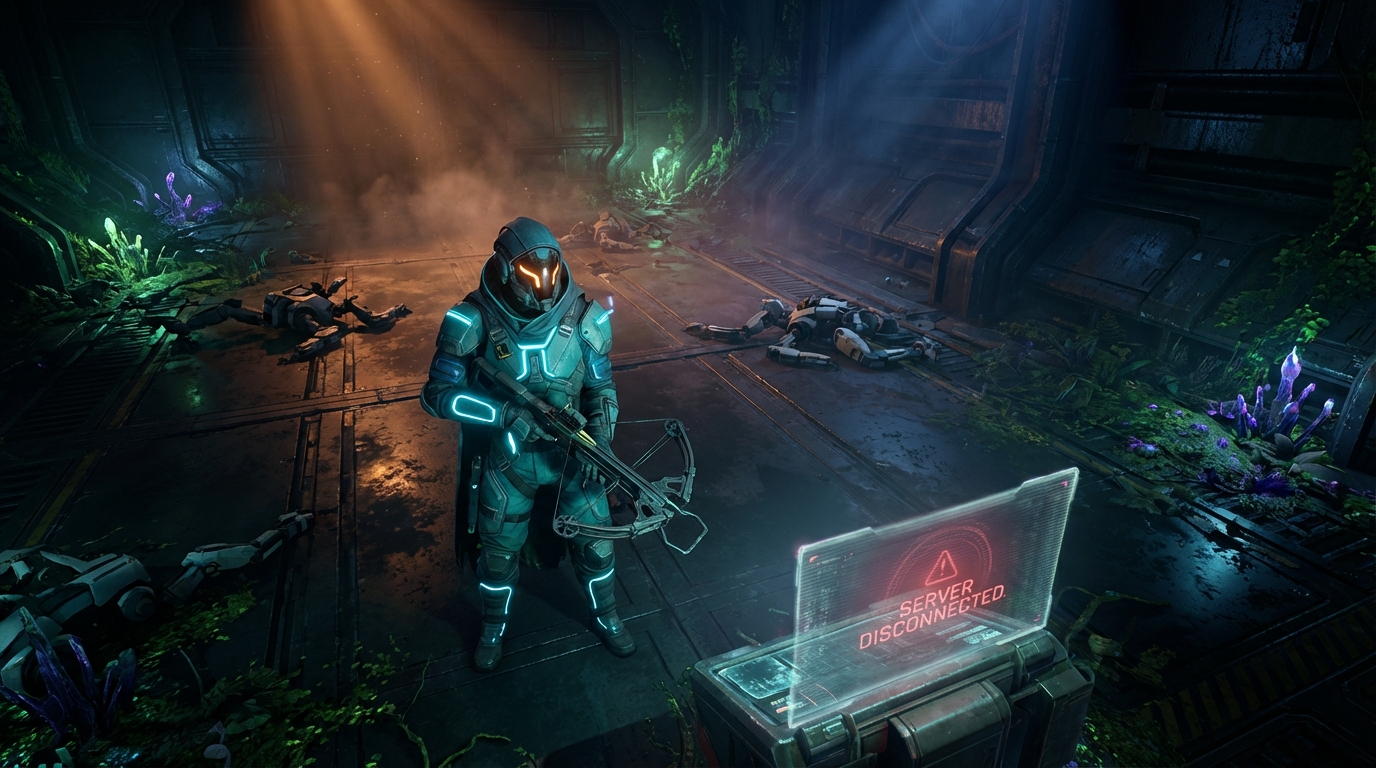
Watching a modern live-service game launch is like witnessing a high-speed car crash where the driver spent three hundred million dollars on the upholstery but forgot to install the brakes. We have entered an era where titles arrive with the fanfare of a royal wedding only to end up in the bargain bin of digital history before the first seasonal battle pass even expires. These titles are often bloated by years of development hell and crushing tech debt, making them feel like creaky relics despite their shiny coats of paint. It is a bizarre spectacle to see a game boast about millions of players on day one, only to have the developers start sweating by day thirty because the core loop is as shallow as a parking lot puddle.
The real tragedy is that these corporate experiments are suffocating the beloved franchises we actually want to play while chasing a trend that is already dead. Publishers would rather gamble the GDP of a small nation on a generic hero shooter than give us a focused, polished sequel to a classic series that people actually remember fondly. By the time these live-service behemoths finally limp to market, the audience has moved on, leaving behind a digital ghost town of empty lobbies and broken promises. It is a cycle of arrogance where suits believe they can manufacture a forever game through sheer budget alone, ignoring the fact that players can smell a cynical cash grab from a mile away.
We are currently standing in a graveyard of discarded icons, looking at the fresh corpses of games that were supposed to be the next big thing. Instead of evolving or offering something genuinely new, these projects usually collapse under the weight of their own unsustainable financial models and the desperate need for constant engagement. When a game is designed by a committee focused on monetization charts rather than fun, it is doomed to be abandoned the moment the profit line dips. It is time we stop pretending that every new release needs to be a lifestyle choice and start demanding games that are actually worth finishing before the servers get unplugged.
Rest In Peace Open World Icons
It is truly impressive how a boardroom full of suits can take a franchise built on the pure, unadulterated joy of tethering a cow to a gas canister and somehow make it boring. The Just Cause series was the ultimate sandbox playground, a place where physics were a suggestion and the plot was just an excuse to see how many explosions the engine could handle before screaming for mercy. Then came the fourth installment, a game so bogged down by tedious frontline mechanics and technical debt that it managed to suck the air right out of the room. Instead of doubling down on the chaotic fun that made Rico Rodriguez a household name for digital arsonists, the publishers tried to turn a masterpiece of mayhem into a chore. Now, with the original team scattered to the wind and the series officially on ice, we are left staring at a graveyard of missed opportunities and empty maps.
The tragedy of the modern open-world icon is that they are often killed by the very people who should be protecting them. We saw the same pattern with other giants that used to define the genre, where sequels were greenlit without any understanding of why the original worked in the first place. These games were built on the fun-first philosophy of the early console generations, but they were eventually suffocated by the demand for endless live-service engagement and bloated development cycles. When a sequel underperforms because it was rushed or over-engineered, the suits do not blame their own bad management, they just bury the IP in a shallow grave. It is a cynical cycle that leaves us with nothing but nostalgia for the days when a grappling hook and a parachute were all you needed to have a good time.
Watching these franchises rot is a bitter pill to swallow for anyone who spent their weekends liberating fictional islands or causing traffic jams just for the hell of it. We are currently living through a period where the industry would rather chase a fleeting trend than polish a diamond that is sitting right in front of them. The Rest in Peace sign on these sandbox legends is not there because players lost interest, but because the corporate visionaries decided that if a game cannot be monetized into infinity, it is not worth making. It is a blunt reminder that in the world of big-budget gaming, even the most iconic heroes can be retired by a spreadsheet. For now, we are stuck revisiting the classics and wondering how something so vibrant could be left to gather dust while we wait for the next hollow imitation to arrive.
Stop Waiting for the Digital Resurrection
It is time to face the music and realize that your favorite childhood mascot is not coming back for a gritty reboot or a nostalgic remaster. Players should stop waiting for corporate resurrections of beloved franchises and instead support indie developers who create spiritual successors that respect the original soul of the genre. We keep refreshing social media feeds hoping for a surprise announcement that will never happen because the original developers left the industry a decade ago. Holding onto hope for a dead franchise is like waiting for a rotary phone to get a software update. It is a charming sentiment, but it is ultimately a waste of your emotional energy.
The harsh reality is that modern gaming is a business of scale, and your niche favorite simply does not move enough units to satisfy a board of directors. Even if a studio did dig up the corpse of a classic series, they would likely fill it with battle passes and seasonal skins that would ruin your memories anyway. We need to stop begging for miracles from companies that view our childhood joys as line items on a spreadsheet. There are plenty of indie developers creating spiritual successors that actually respect the source material without the corporate baggage. It is much better to support a new idea than to keep mourning a logo that has been dead since the late nineties.
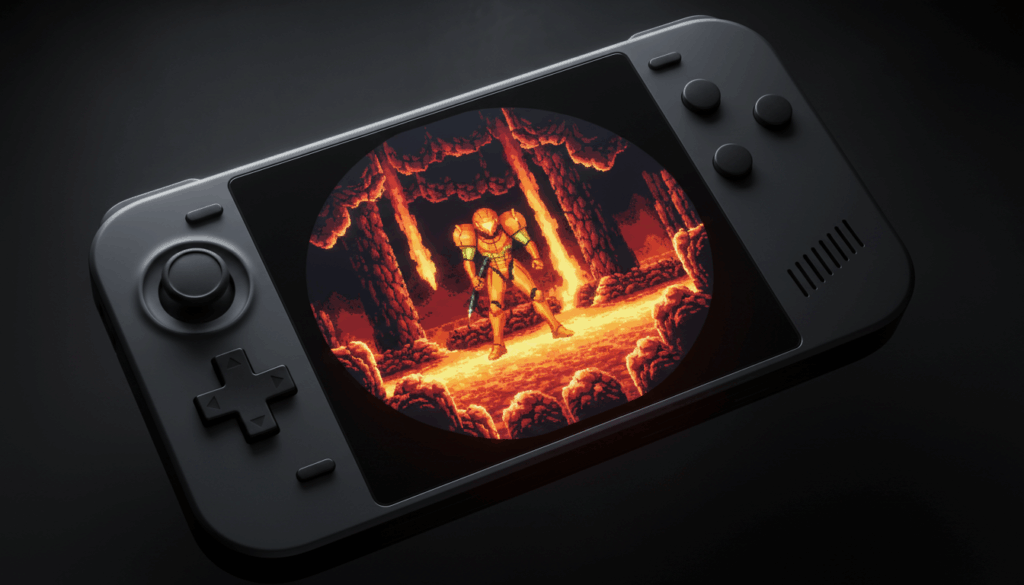
Letting go of these abandoned franchises is actually the most respectful thing we can do for their legacy. We can still play the original cartridges or fire up an emulator to remember why those games were special in the first place. Demanding a modern sequel usually results in a bloated, uninspired mess that lacks the soul of the original creators. Instead of chasing a ghost, we should be looking for the unreal future of the medium that is not afraid to take risks. Stop checking the trademark filings and start playing something that actually exists in your library right now.
Frequently Asked Questions
1. Why do massive franchises like Splinter Cell just disappear?
They disappear because corporations cannot figure out how to monetize a single-player campaign with a never-ending stream of battle passes. If a suit cannot sell you a fifteen-dollar tactical turtleneck skin every month, they would rather let the franchise rot in a basement than give you a focused, high-quality sequel.
2. Is there any hope for a Just Cause 5?
Do not hold your breath unless you enjoy the taste of disappointment. The original team has moved on and the studio is currently acting like the last game never happened, proving once again that if a game does not sell ten million copies in a weekend, it gets tossed into the bin.
3. Why is the middle-market game dying?
The middle-market game is being crushed by the industry obsession with infinite growth and quarterly earnings reports. Publishers have abandoned the idea of making a solid, profitable game in favor of chasing live-service unicorns that usually flatline before their first birthday.
4. What happened to Rayman?
Rayman has been evicted from his own platforming throne and demoted to a mascot for mobile spin-offs. He is the poster child for legendary icons being sacrificed at the altar of corporate greed because his games do not fit the modern loot box model.
5. Why do so many new shooters fail immediately?
Most of these titles are half-baked trend-chasers that prioritize microtransaction shops over actual gameplay. They hit the dirt fast because players never asked for these generic live-service wonders in the first place.
6. Can we expect reboots of our childhood favorites?
You can expect reboots only if a publisher thinks they can gut the original soul of the game to install a predatory monetization system. Otherwise, your favorite childhood memories are likely staying in the high-stakes graveyard of the modern gaming industry.