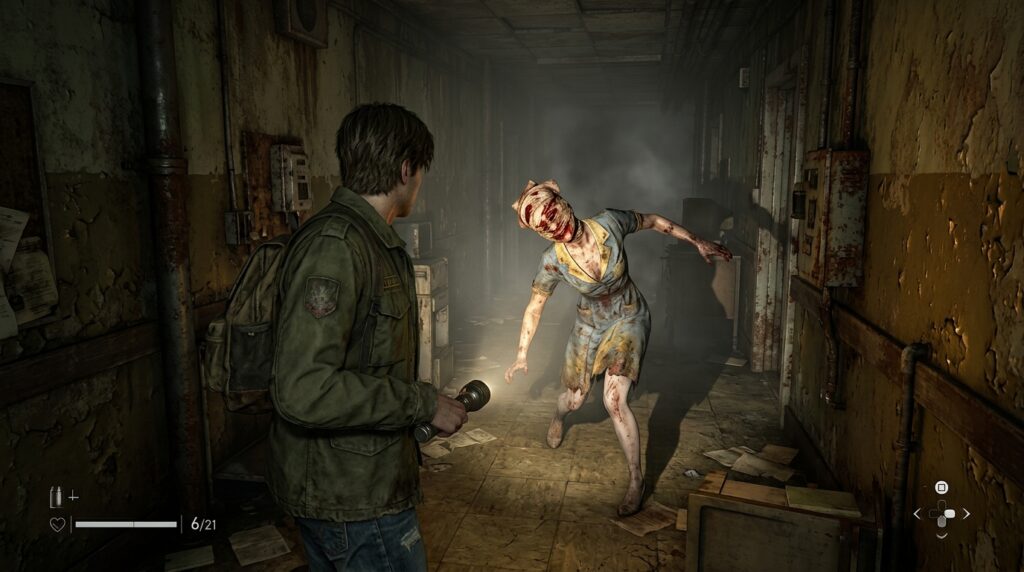
For years, I assumed a modern polish of James Sunderland’s trauma would end up as a soulless, shiny disaster, but the developers actually managed to keep the fog thick and the vibes immaculate. The silent hill 2 remake changes aren’t just cosmetic; they fundamentally rip the 2001 tank controls out by the roots and replace them with a perspective that makes every Lying Figure encounter feel uncomfortably personal. It’s the same psychological nightmare you remember, just without the frustration of fighting the camera more than the monsters.
The shift to an over-the-shoulder view and a dedicated dodge button finally makes James feel like a person with a pulse rather than a stiff wooden mannequin. While the purists might whine about the loss of fixed angles, the expanded exploration and visceral combat overhaul actually force you to engage with the town’s decay instead of just squinting at it. This isn’t a lazy texture pack, it’s a ground-up reconstruction that understands that true horror is found in the details you can now actually see.
Key Takeaways
- The shift to a tight over-the-shoulder camera and modern controls replaces clunky tank mechanics with a visceral, claustrophobic intimacy that intensifies the psychological horror.
- Expanded environments and completely remixed puzzle logic prevent veteran players from relying on memory, forcing a deeper and more unpredictable engagement with the town’s decay.
- High-fidelity motion capture and professional voice acting replace the original’s dreamlike delivery with grounded, emotionally devastating performances that heighten the narrative weight.
- A dedicated dodge button and aggressive enemy AI modernize the combat into a desperate struggle for survival without turning the protagonist into an overpowered action hero.
Over The Shoulder Combat And Modern Controls
The shift from fixed camera angles to a modern over-the-shoulder perspective was the change that had purists clutching their original 2001 discs in terror. We all remember how those cinematic, clunky views created tension by hiding what was literally two feet in front of James, but the remake proves that intimacy is just as terrifying as mystery. By pulling the camera in tight, the team makes every hallway feel like a coffin and every Lying Figure encounter feel uncomfortably personal. You are no longer a detached observer watching a grainy movie, because now you are stuck in the fog with the breathing right down your neck. It turns out that seeing exactly what is about to bite your face off is just as stressful as wondering where the noise is coming from.
Adding a dodge button sounds like the kind of action-hero nonsense that would strip the soul out of a survival horror masterpiece, but it actually makes the combat feel more desperate. James Sunderland is still a clumsy guy in a green jacket, not a combat specialist, and his new mobility is balanced by enemies that are faster and more aggressive than ever. You will still whiff your swings and panic-press the button only to get smacked by a mannequin, which keeps the stakes feeling appropriately high. This isn’t about making James a powerhouse, it is about giving you enough agency to feel responsible for your own inevitable demise. The clunky combat of the past is gone, replaced by a visceral system that rewards timing without ever making you feel truly safe in the dark.
Expanded Environments And Remixed Puzzle Solutions
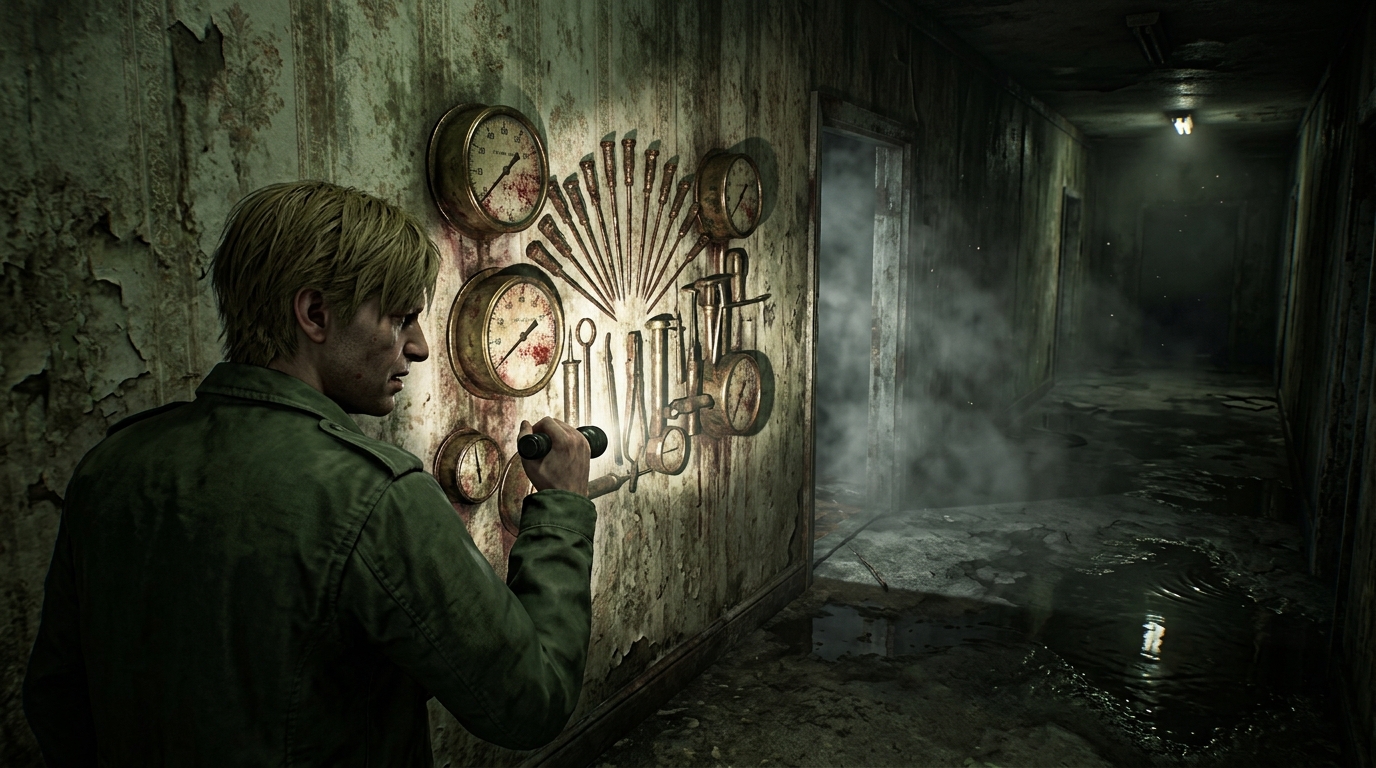
If you were planning on dusting off those yellowed, hand-written notes from 2001 to breeze through the puzzles, you might as well use them as kindling for a campfire. The remake doesn’t just give the classic brain-teasers a fresh coat of paint, it completely retools the logic to ensure even the most dedicated veterans feel like lost tourists. You will still find familiar icons like the grandfather clock or the coin cabinet, but the solutions have been scrambled and expanded into multi-stage ordeals. It is a brilliant way to keep the tension high, forcing you to actually engage with the environment instead of relying on two decades of muscle memory. The developers clearly knew that predictability is the death of horror, so they made sure your old cheat sheets are officially useless.
The town of Silent Hill itself has undergone a massive growth spurt, opening up storefronts and apartments that were previously just low-texture window dressing. You can now smash through glass and poke around laundromats or grocery stores that actually feel like they belonged to a functioning society before the fog rolled in. These extra interiors are not just empty fluff, as they often hide resources or environmental storytelling that fleshes out the depressing lore of this cursed zip code. It makes the exploration feel much more organic and less like you are just running down a series of invisible hallways. While the original game relied on fixed camera angles to hide its limitations, this expanded map uses its new scale to make you feel even more vulnerable in the open air.
Modernizing a masterpiece is usually a recipe for disaster, but the way these environments have been widened actually enhances the oppressive atmosphere. Instead of just sprinting from one plot point to the next, you are encouraged to get lost in the side streets where the new over-the-shoulder camera makes every dark corner feel like a personal threat. The developers managed to keep the soul of the town intact while making it feel like a physical, tangible place rather than a haunting movie set. It is rare to see a remake that respects the source material enough to keep the vibes right while having the guts to change the actual layout. Much like the changes that actually matter in other Konami revivals, you get expanded exploration to explore, which unfortunately just means there are more places for a mannequin to jump out and ruin your day.
Narrative Weight And Enhanced Character Performances
The original Silent Hill 2 relied heavily on a stilted, dreamlike delivery that made every conversation feel like it was happening underwater. It was weird, uncomfortable, and perfectly suited for a town built on repressed trauma. In the remake, the team traded that uncanny valley charm for high-fidelity motion capture and performances that actually belong in a professional studio. While some purists might miss the unintentional comedy of the 2001 line reads, the new James Sunderland carries a visible weight of grief that hits much harder in 4K. His micro-expressions tell a story of a man who is actively falling apart, making the emotional stakes feel grounded rather than abstract.
Modernizing Maria was always going to be the biggest gamble, but the new performance manages to keep her manipulative edge intact. She no longer sounds like a confused AI, instead offering a performance that pivots between vulnerable and predatory with unsettling speed. The high-resolution facial animations allow for a level of nuance that the PlayStation 2 hardware simply couldn’t handle, even with its legendary art direction. You can see the flicker of recognition or malice in her eyes, which adds a layer of psychological horror that goes beyond just jump scares. It is a different kind of uncanny, focusing more on the terrifying intimacy of a person who shouldn’t exist.
Ultimately, the narrative weight has shifted from a surrealist nightmare to a gritty, cinematic tragedy. The voice acting is better by any objective standard, even if it loses that specific David Lynch on a budget vibe of the original. You aren’t just watching polygons struggle to emote, you are watching a cast deliver a gut-punch that feels earned through every sigh and shudder. It is a bold move to mess with a masterpiece, but the enhanced performances breathe new life into these broken characters. If you can get over the loss of the nostalgic awkwardness, the emotional payoff here is significantly more devastating than it was twenty years ago.
Final section: Conclusion
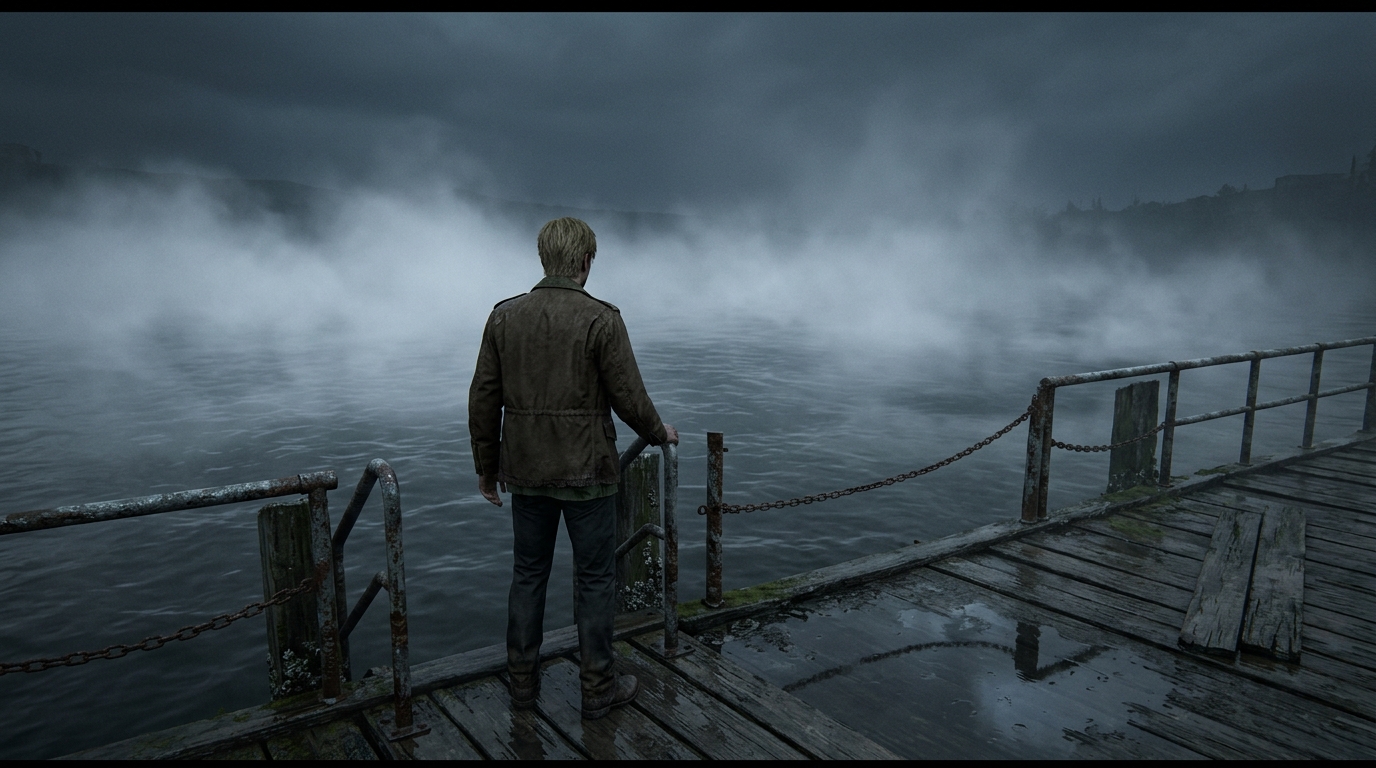
The Silent Hill 2 remake manages to dodge the hollow imitation trap by the skin of its teeth and a lot of thick, volumetric fog. While the over-the-shoulder camera and modernized combat could have easily turned this into a generic action romp, the atmosphere remains thick enough to choke a horse. The development team actually showed some restraint, ensuring that the grimy, depressing soul of the original wasn’t lost under a layer of shiny 4K textures. It feels less like a corporate cash grab and more like a desperate, sweaty nightmare that just happens to look incredible on a modern monitor.
The changes to exploration and the expanded map feel like genuine gifts rather than unnecessary padding for the most part. Walking through a familiar street only to find a new, terrifying interior adds a layer of unpredictability that keeps even the most seasoned speedrunners on their toes. It is rare to see a remake that respects the source material while also admitting that 2001 tank controls belong in a museum next to dial-up internet. If you were worried that the fog would lose its psychological edge in the transition to the current gen, you can officially stop biting your nails.
Is it a perfect replacement for the original classic? Of course not, because nostalgia is a hell of a drug and nothing will ever quite match that first time Pyramid Head traumatized us on a CRT television. However, this version stands on its own two feet as a masterclass in how to update a masterpiece without stripping away its identity. It is visceral, it is unapologetically bleak, and it proves that James Sunderland’s mid-life crisis is just as effective in 2024 as it was twenty years ago. If you want a game that respects your intelligence while actively trying to ruin your sleep schedule, this is the one to install.
A Modern Masterpiece That Actually Keeps Its Soul
The Silent Hill 2 remake manages to pull off the impossible by modernizing a masterpiece without stripping away its soul. While the shift to an over-the-shoulder camera and visceral combat could have easily turned this into a generic action romp, the claustrophobic atmosphere remains thick enough to choke on. The developers clearly understood that the fog isn’t just a technical trick to hide low draw distances anymore, but a psychological weight that keeps you feeling constantly exposed. It is a rare case where the shiny new coat of paint actually highlights the grime and misery of the original rather than scrubbing it away.
Older fans who were worried about James Sunderland turning into a dodge-rolling superhero can finally take a breath of relief. The expanded exploration and updated puzzles feel like natural extensions of the town rather than fluff added to pad out the runtime. Even with the mechanical overhauls, the game respects the source material enough to keep the narrative punches landing exactly where they should. If you were looking for a reason to return to your favorite nightmare, this remake proves that some ghosts are worth revisiting even if they look a lot more terrifying in high resolution.
Whether you are a veteran who knows every corner of the Wood Side Apartments or a newcomer just looking for a decent scare, this version is the definitive way to experience the story. It avoids the typical industry trap of sanitizing the weirdness for a broader audience, keeping the unsettling edge that made us love the original back in the day. The combat is punchier and the graphics are gorgeous in a disgusting sort of way, but the underlying dread is what truly carries the experience. It is a bold, confident reimagining that proves you can teach an old dog new tricks without losing its bite.
Frequently Asked Questions
1. Did the new camera ruin the atmosphere of the original?
Not even close. While the purists are crying about the loss of fixed camera angles, the over the shoulder view actually makes the nightmare feel more claustrophobic. It turns out having a monster breathe down your neck is way scarier than watching James from a distance like a grainy security camera feed.
2. Is James still a clunky mess to control?
Thankfully, James finally learned how to move like a human being with a pulse. The new controls and the addition of a dedicated dodge button mean you are no longer fighting the controller more than the monsters. He still feels grounded, but you won’t feel like you are steering a wooden mannequin through a parking lot anymore.
3. Is the combat just a mindless action game now?
The combat has been overhauled to be visceral and personal, but it is definitely not an action movie. Every encounter with a Lying Figure is a stressful struggle that forces you to engage with the town’s decay. The dodge button is a survival tool, not a license to go full John Wick on the local demon population.
4. Are the changes just a lazy texture pack update?
This is a ground up reconstruction that actually understands what made the 2001 original a masterpiece. The team kept the fog thick and the vibes immaculate while expanding the exploration to make the town feel lived in. It is a fundamental rebuild that focuses on the psychological details you can finally see clearly.
5. Does the game still feel like the psychological horror I remember?
The psychological nightmare is fully intact and arguably more intense because of the modern polish. By pulling the camera in tight, every hallway feel like a coffin and every sound in the fog is more threatening. It is the same trauma James Sunderland fans love, just without the frustration of 20 year old tank controls.
6. Is the remake worth playing if I loved the original?
If you can get over your nostalgia for clunky mechanics, this is absolutely worth your time. It respects the source material while trimming the fat that made the original a chore to play by modern standards. It is a rare example of a remake that actually justifies its existence instead of just being a corporate cash grab.