Original game IP success is happening more often than the industry’s favorite story admits. Sensor Tower counted 61 original-IP breakouts in its September 2025 to August 2026 cohort, up from 44 the year before, and indie studios made 32 of them. A breakout is a launch that sells at least 500,000 paid units across PlayStation, Steam, and Xbox within its first 30 days. Those are paid units, not revenue, so think of it as a sales count, not a bank statement.
The catch is that familiar names still dominate. AAA games made up 48% of first-month paid units, and sequels, remakes, and remasters together took 55%. So the myth is half-right: publishers don’t need another franchise to sell, but they still love the ones they already own. We only hand out a “fine, I guess” when a game has truly earned it, and the numbers deserve the same honesty.
Key Takeaways
- A game that hits 500,000 units can still lose money once development bills arrive.
- Executives approve sequels faster because the pitch only has to show that the last game sold.
- Many indie studios price games under $20 because smaller budgets need far fewer copies sold to make sense.
- An unknown game needs a hook a friend can repeat after one trailer, not a mood piece with slow piano.
Do Publishers Really Need Another Franchise?
No, publishers don’t need another franchise to sell, but the industry has spent years acting like they do. The myth goes like this: executives only fund sequels and familiar names because that’s the only thing that sells, and original ideas are a hobby for indie studios with nothing to lose.
Here’s what a breakout means in plain terms. It’s a game that sells a huge pile of copies that people actually paid for, across PlayStation, Steam, and Xbox, within its first month. Sensor Tower’s September 2025 to August 2026 cohort had 76 breakouts, up from 55 the year before. That’s a sales count, not a measure of how much money anyone made.
Breakout numbers don’t measure profit, either. Half a million units at a low price and half a million units at a triple-A price are two very different businesses, and a game can hit the number while still losing money once the development bills arrive. A breakout is a good headline. It isn’t automatically a win for the studio that made it.
So why do publishers keep reaching for the same names? Because a sequel comes with fewer unknowns. The audience already exists, the trailer writes itself, and the pitch can start with “it’s like the last one, but bigger.” A brand-new property has to explain what it is before anyone cares, and that costs time, money, and nerve. Spreadsheets reward predictability, and familiar franchises look safe on paper because someone has already proven people will show up.
The awkward part for the myth is that the originals are showing up anyway. Familiar names still dominate the charts, but the door is open wider than the industry admits.
Are Familiar Franchises Still Winning the Sales Race?
Yes, familiar names still win the sales race, but the originals are no longer just the sidekick. AAA games made up 48% of first-month paid units in the 2026 cohort, which makes them the biggest single slice of the market. Sequels, remakes, and remasters together took 55%, so the big names still own most of the first-month sales.
| Measure (first-month paid units, Sept 2025 to Aug 2026 cohort) | Share |
|---|---|
| AAA games | 48% |
| Sequels, remakes, and remasters | 55% |
Read that table carefully. A big AAA sequel can count toward both rows, so don’t treat them like a neat pie chart that adds up to 100%. What the table does show is that the franchise machine is still running at full speed.
Here’s the part the myth gets wrong: growth in original IP did not mean familiar franchises stopped selling. A publisher can launch a fresh property that breaks out and still watch its annual sequel post enormous numbers. Both things happened in the same year. The originals are climbing, and the big names still own most of the sales.
That’s not a contradiction. It’s a crowded room. New games are fighting for attention against a wall of trusted names, and a trusted name has a head start because players already know what they’re buying. A new property has to earn that trust from zero, one trailer and one demo at a time.
This is also why we don’t trust the hype machine to tell you what’s worth your money. Franchise sales tell you what people already know. They don’t tell you whether the game is any good. The publisher’s marketing budget can make a sequel look like a must-buy, and it can do the same for a mediocre original. Somebody still has to sit down and play the thing before anyone can say whether it deserves the hype.
Sales charts also don’t show what players are missing. When 55% of the first-month units go to sequels, remakes, and remasters, it’s fair to ask how much room is left for a weird, risky game with a new name. The answer isn’t zero, but it’s not comfortable either. Originals that break out are doing it while carrying a weight that the familiar names never have to lift.
So the honest read is simple. Franchises are still the safest bet on the shelf, and original IP is still proving it can compete. Publishers don’t need another franchise to sell, but they still love the ones they already have, and the numbers say that love isn’t going anywhere.
Why Do Indie Games Undercut Big-Budget Prices?
Indie games undercut big-budget prices because their budgets are smaller, and a smaller budget needs fewer copies sold to make sense. The pricing gap is wide. In GDC’s 2026 survey, 70% of AAA workers said their games cost $50 or more, while 61% of workers at younger indie studios said their games cost under $20. That’s a read on what workers reported about their own studios’ games, not a price tag on every title in the store, but the spread is hard to miss.
Boston Consulting Group reported that two anonymized publishers averaged $316 million and $144 million a year on game development from 2021 to 2023. Those are publisher-level figures, not the cost of single games, but they show the scale. A company carrying bills that size needs a high price and a huge audience to justify the spending. A small team making a short, strange game doesn’t need either.
Lower prices also do real work for new IP. An unknown name asks players to take a risk, and a low price tag turns that risk into an easy yes. Nobody has to trust a studio they’ve never heard of when the cost of being wrong is about the price of a lunch. A full triple-A price asks for a lot more faith, and a brand-new property rarely has that kind of credit built up yet.
Price is also a promise. A premium price says “you’d better be sure,” and a low price says “try me.” Neither promise guarantees quality. We’re not blindly loyal to any game company or brand, and that cuts both ways. An expensive game isn’t automatically worth it, and a cheap one isn’t automatically a bargain.
Smaller teams can also afford to build an odd idea without betting the whole company on it. When the budget is modest, a risky concept doesn’t have to pay back a nine-figure bill to count as a success. That’s why so many originals start with lower prices and smaller ambitions, and why the cheap shelf is often where the surprises hide.
Why Big Budgets Make Publishers Play It Safe
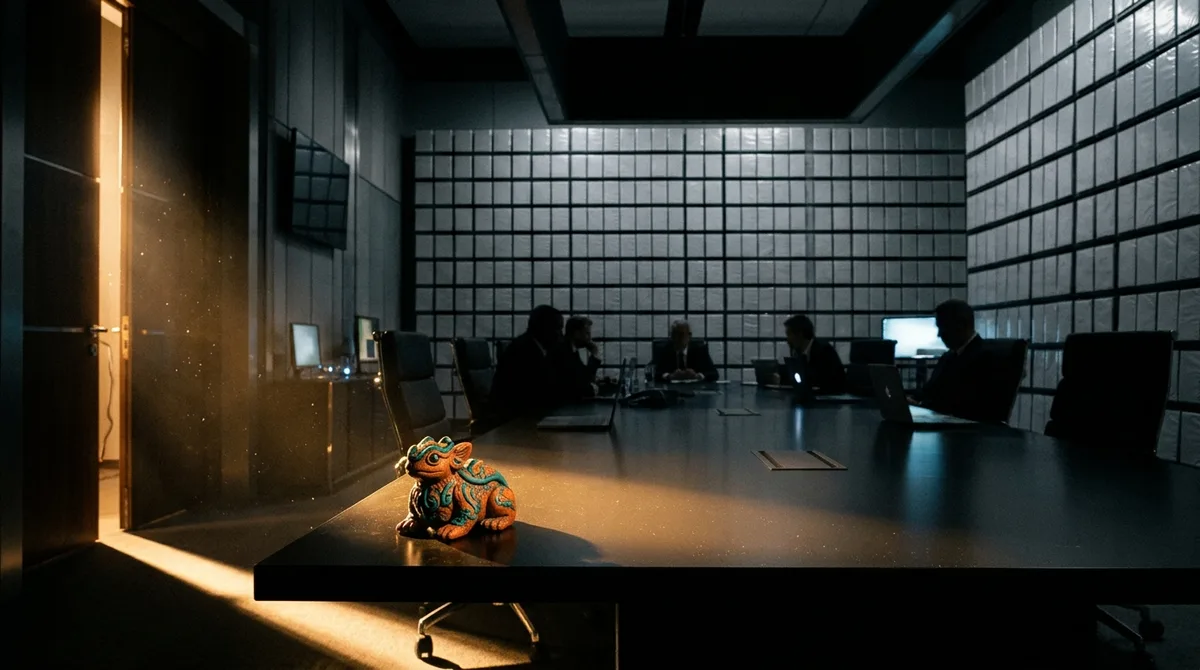
Big budgets don’t make games better on their own. They make failure expensive, and expensive failure makes everyone nervous. When a project costs as much as a small city’s infrastructure, every decision starts to look like a referendum on someone’s career.
The bigger the budget, the less tolerance a publisher has for an unknown name. A new property has to convince a room of executives that strangers will pay full price for a game called something nobody has heard of. A sequel only has to convince them that the last one sold. Guess which pitch gets approved faster.
Time makes it worse. A large game can spend years in development, and every one of those years carries salaries, studio rent, and a launch date that keeps getting closer. Studios with that much runway lean on established brands because the brand is the one part of the project that can’t wander off in year three. Nobody wants to explain at a quarterly meeting why the new idea is still “almost there.”
Then come the approval layers. Milestone reviews, marketing sign-offs, finance checks, and someone whose whole job is asking what comparable games sold. Each layer asks the same question: what’s the safest version of this? By the time the idea clears all those desks, the strange edges have been sanded off.
The blame doesn’t belong to a few villains in suits. Most people in those meetings are trying to keep their jobs and their studios alive. The problem is the spreadsheet logic, which rewards predictability, punishes surprises, and treats a risky idea like a liability on the balance sheet.
Risk-aversion is a system choice, not an accident. Nobody sat down and decided originality was bad. They built a machine where a new idea has to survive a long gauntlet of gates, then acted surprised when the odd ones came from small teams with nothing to lose but a rent check.
What Original IP Needs to Break Out
The first test is quick and brutal: can someone who has never heard of your game explain it after one trailer? Not a vibe, not a mood piece with slow piano. A hook is one sentence a friend could repeat without checking Google. If the trailer needs a 20-minute video essay to make sense, the game is already in trouble.
Here’s the checklist we’d want to see in every original pitch:
- A hook one friend can repeat after a single trailer.
- A price that matches how much faith an unknown name has earned.
- An identity you can spot from one screenshot.
- Real gameplay on screen instead of fog, slow motion, and a logo reveal.
Price is where most originals either earn trust or burn it. An unknown name is asking for a leap, so the price should feel like a small step. If your game looks like a triple-A blockbuster but plays like a side project, players will figure that out in the first hour, and the reviews will say so.
Identity means the game doesn’t need a famous logo to feel worth trying. Copyright arises automatically when original expression is fixed, and it doesn’t protect the idea itself. A U.S. copyright owner generally needs registration before suing for infringement, and the U.S. Copyright Office lists $45 or $65 for an electronic application, depending on the work.
A trademark on the title is a separate and pricier job. The base filing fee is $350 per class of goods or services, and registration usually takes 12 to 18 months, with no guarantee it happens at all. A studio that has to wait that long can’t afford to name its game after a placeholder.
Honest marketing is the cheapest trust you can buy. The ESRB’s process for physical games already relies on gameplay video, reviewed by at least three trained raters, as part of its rating process. If the system needs real footage to judge a game, a trailer built entirely from atmosphere is hiding something. Show the combat, the menus, the janky bits. Players can forgive a rough edge. They don’t forgive being sold a dream and handed a different game.
Finding Your Next Original Favorite
Your next original favorite is probably sitting on a store page with a price under $20 and a trailer that doesn’t show much. Pick one. Play it for two hours before you judge it, and give it a real chance to get weird.
Check the trailer first. If it’s all fog, slow piano, and a logo reveal, skip it. If you can see the combat, the menus, and a few rough edges, that’s a studio that isn’t hiding anything. Rough edges are fine. Being sold a different game is not.
Then check the reviews from people who actually played it past the first hour. Look for complaints that repeat, like frame drops or a boring midgame. One angry review means nothing, but ten people saying the same thing is data.
If you want a shortcut, start with our verdicts on what’s worth playing and what’s worth uninstalling. We don’t care whose logo is on the box.
Last, keep a short list of originals you’ve tried. When a sequel comes out with a huge marketing push, check that list first. You’ll notice quickly which names earned your time and which ones only earned a trailer.