The AAA gaming industry is a bloated, uninspired mess of microtransactions and broken launch-day promises. That is exactly why I spend my time looking elsewhere. While massive studios figure out how to charge seventy bucks for a main menu, smaller developers are quietly hoarding nearly half of the PC market’s entire revenue. Sifting through the eight thousand titles that dropped last year to find the actual gems is exhausting. But the current lineup of anticipated indie games proves the effort is absolutely worth it.
We aren’t just talking about another wave of pretentious pixel-art platformers with depressing storylines, either. The modern indie scene is a multi-billion dollar juggernaut pumping out genuine innovation while the industry giants safely remake the same tired sequels. I’ve suffered through enough broken early-access survival crafters to know what smells like a lazy cash grab. I only care about the projects that actually respect your time. These upcoming releases are fully poised to embarrass traditional blockbusters this year.
Key Takeaways
- Independent games are dominating the PC market by offering genuine innovation and respecting players’ time, far outshining bloated, seventy-dollar AAA titles filled with microtransactions.
- Upcoming indie sequels like Hollow Knight: Silksong and Slay the Spire 2 prove that flawless gameplay loops and meticulous design easily outperform hyper-realistic graphics and live-service models.
- The cozy game boom, led by highly anticipated titles like Haunted Chocolatier, provides complete, relaxing experiences without the manipulative daily chores of corporate gaming.
- Stop pre-ordering broken big-budget games and start wishlisting innovative indie titles from passionate developers who prioritize actual fun over corporate greed.
The Mythical Hollow Knight Silksong Release
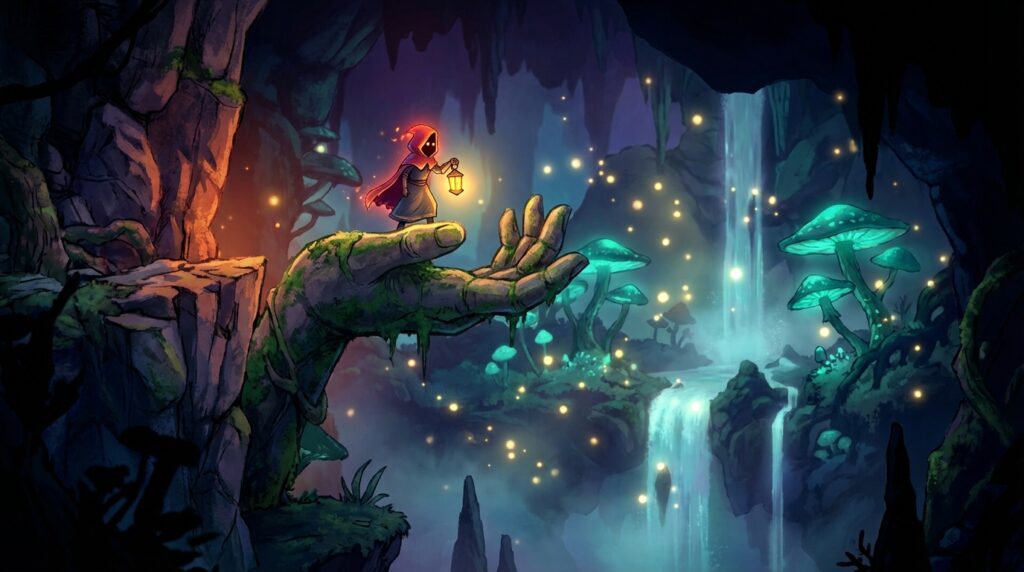
I have aged a literal decade waiting for the developers to finally release Hollow Knight Silksong. The sheer anticipation is the only thing keeping me going in a sea of bloated gaming garbage. While mega-publishers cram pointless skill trees and predatory microtransactions into yet another soulless open world, a tiny independent studio is quietly crafting a masterpiece. We are all thoroughly exhausted by big-budget titles demanding seventy dollars for the privilege of beta-testing broken code. The indie market is experiencing a historic surge that rivals massive corporations because players are desperate for games that actually respect their time. Silksong stands as the ultimate beacon of hope for anyone tired of endless map markers and lazy fetch quests.
When Hornet finally swings onto our screens, her arrival is going to absolutely humiliate every modern big-budget platformer on the market. The studio understands that tight controls and brilliant level design matter infinitely more than photorealistic sweat physics or celebrity voice cameos. You will not find a forced multiplayer mode or a seasonal battle pass attached to this beautifully crafted adventure. Instead, we get an expansive, meticulously designed world that actually rewards exploration with meaningful secrets rather than generic crafting materials. The gaming industry expects us to blindly settle for mediocrity. This highly anticipated sequel is going to prove exactly why indie developers are dominating the revenue charts.
Anyone who has spent a weekend trying to string together a combo in a bloated action game knows how quickly the fun drains out of it. Hornet’s combat looks like the opposite of that. Judging by the studio’s track record, every jump, slash, and dodge should be designed by someone who actually plays games, which is rare enough these days to be worth shouting about. If the controls end up this precise, the difficulty becomes a challenge you chose to face rather than a wall built to pad your playtime.
Slay The Spire 2 And Deckbuilding Dominance
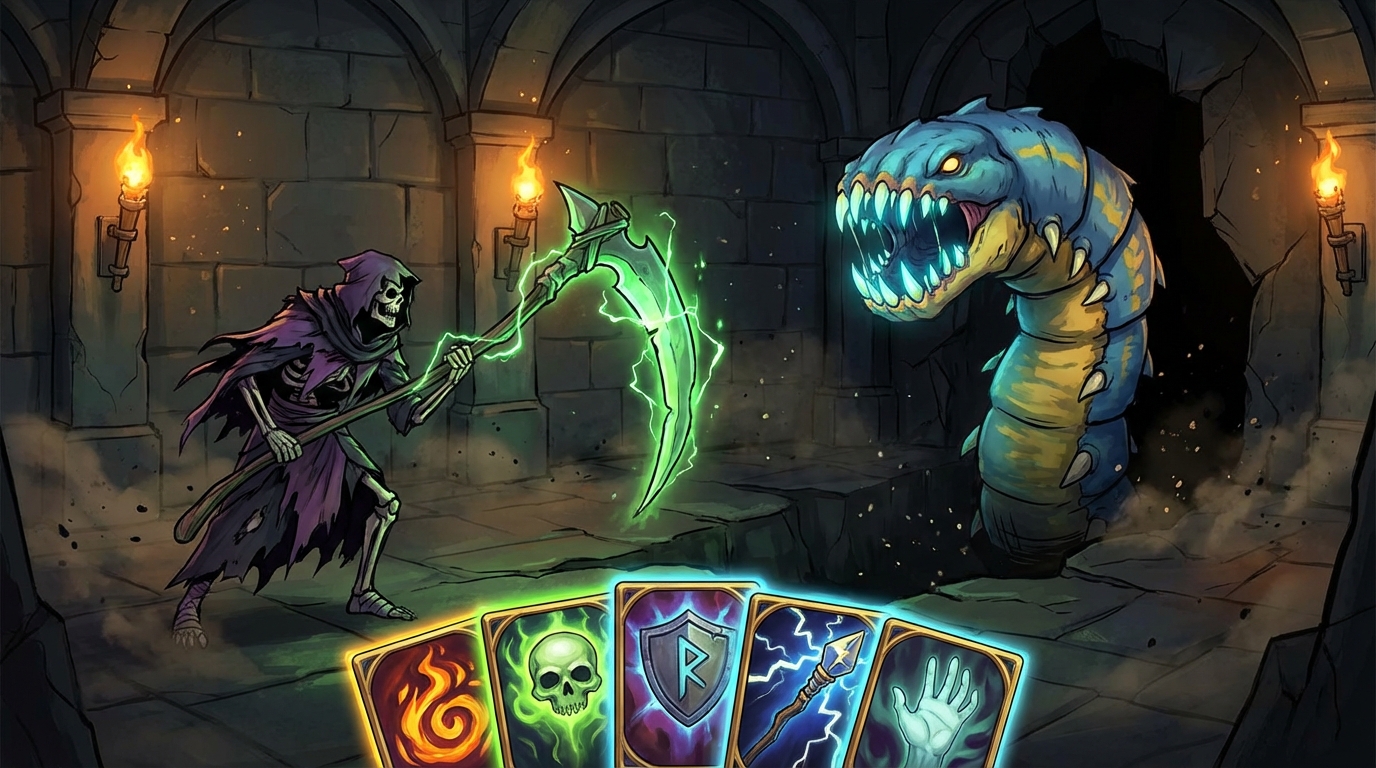
I am officially exhausted by bloated seventy-dollar games that demand hundreds of hours of my life just to unlock a slightly shinier pair of boots. While massive publishers stuff their titles with mandatory online check-ins and soulless microtransactions, independent studios are quietly taking over the industry. The indie market is generating nearly half of all full-game revenue on major PC storefronts because these creators actually remember how to innovate. Nowhere is this creative dominance more obvious than in the roguelike deckbuilding genre, a highly addictive space that indie developers completely own. You do not need a massive development team to create a masterpiece when you have brilliant mechanics that keep players coming back for just one more run.
The price tag matters here too. A good indie deckbuilder tends to cost far less than a typical seventy dollar release, and the value comes from the replay loop rather than a pile of cosmetics. Compare that with a regular premium release that asks you to pay full price and then pay again for a season pass. You are buying hours you will actually spend thinking about your next card pick, not a slightly shinier pair of boots you will never look at twice.
That brings me to the upcoming release of Slay the Spire 2, easily my most anticipated game of the year. The original title practically invented the modern roguelike deckbuilder, stealing countless hours of sleep from gamers who thought they could quickly beat just one more boss. Now the developers are returning to reclaim the throne they built, and the hype surrounding this sequel is absolutely justified. Instead of slapping a new coat of paint on the exact same game, they are introducing entirely new character classes and overhauling the core engine. It is a perfect example of why indie sequels actually work. The creators care more about refining a flawless gameplay loop than selling you a seasonal battle pass.
We are living in a golden age for independent games where titles like this easily outshine bloated budget monsters. When Slay the Spire 2 finally launches, it will completely consume my free time and remind everyone why gameplay always beats hyper-realistic graphics. Independent developers understand that a truly great game respects your intelligence while simultaneously making you want to waste all your free time. If you are tired of playing the exact same open-world slog fest over and over again, keep your eyes glued to this upcoming deckbuilder. It is guaranteed to ruin your sleep schedule, and I absolutely cannot wait to play it.
Haunted Chocolatier And The Cozy Game Boom
I am entirely sick of mainstream titles that treat my free time like an unpaid internship. While massive studios cram another premium battle pass into a broken release, the indie scene is quietly taking over the industry. The numbers do not lie. Indie games generated nearly half of all full-game revenue on major digital storefronts recently, and the sector is projected to hit a massive ten billion dollars by 2031. Players are abandoning those live-service second jobs in droves to play games that actually respect their time. This massive shift is exactly why the upcoming wave of indie life simulators is generating more hype than most big-budget sequels.
The undisputed king of this upcoming cozy renaissance is easily Haunted Chocolatier. The developer already proved they know exactly how to craft an addictive loop that feels rewarding instead of manipulative. Now they are trading farming for running a supernatural dessert shop, and I am entirely ready to hand over another thousand hours of my life to the cause. What makes this upcoming title so appealing is the promise of a complete, polished experience right out of the digital box. You will not have to pay a monthly subscription just to unlock a slightly different color of virtual chocolate.
This highly anticipated release is just the spearhead of a massive cozy game boom saving us from corporate gaming fatigue. With over eight thousand indie games launching last year alone, developers are finally realizing that we just want to relax and build a virtual life without checking off daily login rewards. These upcoming indie life sims provide actual, unfiltered joy instead of feeling like a mandatory chore list designed by a board of directors. It is incredibly refreshing to see smaller studios innovating and capturing massive market share while big publishers scratch their heads in total confusion. If you want a game that actually remembers games are supposed to be fun, keep your eyes glued to the indie release calendar.
Upcoming Indies That Aren’t $70 Broken Garbage
You are probably exhausted by bloated corporate titles that demand seventy dollars for a broken, bug-infested mess. The industry giants keep pushing out the same tired sequels with a fresh coat of microtransaction paint, while independent developers are out here doing the actual heavy lifting. The numbers absolutely back this up, considering indie games now make up nearly half of all full-game revenue across major PC platforms. Players are finally waking up and realizing that a passionate team of five people can easily outshine a mega-studio with a billion-dollar budget.
It is time to permanently break the endless cycle of gaming disappointment. Stop pre-ordering digital deluxe editions of games that will inevitably require a massive day-one patch just to run at thirty frames per second. Instead of throwing your hard-earned cash into the bottomless pit of corporate greed, wishlist the independent titles we just talked about. Mark your calendar for October, because the indie release schedule is packed and your wallet deserves a plan. These smaller studios are the ones taking actual creative risks and genuinely respecting your time as a player. Do yourself a massive favor and start supporting the creators who still remember that video games are actually supposed to be fun.
With over eight thousand independent games launching just last year, you have absolutely zero excuses left to play bad games. There is a massive universe of brilliant, weird, and innovative titles waiting for you to discover them. You just have to look past the flashy marketing campaigns of the big publishers to find the real gems. Keep your wallet closed when the next generic shooter drops, and load up your digital wishlist instead. Your gaming sanity and your bank account will both sincerely thank you.
Fantasy RPGs And Action Games Worth Your Purchase
Fantasy is where indie developers really get to flex. Without a board of directors demanding a cinematic trailer every quarter, small teams can build strange, specific worlds that feel handcrafted from top to bottom. The indie RPG scene is full of games that treat your character build as the story, rewarding experimentation instead of locking every good ability behind a grind wall. If you have ever wondered whether a fantasy adventure can hold your attention without a 200-hour checklist, the answer is yes, and it is usually coming from a studio with fewer employees than the average AAA marketing department.
The action side of the genre is just as strong. Fast, responsive combat is the one thing you cannot fake with a bigger budget. Developers who obsess over frame timing and hitbox feel tend to make games that stay in your head long after you have closed them. When an action RPG gets its core loop right, it does not need a battle pass, a loot box, or a live-service roadmap to keep you playing. It needs one more boss, one more dungeon, and one more excuse to say “I’ll just try one more run” before bed.
Frequently Asked Questions
1. Why should I care about indie games when massive AAA titles are dropping every month?
Because those massive AAA titles are mostly just seventy dollar loading screens packed with microtransactions. I am entirely sick of paying top dollar to beta test broken code for greedy mega publishers. Indie games are actually pumping out genuine innovation and respecting your time instead of treating your wallet like a piñata.
2. Are all indie games just depressing pixel art platformers?
Absolutely not. While there is definitely a mountain of pretentious pixel art out there, the modern indie scene is a multi billion dollar juggernaut. Thousands of titles launch every year, so the sorting is the hard part, and the upcoming lineup is packed with real innovation that will easily embarrass traditional blockbusters. The best of these projects were developed by small, focused teams with a clear vision, which is exactly why they are so promising.
3. How do you know which indie games are actually worth playing?
I have suffered through enough broken early access survival crafters to instantly recognize a lazy cash grab. I look for projects from developers who actually respect your time instead of padding their games with endless map markers. If a game looks like a soulless clone meant to milk your wallet, I will tell you to skip it.
4. What is the deal with Hollow Knight Silksong?
I have aged a literal decade waiting for the developers to release this game, and it is the ultimate beacon of hope in a sea of gaming garbage. It is a masterclass in game design being crafted by a tiny studio while big publishers are busy making lazy fetch quests. The sheer anticipation for this masterpiece is entirely justified.
5. Why are indie games suddenly making so much money?
Because players are finally exhausted by big budget titles that demand premium prices for broken promises. Smaller developers are quietly hoarding almost half of the PC market’s revenue by simply delivering finished games that are actually fun to play. It turns out that giving gamers real innovation instead of predatory microtransactions is a fantastic business model. A fair price for a complete game beats a regular premium price tag attached to a half-finished one every single time.
6. Should I completely stop buying AAA games?
You can do whatever you want with your money, but I highly recommend raising your standards. If a massive studio wants to charge you seventy bucks for a recycled sequel with a pointless skill tree, let them starve. Spend your cash on the upcoming indie releases that are poised to completely embarrass those lazy industry giants.
7. How do I avoid lazy early access cash grabs?
Stick around here, because I will absolutely call out the garbage so you do not have to accidentally buy it. The trick is to ignore the hype and look for developers who actually deliver on their promises instead of selling you a roadmap. If a game smells like a scam built on broken code, I will loudly tell you to uninstall it.