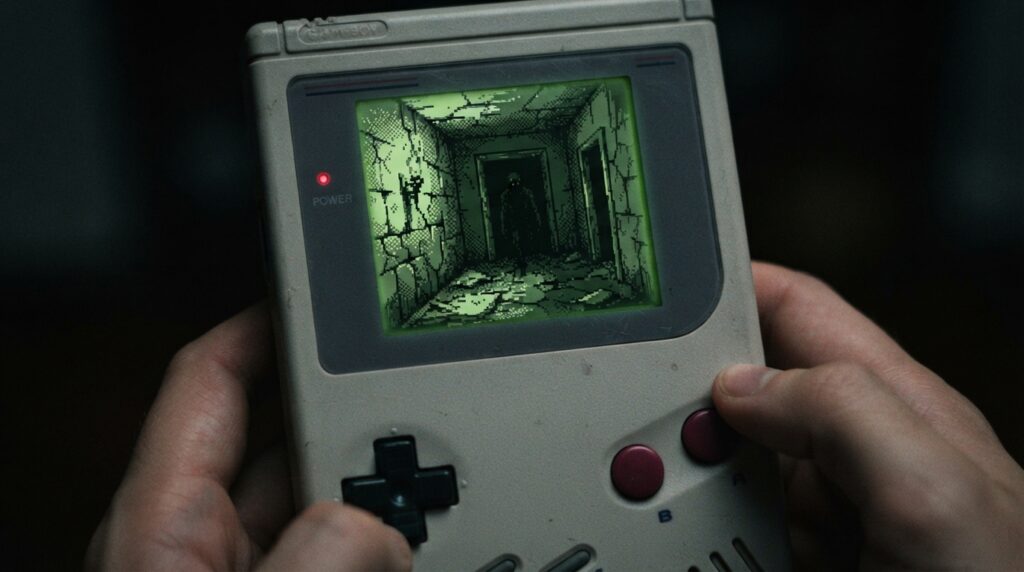
Game Boy horror games are a strange little genre. The hardware had more gray pixels than genuine scares, yet developers still managed to squeeze dread out of four shades of green. The official library is thin, with Resident Evil Gaiden standing as the obvious heavyweight while Shadowgate Classic and Castlevania: The Adventure lurk around the horror-adjacent edges. This is less a crowded cemetery and more a tiny graveyard with surprisingly good atmosphere.
The real surprise arrives when cancelled projects and modern homebrew enter the picture. A near-final Resident Evil port for Game Boy Color, reportedly about 98% complete, finally surfaced in late 2025. It proved that the little handheld could handle far more than awkward licensed action games and cheerful platforming. I’m separating genuine nightmares from games that merely wear a spooky cape, because “dark castle” does not automatically mean horror.
Key Takeaways
- The official Game Boy horror library is small, with Resident Evil Gaiden as the closest true survival-horror experience. Its exploration and resource management are compelling, but awkward combat, pacing, and story make it more of a historical curiosity than a genuine scare-fest.
- Shadowgate Classic delivers the strongest tension through traps, puzzles, fragile resources, and meaningful failure, while Castlevania: The Adventure and similar titles provide gothic atmosphere without being true horror games.
- The near-final, reportedly 98%-complete Game Boy Color port of Resident Evil, preserved and released in December 2025, offers a far more faithful handheld survival-horror design built around mansion exploration, puzzles, combat, and resource anxiety.
- Modern homebrew is where Game Boy horror is thriving, with games such as Deadeus proving that monochrome graphics, limited sound, and original hardware can create effective scares rather than merely imitate them.
Introduction To Game Boy Horror
Game Boy horror games have always been a slightly ridiculous proposition. The hardware had a tiny screen, muddy sound, and enough gray pixels to make a zombie look like an angry loaf of bread. Still, developers tried to squeeze haunted mansions, monsters, and survival horror into cartridges that could barely hold a decent family tree. The original licensed library produced very few genuine horror experiences, with Resident Evil Gaiden on Game Boy Color standing as the obvious heavyweight. It is clunky, strange, and absolutely worth examining because it tries to create dread instead of simply adding bats to the box art.
Most other candidates wear a spooky cape over a fundamentally different game. Shadowgate Classic delivers grim fantasy and deadly puzzles, while Castlevania: The Adventure brings Gothic atmosphere and monster-slaying action. Neither is survival horror in the modern sense. The cancelled Game Boy Color port of Resident Evil is the more fascinating case, offering a much closer handheld version of the mansion-crawling formula before its near-final build was preserved and made available in December 2025. That leaves us with a useful rule for this list: foggy castles and skeletons count as horror flavor, but genuine tension, vulnerable characters, and the nagging feeling that the next room will ruin my evening get the real prize.
Resident Evil Gaiden’s Pixelated Terror
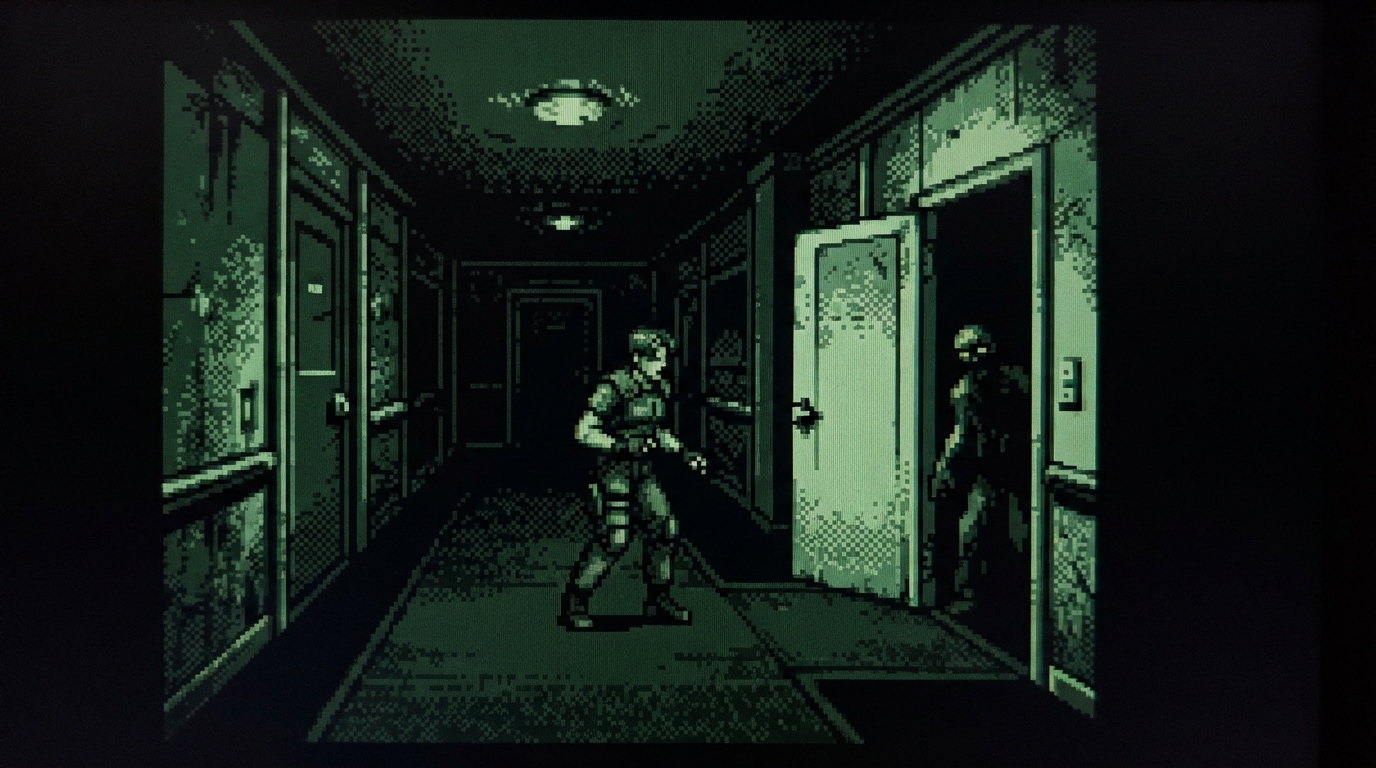
Resident Evil Gaiden is the Game Boy Color’s biggest official swing at horror, which is both impressive and slightly alarming. Released in 2001, it replaces the usual fixed-camera tension with top-down exploration, letting me steer Barry Burton through the passenger ship Starlight while zombies lurk around corners like unpaid security guards. The story is gloriously strange, involving a supposedly destroyed virus, a missing Leon Kennedy, and enough secret-agency nonsense to make a corkboard cry. It wants to be a serious side story, but the tiny screen and compressed presentation give every dramatic revelation the energy of a particularly grim toaster manual.
Combat switches to a first-person view, where enemies slide along a timing bar and I press the button when the targeting marker lines up. It is a clever attempt to recreate aiming without a stick, but it feels less like surviving a monster attack and more like completing a haunted rhythm-game tutorial. Exploration has the better ideas, with locked doors, item hunting, backtracking, and limited resources creating a recognizable survival-horror skeleton. Unfortunately, the game keeps stuffing that skeleton into compromises, from repetitive fights to awkward navigation and a story that takes itself far more seriously than the hardware can support.
I cannot honestly call Resident Evil Gaiden a hidden gem, but I also refuse to label it worthless. Its top-down roaming and first-person combat are inventive, and the sheer audacity of putting a new horror adventure on a color handheld deserves some credit. Still, the controls, pacing, and bizarre narrative make it feel like a survival-horror crime scene with the evidence bagged incorrectly. My verdict is simple: play it for historical curiosity and strange handheld design, not for scares, and definitely not because the title promises the full Resident Evil experience.
Shadowgate And Gothic Alternatives
Shadowgate Classic is one of the few Game Boy adventures that understands horror is more than painting everything black and adding a bat. Its haunted castle is built around fragile resources, nasty traps, cryptic puzzles, and the constant suspicion that the next screen exists solely to murder me for being curious. The writing gives every torch and locked door a little menace, even when the monochrome graphics make the villain look like a particularly angry postage stamp. It creates genuine tension because failure feels earned, which is more than I can say for many games that simply fling monsters at the screen and declare victory.
Castlevania: The Adventure delivers the expected gothic package, complete with castles, vampires, skeletons, grim music, and controls that sometimes seem to be fighting on Dracula’s side. The atmosphere is effective, but the horror comes mostly from oppressive level design and limited movement rather than fear, since the game is fundamentally a difficult action-platformer. Other licensed dark games such as Alien 3 and The Addams Family bring creepy imagery and recognizable monsters, but they are action games wearing horror costumes. I enjoy them, but calling a screen full of bats “psychological terror” is generous, even by Game Boy standards.
Resident Evil Gaiden is the closest official Game Boy Color release to a proper survival-horror experience, with exploration, ammunition management, gloomy locations, and enemies that are genuinely interested in ruining my evening. Its unusual combat system and awkward perspective keep it from matching the tension of the console games, but at least it tries to make danger feel like a problem instead of decorative wallpaper. The later preservation of the nearly finished cancelled Game Boy Color port of Resident Evil also shows how badly this library wanted a more faithful horror game. Until then, Shadowgate supplied the dread, Castlevania supplied the gothic furniture, and everything else mostly supplied bats.
The Cancelled Resident Evil Port
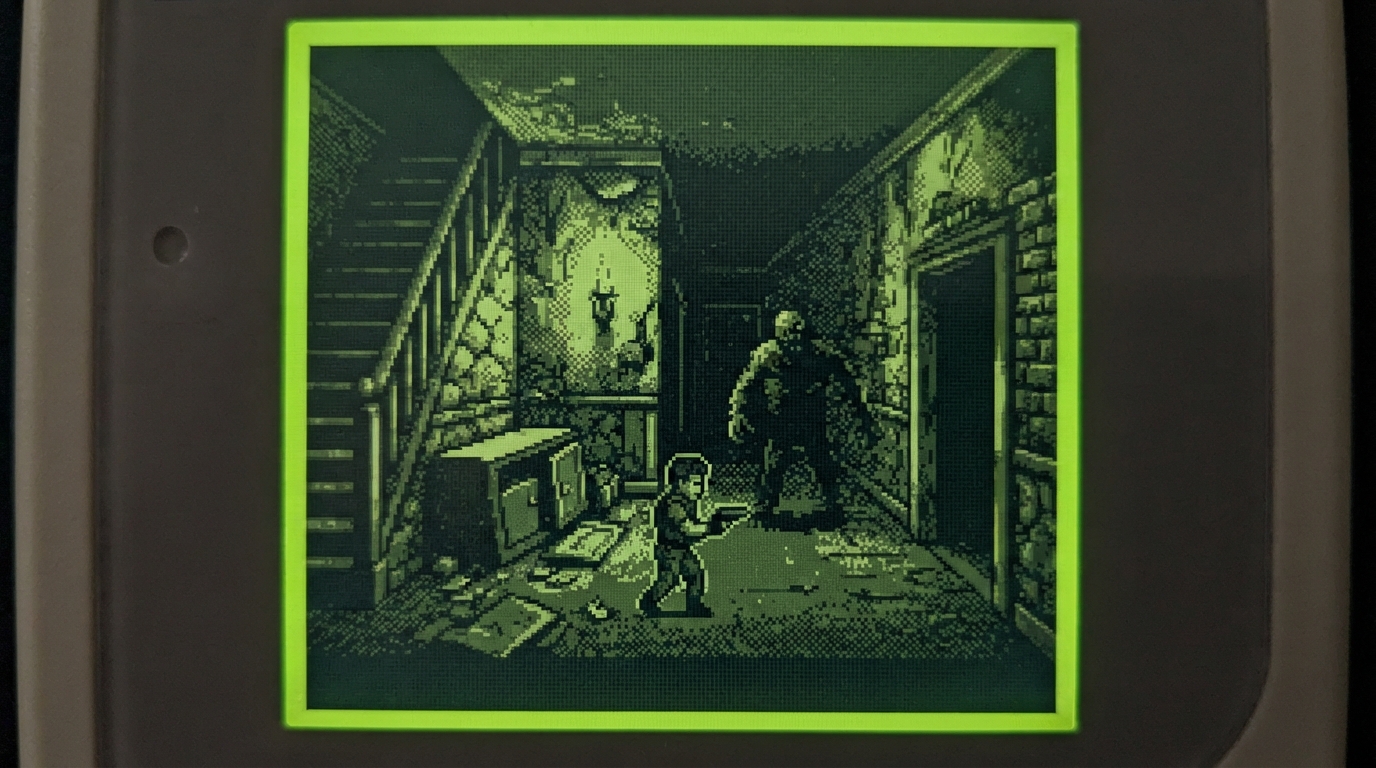
The cancelled Resident Evil port is the Game Boy Color horror game that got away. Reportedly around 98% complete, it attempted to squeeze the original’s survival-horror formula into hardware better known for falling blocks and battery warnings. The build preserves exploration, combat, puzzles, item management, and the constant pressure of limited resources, rather than reducing the experience to a disposable action spin-off. That structure matters, because horror needs vulnerability, and nothing says vulnerable like facing zombies on a screen the size of a postage stamp.
The technical ambition is ridiculous in the best possible way. The developers aimed to recreate the mansion’s labyrinthine progression and oppressive mood with tiny sprites, restricted color, compact environments, and hardware that was never designed to make anyone uncomfortable. It was not simply Resident Evil wearing a Game Boy Color costume, either. The port had to redesign rooms, enemies, inventory, and navigation around severe memory and performance limits. I have seen modern games with vastly more power deliver less atmosphere, which is both impressive and a little embarrassing for the industry.
Preserved and released in December 2025, the near-final build finally gives this lost experiment a fair hearing. Resident Evil Gaiden remains the official Game Boy Color release, but its more action-focused design does not capture the slow-burn survival-horror tension fans expected. The cancelled version feels closer to the series’ actual DNA, with exploration and resource anxiety doing the heavy lifting instead of simply throwing enemies at the player. It may look rough around the edges, but I would take an unfinished mansion full of bad decisions over a polished cartridge that forgets to be scary.
Modern Game Boy Horror Homebrew
The original Game Boy library was not exactly overflowing with horror, unless you count getting lost in a menu as psychological terror. Resident Evil Gaiden remains the obvious standout on Game Boy Color, while Shadowgate Classic, Gothic adventures, and horror-themed action games mostly circled the genre without fully committing. Modern homebrew is finally correcting that embarrassing gap. Developers using accessible creation tools are building original scares such as Deadeus, along with demakes that squeeze familiar survival-horror ideas into tiny monochrome worlds.
The appeal is not just novelty, either. These games are released as downloadable .gb or .gbc ROMs, so I can run them in an emulator, load them onto a compatible flash cart, or play them on original hardware without turning the experience into a museum exhibit. Accessible development tools give small teams a practical way to create exploration, puzzles, eerie sound design, and sudden pixel-based unpleasantness without needing a giant budget or a publisher with the risk tolerance of a damp napkin. The limitations become part of the fear, because a flickering handful of pixels can leave more to the imagination than a modern monster rendered with enough detail to count its pores.
Interest has also been boosted by preservation efforts, including the near-final cancelled Game Boy Color port of Resident Evil, estimated by its developer at roughly 98 percent complete and made available in December 2025. That build shows the hardware was capable of a much more faithful survival-horror experience than its official catalogue usually suggested. Modern developers are not waiting for permission to fill the gap, and they understand that cramped screens, limited colors, and crunchy audio are not obstacles when the design is sharp. The result is a growing library that proves the Game Boy did not need better graphics to be scary. It needed developers willing to make the darkness count.
Game Boy Horror Games Verdict
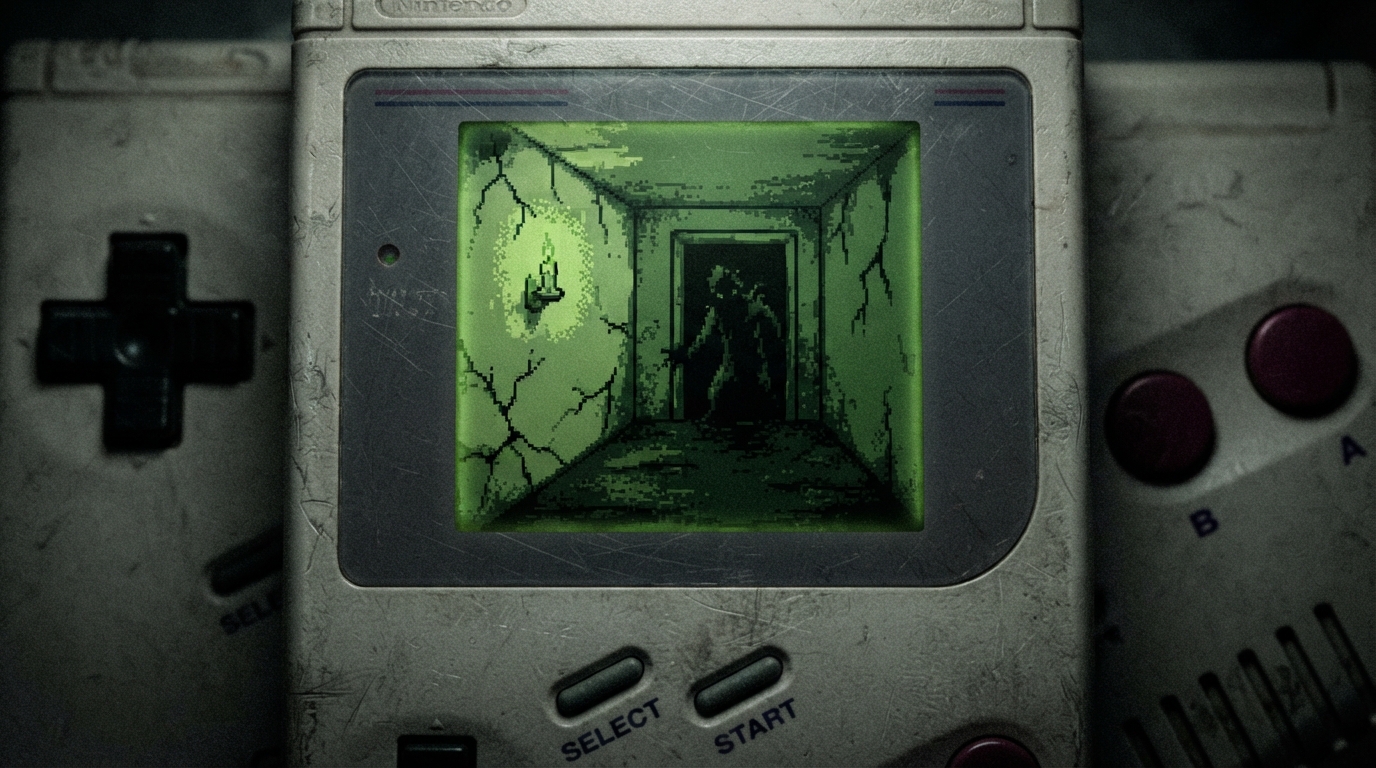
The verdict on official Game Boy horror games is brutally short: play Resident Evil Gaiden, then approach the rest with lowered expectations and a packed lunch. Its top-down exploration, first-person battles, gloomy soundtrack, and suitably ridiculous Resident Evil plot make it the closest thing the licensed library has to genuine portable horror. Shadowgate Classic is worth a look if you enjoy punishing adventure-game logic, while Castlevania: The Adventure delivers gothic monsters rather than sustained terror. Most other candidates are horror-flavored action games wearing a spooky hat, which is not the same thing as fear.
The cancelled Game Boy Color port of Resident Evil is the essential curiosity, even though it never reached store shelves. A near-final preservation build, reportedly around 98 percent complete according to its developer, became available in December 2025, revealing a surprisingly faithful attempt at squeezing survival horror onto the tiny handheld. It is rough around the edges, naturally, but the cramped exploration, item management, and deliberate pacing show far more ambition than many finished cartridges. If you want to understand what Game Boy horror could have been, this is the cartridge-shaped ghost story to investigate.
Modern homebrew is where the format finally stops apologizing for its limitations. Deadeus is the standout recommendation, using chunky monochrome visuals, exploration, multiple endings, and unsettling sound design to create a genuinely nasty little horror experience on original Game Boy hardware. Other homebrew projects are worth sampling, but quality varies wildly, and some feel like tech demos that discovered the word “haunted” five minutes before release. Start with Deadeus, play Resident Evil Gaiden, try the preserved Resident Evil port, and only then wander into the deeper homebrew swamp. Anything else risks turning your emulator into a digital landfill.
Game Boy Horror: Small Library, Big Nightmares
Game Boy horror games are a wonderfully strange corner of retro gaming, mostly because the hardware seems better suited to cheerful platforming than psychological trauma. The original licensed library had very few true horror titles, with Resident Evil Gaiden standing as the obvious standout on Game Boy Color. Shadowgate Classic brings gloomy adventure-game dread, while Castlevania: The Adventure delivers gothic monsters with all the subtlety of a bat to the face. These games prove that terror does not require cinematic graphics, although a screen larger than a postage stamp would have helped.
The biggest curiosity is the cancelled Game Boy Color port of Resident Evil, a near-final project that reportedly reached about 98 percent completion before disappearing into development limbo. Its preservation in December 2025 gives curious players a better look at the survival-horror experience the system nearly received. Modern homebrew also keeps the format alive, with new .gb and .gbc games showing that monochrome limitations can inspire clever design rather than excuses. I would not call the Game Boy a horror powerhouse, but its best games turn tiny screens, crunchy sound, and severe technical limits into surprisingly effective nightmares.