We live in a bizarre timeline. A multi-billion dollar market exists solely to sell us shiny new hardware to play games from thirty years ago. While everyone else drools over the latest overpriced emulation brick, I am digging through the graveyard of gaming history. I want to unearth the forgotten handheld consoles that time, and basic quality control, mercilessly left behind. Before a few massive gaming juggernauts established a ruthless monopoly on our childhood road trips, the market was flooded with bizarre plastic rectangles. They all spectacularly failed to win our allowance money.
Some of these historical missteps were battery-guzzling monstrosities that required their own zip code. Others featured hardware that pleased absolutely no one. I have zero nostalgia for these doomed gadgets. Dissecting their spectacular failures is infinitely more entertaining than pretending the modern gaming industry is not just recycling the same five ideas. Blowing the thick layer of dust off these tragic pieces of retro tech reveals exactly why they were rightfully banished to the clearance bins of history.
Key Takeaways
- Forgotten handheld consoles like the N-Gage, Gizmondo, and Game.com failed spectacularly because they prioritized bizarre gimmicks over actually playable games.
- Terrible user experiences and physical design flaws, such as the N-Gage’s battery-blocked cartridge slot and the Game.com’s blurry touchscreen, guaranteed these devices would crash and burn.
- These monumental hardware disasters ultimately benefited the gaming industry by teaching future developers exactly what design traps to avoid when building modern portable consoles.
The N-Gage Side-Talking Taco Phone
I still laugh when I think about the exact moment a certain major phone manufacturer completely lost its mind in 2003. They looked at the booming handheld market and decided the one thing gamers desperately needed was a device shaped exactly like a plastic taco. Instead of holding it like a normal phone, you had to press the thin edge of this monstrosity against your face to make a call. People on the street looked like they were trying to whisper secrets to a deformed piece of Tupperware. It was a masterclass in alienating cell phone users and gamers at the exact same time.
The physical design was just the appetizer for the true nightmare of actually playing a video game. If I wanted to switch from an adventure game to a racing title, I could not just pop a cartridge into a convenient slot. I literally had to turn off the device, pry off the plastic back cover, and physically remove the battery just to access the game card. Nothing screams peak gaming convenience quite like completely disassembling your phone on a crowded public bus. Whoever greenlit this engineering disaster clearly never played a handheld console in their entire life.
Unsurprisingly, the N-Gage crashed and burned spectacularly. The number pad buttons were terribly stiff. The vertical screen layout made absolutely no sense for traditional games. The price tag was absurdly high. Today, the device exists mostly as a hilarious punchline. We can almost appreciate the wild ambition of trying to combine a phone and a console years before modern smartphones made it standard practice. However, I will never forgive the creators for making me perform minor surgery on my electronics just to play a mediocre port of a skateboarding game.
Gizmondo And The Swedish Mafia Car Crash
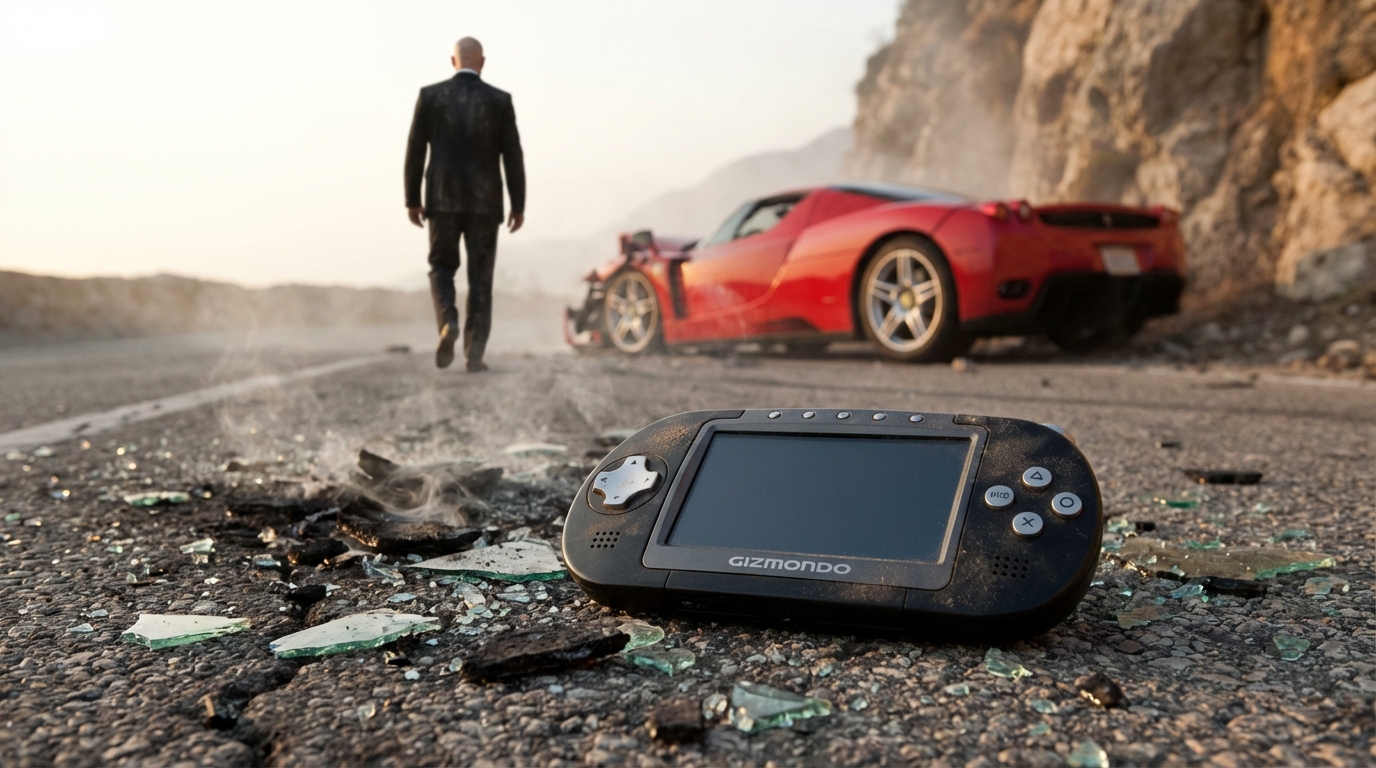
If you want to understand the absolute peak of mid-2000s gaming hubris, look no further than the Gizmondo. I still cannot fathom how a piece of plastic this aggressively terrible ever made it to store shelves. It launched with a price tag that made grown adults weep. The game library was so barren you could hear crickets chirping through its tiny speakers. Instead of giving us actual reasons to play it, the creators shoved in useless GPS features and a bizarre ad-supported pricing model that felt like a bad joke. Nobody actually wanted to play on this overpriced brick. That is probably why its legacy has absolutely nothing to do with video games.
The real entertainment value of the Gizmondo came entirely from its executive board. They apparently doubled as a syndicate for organized crime. In a twist that sounds too stupid for an open-world crime game, one of the executives managed to split a million-dollar exotic supercar clean in half on a Malibu highway. When police arrived at the wreckage, he claimed a mysterious German man named Dietrich was driving and had conveniently fled the scene. It turns out that funneling millions of dollars into a doomed handheld console is a great cover for a Swedish mafia associate. The console itself died a rapid death shortly after. It cemented its status as the only gaming system in history to be outlived by its own criminal rap sheet.
The Game.com Blurry Touchscreen Nightmare
Let me introduce you to the absolute pinnacle of late nineties hubris, the 1997 Game.com. Long before we had smartphones in our pockets, some deluded executives decided gamers desperately needed a chunky monochrome brick with internet access and a stylus. It was pitched as an advanced hybrid device for older players, but it actually felt like a calculator that had a stroke. You were supposed to check your email and play games on a blurry touchscreen that required the visual acuity of a hawk just to navigate the main menu. Instead of feeling like a futuristic trailblazer, this plastic monstrosity served as a harsh reminder. Cramming every possible feature into a cheap handheld is a terrible idea.
The real crime of the Game.com was its software library, specifically its butchered port of a beloved survival horror classic. I still have nightmares about trying to survive a zombie apocalypse on a screen with a refresh rate so abysmal that every moving object left a permanent smear across the display. You could not render a single playable frame without feeling a deep, throbbing pain behind your eyes. The zombies did not look like terrifying undead monsters. They looked like aggressive gray blobs shuffling through a thick fog of pixelated misery. It takes a special kind of incompetence to take one of the greatest games of all time and turn it into an unplayable slideshow that actively damages your vision.
The creators of this device clearly thought they were lightyears ahead of the competition. They completely forgot that video games are supposed to be fun. The touch screen was unresponsive. The internet connectivity required a separate cartridge with a clunky modem. The battery life was comically short. It is no wonder this bizarre little experiment crashed and burned so spectacularly in a market that actually valued playable games. We can look back and laugh at the ambition now. But anyone who actually spent their allowance on this blurry nightmare knows the true meaning of buyer’s remorse. This tragic piece of plastic deserves its spot in the graveyard of forgotten consoles. It serves as a permanent warning to hardware developers everywhere.
Why These Plastic Paperweights Deserved to Fail
Let us be perfectly clear about why these plastic paperweights crashed and burned so spectacularly. They were not misunderstood masterpieces ahead of their time. They were poorly conceived gimmicks slapped together by executives who clearly did not play video games. Devices like the N-Gage and Gizmondo failed because they prioritized bizarre features over actual playable software. Nobody wanted to hold a gaming taco to their ear to make a phone call. Nobody wanted a handheld console that doubled as a sketchy GPS tracker. These hardware manufacturers forgot the one fundamental rule of the gaming industry. You actually need decent games to sell your overpriced hardware.
Yet, I cannot help but feel a strange sense of gratitude for these monumental disasters. Their spectacular failures served as a massive warning sign for future hardware developers about exactly what not to do. Every terrible button layout, proprietary memory card, and battery that died in twenty minutes was a necessary sacrifice on the altar of progress. We owe a very sarcastic thank you to these forgotten handhelds for bravely taking a bullet in the early 2000s so modern portable PCs could eventually live. Without their miserable existence, we might still be playing compromised garbage instead of enjoying actual high-end games on the toilet today.
Frequently Asked Questions
1. Why dig up these failed handheld consoles instead of reviewing modern hardware?
Because the modern gaming industry is just recycling the same five ideas over and over. I have zero nostalgia for these doomed gadgets. Dissecting their spectacular failures is infinitely more entertaining than reviewing another overpriced emulation brick. Watching huge corporations release absolute garbage is a great reminder that money cannot buy common sense.
2. What exactly makes a handheld console a forgotten failure?
It usually involves a lethal cocktail of battery-guzzling hardware, terrible game libraries, and physical designs that please absolutely no one. Before the major gaming juggernauts established their ruthless monopoly, the market was flooded with bizarre plastic rectangles that spectacularly failed to win our allowance money. They were rightfully banished to the clearance bins of history for a very good reason.
3. Why was the N-Gage such a massive disaster?
The manufacturer looked at the booming handheld market in 2003 and decided gamers desperately needed a device shaped exactly like a plastic taco. To make a phone call, you had to press the thin edge of this monstrosity against your face like a total weirdo. It was a masterclass in alienating cell phone users and gamers at the exact same time.
4. Is there any reason to buy these old retro handhelds today?
Absolutely not, unless you have a strange fetish for awful ergonomics and agonizingly bad screens. The retro market exists solely to sell us shiny new hardware to play games from thirty years ago, but these specific consoles belong in a landfill. Save your cash for games that actually function instead of buying a deformed piece of Tupperware.
5. How did you even play games on the N-Gage?
Playing games on the N-Gage was a true nightmare that required more patience than assembling cheap furniture in the dark. If you wanted to switch game cartridges, you literally had to turn off the phone and remove the battery just to access the game slot. It was an astonishingly stupid design choice that proves the designers had zero idea what gamers actually wanted.
6. Why did these weird handhelds fail to compete with the big gaming brands?
They failed because they completely ignored basic quality control and fundamental common sense. While the major gaming juggernauts were releasing games people actually wanted to play on road trips, these oddball manufacturers shoved out bizarre hardware that nobody asked for. You simply cannot beat a ruthless monopoly when your hardware requires its own zip code just to hold the batteries.
7. Should modern companies try to revive these weird console ideas?
I sincerely hope they leave these tragic pieces of retro tech buried in the graveyard of gaming history where they belong. We do not need a modern reboot of a battery-guzzling monstrosity that makes you look like you are whispering secrets to a taco. Let the clearance bins keep their rightful treasures so we can move on to better things.