If you told me a few years ago that the CRPG genre would be thriving instead of rotting in the basement of gaming history, I would have laughed in your face. Yet here we are staring down a 2026 calendar packed with upcoming CRPG releases that actually look like they require a functioning brain to play. We are finally moving past the era of dumbed-down action-RPGs disguised as tactical masterclasses. Instead, we are getting a glorious cocktail of high-profile sequels, massive overhauls of beloved classics, and titles finally clawing their way out of Early Access purgatory.
The first quarter alone is heavy enough to completely shatter your backlog. We have GreedFall II: The Dying World finally ripping off its Early Access training wheels to let you play as a native getting dragged to the colonizers’ continent for a change. Then there is the massive modern overhaul of Dragon Quest VII, proving developers are finally realizing we want our nostalgic classics injected with actual modern conveniences. It is going to be a brutal year for your free time. Frankly, I wouldn’t have it any other way.
Key Takeaways
- The 2026 gaming calendar marks a massive resurgence for the CRPG genre, delivering deep, tactical experiences that reject the modern trend of dumbed-down action-RPGs.
- Solasta II offers an unapologetically hardcore, grid-based tactical experience that strictly adheres to tabletop rules and heavily punishes strategic mistakes.
- Despite being a roguelike deckbuilder, Slay the Spire 2 provides deeper character progression and consequence-heavy tactical choices than most bloated big-budget RPGs.
- Protect your gaming budget by investing in polished, modernized classics like Dragon Quest VII on day one, while waiting for a deep sale on potentially janky titles like GreedFall II.
Solasta II Brings Real Tactical Combat Back
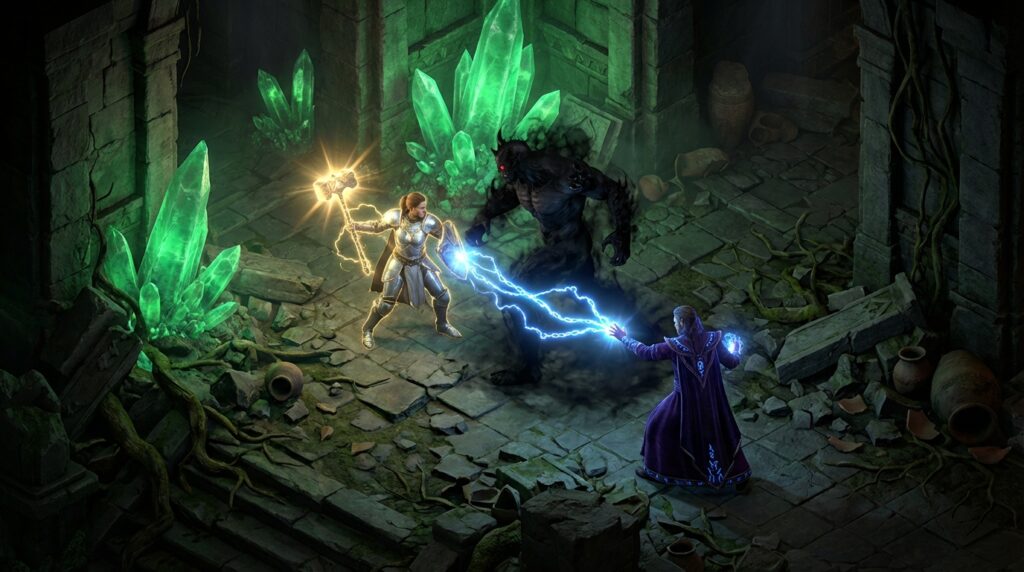
I am genuinely thrilled to report that the upcoming release of Solasta II is looking like a massive middle finger to the modern trend of dumbed-down roleplaying games. If you are the kind of hardcore tabletop nerd who actually reads the rulebook instead of just looking at the pictures, you should be salivating right now. This faithful sequel completely ignores the industry obsession with making every game accessible to someone playing with half their brain turned off. Instead of holding your hand, it happily hands you a rusty sword and kicks you directly into a pit of angry goblins. We finally have a grid-based tactical experience that respects our intelligence and demands actual strategy to survive.
The developers clearly understood that real tactical combat requires strict rules and punishing consequences for stupid mistakes. Every single movement on the grid matters. Miscalculating your spell range will absolutely get your entire party slaughtered in record time. Modern titles love to let you fudge the numbers to feel like a hero, but Solasta II fully embraces the glorious brutality of a bad dice roll. You will spend hours agonizing over positioning, cover mechanics, and verticality just to scrape by in a random encounter. It is a beautifully frustrating reminder of why the isometric CRPG genre earned its dedicated fanbase in the first place.
Looking at the crowded release schedule of upcoming CRPGs, this title stands out purely because it refuses to compromise its vision. I am sick of games that practically play themselves while pretending to offer deep tactical choices. Solasta II strips away the cinematic fluff and delivers pure, unfiltered tabletop mechanics straight to your monitor. If you want a casual story mode where your choices do not matter, you should probably look elsewhere and save yourself the tears. For the rest of us masochists who actually want to earn our victories, this is easily one of the most essential games to watch.
That rules-first approach also gives Solasta II a clear identity in a year full of RPGs. The best tactical systems do not just make combat harder. They give you useful information, then let you decide whether to do something clever with it or spectacularly ruin your afternoon. The difference between a strategic defeat and a cheap one is whether you can understand what went wrong. If the game communicates its rules well, every missed attack becomes a lesson instead of a reason to blame the dice, the mouse, and possibly the moon.
GreedFall II And The Dying World Prequel
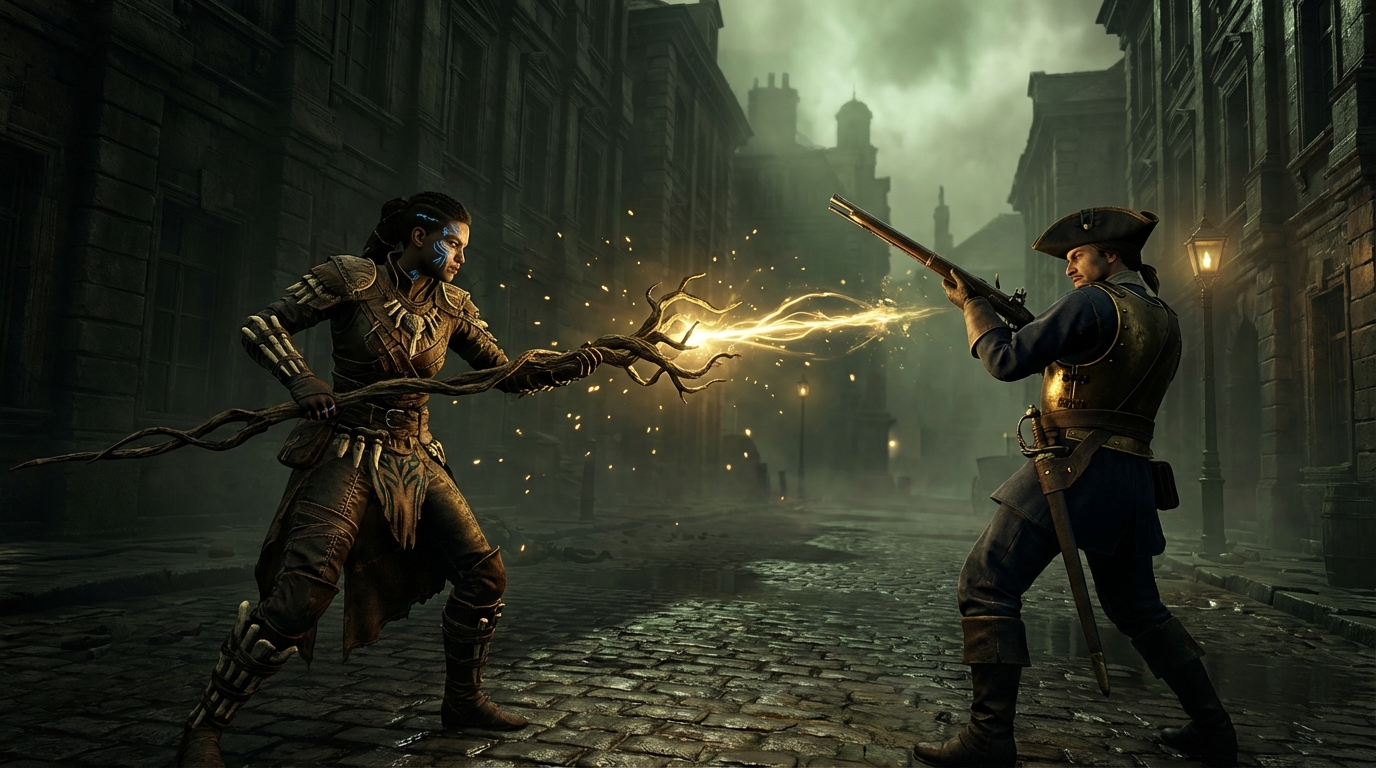
The studio is finally flipping the script on us with GreedFall II, and I am genuinely here for this ambitious narrative pivot. Instead of playing a colonizer trying to exploit a magical island, you step into the shoes of a Teer Fradee native who gets forcibly dragged back to the old continent of Gacane. It is a classic reverse-colonialism setup that promises to make you feel completely out of your depth in a disease-ridden, war-torn society. The developers are clearly swinging for the fences with this story, aiming to deliver the kind of deep roleplaying experience that made the first game a sleeper hit. We will finally see if they actually stuck the landing when the full game drops on March 12, 2026, for current consoles and PC.
The real question is whether this prolonged stint in Early Access since late 2024 has finally cured the development team of its chronic case of euro-jank. I have always had a soft spot for this studio and their undeniable ambition, but their games usually feel like they are held together by cheap duct tape and sheer willpower. Tactical combat in the CRPG space requires absolute precision, and the early builds of this prequel were rough enough to make a seasoned genre veteran wince. If the developers spent the last year actually polishing the stiff animations and balancing the messy skill trees, this might easily be a standout hit. If they ignored the feedback, we are just getting another lovable disaster that requires three massive community patches before it becomes fully playable.
The setting gives the story more to chew on than a simple change of scenery. A protagonist pulled away from home has to navigate the politics of a continent that sees them as an outsider, while also deciding how much of their own culture to protect or adapt. That is prime roleplaying material, provided the game lets those decisions change how people treat you. A dramatic premise is not a substitute for meaningful consequences, and no amount of fancy dialogue can disguise a quest that ends exactly the same way no matter what you choose.
Slay The Spire 2 Blurs RPG Lines
I can already hear the purists furiously typing away on their mechanical keyboards to tell me a roguelike deckbuilder does not belong on a list of upcoming computer role-playing games. Let me stop you right there. Slay the Spire 2 has more genuine role-playing progression in a single thirty-minute run than most modern big-budget titles manage in a bloated eighty-hour campaign. While massive developers are busy patting themselves on the back for adding pointless skill trees that offer a thrilling two percent increase in reload speed, this upcoming sequel is actually forcing you to make tactical choices that matter. Every card drafted and every relic chosen completely alters your character build, demanding the exact same strategic mindset you would use in a classic isometric adventure. If defining your character through incredibly deep, consequence-heavy mechanics is not the core of a true RPG, then the genre has lost its mind entirely.
We have somehow accepted a reality where mindlessly following a glowing quest marker while mashing a single attack button qualifies as a deep role-playing experience. Slay the Spire 2 strips away all that cinematic fluff and hands you a punishing, brilliant sandbox of tactical synergy that actually respects your intelligence. You are not just watching a cutscene play out your character arc. Instead, you are actively forging a unique class identity with every single floor you conquer. The highly anticipated release promises new classes and even more absurd strategic combinations that will leave those supposed hardcore tactical games crying in the corner. I will gladly take a deck of brilliantly balanced digital cards over another hollow, million-dollar open world that treats me like a toddler any day of the week.
The comparison is not perfect, and that is fine. A card run does not have the sprawling cast or persistent world of a traditional CRPG. What it does have is a ruthless feedback loop: pick a card, build around it, and find out whether your plan holds up when the next enemy tries to turn you into a decorative smear on the floor. That tight connection between choice and consequence is exactly what oversized RPGs often lose while filling the map with errands. More content is not automatically more depth. Sometimes it is just more icons to ignore.
Vampire Stories, Tabletop Roots, And RPG Boundaries
Not every game with roleplaying systems belongs on a CRPG release list, which is why it helps to be clear about what we are actually watching. Vampire: The Masquerade is a useful example. Its tabletop world is built around social maneuvering, personal horror, and the constant effort to hide the supernatural from ordinary people. That can make for excellent computer roleplaying, but the presence of a vampire protagonist alone does not magically turn every action game into a CRPG. A blood meter is not a character sheet. Nice try, though.
Vampire: The Masquerade – Bloodlines 2 is a nearby comparison for readers interested in that style of dark, choice-driven roleplaying. The Chinese Room is the developer, and Paradox Interactive is the publisher. It is worth keeping distinct from the 2026 games discussed here rather than quietly stuffing every RPG-adjacent release into one crowded calendar. On the tabletop side, Flyos developed and published Vampire: The Masquerade – Chapters, a narrative board game, not a computer CRPG. The shared setting makes it a natural point of comparison, but the formats deliver very different kinds of play.
The roots of this kind of roleplaying go back further than computer games. Braunstein, an early tabletop game created by David Wesely, helped inspire the open-ended roleplaying approach that later fed into Dungeons & Dragons. That history matters because the appeal is not just rolling dice or picking a class. It is the feeling that a character can push back against the world and change what happens next. In a CRPG, those choices might decide who trusts you, which faction wins, or whether a conversation ends with a deal or a pile of bodies.
That is also why good writing matters as much as a clever combat system. Writers such as Adam Smith have helped shape memorable RPG stories by making character choices feel specific instead of interchangeable. The best games leave room for quiet moments, whispered threats, and the awkward consequences that linger after the boss fight is over. An eternal war between factions is less interesting when every mission boils down to clearing another room. Give us characters with motives, let those motives collide, and make the player deal with the mess. That is roleplaying. The rest is just combat with a longer loading screen.
2026 CRPGs Worth Ruining Your Social Life
The upcoming CRPG slate for 2026 is a massive collection of digital time-vampires ready to completely drain your social life. I am looking at a bizarre mix of reimagined classics, overdue sequels, and early access titles finally deciding to finish their homework. You could easily drop hundreds of hours clicking on isometric maps, managing cluttered inventory screens, and reading dialogue trees that rival epic fantasy novels in sheer length. However, not every single one of these tactical adventures actually respects your time or your hard-earned cash. Some developers are clearly just banking on your nostalgia, while others are actually putting in the work to push the genre forward with smart mechanics.
If I have to pick a definitive winner to blindly throw money at, the reimagined Dragon Quest VII is easily taking the crown. The creators are finally giving this massive classic the modern overhaul it desperately needed, making it an absolute must-play for anyone who loves deep turn-based combat. On the other hand, I would strongly suggest waiting for a deep sale before touching GreedFall II. The shift to a prequel setting is mildly interesting, but the original title was incredibly clunky, and early access impressions suggest the sequel still carries some of that familiar jank. Save your premium gaming budget for titles that actually deliver a polished tactical experience on day one instead of paying full price for the privilege of being an unpaid beta tester.
The tactical role-playing genre is thriving right now, but you still need to be incredibly picky about where you invest your energy. These isometric behemoths demand a massive commitment, and nobody has time to slog through a poorly optimized campaign just because the cinematic trailer looked cool. Stick to the polished releases that actually innovate on the classic formula, and leave the unfinished cash grabs to rot in the digital bargain bin. I will keep playing the mediocre garbage so you do not have to, but do yourself a massive favor and only buy the games that actually respect your dedication.
One practical rule helps cut through the noise: separate confirmed details from attractive promises. A release window is not the same thing as a finished game, and a cinematic trailer does not tell you whether the inventory is a joy or a second job. Watch for clear information about platforms, launch timing, and what changed during Early Access. That is not cynicism. It is basic self-defense in a hobby where preorder bonuses sometimes arrive with more polish than the actual game.
Frequently Asked Questions
1. Why are CRPGs suddenly making a massive comeback in 2026?
Developers finally realized we are sick of mindless action games wearing an RPG trench coat. We are getting a packed calendar of deep, tactical experiences that actually require a functioning brain. It is about time the industry stopped treating us like toddlers and gave us real games again.
2. What is the deal with GreedFall II coming out of Early Access?
It is finally taking off its training wheels and giving us the full experience. This time around, you actually get to play as a native being dragged to the colonizers’ continent. It is a brilliant flip of the usual script that makes the wait entirely worth it.
3. Is the Dragon Quest VII overhaul just another lazy nostalgia cash grab?
For once, no. Developers actually injected this massive classic with modern conveniences so you do not have to suffer through ancient game design just to feel nostalgic. It is the perfect excuse to lose another hundred hours of your life to a masterpiece.
4. Will Solasta II hold my hand if I am new to tactical RPGs?
Absolutely not, and I love it for that. It happily hands you a rusty sword and kicks you straight into a pit of angry goblins. If you want a game that plays itself while you scroll on your phone, look elsewhere.
5. Does Solasta II stay true to hardcore tabletop rules?
It is a massive middle finger to the modern trend of dumbed-down games. This sequel completely ignores the industry obsession with broad accessibility and sticks to a strict grid-based system. You will actually need to read the rulebook and use real strategy to survive.
6. How am I supposed to find time to play all these massive RPGs?
You are going to have to sacrifice your social life or sleep, because the first quarter of 2026 alone will shatter your backlog. It is going to be a brutal year for your free time. Honestly, I would not have it any other way.
7. Are these upcoming releases just more action games disguised as RPGs?
We are finally moving miles away from that lazy garbage. These titles are glorious cocktails of high-profile sequels and overhauls that demand actual tactical thinking. You can safely pack away your button-mashing skills for the foreseeable future.