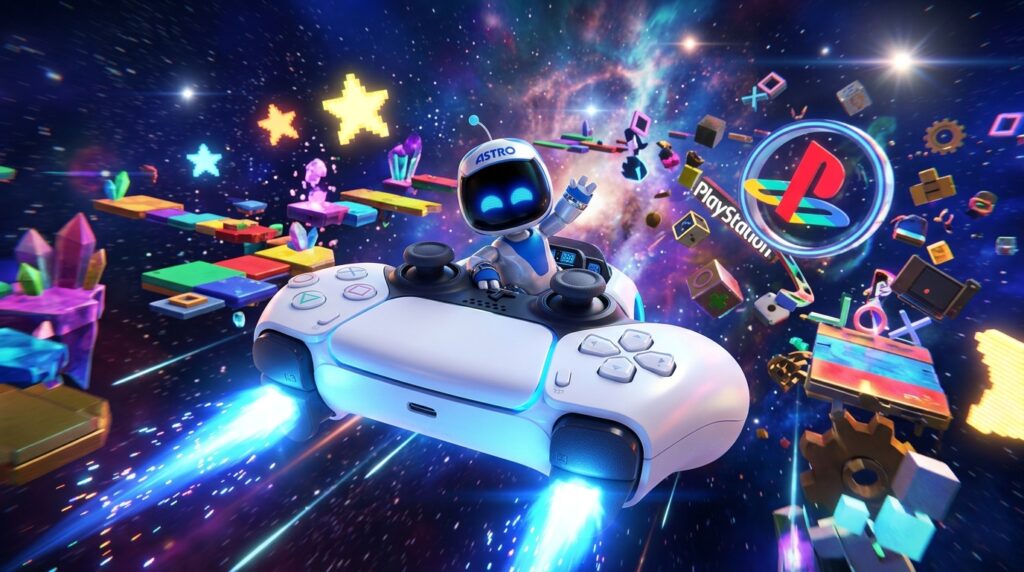
It’s rare to see a game that doesn’t treat your intelligence like a pile of damp laundry, but Astro Bot actually respects the player. This isn’t just another corporate mascot checklist; it’s a masterclass in why we bother picking up a controller in the first place. If you’re looking for a definitive astro bot review, here it is: it’s the most fun I’ve had on a console since the industry decided every game needed to be a hundred-hour miserable slog.
The developers managed to turn the DualSense controller from a gimmicky paperweight into a precision instrument of pure dopamine. While other studios are busy monetizing your nostalgia, this game uses it to build inventive levels that actually evolve as you play. It’s sitting at a 94 on Metacritic for a reason, it’s technically flawless, relentlessly creative, and makes almost everything else released this year look like it was assembled in a boardroom.
Key Takeaways
- Astro Bot transforms the DualSense controller from a gimmick into a precision instrument, using high-fidelity haptic feedback to communicate the tactile textures of the game world directly to the player’s palms.
- The game avoids the industry trend of bloated, hundred-hour open worlds by focusing on tight, inventive level design that constantly introduces and discards new mechanics to maintain a relentless pace of creativity.
- Nostalgia is utilized as a foundational building block for gameplay rather than a marketing crutch, integrating thirty years of PlayStation history through interactive mechanical homages and themed levels.
- The platforming mechanics prioritize technical polish and responsiveness, eliminating the floaty guesswork common in modern 3D titles to provide a grounded and rewarding gameplay experience.
DualSense Sorcery And Tactile Platforming Perfection
The DualSense controller has finally found its purpose, and it only took a tiny robot to show every other developer how it is done. While most studios use haptic feedback as a glorified vibrate function, the team treats it like a high-fidelity instrument that communicates exactly what is happening under Astro’s feet. Walking across metallic grating feels sharp and rhythmic, whereas trudging through sand gives off a gritty, muted resistance that is genuinely uncanny. It is the type of tactile sorcery that makes you realize how much sensory information we usually miss out on in 3D platformers. You are not just looking at a world, you are feeling the texture of it through your palms in a way that makes every jump and slide feel incredibly grounded.
The platforming mechanics are so tight they could make a certain famous plumber sweat through his overalls. Every movement is snappy and precise, removing the floaty guesswork that usually plagues modern 3D titles. Whether you are using a jetpack to hover over a gap or punching your way through a horde of enemies, the physics feel consistent and rewarding. The level design leans into this precision by constantly introducing new gimmicks that never overstay their welcome. It is a masterclass in pacing that respects your time and intelligence, proving that you do not need a hundred-hour open world when you have gameplay this refined.
This game is a loud, colorful reminder that pure fun should always be the priority over cinematic bloat or microtransaction-filled progression. There is a sense of genuine joy in the way Astro interacts with the environment, from the way he stumbles over loose debris to the reactive animations of the world around him. It is rare to see a title utilize hardware features so aggressively without it feeling like a cheap gimmick or a tech demo. Instead of the usual corporate fluff, we got a polished gem that understands exactly what makes gaming great. If you have a controller in your hand and you aren’t smiling while playing this, you might actually be a robot yourself.
A Glorious Museum Of PlayStation Nostalgia
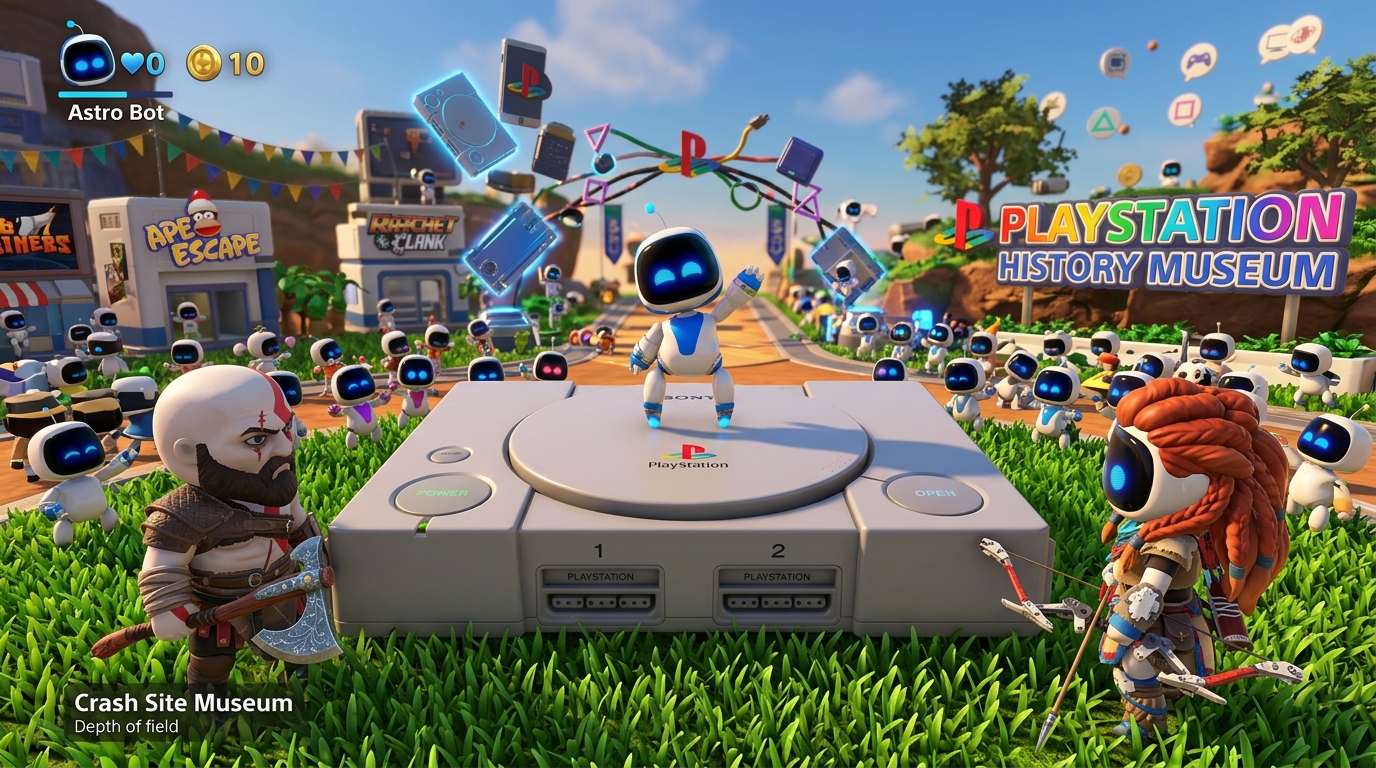
Astro Bot is a masterclass in how to handle a legacy without making it feel like a desperate boardroom presentation. Instead of just slapping logos on a wall and calling it a day, the developers turned thirty years of PlayStation history into a living, breathing playground where every secret feels earned. You aren’t just looking at plastic figurines of your favorite characters; you are interacting with clever, mechanical homages that actually impact the gameplay. It is the rare kind of celebration that prioritizes the joy of the player over the ego of the brand.
The themed levels are where the game truly flexes its creative muscles by shifting the entire experience to match the soul of classic franchises. One minute you are navigating a standard platforming gauntlet, and the next you are wielding a familiar weapon or utilizing a specific movement set that feels exactly like the titles you grew up playing. These moments never overstay their welcome or feel like they are carrying the game on their back. The mechanics are so rock solid on their own that the cameos feel like a well deserved victory lap rather than a crutch.
What makes this museum of memories so effective is the sheer level of detail poured into every single bot you rescue. You will find yourself grinning like an idiot when you recognize a niche character from a forgotten disc based era, realizing the developers actually care about the medium as much as you do. It avoids the typical trap of corporate fanservice by keeping the focus on tight, inventive level design that would be fun even if the nostalgia was stripped away. This is how you honor the past while proving that the future of the genre is in very capable hands.
Creative Level Design That Never Gets Boring
Astro Bot is a middle finger to every bloated, hundred-hour open-world slog that thinks map markers equal gameplay. The team clearly decided that if a mechanic isn’t fun for more than five minutes, they should just throw it away and build something better for the next room. One moment I was shrinking down to the size of a mouse to navigate a clockwork gauntlet, and the next I was strapped to a jetpack or using sponge powers to soak up half the ocean. It is a relentless barrage of ideas that actually works, proving that most developers are just lazy when they claim they can’t innovate. There is no filler here, just a pure concentrated shot of creativity that makes other modern platformers look like they were designed by a committee in a gray boardroom.
The boss fights are equally unhinged and serve as the perfect exclamation points to the chaos of the levels. You aren’t just jumping on a head three times and calling it a day while waiting for a cutscene to end. Each encounter demands you master whatever weird power-up you just found, turning the DualSense controller into something that actually feels like a piece of hardware rather than a vibrating paperweight. I found myself grinning like an idiot as I dismantled giant mechanical creatures that felt like they belonged in a Saturday morning cartoon on steroids. It is the kind of design that respects your time by constantly evolving, ensuring that the final credit crawl hits before you even have a chance to look at the clock.
This game is a masterclass in how to celebrate gaming history without acting like a pretentious museum curator. While other titles try to drown you in nostalgia to hide their lack of substance, this bot uses its legacy as a foundation for genuine mechanical depth. Every hidden secret and cameo feels earned because the path to get there was actually engaging to play. It is rare to see a project that feels this polished and intentional from the first jump to the last collectible. If you can play through these levels without feeling a spark of genuine joy, you might actually be the one made of cold, unfeeling metal.
A Masterclass in Pure, Unadulterated Joy
Astro Bot is the digital equivalent of a cold drink on a scorching day, proving that video games are actually allowed to be fun again without a hundred-hour checklist or a depressing storyline. It is a rare masterpiece that understands why we started playing games in the first place, stripping away the corporate bloat and focusing entirely on pure, unadulterated joy. Every single level feels like a masterclass in inventive level design, utilizing the DualSense controller in ways that make other developers look like they are not even trying. If you own a PlayStation 5 and do not have this installed, you are essentially holding onto a very expensive paperweight. It is easily the best thing to happen to the genre in a decade, and it does it all with a grin on its face.
The technical polish on display here is so sharp it could probably cut glass, yet it never feels like a soulless tech demo. The studio has managed to pack more personality into a tiny robot than most AAA studios manage with a cast of thousands and a bloated Hollywood budget. You are constantly surprised by new mechanics that are introduced, perfected, and then swapped out for something even better before they can ever get stale. It is the kind of experience that reminds you that innovation does not always mean bigger maps or more realistic sweat textures. Instead, it means finding new ways to make the simple act of jumping and exploring feel absolutely magical.
Ultimately, this is a mandatory purchase for anyone who values their time and wants a break from the endless cycle of live service nonsense. It is a celebration of gaming history that manages to stand on its own two feet as a modern classic rather than just leaning on nostalgia. You will find yourself smiling at the screen like an idiot for the entire duration of the campaign, which is a feeling most modern releases have completely forgotten how to provide. Stop overthinking your backlog and just buy the game already. It is a flawless reminder that when developers prioritize creativity over monetization, everybody wins.
Frequently Asked Questions
1. Is Astro Bot worth the full price tag?
Yes, and it is probably the only game this year that justifies its existence without trying to sell you a battle pass. It is a technical masterpiece that respects your time and intelligence, which is a miracle compared to the usual boring open world slogs.
2. Does the game actually make good use of the DualSense controller?
The developers turned that plastic paperweight into a precision instrument of dopamine. You will actually feel the difference between grinding through sand and walking on metal, making every other developer look lazy for just using the controller as a glorified buzzer.
3. How does the platforming compare to other major titles?
The controls are so tight and snappy they would make a certain Italian plumber rethink his career choices. There is zero floaty guesswork here, just pure and responsive movement that makes navigating the inventive levels a total joy.
4. Is this just another corporate mascot checklist game?
Absolutely not, because it uses nostalgia as a building block for creativity rather than a cheap marketing tactic. While other studios are busy monetizing your childhood, this game actually builds something worth playing around those classic nods.
5. Why is the Metacritic score for Astro Bot so high?
It sits at a 94 because it is a flawlessly executed piece of software that avoids the industry trend of hundred hour miserable grinds. It is relentlessly creative and reminds us why we actually liked picking up a controller before everything became a boardroom project.
6. Is the game too difficult for casual players?
The game is accessible but never treats you like you have the brain capacity of damp laundry. It offers a perfect balance of tactile challenge and pure fun that rewards your skill without being unnecessarily punishing. Much like finding the best PSVR2 games, discovering a brutal masterpiece that actually respects the hardware and the player is a rare treat in the modern landscape.