Ubisoft treated the Assassin’s Creed Shadows delay like a game of musical chairs where the music never actually stopped. First, they panicked after a different high-profile flop and kicked the release from November to February, only to realize that polishing a massive open world takes more than a few weeks of overtime and a prayer. By the time the game finally limped onto shelves in March 2025, it had more baggage than a tourist in Kyoto, leaving me wondering if the extra wait was for our benefit or just a desperate attempt to keep the ship from sinking.
Despite the chaotic rollout, the game managed to become the second-highest day-one seller in the series, proving that we gamers have the memory of a goldfish and the impulse control of a toddler. It is now June 2026, and with the final content update officially live, I can finally look back at this saga without the rose-tinted glasses. The delays might have saved the sales figures, but they couldn’t quite patch out the technical jank or the identity crisis that plagued the experience from the jump.
Key Takeaways
- The multiple delays for Assassin’s Creed Shadows were a strategic pivot driven by recent high-profile failures, signaling that Ubisoft can no longer rely on brand name alone to sell unpolished products.
- Extra development time functioned as a damage control measure rather than a cure for deeper structural issues, leaving the final game plagued by technical jank and a repetitive identity crisis.
- Success in day-one sales does not equate to quality, as the game’s commercial performance suggests that aggressive marketing often outweighs player fatigue and technical shortcomings.
- Ubisoft’s design philosophy remains trapped in a cycle of ‘map bloat,’ where massive scale and quantity are prioritized over innovative mechanics and meaningful gameplay substance.
Lessons Not Learned From Recent Failures
Ubisoft finally realized that releasing a half-baked open world and praying for a miracle is not a sustainable business model. After the lukewarm reception of their previous galactic adventure, which felt more like a checklist of chores than an actual journey, the suits in charge clearly hit the panic button. They saw the writing on the wall and understood that another launch filled with technical glitches and shallow mechanics would be a death blow to their flagship franchise. Instead of forcing Assassin’s Creed Shadows out the door to meet a quarterly earnings report, they chose to retreat and actually finish the game. It is a rare moment of self-awareness for a company that usually treats polish as an optional post-launch suggestion.
The delay to early 2025 was a blatant admission that the standard formula is starting to rot from the inside out. We have all grown tired of bloated maps filled with meaningless icons and combat that feels like swinging a wet noodle at a brick wall. Recent industry flops proved that even a massive brand cannot save a game if the core experience feels like a chore, and the developers clearly needed time to ensure Shadows did not fall into that same trap. While the extra months provided some much needed refinement, it is frustrating that it took a high-profile failure for them to remember that quality actually matters. They are essentially trying to fix the plane while it is already in the air, hoping that a few more months of crunch can undo years of questionable design choices.
Watching this play out feels like seeing a friend finally admit they have a problem after a particularly embarrassing night out. The second delay into March 2025 showed that the initial panic was not just for show, as the team scrambled to address early feedback about historical accuracy and gameplay flow. Even though the game eventually moved units, the fact that it launched with lingering technical issues proves that delays are not a magic wand for deeper structural flaws. Ubisoft is still obsessed with these massive, overwhelming worlds that value quantity over quality, and no amount of extra development time can fix a lack of creative soul. It is a classic case of doing the bare minimum to avoid a disaster while still refusing to learn the bigger lesson about player fatigue.
The Never Ending Cycle Of Map Bloat
Ubisoft pushing back the release of Assassin’s Creed Shadows twice felt like a tired rerun of a show we have all seen before. They claim these delays are for polish and refinement, but we know the drill by now. No amount of extra development time can fix a foundation built on the philosophy that bigger isn’t better, even when it is clearly not. We are constantly promised a fresh experience, yet we usually end up with a map so cluttered with icons it looks like a digital case of the measles. It is the same cycle of map bloat where quantity is prioritized over actual substance, leaving me to wonder if anyone at the studio actually enjoys clearing the same three outposts for forty hours.
The problem is that these delays rarely address the core issue of repetitive gameplay loops that have plagued the franchise for years. You can spend six extra months sharpening the textures on a katana, but if the world is still a vacuous void of fetch quests, the game remains a chore. I was told this time would be different, yet the final product still felt like a checklist of chores disguised as a historical epic. It is frustrating to see so much talent poured into creating massive, beautiful environments that ultimately feel shallow and uninspired. Until the industry realizes that a dense thirty hour game beats a hollow hundred hour one, these delays are just stalling the inevitable realization that the map is too big for its own good.
Despite the record breaking sales on day one, the technical hiccups and mixed reception proved that more time in the oven does not always result in a better meal. Ubisoft seems trapped in a loop where they think adding more landmass compensates for a lack of innovative mechanics. We keep buying into the hype, hoping that the next delay is the one that finally brings back the tight, focused storytelling we actually miss. Instead, we get another sprawling continent where the most exciting thing to do is find a slightly taller haystack to jump into. It is time to admit that the bloat is a feature, not a bug, and no amount of extra polish is going to change the DNA of a company obsessed with scale over soul.
Polish Versus Performance In Feudal Japan
Ubisoft spent months trying to convince us that pushing the release date back twice was a noble quest for polish, but playing the final product feels like they were just trying to keep a leaking ship afloat with colorful duct tape. We all saw the writing on the wall when they scrambled to delay the game right after their previous open-world attempt failed to move the needle. By the time we actually got our hands on the February and then March builds, it was clear that no amount of extra time could prune the bloat inherent in their current design philosophy. The sprawling map of feudal Japan is undeniably gorgeous, yet it is plagued by the same technical stutters and AI brain farts that have become the company’s unwanted signature. It turns out that a few extra weeks in the oven does not matter much if the recipe was already overloaded with half-baked mechanics and repetitive checklists.
The reality of Title Update 1.1.11 proves that the extra refinement period was mostly spent rearranging deck chairs while the hull took on water. While the day-one sales numbers look impressive on a shareholder slide, they do not tell the story of a community tired of paying to be beta testers for a game that still feels unfinished a year later. I found myself fighting the camera and clipping through pagodas just as often as I was fighting samurai, which makes those strategic pivots feel more like desperate damage control. Ubisoft seems obsessed with the idea that bigger is better, ignoring the fact that a massive world just provides more space for bugs to hide in. If this is what polished looks like in 2026, then the industry’s definition of the word has become as hollow as the repetitive outposts dotting the Japanese countryside.
A Delay That Still Felt Rushed
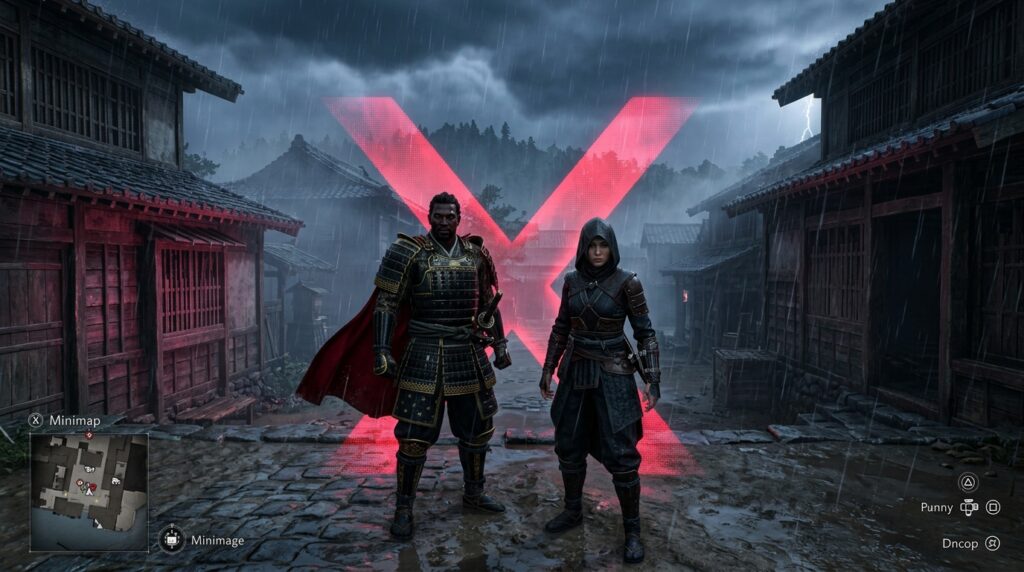
Ultimately, the saga of Naoe and Yasuke feels like a textbook case of Ubisoft trying to fix the plane while it was already mid-flight. We endured two major delays and a mountain of corporate damage control just to end up with a game that still feels like it needed another six months in the oven. While the day-one sales figures suggest we are all suckers for a hidden blade and a historical setting, the technical glitches and messy optimization prove that extra time does not always equal extra polish. It is the classic Ubisoft paradox where the world is breathtakingly beautiful, yet the actual experience is held together by digital duct tape and prayer. I wanted this to be the definitive redemption arc for the franchise, but instead, it feels like we just paid premium prices to be the final round of quality control testers.
The real tragedy here is not just the bugs, but the fact that the industry is still obsessed with these bloated, map-clearing marathons that prioritize quantity over actual soul. We waited through a strategic pivot and multiple release shifts only to find a gameplay loop that still feels trapped in 2018, just with a prettier coat of feudal Japanese paint. If you have the patience of a saint and a high tolerance for floating textures, there is a decent stealth-action game buried under the rubble of those delays. However, for most of us, the headache of the wait was barely worth the mediocre payoff we received at launch. It is time to stop pretending that every delay is a sign of craftsmanship when it is usually just a desperate attempt to stop a sinking ship from taking on more water.
Frequently Asked Questions
1. Why was Assassin’s Creed Shadows actually delayed?
Ubisoft essentially looked at the disaster of their previous 2024 releases and realized they could not afford another public execution. They pushed the release to early 2025 because the game was a buggy mess, proving that even Ubisoft eventually learns that polishing should not be an optional DLC.
2. Did the extra development time actually fix the game?
It saved the sales figures, but it did not perform miracles. While the game did not explode on impact, it still launched with plenty of technical jank and a massive identity crisis that no amount of overtime could fully patch out.
3. How did the delay affect the game’s sales?
Gamers have the memory of a goldfish, so the delay did not hurt the bottom line one bit. It became the second-highest day-one seller in the entire series, showing that we will buy anything if the marketing budget is big enough.
4. What role did previous failures play in this decision?
Recent lukewarm receptions and checklist-style gameplay made Ubisoft realize that their tired open-world formula was finally starting to rot. Those failures were the sacrificial lambs that forced the corporate suits to finally hit the panic button.
5. Is the game finally finished now that it is 2026?
With the final content update live as of June 2026, the saga is officially over. We can finally stop looking through rose-tinted glasses and see the game for what it is, a decent experience that was nearly buried by corporate mismanagement.
6. Should I have waited for the March 2025 release?
Waiting was the only sane option unless you enjoy paying sixty dollars to act as an unpaid quality assurance tester. The extra months gave the developers a fighting chance to make the game playable, even if it still feels like a classic Ubisoft chore-fest.