If you want to know what the golden age of role-playing games actually looked like, you don’t need a time machine. You just need a PlayStation 2. Back before publishers figured out how to charge us twenty bucks for cosmetic horse armor, this console delivered a library of massive, cinematic adventures that permanently changed the industry. Tracking down the best PS2 RPGs isn’t just some desperate nostalgia trip for aging gamers. It is a necessary reminder of what it looks like when developers actually care about their craft.
Thanks to a thriving emulation scene and an endless wave of modern remasters, these classics are just as relevant today as they were when we were furiously deleting saves to free up eight megabytes of memory card space. We are talking about the undisputed heavyweights that dragged the genre kicking and screaming from flat 2D sprites into sprawling 3D worlds. Heavy hitters like Final Fantasy X and Persona 4 still dominate the conversation today, entirely because they had the audacity to launch as complete, finished games instead of broken beta tests.
Key Takeaways
- The PlayStation 2 era remains the golden age of role-playing games because developers delivered fully finished, massive adventures without relying on day-one patches or predatory microtransactions.
- Classic turn-based combat systems demand genuine tactical strategy and planning, offering a much more rewarding experience than the mindless button-mashing of modern action titles.
- Persona 4 established the ultimate standard for social simulation by seamlessly weaving deep character relationships and personal traumas directly into the dungeon-crawling gameplay loop.
- Thanks to a thriving emulation scene and modern remasters, these iconic classics are easily accessible today without the need to track down aging consoles.
Final Fantasy X And The Perfect Sphere Grid
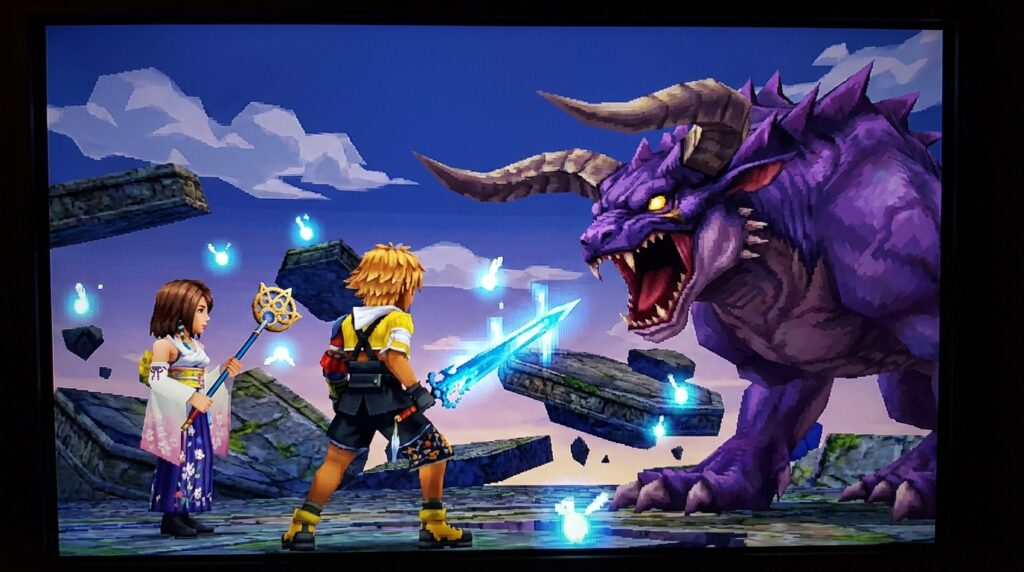
I will fight anyone who says Final Fantasy X is not the undisputed king of the PlayStation 2 role-playing library. This eighty-hour masterpiece still holds the crown today because it actually respected your intelligence and demanded genuine strategy. Instead of modern games where you just mash the attack button until your thumb bleeds, the Conditional Turn-Based combat system forced you to plan three steps ahead. You could swap party members on the fly to exploit elemental weaknesses or delay a massive boss attack. It is a brilliant tactical dance that makes today’s flashy action combat feel like a mindless chore.
Then you have the Sphere Grid, which remains the absolute pinnacle of character progression in gaming history. Rather than handing you a boring linear skill tree with generic stat bumps, this massive interconnected board let you visibly chart your journey. You started on set paths that perfectly fit each character’s archetype before breaking the locks to turn your fragile white mage into a physical powerhouse. Unlocking a new node felt incredibly rewarding because you actually earned that specific power spike through deliberate choices. Modern developers desperately need to take notes instead of giving us another meaningless list of passive abilities that barely change how the game plays.
Even looking at it through the lens of modern gaming, the world of Spira looks absolutely gorgeous whether you play the official remaster or upscale it on a pristine emulator. We are talking about a golden era title that seamlessly transitioned the genre from flat sprites to fully voiced, cinematic 3D worlds without losing its soul. The emotional weight of the story still hits like a freight train, proving that you do not need photorealistic sweat physics to make players care. If you want to remember what a real role-playing game looks like, you owe it to yourself to revisit this absolute legend.
Persona 4 Invented The Perfect Social Sim
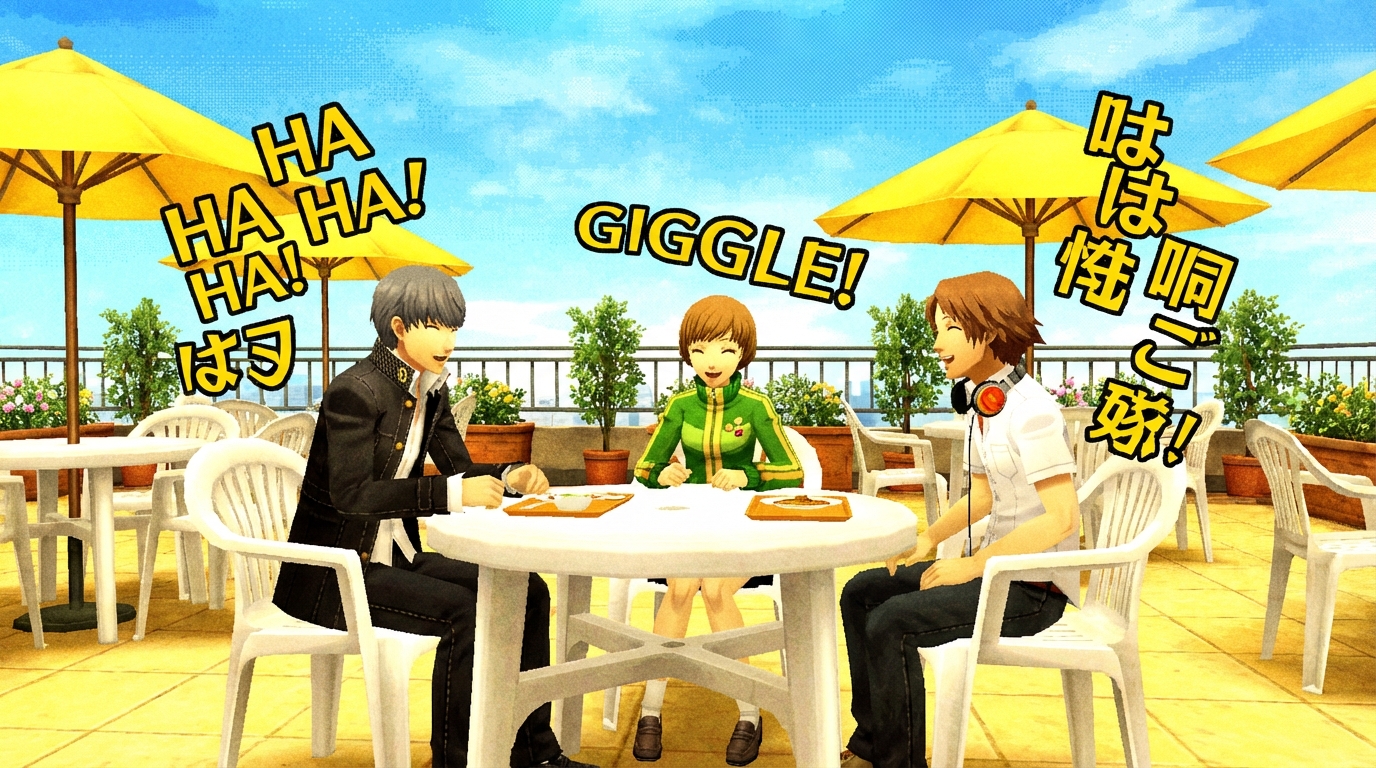
Let me tell you about the game that ruined modern RPGs by being too damn good. Persona 4 took a serial killer mystery, smashed it together with mundane high school exams, and somehow created absolute gold. While other games were sending you on generic quests to slay dragons, this PS2 masterpiece had you stressing over math tests just so you could date the local idol. The genius lies in how your daytime social life directly powers your nighttime dungeon crawling. You hang out with your friends, build genuine connections, and then use those emotional bonds to summon literal gods to punch monsters in the face.
Modern studios have spent the last fifteen years desperately trying to copy this exact social sim formula, and they almost always fail spectacularly. They slap a half-baked friendship meter into their bloated open worlds and expect us to care about wooden NPCs with the personality of wet cardboard. Persona 4 actually made you care about your party members because their personal traumas were woven directly into the core gameplay loop. You literally have to fight their physical insecurities in surreal television dungeons before they join your squad. It is a masterclass in narrative design that embarrasses the lazy affection systems shoved into modern big-budget releases.
If you are checking out the retro scene today, this title is the undisputed king of PlayStation 2 role-playing games. Thanks to the thriving emulation community and modern ports, you do not even need a dusty old console to experience this brilliant formula in all its glory. The stylish art direction and phenomenal jazz soundtrack still hold up beautifully against anything released this year. Do yourself a favor and play the game that taught an entire industry how to write teenagers who do not sound like they were scripted by aliens. It will absolutely ruin your expectations for every other social system in gaming, and I promise you will not regret it.
Dragon Quest VIII Mastered Traditional Turn-Based Combat
I still laugh when modern developers brag about their hyper-realistic graphics while demanding a hundred gigabytes of hard drive space just to render individual pores on a goblin. Dragon Quest VIII proved decades ago that you do not need fifty billion realistic polygons to create a breathtaking world. The creators delivered a massive, gorgeous, cel-shaded masterpiece that has aged better than almost every gritty, brown-tinted game from that same era. You can actually see the horizon stretching out before you without a thick layer of fog masking the hardware limitations. It is a vibrant, colorful world that begs you to explore every inch of it, completely putting today’s dull and bloated open worlds to shame.
Instead of ripping out the genre’s roots to chase the action crowd, this classic doubled down on traditional turn-based combat and polished it to absolute perfection. You actually have to think about your party composition, manage your resources, and plan your attacks rather than just mashing a single dodge button until the credits roll. The tension system adds a brilliant layer of strategy, forcing you to decide between playing it safe or risking a few turns to unleash a devastating super attack. Modern RPGs seem terrified of making players wait their turn, but this game understands that a well-crafted tactical battle is infinitely more satisfying than mindless chaos. It respects your intelligence enough to let you orchestrate the fight instead of just reacting to it.
What truly sets this adventure apart is how it handles its massive scale without ever feeling like a tedious chore. You are not just ticking off meaningless icons on a minimap or doing fetch quests for lazy villagers who refuse to walk ten feet. Every new town feels distinct, every dungeon has actual stakes, and finally earning your ship to sail the ocean feels like a monumental achievement. The game takes its time building a grand journey, reminding us what it feels like to actually go on an epic quest rather than just completing a digital grocery list. If you want a masterclass in how to build an RPG world that feels genuinely alive, you need to revisit this PlayStation 2 legend immediately.
The Golden Age of Actually Finished RPGs
The PlayStation 2 remains the undisputed golden age of role-playing games because developers actually had to finish their games before putting them on a disc. You did not need a massive day-one patch to enjoy the emotional eighty-hour journey of Final Fantasy X or the brilliant social mechanics of Persona 4. These titles defined an entire generation by delivering complete experiences packed with innovative combat systems and stories that stuck with you for years. We look back at this era with such intense nostalgia because it represents a time when studios prioritized substance over endless monetization. The sheer volume of absolute classics in the PS2 library proves that great design will always outlive shiny graphics.
There is a very good reason why the emulation scene for these retro masterpieces is absolutely thriving today. Booting up a PS2 emulator on your PC is infinitely better than shelling out seventy bucks for a broken, unfinished modern release that demands a persistent internet connection just to navigate the main menu. Modern RPGs have largely forgotten what made the genre great, opting instead to pad their runtimes with mindless fetch quests and predatory microtransactions. I would rather replay a twenty-year-old grid-based battle system than suffer through another gorgeous but completely hollow open world. Save your hard-earned cash, download a reliable emulator, and go experience the actual pinnacle of the genre.
Frequently Asked Questions
1. Why are PS2 RPGs still worth playing today?
Because modern gaming is obsessed with selling you twenty-dollar cosmetic horse armor instead of finishing the actual game. The PS2 era gave us complete, massive adventures right out of the box. You do not need a day-one patch to enjoy a masterpiece from this golden age.
2. Do I need an actual PS2 console to play these games?
You definitely do not need to hunt down dusty hardware to enjoy these classics. Thanks to a thriving emulation scene and endless modern remasters, playing the best PS2 RPGs is incredibly easy. Just grab a decent PC or a modern console and you are good to go.
3. What makes Final Fantasy X the undisputed king of PS2 RPGs?
I will fight anyone who disagrees, but it comes down to a combat system that genuinely respects your intelligence. Instead of mindlessly mashing buttons until your thumb falls off, you actually have to plan your attacks and exploit elemental weaknesses. Add in the brilliant Sphere Grid for leveling up, and you have an eighty-hour tactical masterpiece.
4. Is the turn-based combat in older RPGs too slow?
Only if your attention span has been completely destroyed by flashy action games that basically play themselves. The Conditional Turn-Based system is a brilliant tactical dance that forces you to think three steps ahead. It is not slow. It just demands actual strategy instead of mindless button mashing.
5. Why is the Sphere Grid better than modern skill trees?
Modern skill trees are usually just boring linear paths that hand out generic stat bumps. The Sphere Grid is the absolute pinnacle of character progression because it gives you massive freedom to shape your party. It actually makes leveling up feel like a rewarding puzzle rather than a tedious chore.
6. Are games like Persona 4 actually still relevant?
They are absolutely more relevant than whatever broken beta test AAA studios are trying to sell you today. Persona 4 dominates the conversation because it launched as a complete, finished experience with phenomenal storytelling. It dragged the genre forward and set a standard that modern developers still struggle to reach.
7. How do these classic RPGs compare to modern releases?
Modern releases often feel like a desperate cash grab wrapped in a live-service nightmare. PS2 RPGs come from a time when developers actually cared about their craft and delivered complete stories. They offer massive, cinematic worlds that permanently changed the industry without asking for your credit card every five minutes.