The Marvel Tōkon launch is already behind us: MARVEL Tōkon: Fighting Souls released on August 6, 2026, in North America and Europe, followed by Australia, New Zealand, Japan, and Korea on August 7. It is now available on PS5 and PC, meaning the superhero tag-team brawl has escaped the trailer stage and started throwing punches in public.
I’m looking at what actually launched, not what the marketing department promised through a fog machine. This is a 4v4 fighting game built around tag-team combat, anime-inspired visuals, dynamic Marvel arenas, and stages that split into multiple sections. That sounds ambitious, which is either exciting or the beginning of a very expensive argument with your controller.
TL;DR: Marvel Tōkon: Fighting Souls launched on August 6, 2026, in North America and Europe, and August 7 in Australia, New Zealand, Japan, and Korea for PS5 and PC with cross-play. The 4v4 tag-team fighter features anime-inspired visuals, multi-section Marvel arenas, Ranked and Casual play, a 64-player online lobby, and simplified or traditional controls.
Marvel Tōkon Launch Details
Marvel Tōkon: Fighting Souls launched on August 6, 2026, in North America and Europe, according to the official announcement published February 12, 2026. The game is available on PS5 and PC, with cross-play connecting players across both platforms. Australia, New Zealand, Japan, and Korea received the console and PC versions on August 7, so the date changes by region rather than by some elaborate boss-phase mechanic. I would mark August 6 as the main launch date and treat August 7 as the local release date for those territories.
That availability makes the launch fairly straightforward, at least by modern game industry standards, which is a dangerously low bar. Marvel Tōkon is a 4v4 team-based fighter built around tag combat, multi-section arenas, and an anime-inspired presentation, giving the Marvel license something more substantial to do than pose for screenshots. Now that the game is out, the real test is not whether the branding looks impressive, but whether the fighting feels sharp enough to support long-term play. Roster additions, balance patches, player reception, and downloadable content will matter, but none of them can rescue a combat system that feels like button-mashing in a cape.
Four On Four Fighting Explained
Marvel Tōkon: Fighting Souls launched on August 6, 2026, bringing its 4v4 team format to PS5 and PC. I like that the structure treats each match as a small squad battle rather than four characters taking turns waiting backstage. You control one fighter at a time, call teammates for assists, and tag between them to keep pressure going or escape before your health bar becomes modern art. A September 26, 2025 hands-on report described the system as built around constant team interaction, and that is the key difference between meaningful tag strategy and simply throwing more superheroes into the blender.
The arenas are split into multiple sections, so knocking an opponent across the stage can change the fight instead of merely producing a louder impact effect. Marvel locations give those transitions some personality, while the anime-inspired presentation makes every assist, counter, and super move look like it is auditioning for a very expensive opening sequence. Under the fireworks, the game offers traditional inputs for players who want precise control, quick inputs for faster access, and simplified chain combos for anyone who would rather fight than memorize a small legal document. That accessibility is useful, but it does not magically make every decision smart, so the real test is whether team composition, tagging, and resource management matter more than mashing the shiny button.
In practice, the 4v4 format feels busiest when assists and tags are used to create openings instead of being launched on cooldown like panic flares. The simplified controls help newcomers get involved, while traditional inputs leave room for experienced players to chase stronger execution and better confirms. That balance matters more than the Marvel branding, because a roster full of famous faces cannot rescue combat that feels weightless or automatic. Since launch, the useful questions are whether the roster remains balanced, whether players are discovering real team variety, and whether updates add depth rather than another excuse to sell costumes. Tōkon deserves credit when the fighting earns it, but no amount of character-shaped particle effects should get a free review score.
Launch Modes And Online Play
Marvel Tōkon: Fighting Souls launched on August 6, 2026, with the PS5 and PC versions following on August 7 in Australia, New Zealand, Japan, and Korea, according to the dated February 12 launch announcement. At launch, the menu covers Ranked, Casual, Room matches, Local Versus, Training, Character Guides, Episode Mode, and offline play, giving players more to do than repeatedly stare at the character-select screen. The 4v4 format also gets a 64-player online lobby, which should make finding matches and socializing less of a chore than shouting into the matchmaking void. I like that the package supports both serious competition and couch-based chaos, because not every fight needs to become a personal referendum on your reaction time.
The real test is whether those modes support the fighting itself after the Marvel novelty wears off. Training and Character Guides can help players learn the team-based systems, while Ranked, Casual, and Room play offer a sensible path from “I pressed every button” to “I understand why I exploded.” Episode Mode and offline options add useful solo value, although they cannot carry a competitive fighter forever if the online population thins out. Based on the official game page and dated launch materials, the foundation looks properly built rather than padded with menu-shaped confetti. Whether it keeps players fighting will depend on balance updates, roster additions, and how much the core combat rewards practice instead of merely making stylish noise.
Roster Balance And Post Launch Plans
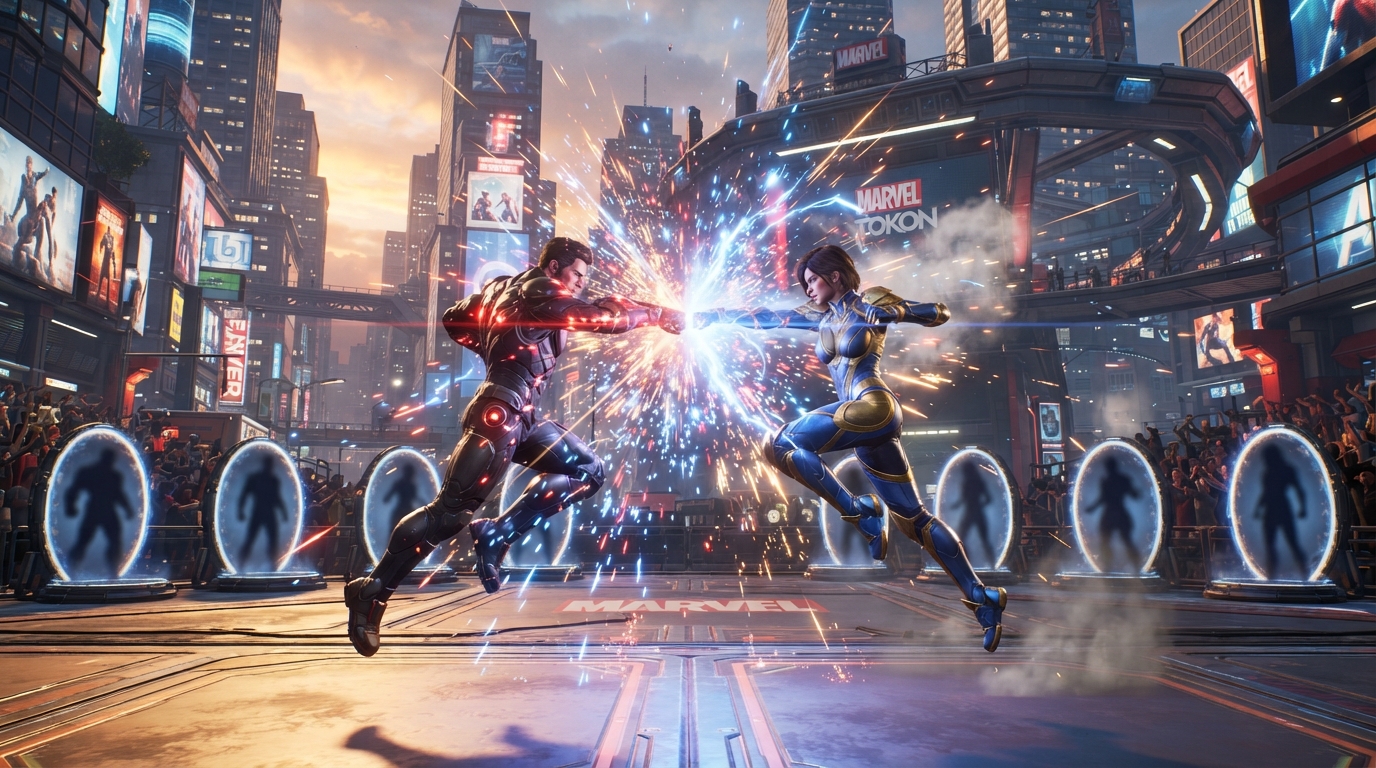
Marvel Tōkon: Fighting Souls launched on August 6, 2026, in North America and Europe, with the PS5 and PC versions following on August 7 in Australia, New Zealand, Japan, and Korea. The confirmed package is a 4v4 team fighter built around tag mechanics, multi-section arenas, and an anime-inspired Marvel presentation. That gives it plenty of spectacle, but bright effects do not automatically make a balanced game, as anyone who has watched Spider-Man get turned into airborne confetti can confirm. Early player reception should therefore be judged by match quality, readable assists, and whether the roster feels meaningfully varied, not by screenshots of expensive-looking super moves. At this stage, official launch information confirms the structure and platforms, but it does not by itself prove that the competitive meta is healthy.
The post-launch story also needs a firm divide between confirmed updates and internet shouting, because every fighting game community can turn one unpleasant matchup into a constitutional crisis. As of September 17, 2026, the available launch details do not confirm a specific downloadable character schedule, balance patch, or announced roster expansion, so claims about imminent additions should be treated as unverified until an official announcement appears. Player complaints about dominant teams, weak characters, matchmaking, or monetization may still identify real problems, but volume is not evidence, and a thousand angry posts do not equal patch notes. I will be watching whether updates address actual competitive friction rather than simply adding another flashy face to the selection screen. Until then, Marvel Tōkon looks like a promising fighter with a serious test ahead: prove the combat earns the attention, or remain a stylish machine for making Spider-Man lose online.
Marvel Tōkon Gets Its Global Launch
Marvel Tōkon: Fighting Souls launched on August 6, 2026, in North America and Europe, with PS5 and PC versions arriving in Australia, New Zealand, Japan, and Korea on August 7. That gives the 4v4 fighter a proper global starting line across console and PC, rather than a small test run disguised as a grand event. The Marvel branding will attract attention, naturally, because apparently familiar superheroes remain more effective than advertising. I still would not confuse a famous logo with a quality guarantee.
The combat is the part that has to carry this game once the novelty wears off, and the team-based structure gives it a stronger hook than simple fan service. Tag assists, character synergy, and arena movement can make each match feel like controlled chaos instead of four costumes taking turns posing. The available modes need to offer enough variety for solo players, local groups, and online competitors, because a fighter with one good mode is just an elaborate menu screen. If the fighting feels sharp and readable, the launch has a foundation. If it does not, no amount of cinematic entrances will save it.
From here, I’ll be watching balance patches, roster additions, competitive adoption, and downloadable content more closely than the launch-week noise. New characters should expand the strategy rather than simply add another brightly colored answer to a problem nobody had. The developer also needs to support the available modes and matchmaking before the player base thins out, because empty lobbies are the fastest way to turn excitement into digital tumbleweed. Marvel Tōkon has earned a fair chance on the strength of its combat, but keeping it alive will require consistent support long after the logo stops doing the heavy lifting.