
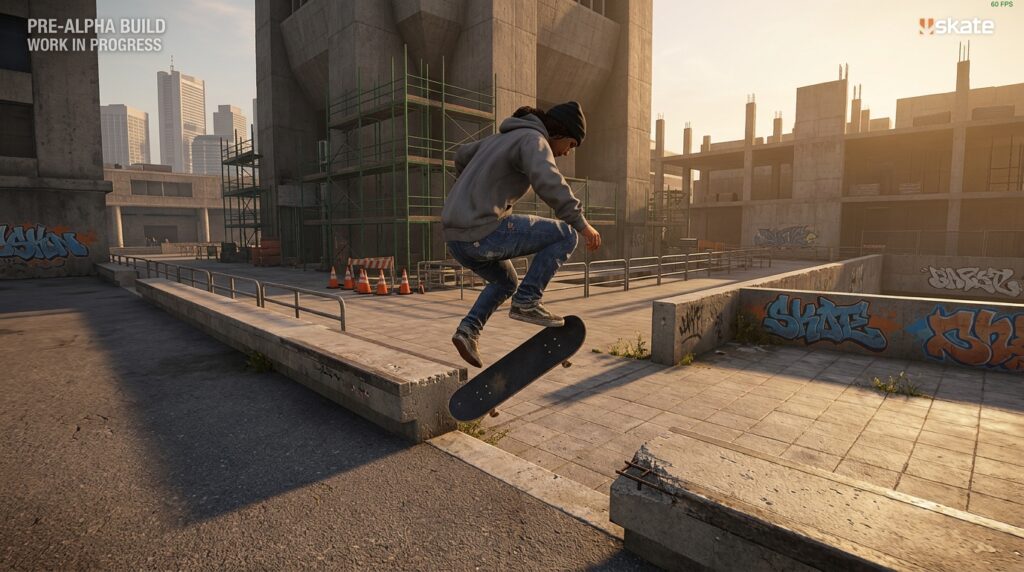
It has been over a decade since we last stepped foot in San Vanelona, and frankly, I was starting to think the developers had forgotten how to make a game that didn’t involve loot boxes or soccer cleats. Thankfully, the skate 4 playtest cycle is finally in full swing, proving that the dream of flick-it controls and bone-shattering bails isn’t dead yet. I’ve been keeping a close eye on the Insider program as it migrates from PC to consoles, and while the “pre-pre-pre-alpha” builds look like a collection of grey boxes and dreams, the physics feel suspiciously right.
We are officially entering the final stretch before the game hits Early Access, and the gates are opening wider than a poorly timed kickflip. If you’ve been sitting on the sidelines waiting for an invite, stop being a spectator and start figuring out how to get your hands on the latest build. The developers are actually listening to feedback for once, which is a refreshing change of pace for a major studio. This isn’t just about testing servers; it’s about making sure the soul of the franchise survives the jump to a free-to-play model.
Key Takeaways
- The core ‘flick-it’ control system and physics remain heavy and grounded, prioritizing technical precision over arcade-style mechanics despite the shift to a free-to-play model.
- The new San Vansterdam environment introduces improved on-foot parkour and verticality, making movement off the board a snappier and more viable way to navigate the world.
- Current playtests are in a raw ‘pre-pre-pre-alpha’ state, focusing on testing server stability and core gameplay loops rather than polished visuals or textures.
- Monetization is currently focused on optional cosmetics and ‘swag’ rather than pay-to-win mechanics, preserving the skill-based soul of the franchise.
Breaking Down The San Vansterdam Physics
The latest 0.27 build of San Vansterdam finally lets us answer the question of whether a free-to-play model has gutted the physics we spent a decade mastering. If you were worried that the new flick-it system would feel like steering a shopping cart through a ball pit, you can officially exhale. The gravity in this playtest feels surprisingly heavy and grounded, avoiding that floaty sensation that usually plagues modern arcade skaters. Popping a simple kickflip requires the same deliberate thumb precision we loved in the classic trilogy, proving the developers haven’t sacrificed the soul of the board just to appeal to the casual mobile crowd. It is a relief to see that weight matters again, especially when you are trying to stick a landing without looking like a ragdoll caught in a wind tunnel.
Comparing this build to the legendary feel of the third entry reveals some interesting tweaks to the momentum system that actually make the world feel dangerous again. While the legacy controls are intact, there is a noticeable refinement in how the board interacts with vertical surfaces and grime-slicked concrete. You can’t just mindlessly flick the stick and expect the game to magnetize you to every rail in sight like some sort of sentient Velcro. If your timing is off or your angle is garbage, San Vansterdam will happily remind you of your failure by sending your character face-first into a planter. It is blunt, it is punishing, and it feels exactly like the genuine skate experience we have been demanding since the servers went dark years ago.
The most impressive part of the current playtest is how the physics engine handles the transition from boarding to the new on-foot movement. In previous iterations, getting off your board felt like navigating a tank through a swamp, but the 0.27 build actually makes the San Vansterdam environment feel like a viable way to reach those obnoxious high-altitude spots. There is a certain snappiness to the jumping and climbing that complements the skating rather than feeling like a clunky afterthought tacked on for the sake of innovation. It is clear the team is prioritizing the feel of the world over corporate-mandated gimmicks, which gives me a shred of hope that this won’t just be a glorified storefront for digital hats. As long as they keep the gravity punishing and the flick-it controls precise, the spirit of the franchise might actually survive this transition intact.
Navigating The Skate Insider Program Gauntlet
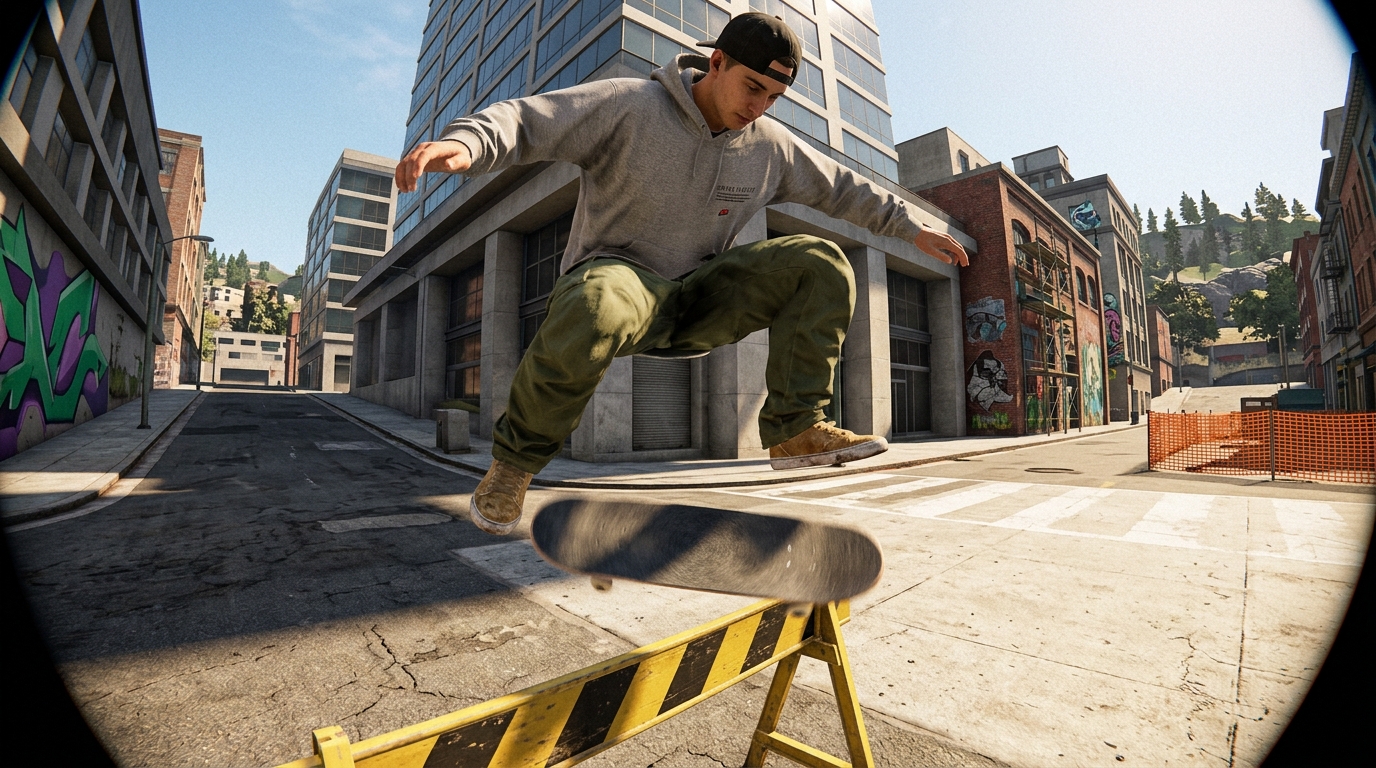
Getting into the Skate Insider program feels less like a standard beta signup and more like trying to talk your way into an exclusive underground club while wearing the wrong shoes. You hand over your data to the portal and pray to the gods of flick-it controls that you actually get an invite to the PC or console builds instead of just another marketing email. It is a frustrating gauntlet of “check your inbox” cycles that has left plenty of long-time fans staring at a blank screen while others are already out there snapping digital ankles. If you do manage to claw your way in, be prepared for a reality check because this is not a polished demo designed to sell you on a pre-order. You are essentially a glorified unpaid intern testing a skeleton of a game that still has plenty of “work in progress” signs taped to its forehead.
The big question is whether these buggy, textureless environments are actually worth the headache or if the free-to-play model is already starting to smell like a corporate boardroom meeting. Right now, the physics are a chaotic mix of brilliance and total collapse, where a simple kickflip might send you soaring into the stratosphere for no apparent reason. It is raw, it is messy, and it is definitely not the finished sequel we have been dreaming about for over a decade. However, there is a glimpse of that old soul buried under the glitches, even if the looming threat of microtransactions feels like a dark cloud over the skate park. If you can stomach the crashes and the sight of untextured concrete, it is a fascinating look at the construction site, but don’t expect a smooth ride just yet.
Navigating the current playtest is a test of patience that separates the true believers from those who just want a shiny new toy to play with on the weekend. The expansion to PlayStation 5 and Xbox Series X|S has opened the floodgates, but more players just means more people discovering exactly how much work is left to do before the wide Early Access launch. We are all collectively holding our breath to see if the soul of the franchise can survive the transition to a live-service model without being suffocated by battle passes and cosmetic fluff. For now, the playtest is a gritty, unpolished glimpse into a future that could be legendary or a total wipeout. It is worth a look if you want to help shape the game, but if you want a seamless experience, you might as well go back to replaying the classics for another year.
Free To Play Microtransactions Versus Skate Soul
The “free-to-play” label usually sends a cold shiver down the spine of any gamer who remembers when you could actually own a full product for a flat fee. With the latest skate. playtests making the rounds, the giant neon elephant in the room is how the studio plans to keep the lights on without turning the San Vansterdam dream into a digital strip mall. We have all seen franchises stripped for parts and sold back to us one hubcap at a time, so the skepticism surrounding this new business model is entirely earned. If the core physics are locked behind a paywall or if my board snaps unless I feed the machine real quarters, the soul of the franchise is effectively dead on arrival.
Early reports from the Insider program suggest that the monetization strategy is leaning heavily toward cosmetics and “swag” rather than pay-to-win mechanics, which is a relief. This is a delicate balancing act because skating is as much about the look and the culture as it is about landing a perfect kickflip. While it is a relief that we likely won’t be paying for better stats or higher ollies, the fear remains that all the “cool” gear will be gated behind a battle pass. As long as the fundamental feeling of momentum and the creative freedom of the flick-it controls remain untouched, there is a slim chance this move to a live-service model won’t totally wreck the vibe.
Ultimately, the success of this transition depends on whether the developers respect the player’s time as much as their wallet. A free-to-play game needs a massive, consistent player base to survive, and you do not get that by insulting your fans with greedy microtransactions that interrupt the flow of a session. The playtests are the perfect time for the community to call out any corporate nonsense before it becomes a permanent fixture of the experience. If they can stick the landing by keeping the store strictly optional and the skating purely skill-based, we might actually get the sequel we have been waiting for without the usual buyer’s remorse.
The Board Feel Still F—ing Matters
The million dollar question is whether you should actually be hyped for this Early Access launch or if we are all better off clinging to our dusty copies of the old games. After spending some quality time in the playtest, I can honestly say the board feel is still there, which is a massive relief for anyone worried about the transition to a live service model. The physics engine manages to capture that familiar flick-it controls magic without feeling like a cheap mobile imitation. It is definitely rough around the edges, but the core mechanics suggest the developers actually care about the legacy of the franchise. You might find some of the social hub clutter annoying, but the actual act of skating feels remarkably solid.
We have to address the elephant in the room regarding the free to play structure and whether it threatens to rip the soul out of the experience. While the fear of aggressive monetization is valid, the current state of the playtest feels more like a massive digital playground than a storefront disguised as a game. The developers are being surprisingly transparent about the development process, which is a refreshing change from the usual corporate silence we get before a major release. It does not feel like a soulless cash grab just yet, though I will be the first to start shouting if the final version locks basic tricks behind a paywall. For now, the gameplay loop is addictive enough to justify some cautious optimism.
If you are a diehard fan who has been waiting over a decade for a sequel, this is absolutely worth your time when it finally drops. You do not need to delete the old titles from your hard drive just yet, but the new world offers a level of verticality and scale that the classic entries simply cannot match. It is a bit chaotic and the “work in progress” signs are everywhere, but that is exactly what a playtest should look like. My final verdict is to lean into the hype but keep your expectations grounded in reality. This is a bold new direction for the series, and so far, it looks like it might actually be one of those games with satisfying movement mechanics that actually stick the landing.
Frequently Asked Questions
1. How do I actually get into the skate 4 playtest?
You need to sign up for the skate. Insider program on the official website and pray to the RNG gods for an invite. The gates are opening wider as they move from PC to consoles, so stop being a spectator and get your name on the list before the game hits Early Access.
2. Is the free-to-play model going to ruin the game’s physics?
The latest 0.27 build suggests the physics are actually safe and feel surprisingly heavy. Gravity feels grounded rather than floaty, meaning you still need deliberate thumb precision to land a kickflip instead of just steering a shopping cart through a ball pit.
3. What does the game actually look like right now?
It looks like a collection of grey boxes and fever dreams because it is still in a pre-pre-pre-alpha state. Don’t expect polished textures yet, as the developers are currently focusing on getting the soul of the movement right rather than making the trees look pretty.
4. Are the classic ‘flick-it’ controls still a thing?
Yes, the iconic control scheme is back and hasn’t been gutted for the casual mobile crowd. The developers are actually listening to feedback to ensure the board feels right, proving they haven’t forgotten the mechanics that made the original trilogy great.
5. Is the playtest available on consoles yet?
The playtest cycle is finally migrating from PC to consoles, so the pool of testers is expanding. Keep an eye on your inbox for an invite if you prefer a controller and a couch over a keyboard and a desk.
6. What is the new setting, San Vansterdam, like to skate?
San Vansterdam is the new playground that replaces San Vanelona, and it is built to handle everything from bone-shattering bails to technical lines. Even in its current untextured state, the map layout is designed to test whether the new engine can survive the jump to a modern live-service model. We just have to hope we avoid paying full game prices for simple cosmetic items once the store finally goes live.