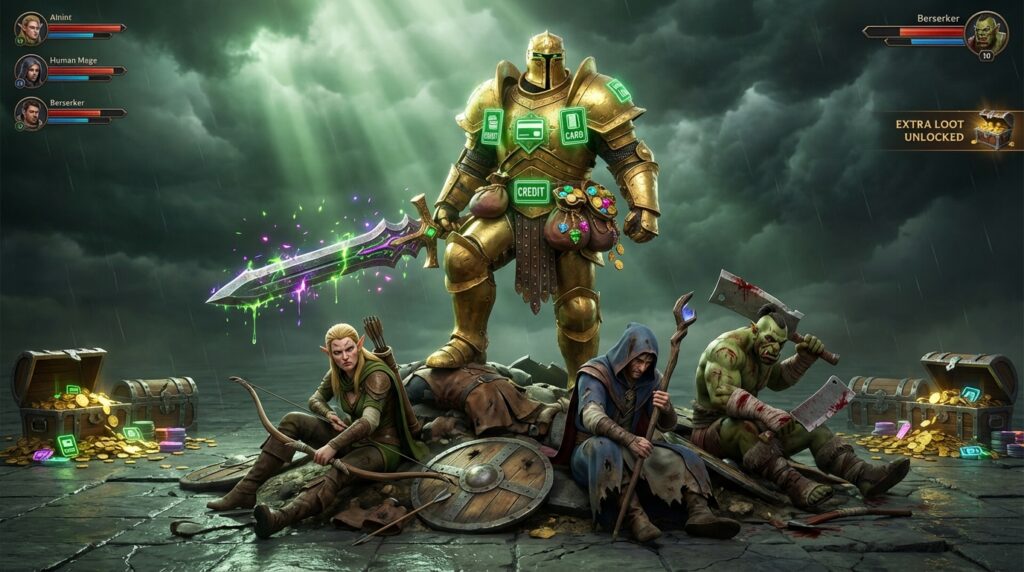
I still remember ragequitting Mobile Strike after weeks grinding my base, only to get flattened by an oil baron who bought maxed-out troops with his credit card. Pay-to-win games promise epic battles but deliver wallet wars where skill means nothing without cash boosts. Players buy rare weapons or resources that free-to-play grinders chase for months, turning fair fights into rich-kid playgrounds. It’s not gaming. It’s a scam in pixels. Spot them early to dodge the heartbreak.
Whales, those deep-pocketed players, drop hundreds on resource packs that cut build times from weeks to hours, leaving grinders in the dust. Spot the shop hawking “elite” gear or currency bundles promising a competitive edge. Games like that thrive on FOMO with exclusive content noobs can’t touch without paying. Devs hide behind “optional purchases” while balancing for spenders. Uninstall before your blood pressure spikes.
Fun dies when progression depends on your bank account, not your thumbs. P2W poisons multiplayer fairness and breeds toxic chats full of pay-to-lose tears. Some titles stick to cosmetics-only monetization, but most are lazy cash vacuums. I’ve ditched more promising betas over this than I can count. Scout the microtransactions first, or settle for eternal silver medals.
P2W Resource Acceleration Exposed
Whales drop cash on gems and watch empires skyrocket while you farm pixels like a chump. In Clash of Clans or Lords Mobile, a $10 pack skips multi-week troop training that free players endure one timer at a time. It’s not just speed. It’s domination, turning your patient upgrades into laughable relics overnight. Devs call it “acceleration,” but it’s a paywall disguised as convenience. Suddenly, that loyal f2p buddy is roadkill on the leaderboard.
You’re hyped for an epic raid, but your resource queue crawls like dial-up. Payers buy gold, fill silos in seconds, and launch attacks before you log in. Free players become irrelevant speed bumps, their weeks of tapping reduced to spectator status in clan wars. Devs prioritize your wallet over fair play. I’ve rage-quit enough to spot the scam from the tutorial.
The twist? They make grinding “fun” for suckers, but payers bypass it, leaving f2p as eternal underdogs. No daily quests close that gap when one impulse buy equals months of your life. These games feel rigged from launch. It’s capitalism in elf armor. Uninstall before you hate yourself.
Check what an acceleration purchase actually changes before deciding the game is harmless. A shorter building timer is annoying; a shorter timer that lets one player field a stronger army in the same event is a competitive advantage. That condition matters. Look at ranked modes, guild battles, and limited-time events, not just the store description. If paid boosts carry over into those fights, the shop is part of the combat system, whether the developers admit it or not.
VIP Systems Breeding Wallet Warriors
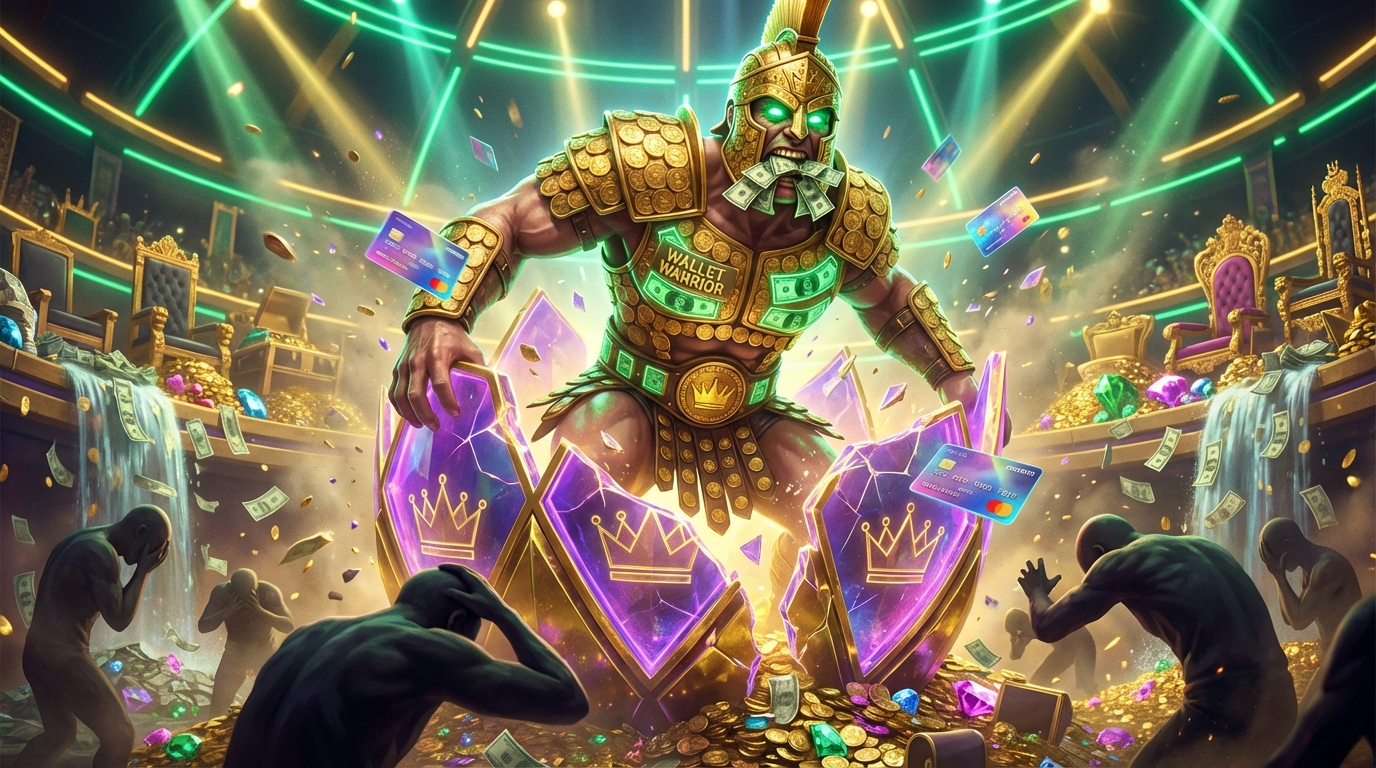
VIP systems are a caste system based on your credit card limit. You start as a peasant with basic inventory slots, scraping by on daily logins for crumbs. Spend a little for “VIP Bronze” with extra storage and free gems. Drop real cash for “Diamond Overlord,” and get unlimited inventory, daily freebies worth hours of grinding, and perks that make free players look handicapped. It’s not progression. It’s a paywall pyramid scheme as loyalty rewards. I’ve watched friends whale out to feel relevant, then rage-quit when the next tier drops.
Tiered perks scale aggressively into wallet wars. Extra inventory lets hoarders stockpile resources non-payers can’t match. “VIP-only” auctions give big spenders god-tier gear first. Daily loot boxes explode with premium currency for swipers. Non-payers grind weeks; VIPs auto-complete events with boosters. It’s predatory, breeding “wallet warriors” who dominate leaderboards by bank balance, not skill.
The joke? Paypig overlords become unbeatable gods. They flaunt diamond crowns and exclusive mounts like spending trophies while we dodge paywalls for raids. Devs call it “optional enhancement,” but it’s engineered addiction with FOMO tiers milking whales. I’ve uninstalled more over this than bad graphics. If leaderboards look like a Forbes list, it’s not a game. It’s a tax on fun. Uninstall before your wallet revolts.
Exclusive Gear Paywalls Crushing F2P
Nothing screams “fair competition” like exclusive gear paywalls locking god-tier weapons behind your credit card. I’ve lost count of F2P shooters where a $20 “Epic Void Rifle” shreds armor while my grind-earned peashooter tickles. These are power multipliers payers snag in seconds. Free players grind months for equivalence. Devs call it “optional enhancement,” but it’s legalized cheating.
Competitive modes crumble into jokes under paywalls, turning leaderboards into whale-watching. You skill into ranked, then eat missiles from daddy-funded arsenals. Matches become stomps where non-spenders play goalie for rich kids’ highlights. Effort means nothing without bucks. I uninstall faster than a bad date ghosts.
Blunt truth: this kills replayability. Payers dominate, freebies ragequit, servers empty. Devs chase short-term cash over fun, proving greed beats game design. Balance? Laughable in P2W land. Stick to real games.
Battle Pass P2W Disguises Unmasked
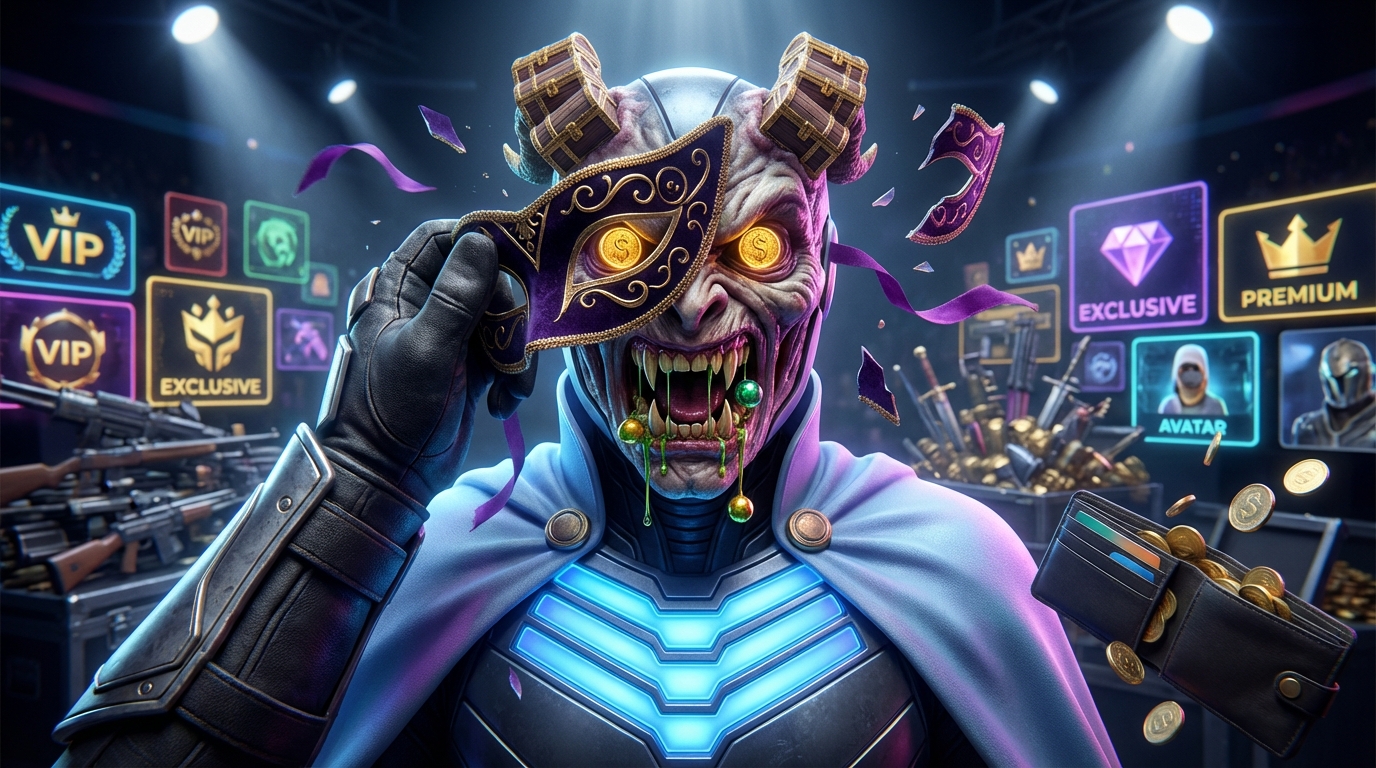
Battle passes are the industry’s slickest con, masquerading as fun while shoving pay-to-win in your face. Premium tiers pack progression skips like instant resources or exclusive gear free players chase for weeks. I’ve fallen for them, thinking “just bucks for convenience,” only to watch payers lap me in rankings. It’s a hook baited with FOMO and shiny loot. Devs call it “player choice,” but it’s a cash grab as a loyalty program.
These passes accelerate troop training in strategy games or weapon upgrades in shooters. In Clash of Clans or Call of Duty, cash buys tiers compressing months of grinding into hours. Non-payers twiddle thumbs while whales steamroll. Cosmetics distract, but “exclusives” hide power spikes. It’s P2W with a smiley face. Time isn’t money. Your money is.
Skip the premium track, and the true grind reveals itself. If a battle pass feels essential to compete, uninstall that trash. It’s not a game. It’s a job application. I’ve rage-quit after realizing skill means squat against credit card pros. Battle passes aren’t pure evil, but they’re the gateway to P2W addiction. Play smarter, laugh at suckers funding thrones.
How to Spot P2W Before the Grind Starts
Read the store with the same suspicion you’d give a suspiciously generous tutorial. A game may advertise skins and then tuck weapon stats, extra attempts, or event energy into a premium track. Check whether currency can be earned at a reasonable pace, whether paid items appear in ranked matches, and whether a purchase only saves time or also improves your odds of winning. The distinction is the whole point. A fancy hat changes your look; a rifle that hits harder changes the match.
It also helps to look at how often the game adds new offers and whether older gear stays competitive after each updated season. A rotating shop full of limited-time bundles can turn every login into a countdown clock. Optional video ads for a small reward are not automatically pay-to-win, but they can be part of a model that constantly nudges players toward bigger purchases. If there is a new “must-have” pack every week, and your goal is to keep up with people paying for power, you already have your answer.
Choose Games That Respect Your Time
Not every purchase ruins a game. Cosmetic outfits, soundtrack downloads, and expansions with substantial new content can support development without deciding who wins a match. The useful test is simple: can players who spend nothing still reach the same competitive ceiling through play? If yes, the monetization may be irritating but fair. If the answer depends on grinding through months of timers while paid players skip the line, the game has chosen its audience. Your destiny there is probably to become somebody else’s leaderboard decoration.
We recommend judging the whole loop, not one shiny trailer or a video ad promising “fair competition.” See what the game asks you to do after the tutorial, how its rewards work, and whether its latest update adds meaningful play or another payment prompt. Even a fun combat system can’t rescue a design built to make losing feel like a billing problem. There are plenty of games that respect your time. You don’t owe a bad one your evenings, your patience, or your wallet.
Worst P2W Offenders You Should Uninstall
Clash of Clans set the blueprint for gem-rush nightmares, where whales train troops in minutes while you wait days. Clones like Lords Mobile and Rise of Kingdoms crank it up, letting payers buy VIP levels snowballing into unbeatable armies. I’ve wasted hours watching free players get curb-stomped in clan wars. “Fair play” claims are a joke. It’s pay-to-dominate or bust. Rage-uninstall today. Your sanity thanks you.
State of Survival pulls the scam with zombie hordes accelerated by credit card miracles, turning survival into rich-kid flex. Last Shelter and Game of War pile on alliance boosts free players grind months for, if ever. Devs design progression walls to tempt wallets. Leaderboards ruled by spenders, not skill. Delete without mercy. Life’s too short for paywall purgatory.
Evony’s a gem-rush abomination where generals and resources flow to highest bidders, mocking balance. Non-payers don’t podium in events. These thrive on FOMO but are digital slot machines as strategy. Uninstall now, reclaim time, laugh at suckers feeding the machine.
Pay-to-Win: Wallet Crushes Skill
Pay-to-win boils down to one truth: wallet trumps skill. Devs dangle weapons and instant resources behind paywalls, turning grind into a swipe. It’s a rigged auction where highest bidder laughs last. I’ve wasted evenings watching whales steamroll noobs. It kills fun.
Mechanics are predictable and infuriating. Buy gold to skip builds or snag rare troops free players dream of. They call it “optional,” but non-payers lag weeks behind. Mobile empire-builders thrive on this, preying on FOMO till hooked or broke. Bullshit on “cosmetic only” lies. If it affects matches, it’s pay-to-win.
Steer clear unless you love funding egos. Real games reward talent and time, not platinum cards. Next tempting cash shortcut? Uninstall and find fair play. Life’s too short for wallet warriors. Stay broke but happy.
Frequently Asked Questions
1. Are pay-to-win games illegal?
Pay-to-win games are generally legal, though consumer-protection rules and loot-box regulations vary by country. A game can be obnoxiously unfair without breaking the law, because apparently bad balance is not a criminal offense.
2. Can a pay-to-win game still be fun?
A pay-to-win game can still be fun if you play casually, avoid competitive modes, or enjoy its story and social features. The fun tends to evaporate when paid upgrades decide matches that are supposed to reward skill.
3. How can parents prevent unwanted in-game purchases?
Parents can require a password or approval for every purchase, disable in-app purchases, and remove saved payment details from a child’s device or account. Check the platform’s parental-control settings too, since a shiny “limited-time offer” is not a budgeting tool.