Remember when buying a piece of plastic to play your own discs felt like trying to find a golden ticket in a desert? The ps5 disc drive shortage was easily one of the most annoying hurdles in recent gaming history, turning a basic accessory into a high-stakes scavenger hunt. While the days of refreshing browser tabs every five seconds are mostly behind us, the market is still feeling the aftershocks of Sony’s push toward a digital-only future. It’s a bit more stable now, but that doesn’t mean the hardware crunch is completely dead and buried.
If you’re still hunting for one, the good news is that you won’t have to sell a kidney to a scalper anymore. General availability has finally caught up with reality, and most major retailers are actually keeping boxes on the shelves for more than ten minutes. Of course, “available” is a relative term when you factor in the recent price hikes that make your wallet wince. It’s less of a crisis now and more of a persistent, low-grade headache for anyone who still believes in the ancient magic of physical media.
Key Takeaways
- Sony is leveraging a digital-first agenda by unbundling the disc drive from the PS5 Pro, effectively turning a standard hardware feature into a high-demand luxury accessory.
- The shift toward digital-only consoles creates artificial scarcity and price gouging, forcing physical media collectors to pay a premium to maintain ownership of their games.
- While retail stock levels are finally stabilizing, the total cost of ownership has skyrocketed, requiring nearly $900 to fully equip a PS5 Pro for physical media.
- Maintaining a physical game library has become an act of consumer defiance against a corporate push for a digital ecosystem where players only license content rather than owning it.
Sony’s Digital First Agenda And Artificial Scarcity
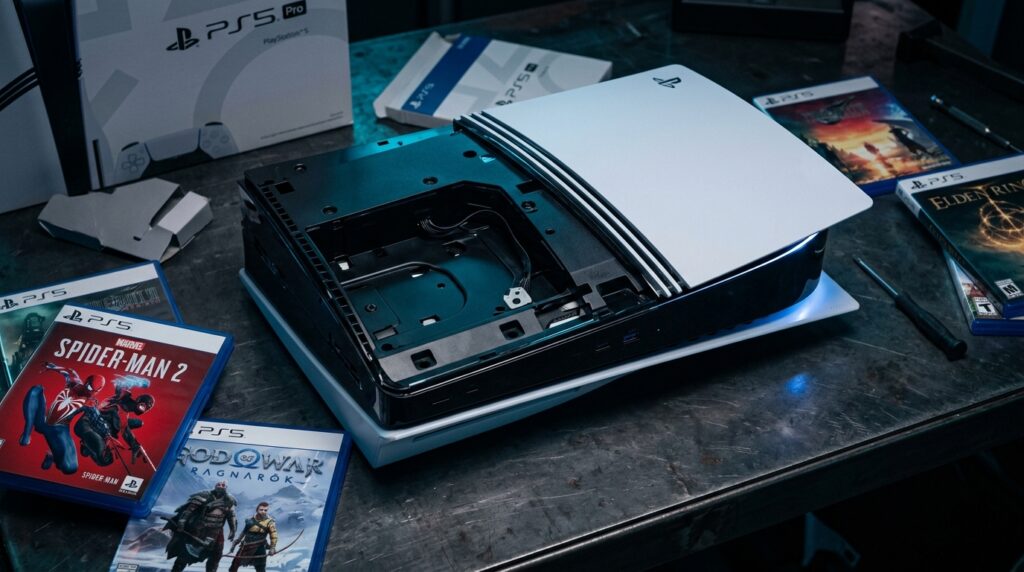
Sony has officially entered its pay-to-play era for physical media, and it is every bit as annoying as we feared. By designing the PS5 Pro as a digital-only machine and treating the disc drive like a luxury add-on, they have effectively turned a basic hardware component into a high-demand collectible. This shift toward a digital-first agenda feels less like progress and more like a calculated move to see exactly how much friction players will tolerate. We are now living in a reality where owning your games on a plastic circle requires winning a literal lottery against supply chains that seem to operate on a whim. It is a bold strategy to make your most loyal fans jump through hoops just to use the library of discs they have spent decades building.
The resulting artificial scarcity has created a perfect storm of frustration for anyone who prefers not to be tethered to a digital storefront. When a hardware manufacturer treats a core feature as an optional peripheral, they are sending a very clear message about where they want the industry to go. It is not just about the hardware being out of stock, it is about the fact that the shortage only exists because of a deliberate design choice to unbundle the drive. This problem was entirely avoidable, yet here we are, watching stock alerts like hawks just to get a basic feature that used to come standard in the box. Sony is betting that you will eventually get tired of the hunt and just give up, surrendering your consumer rights to the convenience of the digital cloud.
Even though the supply has finally started to stabilize, the sour taste left by this entire ordeal is not going away anytime soon. The hardware crunch proved that when you treat physical media as a niche hobby rather than a standard, the ecosystem becomes incredibly fragile. We saw prices hike and availability plummet, all while the corporate messaging remained focused on the seamless digital future that nobody actually asked for. It is a classic case of creating a bottleneck and then acting surprised when everyone tries to squeeze through it at once. If this is the blueprint for the future of gaming, we are looking at a situation where the simple act of putting a disc in a tray is considered a premium experience rather than a basic right.
Scalpers And The Secondary Market Price Gouging

The moment Sony decided to make the disc drive an optional $79 accessory instead of a built-in standard, they essentially rolled out a red carpet for the internet’s most opportunistic bottom-feeders. We all watched in real-time as the secondary market transformed a simple piece of plastic and lasers into a high-stakes commodity that rivaled the price of a mid-range GPU. It is genuinely impressive how quickly scalpers can sniff out a supply bottleneck, snatching up every available unit just to hold physical media hostage behind a three-figure paywall. While most of us were just trying to play the games we already own, these digital pirates were busy inflating prices by two hundred percent because they knew exactly how desperate fans were to avoid an all-digital future.
The most frustrating part of this entire ordeal is how the “Out of Stock” button became a permanent fixture on every legitimate retail site while the secondary market remained suspiciously flush with inventory. It felt like a coordinated punch to the gut for anyone who prefers owning their library rather than renting it from a server that could disappear in a decade. These resellers aren’t providing a service or balancing the market, they are simply parasites feeding on a manufactured scarcity that Sony failed to address for far too long. Watching a $79 part get listed for $250 by someone who doesn’t even own a console is the kind of industry nonsense that makes you want to throw your controller through the window.
Thankfully, the fever has finally started to break as stock levels stabilize, but the damage to the consumer’s trust is already done. We shouldn’t have to treat a basic hardware component like a limited-edition sneaker drop or a rare trading card just to use the discs sitting on our shelves. The fact that price gouging became the standard for so long proves that the push toward a digital-only ecosystem is being built on the backs of frustrated gamers. It is a cynical cycle where the manufacturer creates the problem by limiting supply, and the scalpers swoop in to extract every last cent from the people who just want to keep their physical collections alive.
The Rising Cost Of Plastic And Greed
Sony’s current hardware strategy feels like a masterclass in how to squeeze your most loyal fans until their wallets scream for mercy. When the PS5 Pro finally hit the shelves at a staggering $700, the realization that it didn’t even include a disc drive was the first punch to the gut. By the time you add the vertical stand and the external drive, you are staring down a nearly $900 bill just to play the physical games you already bought and paid for. This isn’t just a supply chain hiccup, it is a calculated push toward a digital future where you own nothing and the manufacturer controls every single price point. Paying a premium for the basic privilege of using a disc is a trend that treats the consumer like a walking ATM rather than a valued player.
The artificial scarcity we saw during the initial hardware crunch might have cooled down, but the bitter taste of that luxury tax remains. It is genuinely impressive how the industry has rebranded a standard feature as a high-end accessory while hiking the price of the base machine simultaneously. We are being told that physical media is a niche hobby for collectors, yet the secondary market prices proved that players still desperately want to own their software. Sony is effectively charging us for the solution to a problem they created by stripping the console of its essential parts. If this is the PS5 Pro Upgrade Features Breakdown for the future of gaming, it’s a future where your library is only as permanent as a server’s lifespan and your hardware costs more than a decent used car.
The most frustrating part of this entire ordeal is the sheer audacity of the price hikes in an era of supposed manufacturing efficiency. We are essentially being asked to subsidize a digital-first ecosystem that only benefits the platform holder’s bottom line. When a plastic drive and a bit of laser tech become a high-demand luxury item, you know the industry has lost its way. It is a blatant move to kill off the used game market and ensure that every cent spent on software goes directly through one specific storefront. Calling it greed feels like an understatement when you realize we are paying more money for less functionality than we had a decade ago.
The High Price of Digital Defiance
Deciding whether to hunt down a disc drive in 2026 feels less like a hardware upgrade and more like a desperate act of defiance against a future we never actually voted for. While the stock levels have finally stopped looking like a barren wasteland, the fact that we have to treat a basic feature as a premium add-on is still a bitter pill to swallow. Sony is clearly betting that you will eventually get tired of checking inventory and just surrender to the digital storefront. It is a classic move of creating a problem and then selling you a hundred-dollar solution, provided you can actually find it sitting on a shelf. If you have a massive collection of physical games gathering dust, the hunt is still mandatory, but it is okay to be annoyed that we are even in this position.
The reality is that keeping your physical library alive is becoming an expensive hobby rather than a standard way to play games. We are being conditioned to accept a world where we own nothing and just license everything until a server somewhere decides to blink out of existence. Even when you have the disc, day one patches often mean you’re still tethered to a server just to get the game running properly. Every time you refresh a retail page hoping for a restock, you are essentially fighting to keep control over the media you already paid for. It is a frustrating game of cat and mouse that makes deleting your library and going digital look like the path of least resistance. That is exactly what the industry wants, so if you are the type who hates being told how to spend your money, you should probably keep hunting for that drive.
Ultimately, the struggle for a disc drive is only worth it if you refuse to let your old discs become shiny coasters. If you can snag one at the current market price without feeding a scavenger, do it now before the next hardware crunch makes them rare artifacts again. Otherwise, you might as well start getting comfortable with the idea of a digital-only shelf that lives entirely in the cloud. It is a cynical shift in the gaming landscape, but at this point, your patience is the only thing standing between a physical legacy and the crumbling state of video game preservation and a total digital takeover. Just do not expect the industry to make it easy for you to stay old school while they are busy building a future without boxes, even if you already own the best PSVR2 games that finally make the hardware worth playing.
Frequently Asked Questions
1. Why is it so hard to find a PS5 disc drive lately?
Sony decided the PS5 Pro should be digital by default, turning a basic hardware component into a high demand collectible overnight. This created a massive supply bottleneck because thousands of people suddenly needed the same add on just to play the games they already own.
2. Is the shortage finally over or am I still dreaming?
The situation is stabilizing and you can actually find them on shelves for more than five minutes now. It is less of a national emergency and more of a low grade headache, so you probably won’t need to trade a kidney to a scalper anymore.
3. Why did Sony make the PS5 Pro digital only in the first place?
It is a calculated move to push a digital first agenda and see exactly how much friction players will tolerate. By making the disc drive an optional luxury, they get to control the marketplace while making you jump through hoops to use physical media.
4. Should I buy a disc drive from a third party seller?
Only if you enjoy lighting money on fire for zero warranty protection. Stick to major retailers now that stock is catching up, because giving into scalper prices only encourages Sony to keep pulling these supply chain stunts.
5. Will my old physical PS4 and PS5 games work with this add on drive?
Yes, the drive functions exactly like the built in one and will read your existing library of plastic circles perfectly. It is the same technology we have used for decades, just sold back to us in a separate, more expensive box.
6. Is physical media actually dying or is Sony just being dramatic?
Sony is trying to kill it to maximize their store profits, but the demand for these drives proves players still want to own their games. As long as we keep fighting for the right to buy discs, physical media will stay on life support despite the industry’s best efforts.