Remember when we all collectively lost our minds because a piece of plastic cost sixty bucks? Well, grab your wallet and a stiff drink, because 70 dollar game pricing is officially the new normal whether your bank account likes it or not. From Starfield to the upcoming Monster Hunter Wilds, publishers have decided that our nostalgia and free time are worth exactly ten dollars more than they used to be. It is a bold move for an industry that still tries to sell us Gold Editions for the price of a used sedan.
The funniest part is that we are actually paying it. We grumble on Reddit, post a few angry memes, and then immediately hit pre-order the second a shiny trailer drops. Historically speaking, we are actually getting a bargain compared to the 90s when N64 cartridges cost more than a small television, but that does not make the sting any less annoying. If I am dropping seventy credits on a game, it better be a masterpiece that cures my insomnia, not a buggy mess that needs six months of patches to function.
Key Takeaways
- The shift to $70 pricing is a corporate attempt to test consumer limits rather than a necessity of inflation, especially as digital distribution and massive player bases have lowered per-unit costs.
- Modern AAA games often charge a premium upfront only to further monetize players through battle passes, microtransactions, and seasonal stores that compromise the core gameplay loop.
- High development budgets have killed industry innovation, forcing studios to produce safe, predictable sequels and ‘checklist’ open worlds to guarantee shareholder returns.
- Adopting a ‘patient gamer’ strategy by waiting for Steam sales allows you to purchase patched, superior versions of games for a fraction of the launch price.
The Myth Of Inflation Versus Corporate Greed
The industry loves to trot out the inflation argument like it is some kind of universal shield against our collective frustration. They will tell you that a cartridge in 1997 cost seventy dollars, which would be over a hundred today, so we should actually be thanking them for the bargain. It is a cute history lesson, but it conveniently forgets that the gaming market has ballooned from a niche hobby into a global juggernaut with billions of players. When you are selling tens of millions of digital copies with zero manufacturing costs, the old math starts to look a lot like a corporate fairy tale. They are not struggling to keep the lights on, they are just testing how much weight our wallets can actually carry before they snap.
The real kicker is that this seventy dollar price tag is rarely the total cost of entry anymore. Back in the day, that high price got you the whole game, but now it just buys you the privilege of being harassed by battle passes and seasonal stores. Most AAA titles are designed like digital shopping malls where the exit is blocked by a three tier currency system and a limited time skin. It is hard to swallow a price hike when the game itself is constantly begging for another ten dollars to unlock a color palette or a basic progression track. Calling it a premium experience is a stretch when the gameplay loop is intentionally slowed down to encourage more spending.
We are essentially being asked to pay more upfront for the honor of being monetized later. If a publisher wants to charge seventy dollars, they should deliver a finished, self contained product that does not feel like a storefront with a combat system attached. Instead, we get games that launch with bugs, roadmaps for missing content, and a psychological pressure to keep spending just to stay relevant. It is not about the rising cost of development as much as it is about satisfying shareholders who want every single cent you own. We should stop pretending this is about the economy and start calling it what it actually is, which is a blatant grab for more cash under the guise of necessity.
Big Budgets And The Death Of Risk Taking
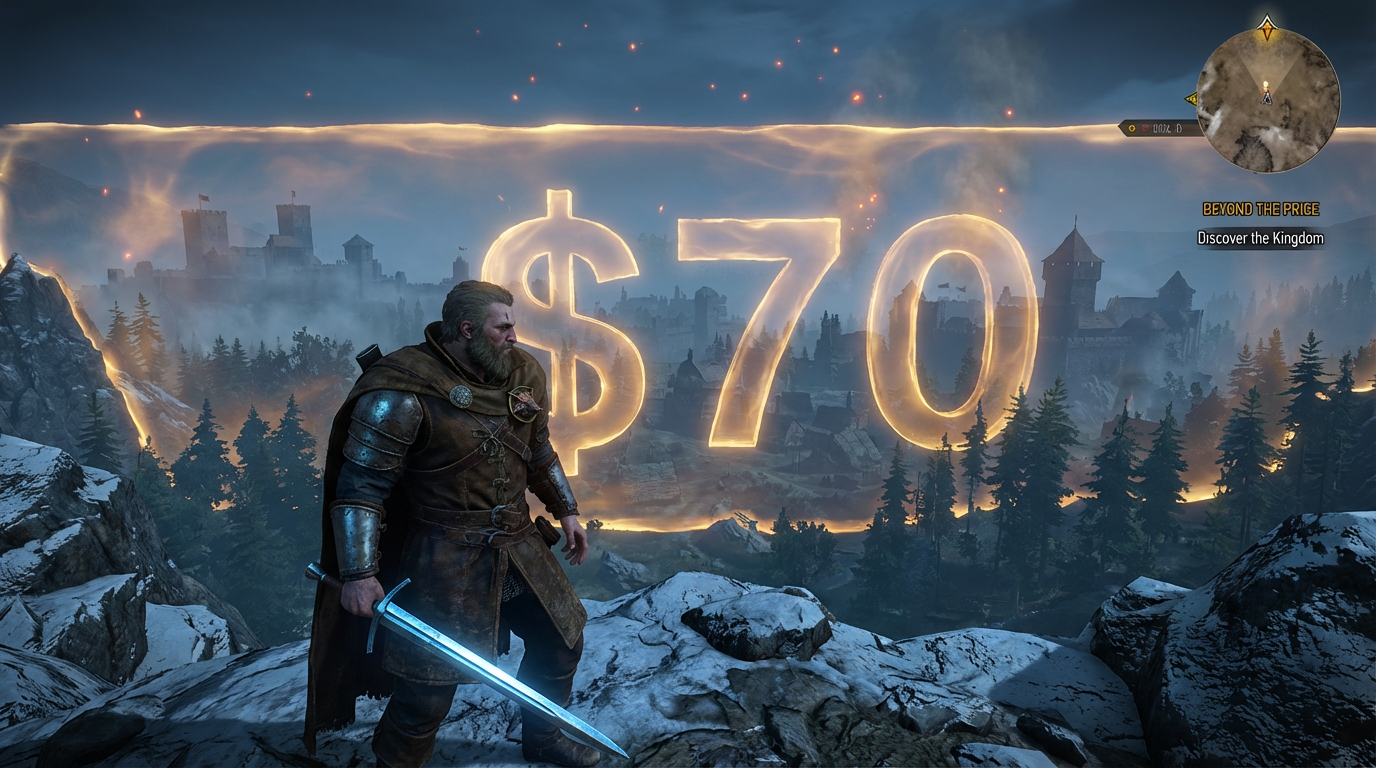
The seventy dollar price point has turned modern game development into a high stakes game of corporate chicken where nobody wants to blink first. When a publisher sinks two hundred million dollars into a single project, they are not looking to change the world, they are looking for a guaranteed return on investment. This financial desperation is why we are drowning in a sea of safe, predictable sequels that feel more like spreadsheet updates than actual creative works. Instead of taking a wild swing on a weird new mechanic, studios are forced to polish the same tired tropes until they shine with a dull, expensive luster. We are paying a premium price not for better ideas, but for the high development budgets and bloated safety nets required to protect a corporate board’s bottom line.
Innovation is the first casualty when a single failure can result in an entire studio being shuttered overnight. You won’t find many risks in a seventy dollar title because the cost of entry is too high for both the developer and the consumer to gamble on something unproven. This results in the Ubisoft-ification of the industry, where every open world game is just a checklist of icons and every shooter is a live service nightmare designed to sell you digital hats. These games are designed by committee to be just good enough to justify the price tag without ever being bold enough to fail. It is a cynical cycle that prioritizes technical fidelity and map size over the kind of soul that made us fall in love with gaming in the first place.
If you want to see where the real magic is happening, you usually have to look at the twenty dollar indie scene where developers can actually afford to be weird. The AAA giants have become too big to fail and, by extension, too boring to care about beyond their shiny graphics. We are essentially being asked to subsidize a lack of imagination under the guise of rising production costs and inflation. It is a classic case of paying more for less, where the less in question is the spark of originality that used to define the industry. Until we stop rewarding these bloated, risk-averse behemoths with our pre-orders, we are going to keep getting the same polished junk year after year.
Steam Sales And The Patient Gamer Revolution
The seventy dollar price tag is the industry’s way of testing exactly how much salt we are willing to swallow with our digital entertainment. While publishers point to rising development costs and inflation, the reality is that most of these AAA titles launch with more bugs than a bait shop and enough microtransactions to make a mobile game blush. Paying a premium for the privilege of being an unpaid beta tester is a losing game that only the most impatient players choose to play. There is no world where a standard edition of a game justifies a ten dollar hike when the actual content is often recycled from the previous entry. Steam users have realized that the real power move is simply closing your wallet and waiting for the inevitable price collapse.
Being a patient gamer is not just about saving money, it is about maintaining your dignity in a market that views you as a walking ATM. By the time a game hits its first major Steam sale, the developers have usually patched out the game breaking glitches and added the quality of life features that should have been there at launch. You end up paying thirty dollars for a superior, polished version of the same product that the early adopters paid seventy dollars to struggle through. The revolution is fueled by the realization that digital goods do not expire and there is no trophy for being the first person to finish a broken game. It is high time we stop rewarding corporate greed and start prioritizing our own entertainment budgets.
The gap between console pricing and the PC marketplace has never looked more like a giant tax on convenience. While Sony and Microsoft try to normalize seventy dollars as the baseline, the open nature of PC gaming allows for constant competition and deeper discounts. You can often snag three legendary indie RPGs or a year old masterpiece for the cost of one mediocre day one release on a console. Choosing to wait six months is the only sane response to an industry that thinks a shiny cinematic trailer justifies a price hike. If a game is truly a masterpiece, it will still be a masterpiece when it is forty percent off and actually functional.
When Seventy Bucks Actually Makes Sense
Deciding if a game is worth seventy dollars usually comes down to whether the developers actually respected your time and wallet. While inflation math suggests we should be glad we are not paying the hundred dollar equivalent of the N64 cartridges era, that logic fails when a game is stuffed with microtransactions and battle passes. A massive, polished experience like Starfield or Monster Hunter Wilds can justify the hike by offering hundreds of hours of quality entertainment. However, if a studio expects seventy bucks for a buggy, live service mess that feels like a second job, you should keep your credit card in your pocket. We have to stop rewarding corporate greed that treats a premium price tag as a baseline for mediocrity.
If you find yourself staring at a digital storefront and feeling a sense of dread, it is probably time to pivot to your backlog. Most of us have dozens of incredible titles gathering digital dust that cost a fraction of today’s AAA standard. There is no rule saying you have to play a game the week it launches, especially when a six month wait usually nets you a patched version for half the price. Let the early adopters pay the impatience tax while you enjoy the hits you already own. The industry will only chill out on these prices when they realize we are not desperate enough to buy every shiny new box they throw at us.
Ultimately, the seventy dollar price point is a test of our collective standards as gamers. If a game is truly groundbreaking and finished at launch, it earns its place on your SSD regardless of the cost. When publishers get lazy and try to sell us a sixty dollar game with a ten dollar prestige markup, we have to be willing to walk away. You are the one with the leverage here, so use it to demand better products instead of just accepting the new normal. Grab a controller, play something you actually love, and let the overpriced junk rot on the digital shelf until it hits the bargain bin. Even if you have a high-end rig, many recent ports simply aren’t worth the premium price tag until they are properly optimized.