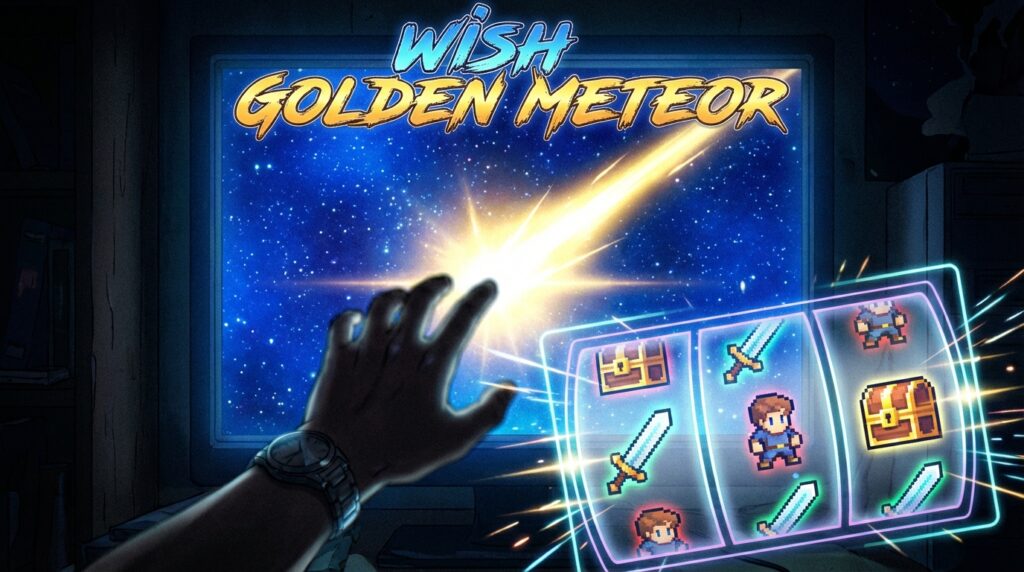
We’ve all been there: you’re one pull away from that shiny S-tier character, and suddenly your bank account is looking thinner than a survival horror protagonist’s health bar. This isn’t just bad luck; it’s the result of predatory gacha mechanics designed by people with PhDs in making you part with your grocery money for a JPG. These systems turn your favorite hobby into a digital casino that lives in your pocket, minus the free drinks and the faint hope of actually winning something tangible.
The industry loves to dress this nonsense up in fancy terms like player engagement and recurrent consumer spending, but let’s call it what it is: a slot machine with a paint job. Whether it’s a pity system that makes you feel like you’re winning while you’re losing, or a complete gacha setup that requires a full set of items to be useful, the goal is always the same. It’s time we look past the flashy animations and cute mascots to see the cold, calculated math trying to pick-pocket your dopamine.
Key Takeaways
- Gacha mechanics are predatory digital casinos that use complex math and psychological manipulation to exploit player dopamine for financial gain.
- Pity systems and ‘complete gacha’ requirements are snares designed to trigger the sunk cost fallacy, forcing users to continue spending to justify previous losses.
- Developers utilize a deliberate ‘power creep and nerf’ cycle to sell temporary competitive advantages that are eventually neutralized to make room for the next paid solution.
- Games intentionally obscure real-world costs through abstract premium currencies and hidden drop rates to disconnect players from the financial reality of their spending.
The Psychological Trap Of Pity Systems
Pity systems are the industry’s way of patting you on the back while they pick your pocket, acting as a safety net that is actually a snare. When you have struck out on fifty consecutive pulls and feel the urge to finally close the app, the game whispers that you are only twenty rolls away from a guaranteed legendary. This is not generosity, but a calculated move to prevent churn by turning your frustration into a financial commitment. They know that once you have invested eighty dollars into a specific banner, the sunk cost fallacy kicks in and convinces you that quitting now would be a waste of money. It is the ultimate psychological gotcha that transforms a moment of rational exit into a desperate sprint toward a digital finish line.
The math behind these systems is designed to feel like a fair deal, but it really just creates a floor for how much you are expected to bleed. Developers realize that if players never win, they eventually stop playing, so they bake in a guaranteed drop to keep the dopamine loop on life support. By showing you a progress bar or a counter, they shift the focus from the predatory odds to a sense of inevitable progress. You aren’t gambling anymore in your mind, but rather earning a character through a series of expensive, failed attempts. It is a brilliant bit of gaslighting that makes you feel like the house is doing you a favor by finally handing over the pixels you already overpaid for.
Hero shooters and mobile crossovers love this tactic because it turns a casual fan into a dedicated spender under the guise of bad luck protection. You might have only wanted one cool skin, but the pity system counter ensures you stay engaged until you have hit the maximum spending limit. These mechanics exploit the human brain’s desire for closure, making it physically painful to walk away when the game tells you that a win is just around the corner. It is a cynical cycle where the industry sells you a solution to a problem they created in the first place. You aren’t beating the system when you hit that pity milestone, because the system already decided exactly how much your luck was going to cost.
Complete Gacha And The Collection Extortion

Complete gacha is the industry’s favorite way to turn a standard hero shooter into a digital scavenger hunt where the prize is locked behind a paywall made of pure frustration. It is not enough to simply pull for the cool new character anymore, because now you have to collect five specific legendary skins or weapon charms just to unlock the one thing you actually wanted. This creates a psychological trap where you feel like you have wasted your money if you do not finish the set, effectively holding your previous purchases hostage until you cough up more cash. It is essentially a puzzle where every piece costs ten dollars and you have no guarantee the box even contains the part you are missing.
The sheer audacity of this mechanic relies on the fact that humans hate leaving things unfinished, a trait developers are more than happy to exploit for a quarterly bonus. You might start with a free pull that lands you a rare boot, and suddenly you are five hundred dollars deep because you cannot bear the thought of having an incomplete kit. It is the ultimate sunk cost simulator disguised as a fun crossover event, and it treats players like ATMs with a gambling addiction. If a game requires you to win five separate lotteries just to use one advertised feature, it is not a game, it is a sophisticated mugging with better graphics.
This level of collection extortion is exactly why modern monetization feels more like a chore than a reward system. We used to play games to unlock secrets by being good at the controls, but now the only skill involved is how fast you can type in your credit card security code. There is no prestige in owning a complete set when everyone knows you just brute-forced a random number generator until it gave up. When a developer builds a system that actively punishes you for not owning everything, they are telling you exactly what they think of your time and your wallet.
The Infamous Power Creep And Nerf Cycle
We have all seen the cycle where a developer drops a new hero who is so blindingly broken they practically play the game for you. They plaster the storefront with shiny banners and limited time countdowns to trigger that sweet FOMO while the community screams that the meta is ruined. Of course, the meta is ruined on purpose because the goal is to make you feel like your current roster is a pile of damp cardboard. You dig into your wallet, chase the pity system, and finally pull the shiny new god king just to keep up with the competition. It is a brilliant bit of psychological warfare designed to turn your competitive drive into a direct deposit for the studio.
The punchline comes about three weeks later when the sales figures start to dip and the developers suddenly rediscover the concept of game balance. With the grace of a sledgehammer, they drop a patch that guts your expensive new toy, leaving them as a shell of their former self. They will call it a necessary adjustment for the health of the game, but we all know the truth is much sleazier than that. Your investment was never meant to last because a balanced game does not sell the next overpowered solution. They neuter the old king specifically to clear the throne for the next six star mistake they plan to sell you next month.
This bait and switch routine is the dirtiest trick in the gacha playbook because it treats the players like disposable batteries. You are not buying a character so much as you are renting a temporary advantage that expires the moment the developer needs more quarterly growth. It is a digital treadmill where the speed keeps increasing and the only way to stay on is to keep feeding the machine your lunch money. If a studio spends more time tuning their monetization triggers than their actual gameplay loops, it is time to hit the uninstall button. Stop paying for the privilege of being manipulated by a spreadsheet dressed up in flashy anime aesthetics.
Information Asymmetry And Blurred Spending Lines
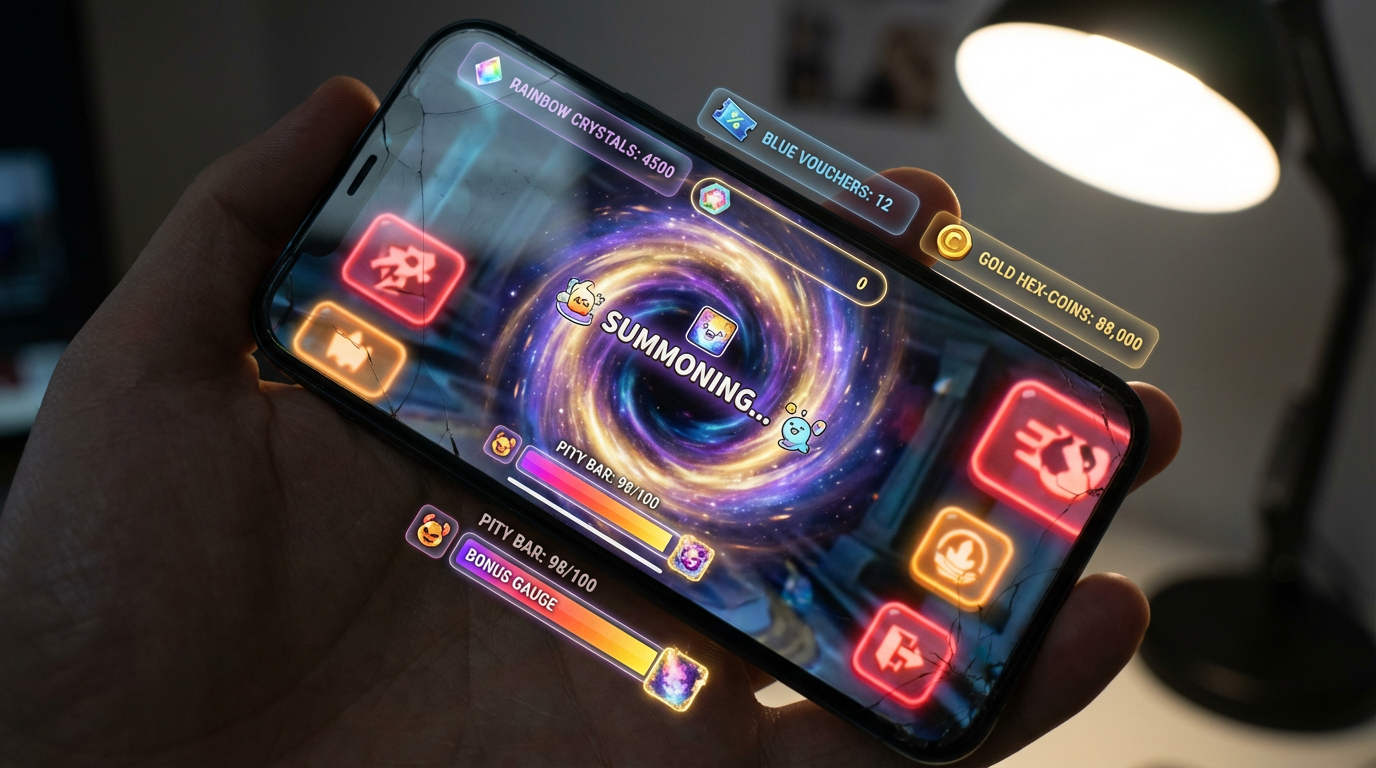
The industry loves to wrap its greed in three layers of colorful abstraction to make sure you never actually feel the sting of your bank account draining. They start by converting your hard earned cash into Gems or Hero Credits because it is psychologically easier to drop 500 sparkly blue triangles on a digital waifu than it is to swipe for twenty actual dollars. This intentional disconnection is designed to blur the lines of reality, turning your budget into a hazy suggestion rather than a hard limit. By the time you realize those bonus bundles are mathematically rigged to leave you just short of a pull, the house has already won. It is a shell game played with pixels, and the only person losing real world value is the one holding the controller.
Hidden odds are the second half of this toxic equation, often buried under layers of menus that require a private investigator to find. Developers might claim a one percent drop rate for that legendary crossover skin, but they rarely mention the complete gacha traps where you need six specific random items just to unlock the one you actually want. Pity systems are marketed as a safety net for the player, but in reality, they are just a hook to keep you spending until you hit a guaranteed win that you have already overpaid for. These hero shooters and mobile ports rely on you not doing the math because the math is objectively terrifying. They want you focused on the flashing lights and the dopamine hit of a gold chest, not the fact that you just spent a week’s worth of groceries on a randomized costume.
This information asymmetry ensures the house always has the upper hand while you are left guessing your actual chances of success. When a game refuses to show you the clear, unvarnished truth about its randomized loot, it is because the truth would make you hit the uninstall button immediately. We are seeing a shift where games are no longer designed around fun mechanics, but around how many barriers they can put between your wallet and your common sense. If a title requires a spreadsheet and a currency converter just to figure out what a fair price is, it is not a game anymore. It is a digital casino that somehow convinced the world it was just a harmless hobby for fans of the genre.
Spotting the Digital Shakedown Before You’re Broke
Recognizing when a game has stopped being a hobby and started being a predatory roommate is the first step toward reclaiming your sanity. If you find yourself staring at a complete gacha requirement where you need five specific random drops just to unlock one usable character, you are being played. This is not gameplay, it is a digital shakedown designed to exploit your completionist urges until your bank account hits zero. Pity systems are equally deceptive, acting as a psychological safety net that encourages you to keep spending because you are due for a win. When the game starts tracking your near misses to keep you on the hook, it is time to walk away.
You should also keep a sharp eye out for information asymmetry and the intentional obfuscation of real world costs. If a game buries its drop rates under three layers of menus or forces you to convert cash into confusing premium currencies, they are trying to hide the true price of your addiction. Hero shooters and mobile crossovers love to use these flashy distractions to mask the fact that you are essentially pulling a slot machine lever with a fresh coat of paint. A game that respects your time and money will let you buy what you want directly without making you jump through randomized hoops. If the Buy Now button is the most polished part of the interface, do yourself a favor and hit the uninstall button instead.
Frequently Asked Questions
1. What exactly makes a gacha mechanic predatory?
It is a system that uses psychological manipulation and complex math to trick your brain into spending money. These games are digital casinos disguised as entertainment, specifically designed by experts to exploit your impulse control and dopamine receptors.
2. Isn’t the pity system actually a good thing for players?
Absolutely not, it is a snare disguised as a safety net. It exists to trigger the sunk cost fallacy, making you feel like you have to keep spending because you are close to a win. It does not exist to be generous, it exists to prevent you from closing the app when you should.
3. Why do developers use terms like recurrent consumer spending?
That is just corporate speak for we want to pick-pocket you every single day. They use boring, academic language to hide the fact that they are turning a hobby into a financial drain. If they called it milking the players, people might actually get mad.
4. What is a complete gacha and why is it dangerous?
This is a setup where a single item is useless unless you pull the entire set. It forces you to keep rolling because that shiny new sword you just won is a paperweight without the matching armor and boots. It turns a single purchase into a mandatory shopping spree.
5. How do flashy animations influence how much I spend?
Those lights and sounds are the same tricks used by slot machines to keep you in a trance. The big win animation is designed to give you a rush that overrides your common sense. It is a calculated distraction from the fact that you just spent twenty dollars on a jpeg.
6. Can I enjoy these games without falling into the traps?
You can try, but you are playing against a deck that is heavily stacked in the house’s favor. The only way to win is to see the math for what it is and refuse to let a digital mascot dictate your bank balance. If the fun stops the moment you stop paying, it is time to hit the uninstall button.