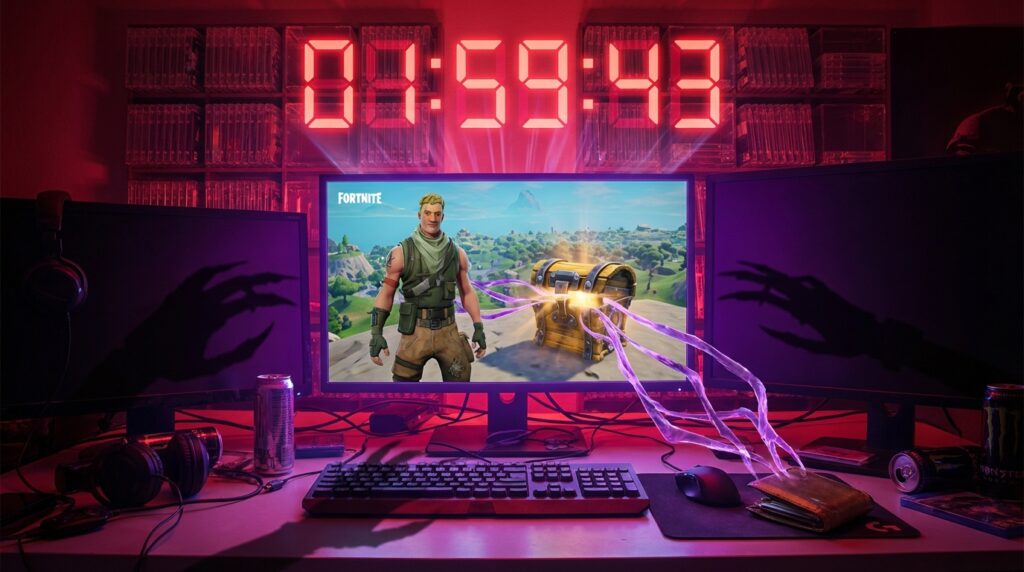
We’ve all been there: staring at a countdown timer that’s bleeding seconds while a “Limited Edition” skin screams at us to buy now or live in eternal shame. It’s not just unlucky timing; it’s a calculated ambush using predatory tactics designed to shut down your brain and open your wallet. These developers aren’t selling you fun; they’re weaponizing your own anxiety to make sure you don’t realize that “one-of-a-kind” digital hat is actually worth less than the electricity used to render it.
By leveraging scarcity and loss aversion, the industry has turned gaming into a high-pressure sales floor where the “pleasure” of buying is just the temporary relief of not losing out. They want you to believe that missing a virtual sale is a tragedy, bypassing your logic for a quick conversion. It’s time to stop treating these psychological traps like standard features and start calling them what they actually are: desperate, manipulative nonsense.
Key Takeaways
- Modern game developers weaponize artificial scarcity and loss aversion by using rotating storefronts to bypass rational thought and trigger panic-driven purchases.
- Digital goods have zero manufacturing costs and infinite supply, making ‘limited edition’ tags and ‘vaulting’ items transparently manipulative tactics designed to manufacture fake value.
- Battle passes and rotating shops transform gaming into a high-pressure job by exploiting the ‘sunk cost’ trap and forcing players to choose between their time and exclusive rewards.
- The industry uses social proof and live activity feeds as psychological cattle prods to make players feel isolated or ‘left behind’ if they do not participate in current spending trends.
The Weaponization Of Rotating Item Shops
The modern digital storefront has successfully transformed into a high pressure psychological gauntlet designed to make you sweat over a pile of pixels. Developers have ditched the idea of a permanent catalog in favor of rotating shops that treat every cosmetic item like a once in a lifetime celestial event. You log in to find a countdown timer ticking away next to a neon colored skin, whispering that if you do not pull the trigger now, it might never return from the digital void. This is not about convenience or curation, but rather a calculated attempt to bypass your rational brain and trigger a panic purchase. By the time you realize that twenty dollars is a ridiculous price for a virtual hat, the transaction is already complete and the shop has reset.
This weaponized scarcity relies on the fact that humans are hardwired to avoid the sting of missing out more than we enjoy the thrill of gaining something new. Publishers know that if they leave an item on the shelf indefinitely, you might actually take the time to think about whether you need it. By forcing a twenty four hour window, they replace your critical thinking with a frantic sense of urgency that makes loss aversion do all the lifting. It is a cynical exploitation of cognitive biases that turns a simple hobby into a series of stressful, timed ultimatums. They are not selling you a cool look for your character so much as they are selling you temporary relief from the fear of being left behind.
The irony is that these digital goods have zero manufacturing costs and an infinite supply, making the artificial scarcity even more insulting to the average player. There is no logical reason for a skin to vanish from a store other than to manufacture a fake sense of value through forced exclusivity. When a game uses these predatory tactics, it stops being a product you enjoy and starts behaving like a pushy salesman who refuses to let you leave the room without a signature. It is a transparently desperate move that prioritizes short term revenue spikes over the long term trust of the community. If the only way you can sell a product is by holding it hostage behind a ticking clock, your product probably was not that great to begin with.
Battle Passes And The Sunk Cost Trap
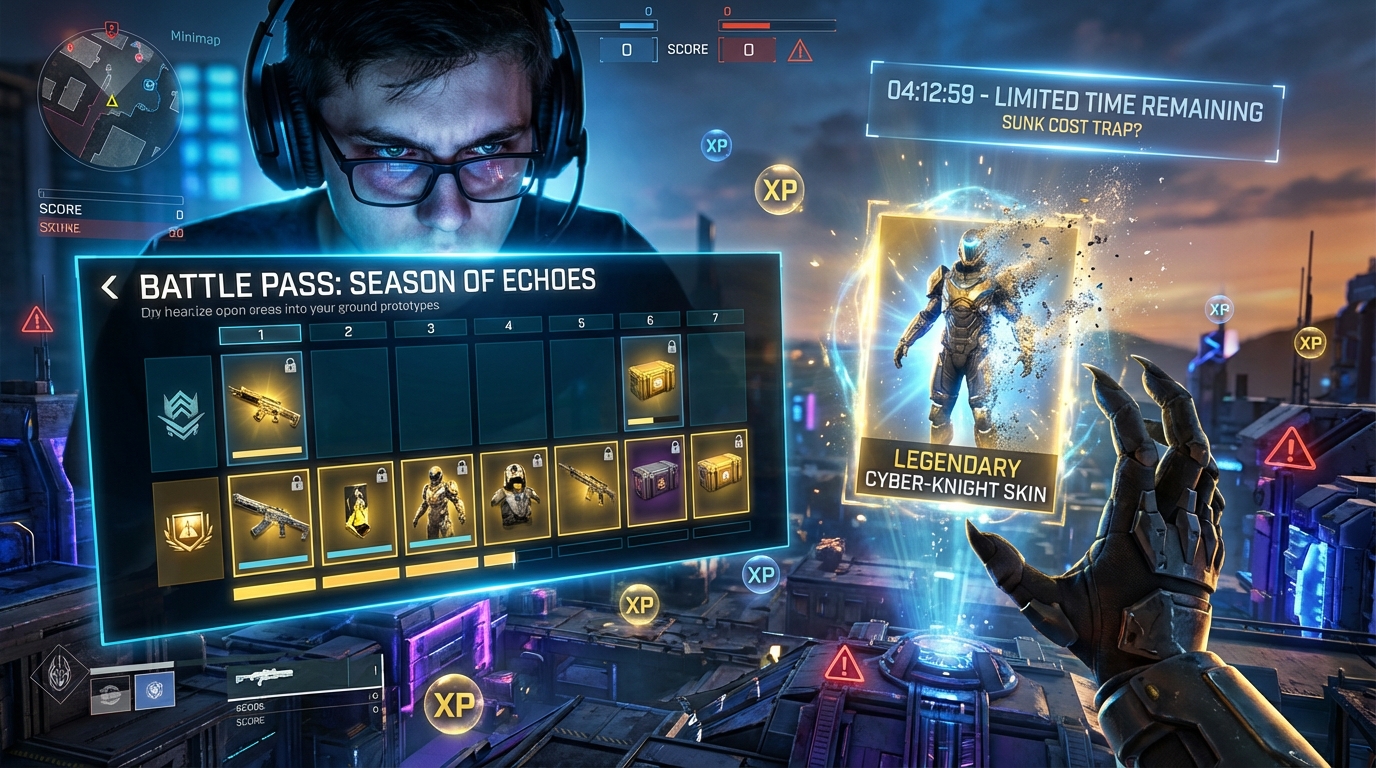
Modern gaming has evolved into a digital chore simulator where you pay twenty bucks for the privilege of working a second job. Battle passes are the crown jewel of this nonsense, dangling shiny trinkets at the end of a hundred-hour marathon that expires the moment the next season starts. Developers know that if they put a timer on a cool skin, your brain stops asking if the item is actually good and starts panicking about losing the opportunity to own it. This is loss aversion in its purest, most annoying form, forcing you to choose between your social life and a virtual pair of golden boots. It is a brilliant way to keep player counts high while making sure nobody actually has any fun.
The psychological warfare does not stop at the pass, as rotating storefronts and flash sales are designed to make you act before you can think. These shops thrive on artificial scarcity, showing you a countdown clock that screams “buy now or wait six months” while you stare at a cosmetic you probably would not buy if it were always available. It is a calculated move to bypass your common sense and tap directly into that lizard brain fear of being left behind. By the time you realize you have spent fifty dollars on pixels you will stop using in a week, the shop has already refreshed with a new set of must-have items. We have reached a point where the game is no longer the product, but rather the high-pressure environment designed to sell you the solution to a problem the developers created.
Artificial Scarcity In Digital Goods
Digital goods are the only products on the planet where a billionaire corporation can look you in the eye and claim they ran out of ones and zeros. It is a special kind of industry magic trick to take a skin or a weapon wrap that has an infinite supply and slap a “limited time only” sticker on it to trigger your lizard brain. They want you to believe that if you do not swipe your card within the next forty-eight hours, that specific arrangement of pixels will vanish into the ether forever. This is not about managing inventory or warehouse space because there is no warehouse. It is a calculated attempt to bypass your logic and replace it with a frantic need to click the buy button before a countdown timer hits zero.
The rotating storefront is the ultimate weapon in this war against your common sense. By cycling items in and out of a tiny digital window, developers create a manufactured sense of urgency that makes a mediocre cosmetic look like a rare artifact. You are not buying the item because you actually like the design, you are buying it because you are terrified of the psychological sting of being the only person in the lobby without the “exclusive” gear. It is a predatory exploitation of loss aversion where the fear of missing a deal outweighs the rational thought that twenty dollars for a virtual hat is daylight robbery. If the item was always available, you would realize it is boring, so they hide it behind a timer to make it feel special.
We need to stop pretending that digital scarcity is anything other than a middle finger to the consumer. When a game tells you an item is “retiring” to the vault, they are just holding your favorite aesthetics hostage to see how much you will pay for their release. There is no physical reason for a digital shop to have a rotating inventory other than to keep you logging in every single day like a lab rat checking for a pellet. It is a transparent psychological trap designed to turn a hobby into a high pressure sales environment. Next time you see a ticking clock next to a neon sword, remember that the only thing truly scarce in that transaction is the developer’s respect for your intelligence.
Social Proof And The Fear Of Exclusion
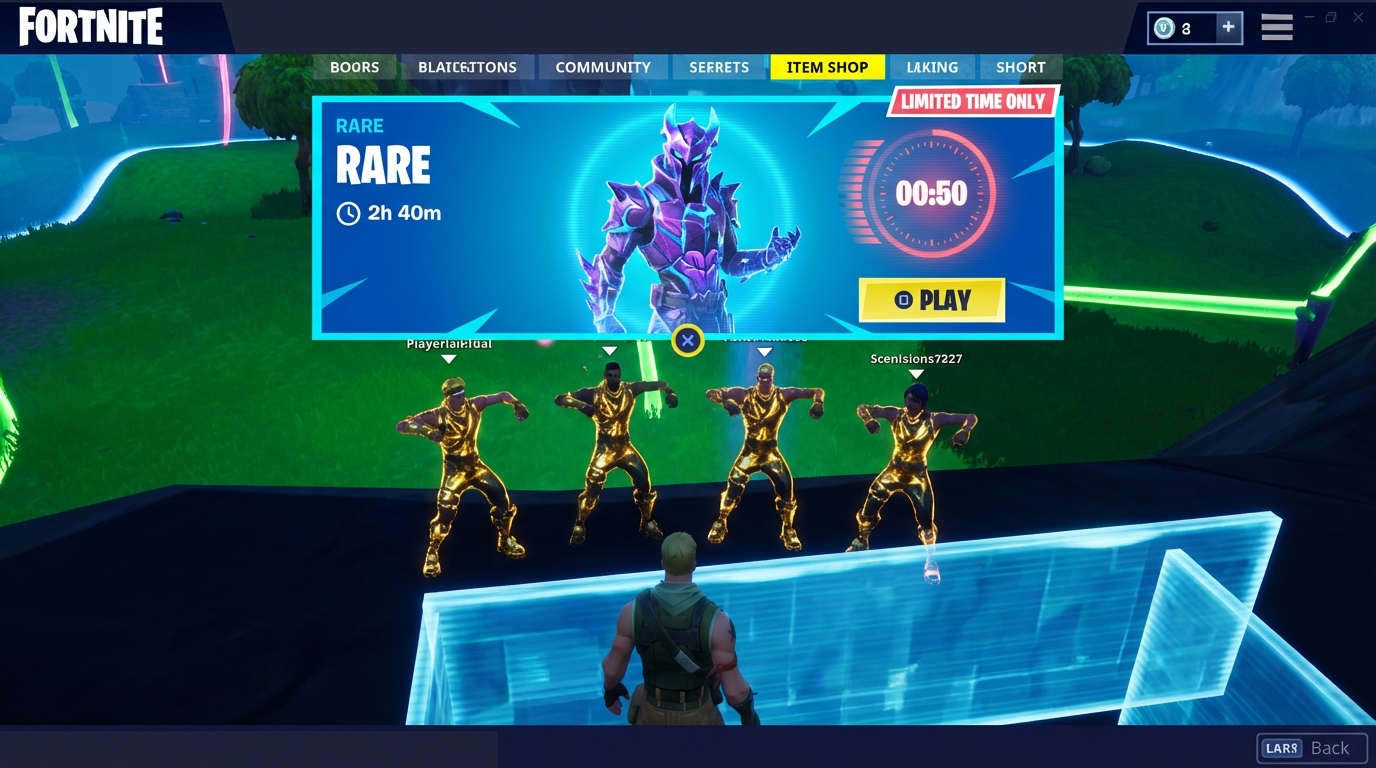
Social proof is the industry term for that nagging feeling that everyone is having a better time than you because they bought a digital hat. Developers love to plaster live activity feeds across your screen, broadcasting every time a random player unlocks a rare skin or buys into a seasonal event. It is a psychological cattle prod designed to make you feel isolated if you are not participating in the current spending spree. They want you to believe that the entire community is moving forward while you are standing still in your default gear. This artificial sense of urgency turns a video game into a high pressure social club where your status is tied directly to your credit card balance.
These limited time events are not about celebrating the community, but rather about weaponizing your fear of being the only person without a specific pixelated trophy. When a shop rotates every twenty-four hours, it forces you to make a snap decision before your rational brain can remind you that forty dollars for a glowing sword is a scam. The industry relies on loss aversion, knowing that the pain of missing out on a temporary item feels much worse than the satisfaction of actually owning it. You are not buying a cool cosmetic because you love the design, you are buying it because the game has convinced you that it will be gone forever by Tuesday. It is a cynical cycle of manufactured scarcity that treats players like wallets with anxiety issues.
Don’t Let Code Bully Your Wallet
These rotating shops and “last chance” countdowns are just digital carnival games designed to make you panic. If a game is actually fun to play, it doesn’t need to hold a cosmetic item hostage for forty-eight hours to keep you logged in. You have to recognize that the “scarcity” they are selling is entirely artificial, created by a line of code designed to trigger your lizard brain. The next time you feel that itch to buy a skin before it vanishes, ask yourself if you would even want it if it were available all year round. Usually, the answer is a resounding no, and realizing that is the first step toward reclaiming your sanity and your bank account.
Stop letting a spreadsheet masquerading as a video game dictate how you spend your free time and your hard-earned cash. We have reached a point where “playing” a game often feels more like managing a shift at a retail store where you pay the boss for the privilege of being there. If the gameplay loop is being replaced by a checklist of chores and expiring offers, it is time to hit the uninstall button without looking back. This growing live service game fatigue is a sign that players are finally waking up to the manipulation. There are plenty of titles out there that respect your intelligence and your wallet, focusing on being good rather than being greedy. Go find something that is actually worth your time, and let the predatory shops rot in their own manufactured urgency.
Frequently Asked Questions
1. What exactly are predatory FOMO tactics in gaming?
These are psychological traps designed to bypass your logic and trigger a panic purchase using artificial urgency. Developers weaponize your natural fear of missing out to make a digital hat feel like a life or death investment.
2. Why do developers use rotating item shops instead of permanent catalogs?
A permanent catalog lets you think, but a rotating shop forces you to react. By putting a ticking clock next to a skin, they ensure you spend money out of anxiety before you realize twenty dollars is a stupid price for a pile of pixels.
3. How does loss aversion play into these digital sales?
Humans are biologically wired to hate losing things more than we like winning them. The industry exploits this by making you feel like you are losing a once in a lifetime opportunity if you don’t buy that neon jumpsuit immediately.
4. Is that ‘Limited Edition’ tag actually telling the truth?
Usually, it is a total lie designed to manufacture scarcity where none exists. Digital items have infinite supply, so any claim that a skin is ‘rare’ is just a desperate attempt to make you feel special for overpaying.
5. How can I tell if I am being manipulated by a game’s storefront?
If you feel a sense of genuine stress or panic because a timer is running out, you are being played. Real fun does not involve a high pressure sales pitch or scams that ruin fair play by prioritizing profit over player experience.
6. What is the best way to avoid falling for these psychological traps?
Stop treating these shops like a feature and start seeing them as the manipulative nonsense they actually are. Close the game, take a breath, and remember that missing a virtual sale is not a tragedy.