
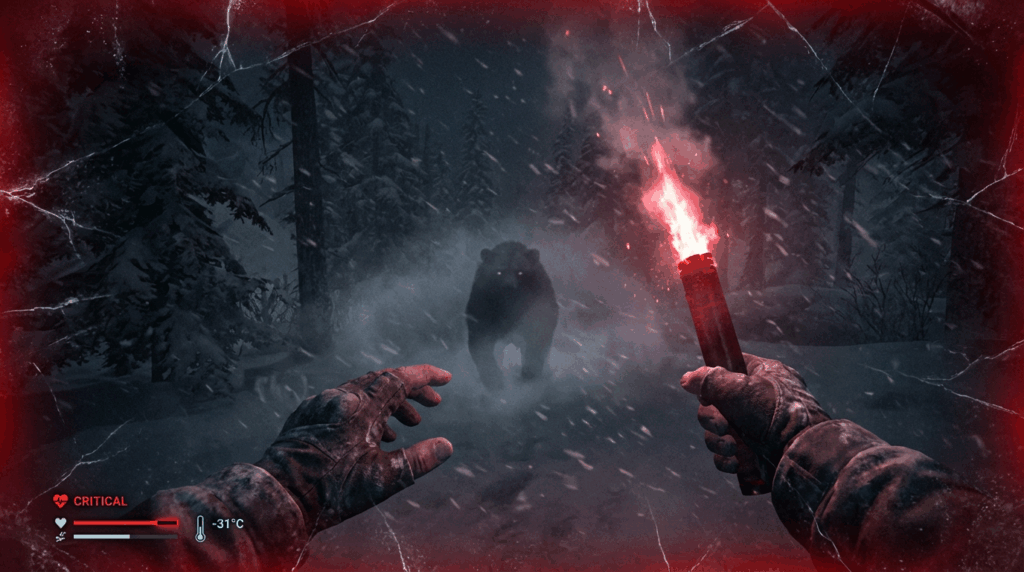
It takes a special kind of brain rot to enjoy punishing survival games. This is a genre where “fun” is usually defined by how miserable you are before your inevitable, unceremonious death. You spend forty hours building a fortress out of twigs and mud, only to lose it all because you drank the wrong pond water or a naked man with a rock decided he liked your shoes. It’s digital masochism at its finest, yet we keep coming back for another beating like it’s going to be different this time.
Too many developers confuse actual difficulty with tedious chore lists. They think a stamina bar that depletes after three steps constitutes high-stakes gameplay. We need to separate the titles that offer genuine, heart-pounding tension from the lazy asset flips that just want to waste your time with inventory management hell. If a game demands your absolute suffering, it better have the mechanics to justify the pain.
Key Takeaways
- The true appeal of punishing survival games lies in ‘digital masochism,’ where satisfaction is derived from overcoming grueling misery rather than experiencing mindless entertainment.
- High-stakes permadeath creates necessary tension by replacing the safety nets of modern gaming with the genuine adrenaline of potentially losing hours of progress.
- Relentless micromanagement of hunger and sanity strips away traditional power fantasies, forcing players to prioritize basic biological survival over heroic narratives.
- Top-tier survival titles respect player intelligence by rejecting hand-holding tutorials and demanding that mastery be earned through repeated, unforgiving failure.
The Adrenaline Rush of High-Stakes Permadeath
Modern gaming has turned into a giant, padded playpen where the worst thing that happens is you respawn five feet away with all your ammo intact. Punishing survival games look at that safety net and set it on fire while laughing at your tears. There is a sick, twisted joy in knowing that one wrong step off a cliff or a bad fight with a wolf doesn’t just mean a reset. It means the total erasure of your entire afternoon. If your heart isn’t pounding out of your chest because you are about to lose your best gear, are you even playing a video game? Or are you just watching a glorified interactive movie?
We didn’t sign up for a relaxing stroll through a procedurally generated forest to pick berries and pet the local wildlife. This genre is specifically for the masochists who looked at Dark Souls and thought it was too forgiving because you get to keep your sword when you die. Real satisfaction only comes when you are limping back to base with a fractured leg and a backpack full of rare loot, knowing a single mistake could ruin everything. That specific flavor of panic is the only thing that cuts through the numbness of mindlessly clearing map markers in other open-world snoozefests. You don’t play these games to have fun. You play them to prove you can endure the misery better than everyone else.
Micromanaging Hunger, Thirst, and Sanity Meters
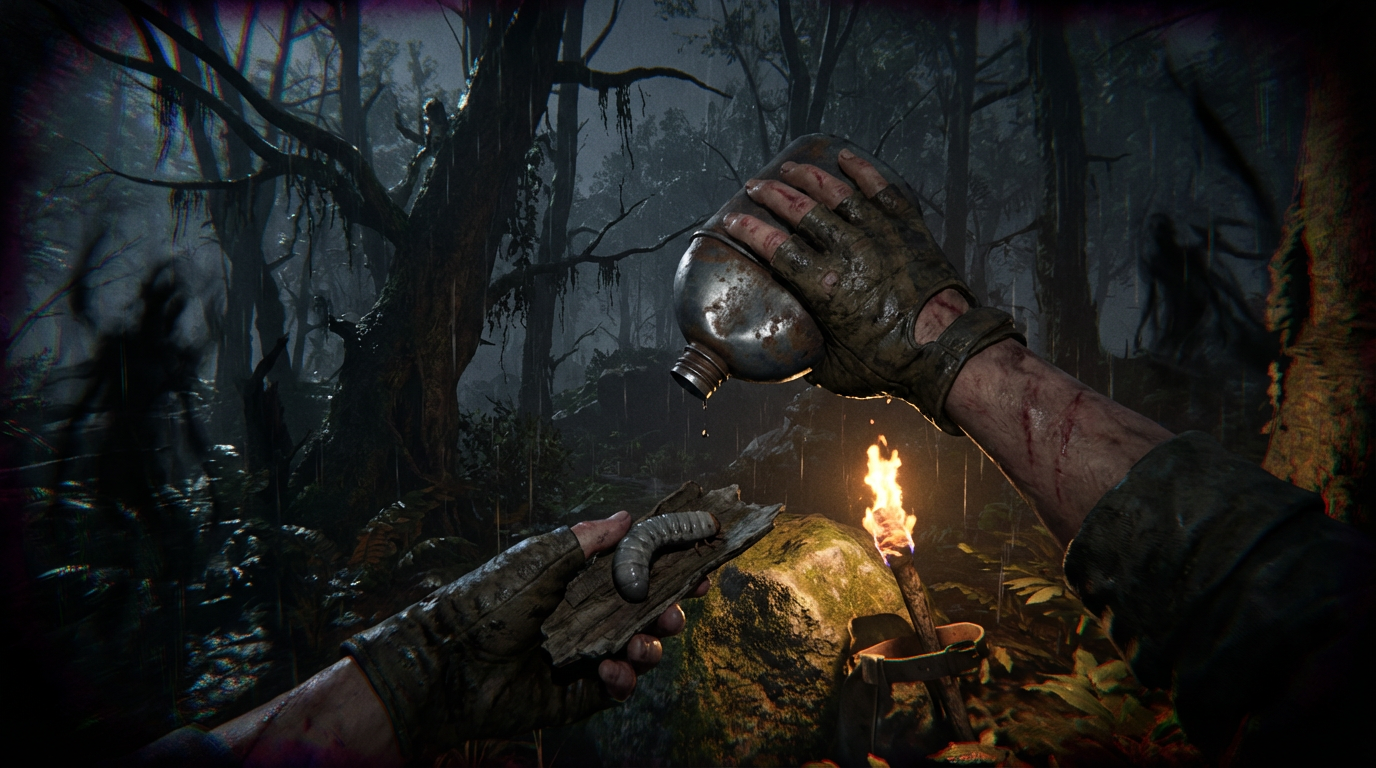
The metabolism of survival game protagonists apparently rivals that of a hummingbird on meth. In the real world, you can survive weeks without food. In these digital hellscapes, missing lunch causes your health bar to plummet like a tech stock. You aren’t exploring a mysterious island. You are playing a relentless game of “feed the Tamagotchi” while wolves try to eat your face. It turns every glorious expedition into a frantic grocery run because your avatar burns calories faster than an Olympic swimmer. If I wanted to stress about eating three square meals a day, I would just listen to my mother.
As if starving to death wasn’t annoying enough, developers added sanity meters to punish you for looking at the dark. Games like Don’t Starve or Green Hell insist that your hardened survivor will instantly hallucinate shadow demons if they spend five minutes without a nightlight. You spend half your time bandaging scratches and the other half picking flowers just to keep your character from having a mental breakdown. It is micromanagement at its most sadistic. You are forced to juggle physical health with the emotional stability of a teenage drama queen. You survive the bears only to die because you got sad about the rain.
We endure this tedious biological babysitting because, much like Dark Souls veterans, we apparently hate ourselves just enough to enjoy the pain. There is a twisted sense of accomplishment in stabilizing a character who is actively trying to die from vitamin deficiency every ten seconds. These mechanics strip away the power fantasy and replace it with the cold, hard reality that nature wants you dead. You aren’t a hero saving the world. You are a desperate janitor cleaning up your own bodily functions while fighting off the elements. It is punishing, unfair, and completely addictive for anyone who thinks fun is just a buzzword for suffering.
Essential Survival Titles That Respect Your Intelligence
If you are tired of modern tutorials treating you like a toddler with a concussion, the true survival genre is waiting to kick your teeth in. These games operate on the assumption that you have a functioning brain and refuse to explain basic mechanics until you have died three times trying to figure them out. Unlike the endless sea of crafting simulators that just want you to build a pretty cottage, titles in this category actively hate you and want you dead. The thrill here does not come from a participation trophy. It comes from surviving just five minutes longer than your last miserable attempt. It creates a feedback loop where every scar teaches a lesson and every death feels like a personal insult you must avenge.
Take Project Zomboid, an isometric nightmare where opening a window the wrong way results in a laceration that ends a hundred-hour run. There is no magical cure or save scumming to save you when you get bitten. There is only the slow realization that your hubris has once again been your downfall. Similarly, The Long Dark strips away the zombies entirely to remind you that Mother Nature is a serial killer who uses hypothermia as her weapon of choice. You will freeze to death in a dark cabin because you forgot to gather sticks, and the game will not feel a single ounce of pity for your poor planning. These titles demand you memorize distinct audio cues and metabolic rates because the alternative is restarting from scratch with nothing but your shame.
Why We Love Games That Want Us Dead
We don’t log into these digital torture chambers because we hate ourselves, even if it looks that way to a casual observer. There is a primal satisfaction in carving a life out of a world designed specifically to murder you every five minutes. It appeals to that same sick part of the brain that loves beating a Souls boss after forty humiliating attempts. You endure the grueling hunger mechanics and the threat of permadeath because the victory tastes sweeter than any participation trophy handed out by a standard blockbuster. We crave the adrenaline of potentially losing everything because, without the genuine risk of ruin, success just feels cheap.
The suffering is absolutely worth the reward, provided the game isn’t just broken garbage masquerading as hardcore difficulty. There is no high quite like stabilizing your base while the environment and half the server are trying to raid your stockpile. These games demand your patience and punish your stupidity, but they actually treat you like an adult capable of overcoming adversity. If you want a cinematic experience where you physically cannot fail, go watch a movie or play a walking simulator. For the rest of us, the misery is the point, and surviving another night is the only validation we need.