There was a golden age when bad video game dubs were just charmingly incompetent, giving us legendary voice cracks and dialogue that sounded like it was translated by a concussed dictionary. I used to laugh at the awkward pauses and the sheer lack of emotional awareness from actors who clearly recorded their lines alone in a broom closet. But lately, the industry has decided that hilariously awful human performances simply aren’t cutting it anymore.
Instead of paying actual humans to ham it up in the recording booth, megacorporations are now experimenting with soulless, AI-generated garbage that actively insults our intelligence. We have traded the endearing jank of the past for a sterile, robotic hellscape where characters emote with all the passion of a broken self-checkout machine. It turns out the only thing worse than a voice actor phoning it in is a tech executive trying to replace them with an algorithm that literally cannot feel.
Key Takeaways
- Classic retro video game dubs created unforgettable comedic gold through genuinely flawed, incompetent human performances.
- Modern corporate attempts to replace voice actors with AI generation produce sterile, emotionless audio that actively ruins the gaming experience.
- The chaotic mistakes and bizarre choices of real human actors possess an undeniable soul that generative algorithms can never replicate.
- Developers must continue hiring real human beings to ensure games retain genuine emotion and personality rather than settling for artificially generated trash.
The Jill Sandwich Era Of Survival Horror
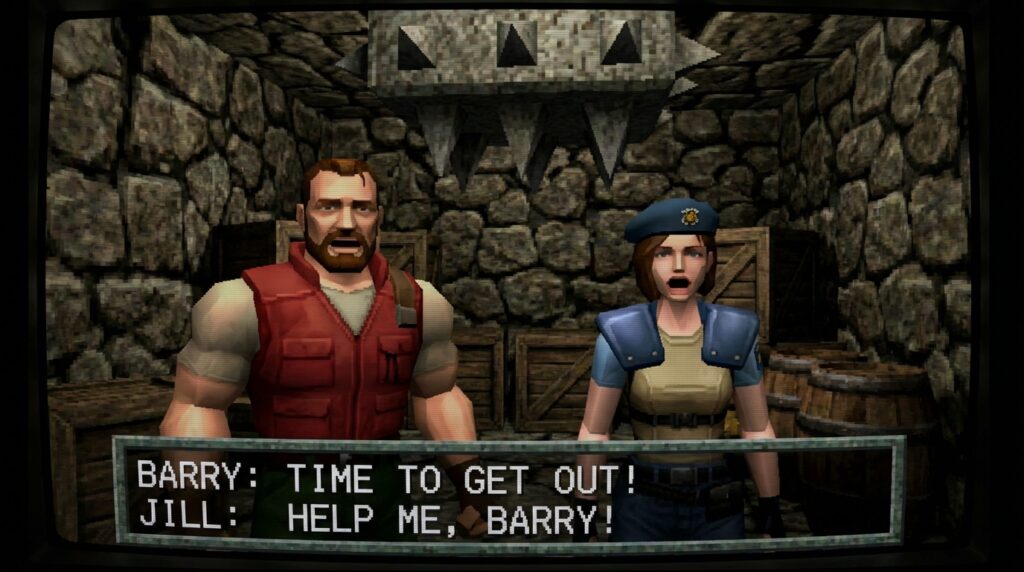
If we are going to talk about the absolute pinnacle of garbage video game localization, we have to start with the original Resident Evil. The developers essentially threw a handful of random actors into a recording booth and told them to read a script translated by someone who had clearly never heard a human conversation before. The result was a glorious trainwreck of awkward pauses, bizarre inflections, and the legendary moment where Barry Burton sincerely tells his partner she almost became a Jill sandwich. Nobody was actually scared of the zombies when the real terror was listening to these characters try to emote. Yet, this absolute disaster of a dub accidentally created unforgettable comedic gold that fans still quote religiously decades later.
Another studio decided to get in on the action with The House of the Dead, delivering a script so spectacularly wooden it could have been used to build a luxury cabin. Every single line of dialogue sounds like it was recorded by a hostage reading off a cue card at gunpoint. You are blasting through hordes of undead monstrosities while the protagonist reacts to horrific betrayals with the emotional range of a damp sponge. These actors were clearly trying their best with absolute nonsense, and that earnest effort is exactly what makes the stilted line delivery so charming. Instead of ruining the tense atmosphere, the hilariously flat voice acting turned a standard arcade rail shooter into an unintentional comedy masterpiece.
I will gladly take these classic localization disasters over the current industry obsession with lifeless AI voice generation. When modern studios try to cut corners by feeding translated scripts into a machine, we just get robotic garbage that lacks absolutely any emotion. The survival horror games of the nineties were defined by technical limitations and tight budgets, but there was still a beating pulse behind the microphone. Those terrible performances have a distinct human soul that makes them endearing, whereas today’s automated dubs just feel like a cheap insult to the players. Give me a terribly miscast voice actor screaming about the master of unlocking over a perfectly synthesized algorithm any day of the week.
Miserable Piles Of Secrets And Melodrama
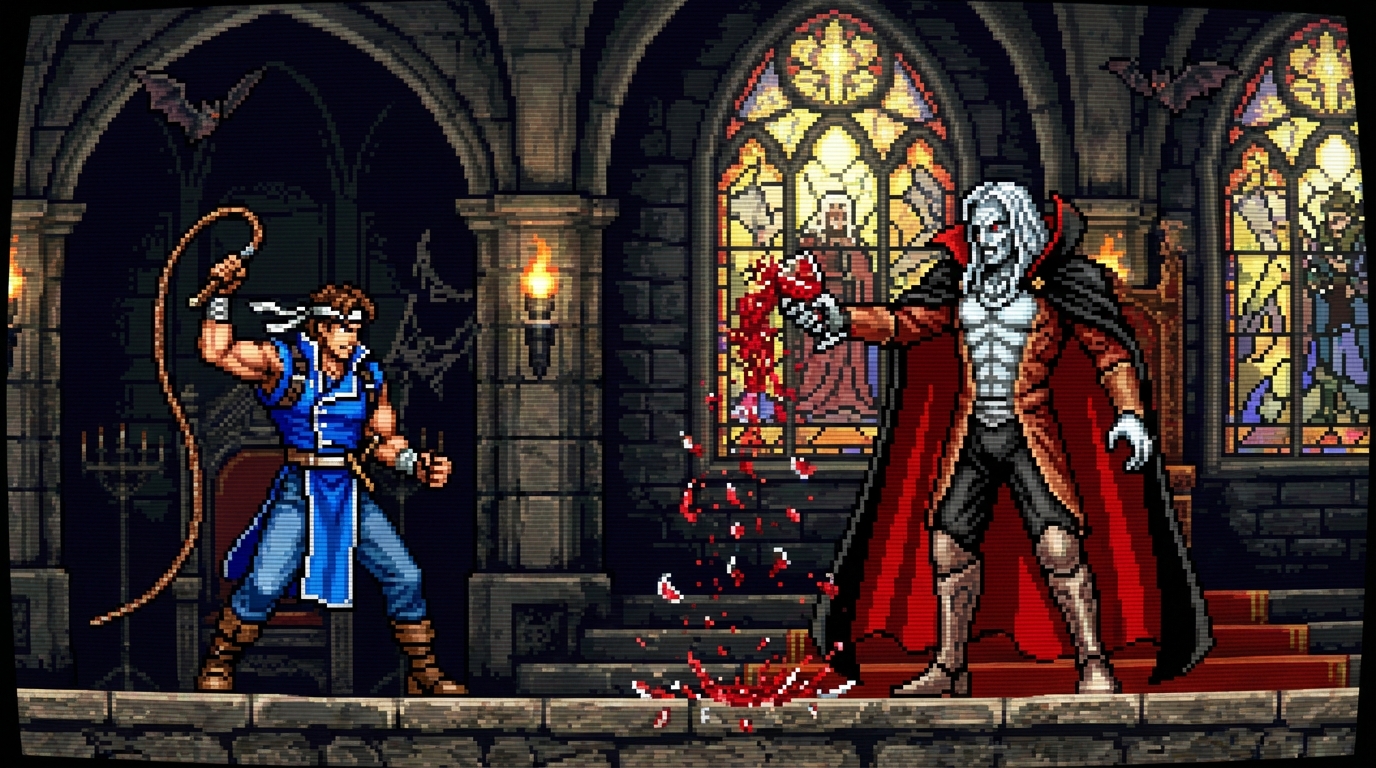
We have to kick off this tour of the glorious gutter of terrible voice acting with the undisputed king of dramatic garbage. Castlevania: Symphony of the Night delivered a translation so aggressively weird that it accidentally achieved absolute perfection. When Dracula chucked his wine glass and asked what a man truly is, the resulting answer about a miserable little pile of secrets permanently altered my brain chemistry. The voice actors sounded like they were reading their lines phonetically while performing in a high school play directed by a lunatic. It is a masterclass in unintentional comedy that modern games desperately try and fail to replicate.
If Dracula gave us Shakespearean melodrama, then Shenmue blessed us with the most awkward human interactions ever committed to a disc. Strolling through Yokosuka as Ryo Hazuki meant subjecting yourself to agonizingly long pauses before asking random civilians where you could find some sailors. The localization team clearly decided that matching mouth flaps was entirely optional, resulting in conversations that felt like two aliens trying to mimic human speech. I still laugh out loud thinking about how every single NPC delivered their mundane directions with the urgency of a hostage reading a ransom note. This flavor of spectacular incompetence requires real human beings making genuinely baffling choices in a recording booth.
That very human element is exactly why I will fiercely defend these retro localization disasters against the current wave of generative artificial intelligence garbage. Massive streaming platforms and lazy publishers are currently experimenting with robotic voices to replace actual actors, and the results are completely devoid of any emotion or charm. A computer spitting out a mathematically average performance will never give us an iconic moment of unhinged dialogue. I would rather listen to a severely underpaid localization tester scream into a cheap microphone than endure another second of soulless algorithmic slop. Those classic bad dubs might have been technically terrible, but they had an undeniable soul that no machine could ever generate.
Why Classic Trash Beats Modern AI Garbage
I will gladly take a poorly paid guy screaming into a cheap microphone over the emotionless generative sludge we are seeing today. Back in the day, terrible localized voice acting had a distinct, hilariously human charm that made even the worst games memorable. Now, corporate greed has birthed a new era of auditory torture, as seen in a massive streaming platform’s recent AI dubbing scandal with anime like Banana Fish and No Game No Life Zero. Instead of hiring actual humans to read a script awkwardly, executives decided to feed these shows into a machine learning meat grinder. The result is a completely soulless audio track that sounds less like a dramatic performance and more like your smartphone reading a grocery list.
Classic trash dubs gave us legendary memes because real people made baffling, unhinged choices in the recording booth. When an actor completely mispronounces a basic word or delivers a death threat with the enthusiasm of a bored bank teller, it becomes accidental comedy gold. AI voice generation completely strips away that chaotic human element, replacing it with a sterile, robotic monotone that lacks absolutely any emotion. Watching a supposedly heartbreaking scene ruined by a digital voice clone is not funny, but rather genuinely depressing. It proves that massive tech companies would rather serve us literal garbage than pay a living wage to a human being.
We used to laugh at bad localization because the sheer incompetence felt like a shared inside joke between the creators and the audience. Today, this AI nonsense feels like a direct insult to anyone who actually cares about the media they consume. A terrible human performance still requires someone to stand in a room and make an attempt, however misguided it might be. Generative dubbing is just lazy design at its absolute worst, sucking the soul out of art just to shave a few bucks off a spreadsheet. I would rather listen to the original Resident Evil voice cast stumble through a script for the rest of my life than endure one more minute of corporate AI sludge.
The Unintentional Genius of Garbage Retro Dubs
Those spectacularly awful retro dubs will forever hold a sacred place in gaming history because they were born from genuine human incompetence. We still quote these mangled translations and bizarre line deliveries decades later precisely because an actual person stood in a recording booth and made a wildly incorrect choice. They poured their completely misguided hearts into screaming about being the master of unlocking or delivering flat dialogue that somehow circled back to being comedic genius. A computer could never replicate the exact mix of sleep deprivation and poor direction required to create that kind of magic. We cherish these flawed performances because they remind us of an era when the industry was still figuring things out.
Now we are facing a terrifying new era where corporate executives want to replace our beloved voice acting disasters with soulless artificial intelligence. Recent attempts to use generative algorithms to dub entire projects have resulted in absolute garbage that lacks even a single ounce of actual emotion. These automated voices do not give us the charmingly terrible deliveries we love, but rather a sterile, monotonous drone that makes you want to immediately mute your television. There is a massive difference between a confused voice actor mispronouncing a character name and a silicon brain spitting out dead audio. The industry is trying to save a quick buck by feeding scripts to machines, and the result is a product completely devoid of personality.
I am begging developers to please keep hiring actual, deeply flawed human beings to scream into microphones. Let people continue to overact, misread incredibly awkward scripts, and accidentally breathe heavily during dramatic pauses. I would rather listen to a struggling actor deliver the worst line read of the century than endure another second of perfectly sanitized, artificially generated trash. We need real humans to keep making real mistakes so we can keep laughing at them on the internet for the next twenty years. Save the voice actors, if only to ensure we never run out of hilariously bad material.
Frequently Asked Questions
1. What exactly makes an old video game dub so bad it becomes good?
Back in the day, developers threw random people into broom closets with poorly translated scripts. The result was a glorious trainwreck of awkward pauses and bizarre inflections. It was completely incompetent, but it had an undeniable human charm that accidentally created comedic gold.
2. Why are modern bad dubs worse than the classic ones?
Megacorporations decided paying actual humans to ham it up was too expensive. Now we get soulless, AI-generated garbage that actively insults our intelligence. I would rather listen to a voice actor phoning it in than a sterile algorithm that literally cannot feel.
3. What is the deal with the famous Jill sandwich line?
That masterpiece of garbage localization comes from the original Resident Evil. The developers handed a mangled script to random actors who had clearly never heard a normal human conversation before. We got terrifyingly bad line deliveries that fans still quote religiously decades later.
4. Are developers really replacing voice actors with AI?
Yes, and it is a complete disaster. Tech executives are trying to cut costs by using robotic voices that emote with all the passion of a broken self-checkout machine. We traded endearing jank for a sterile hellscape, and it completely ruins the gaming experience.
5. Why do we still love terrible voice acting from the 90s?
Because it was sincerely incompetent. Games like The House of the Dead gave us spectacularly wooden dialogue that sounded completely ridiculous but never lacked personality. You can laugh at a human making a weird choice, but you cannot laugh at a spreadsheet.
6. Will AI voice acting ever get good enough to replace human actors?
Absolutely not. You cannot program a computer to accidentally stumble into legendary comedic timing or deliver a legendary voice crack. Until algorithms learn how to get concussed and read a dictionary, human actors will always be superior.
7. What should modern developers learn from these classic dubs?
They need to realize that perfection is boring and AI is worse. Hire actual humans to read your scripts, even if they end up sounding like they are trapped in a recording booth against their will. At least a real person brings actual personality to your game.