It’s been over a decade since Sam Fisher crawled through a vent, and quite frankly, the stealth genre has felt a lot less quiet without him. I’ve been starving for any scrap of splinter cell remake news while the studio plays a real-life game of hide-and-seek with the development status. Thankfully, despite the corporate chaos and layoffs currently plaguing the industry, the project is still breathing at the Toronto studio.
The game is being rebuilt from the ground up on the Snowdrop Engine, which is a massive relief for anyone who doesn’t want to play a blurry mess from 2002. With original Game Director David Grivel back at the helm after a brief hiatus, it seems there’s actually an adult in the room making sure this doesn’t turn into another open-world checklist simulator. I’m finally seeing some movement on the goggles, and for once, the green lights aren’t just a hallucination from a desperate fan base.
Key Takeaways
- The Splinter Cell remake is being rebuilt from the ground up on the Snowdrop Engine to prioritize dynamic lighting and sound as core gameplay mechanics rather than just visual flair.
- Original Game Director David Grivel has returned to lead the project, ensuring the remake remains a focused, linear stealth experience rather than a bloated, open-world action title.
- The project has survived significant corporate restructuring and industry-wide cancellations, signaling its high priority and a commitment to preserving the franchise’s legacy.
- The development team is ditching modern ‘stealth-lite’ trends like detective vision and tall-grass hiding in favor of the high-stakes, tactical patience that defined the original trilogy.
Snowdrop Engine And Rebuilding From Scratch
The developers finally realized that trying to polish a twenty year old fossil was like putting a tuxedo on a walrus, so they are rebuilding Sam Fisher from the ground up using the Snowdrop Engine. While the original games were masterpieces of their time, the industry has spent the last decade forgetting how to make a proper stealth game that doesn’t involve mindless detective vision or hiding in convenient tall grass. By switching to the tech behind modern tactical shooters, the team is betting on a dynamic lighting system that actually matters for more than just looking pretty in screenshots. This isn’t just a fresh coat of paint, it is a necessary technical overhaul to bring back the tension of literal shadows in an era where most stealth is just loud action with a silencer attached.
Let’s be honest, modern gaming has a serious identity crisis when it comes to patience, and the Snowdrop Engine is the secret weapon intended to fix that. The developers are ditching the clunky scripted sequences of the past for a world that reacts to every broken lightbulb and heavy footstep with terrifying precision. I have seen far too many franchises lose their souls by chasing trends, but rebuilding this classic from scratch suggests a level of commitment that might actually save the genre from its own mediocrity. If they can nail the interplay between light and sound using this new architecture, we might finally get a game that rewards cleverness over button mashing. It is a bold move to start over, but considering how badly we need a real ghost story on our consoles, I am surprisingly optimistic about this technical pivot.
David Grivel Returns To Lead Development
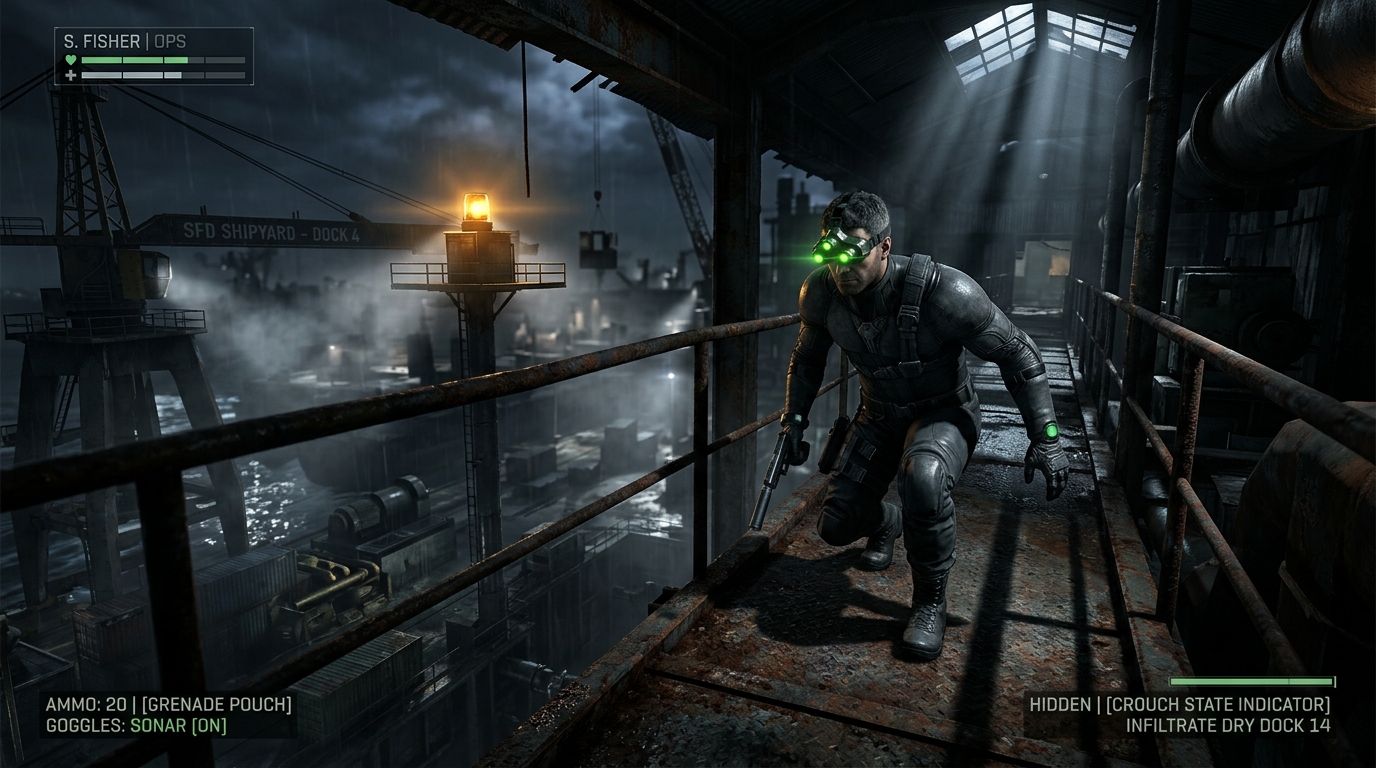
Watching big publishers try to handle their legacy franchises lately has been like watching a toddler play with a pricey Ming vase. Between the endless delays and the corporate restructuring that seems to happen every other Tuesday, my expectations for the Splinter Cell remake were sitting somewhere in the basement. However, the news that David Grivel has returned to lead the project is the first time in years I have actually sat up and padded attention. Grivel is a veteran who actually understands that stealth isn’t just about crouching in a bush while a compass marker tells you where to go. His comeback suggests that there might actually be an adult in the room who remembers why Sam Fisher was cool in the first place.
The modern gaming industry has a massive problem with stealth because it keeps trying to turn every quiet moment into a loud, bloated open-world checklist. We do not need a three hundred hour map filled with towers to climb, we just need a dark hallway, a pair of night vision goggles, and a light meter that actually matters. Grivel’s leadership is the only reason I am not convinced this will end up as another generic action title with a Splinter Cell skin slapped on top for nostalgia points. Using the Snowdrop Engine is a bold technical choice, but it means nothing if the soul of the game is missing. Having a director who has already proven he can handle the tactical tension of this series gives me a glimmer of hope that we might actually get a proper ghosting experience.
I am not saying we should all start pre-ordering and throwing confetti just yet, as big studios are still more than capable of tripping over their own feet. But if anyone can deliver a game that respects the high-stakes tension of the original trilogy, it is likely someone with Grivel’s track record. The industry has struggled to get pure stealth right for a decade, often treating the genre like a secondary mechanic rather than the main event. If this remake is going to succeed, it needs to be unapologetically difficult and focused on the shadows rather than the explosions. For the first time in a long time, it feels like the project has a captain who knows how to steer the ship away from the usual live-service iceberg.
Survival Of The Cancellation Spree
It is a minor miracle that the Splinter Cell Remake hasn’t been tossed into the corporate incinerator alongside the mountain of other projects that have been scrapped lately. While high-profile titles and experimental spin-offs were being unceremoniously murdered to balance the books, Sam Fisher managed to stay hidden in the shadows. The fact that this project survived a massive internal restructuring suggests that even the suits realize they cannot afford to mess up one of the most beloved retro franchises in gaming history. By moving the development to the Snowdrop Engine, they are clearly aiming for a level of visual fidelity that matches the high stakes of modern stealth. It is a rare moment of clarity where a company actually prioritizes a legacy title that fans have been screaming for since the Obama administration.
The gaming industry has spent the last decade seemingly forgetting how to make a proper stealth game, which makes this remake feel like a desperate rescue mission for the entire genre. We have been drowned in stealth-lite mechanics where you just crouch in tall grass for a few seconds, but the return of Sam Fisher promises a return to actual light and sound manipulation. Bringing back David Grivel as the Game Director is a confident move that signals a commitment to the series’ roots rather than some watered-down action hybrid. I am cautiously optimistic because they are rebuilding this from the ground up instead of just slapping a fresh coat of paint on old assets. If they can capture that tense, tactical atmosphere without stuffing it full of microtransactions or unnecessary open-world bloat, we might actually get the masterpiece we deserve.
The publisher is essentially playing a high-stakes game of hide-and-seek with its own investors by keeping this project alive while others are being guillotined. They know that the nostalgic demand for Splinter Cell is through the roof, and failing to deliver would be a PR disaster they cannot survive right now. By focusing on a tighter, more curated experience, they are moving away from the bloated open worlds philosophy that has made recent lineups feel so bloated and repetitive. This remake is the ultimate test of whether a major studio can still respect the soul of a classic while utilizing cutting-edge technology. I am keeping my goggles charged and my expectations high, because if any franchise can survive a corporate purge through sheer grit and shadow-dwelling, it is this one.
Why Modern Gaming Needs Stealth Reborn
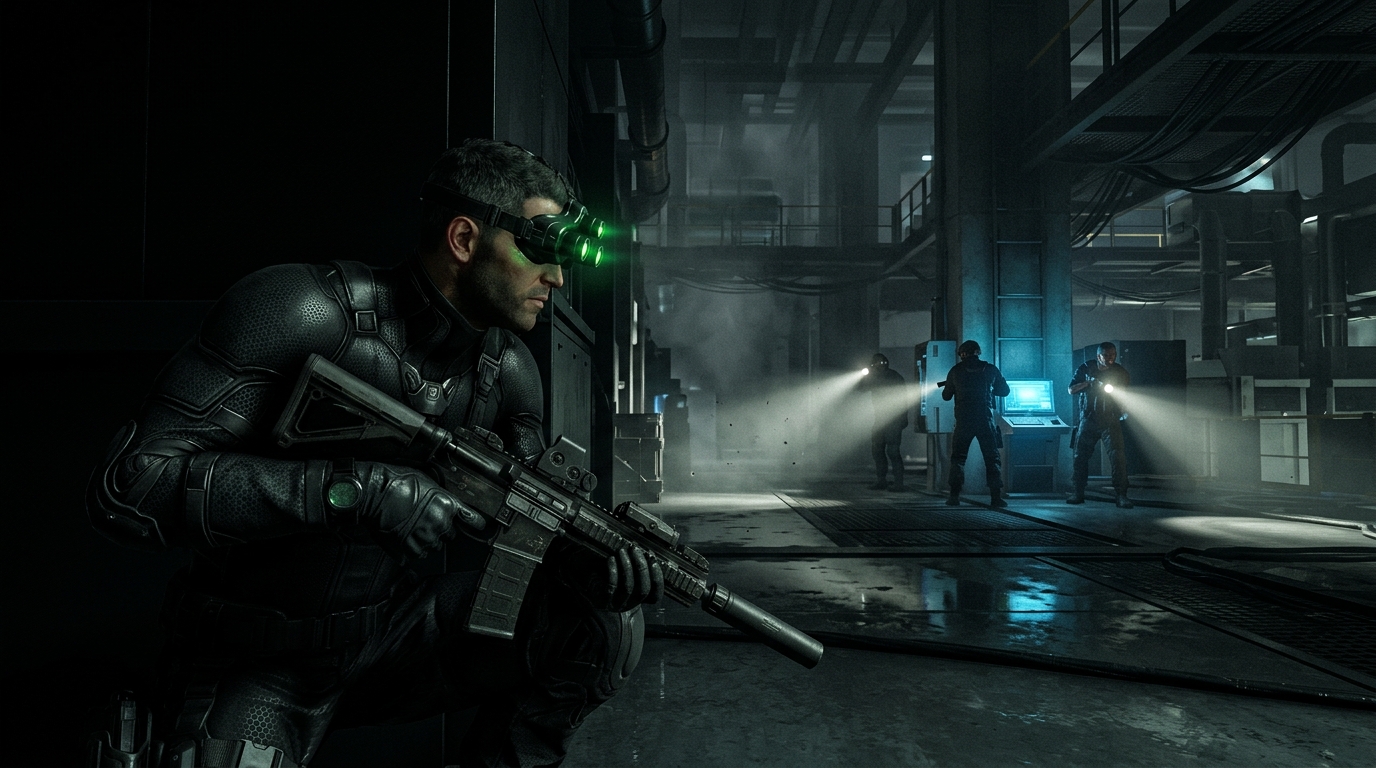
Modern gaming has developed a severe allergy to patience, trading the tension of the shadows for endless map markers and stealth mechanics that are really just action scenes in slow motion. We have spent an entire decade crouch-walking through tall grass in generic open worlds where the AI has the situational awareness of a goldfish, making the once-elite genre feel like a repetitive chore, making the once-elite genre feel like a repetitive chore. The industry has effectively lobotomized the tactical infiltrator, replacing the high-stakes chess match of light and sound with detective vision that lets you see through walls like a budget superhero. We desperately need a game that isn’t afraid to let us sit in a corner for three minutes just to time a guard’s patrol, because right now, modern stealth mechanics are a hollow shell of their former self.
Sam Fisher returning in the Snowdrop Engine is the tactical reset button the industry needs, provided the studio remembers that Splinter Cell is about vulnerability and precision rather than being a one-man army. Bringing back David Grivel to steer the ship is a promising sign that someone actually understands the DNA of the franchise, but building a remake from the ground up is a dangerous tightrope walk between nostalgia and modernization. If they lean too hard into the accessible trends of current gaming, we will just end up with another generic third-person shooter wearing a pair of iconic green goggles. The remake needs to prove that staying hidden is a skill to be mastered, not just a suggestion for players who are too bored to start a firefight.
I want to be hyped for this return to Third Echelon, but my optimism is currently wearing a heavy tactical vest of skepticism given the publisher’s recent track record. We have been burned before by reimagined classics that stripped away the difficulty and atmosphere in favor of microtransactions and bloated maps. If this remake delivers the claustrophobic, high-stakes tension of the original while ditching the outdated clunkiness, it could spark a massive stealth renaissance. However, until we see actual gameplay that doesn’t involve Sam Fisher performing parkour while gunning down fifty mercenaries, we should keep our excitement hidden in the shadows where it belongs.
Sam Fisher’s High-Stakes Game of Hide-and-Seek
The Splinter Cell remake is currently the studio’s most high-stakes game of hide-and-seek, and I am starting to wonder if Sam Fisher accidentally snuck past the marketing department on his way out the door. While the move to the Snowdrop Engine and the return of director David Grivel suggest that the project is finally finding its footing, the remake news and radio silence since 2021 has been louder than a shattered lightbulb in a quiet hallway. I know the team is rebuilding this classic from the ground up to ensure the stealth mechanics actually function, but until we see actual gameplay, it all feels like a ghost story told around a corporate campfire. The studio keeps insisting the game is a priority, though their track record of delays means I will believe it when I am actually hanging from a pipe in 4K resolution.
Modern gaming has largely forgotten how to make a proper stealth title, often trading tension for mindless action or detective vision that does all the work for you. Rebuilding the original Splinter Cell is a massive opportunity to prove that staying in the shadows is still more satisfying than a loud shootout, provided they do not clutter the experience with unnecessary open-world bloat. Much like the Delta changes that actually matter for Snake’s return, this project needs to modernize its controls without sacrificing the tactical depth that made the original trilogy legendary. The industry has struggled to get this genre right lately, usually treating stealth as a boring secondary option rather than a core, heart-pounding mechanic. If this remake can successfully capture that claustrophobic, tactical atmosphere without falling into the trap of modern hand-holding, it might just remind everyone why Sam Fisher was the king of the genre.
Ultimately, the success of this remake hinges on whether the developers can resist the urge to turn a tight, linear narrative masterpiece into another generic map-clearing simulator. We have seen enough legendary franchises get diluted by corporate trends, and Splinter Cell deserves better than to be turned into a loot-grind with microtransactions for night-vision goggles. The technical foundation is there, and the nostalgic demand is through the roof, so the ball is entirely in their court to deliver something that honors the legacy. For now, we stay patient and keep our light meters in the green, hoping that this long-awaited return to Third Echelon is worth the agonizing wait.
Frequently Asked Questions
1. Is the Splinter Cell remake actually still happening?
Yes, the project is still alive and kicking at the Toronto studio despite the recent habit of canceling everything that isn’t an open-world chore simulator. It is being rebuilt from the ground up, so Sam Fisher is officially out of retirement and back in the vents.
2. What engine is being used for the remake?
The studio is using the Snowdrop Engine to ensure the lighting actually functions as a gameplay mechanic. It is a massive step up from the fossilized 2002 code and should prevent the game from looking like a blurry mess on modern screens.
3. Will this be another generic open-world game?
Thankfully, no. With original Game Director David Grivel back in charge, the focus is on tight, linear stealth rather than a map littered with icons and towers to climb. We are getting a proper technical overhaul that respects the original’s tension instead of a bloated checklist simulator.
4. Why didn’t they just use the original game’s assets?
Trying to polish twenty year old assets is like putting a tuxedo on a walrus, and it just doesn’t work for modern hardware. Rebuilding from scratch allows for dynamic lighting and shadows that actually matter for gameplay, which is the entire point of a stealth game.
5. How will the stealth mechanics change in the remake?
The goal is to bring back actual patience and shadow-based movement instead of the loud action-stealth hybrids we see today. By using modern tech, the developers can create a lighting system where hiding in the dark is a tactical necessity rather than just an aesthetic choice.
6. Is the original director involved in the project?
David Grivel returned to lead the project, which is the best news we have heard since the remake was announced. Having a veteran at the helm means there is an adult in the room to make sure the soul of Splinter Cell doesn’t get lost in corporate nonsense.