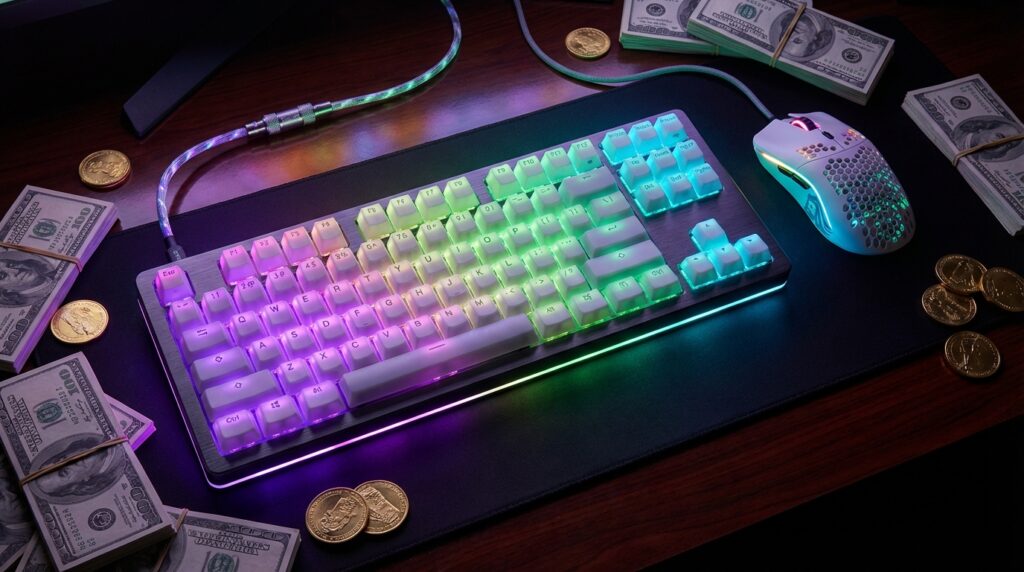
The gaming industry has officially entered its luxury tax era. A plastic mouse now costs as much as a mid-range GPU, and keyboards with colorful lights are priced like designer handbags. We are staring down a market projected to hit $30 billion by 2033, fueled largely by overpriced gaming peripherals that promise to turn you into a pro athlete but mostly just drain your bank account. It is a world of premiumization where companies slap a Pro label on a headset, add three grams of carbon fiber, and expect a 400% markup for the privilege.
I am all for gear that actually works, but the gap between high price points and actual performance has become a canyon. We have traded meaningful innovation for low-latency wireless protocols you will never notice and ergonomic chairs that are basically repurposed car seats with terrible lumbar support. If a piece of plastic costs more than the game you are playing, it better cook dinner or carry the team to a win. Stop pretending every $200 peripheral is a massive leap forward when it is usually just a shiny way to overpay for RGB LEDs.
Key Takeaways
- The gaming peripheral market has entered an era of artificial premiumization, where ‘Pro’ labels and aesthetic gimmicks like RGB lighting are used to justify massive markups on mediocre hardware.
- High price points in the industry rarely reflect technical superiority, as expensive gear often uses the same internal sensors and switches as mid-range alternatives while prioritizing flashy branding over structural integrity.
- Consumer focus should shift from marketing fluff and ‘gamer’ aesthetics to objective performance metrics like sensor accuracy, switch durability, and long-term build quality.
- The gap between price and performance has created a market of diminishing returns where luxury items, such as boutique mechanical keyboards and racing-style chairs, offer status rather than a competitive advantage.
The Great RGB Tax And Aesthetic Overpricing
Let’s be honest: rainbow LEDs do absolutely nothing for your kill-death ratio. We have reached a bizarre point where a mouse costs as much as a GPU simply because it has a glowing logo and a pro sticker on the box. Brands lean into the gamer aesthetic to distract you from the fact that the hardware is mediocre. You are paying a premium tax to turn your desk into a low-rent disco. If the internal switches are mushy and the sensor is outdated, synchronized lighting won’t save your gameplay.
The audacity of pricing a plastic headset at two hundred dollars for customizable RGB zones is impressive marketing. These companies know that if a peripheral looks like it was salvaged from a crashed UFO, they can hide thin wiring and cheap drivers behind the neon glow. There is a massive gap between skyrocketing market valuations and the actual build quality of the products. Stop rewarding manufacturers for prioritizing flashy software suites over structural integrity. A keyboard that flexes under the slightest pressure is still junk, even if it cycles through sixteen million colors while you lose.
Your wallet is being raided by the promise of immersion that ends up being a distraction. High-performance gaming should be about low latency, ergonomic support, and tactile feedback that lasts. Instead, we are sold a lifestyle brand where the aesthetic is a shield against criticism of planned obsolescence. It is embarrassing to watch consumers defend a premium price tag for a mouse that develops a double-click issue within six months just because the lighting looks cool. You deserve hardware that works, not a glorified nightlight with a scroll wheel.
Professional Esports Marketing Versus Real Performance
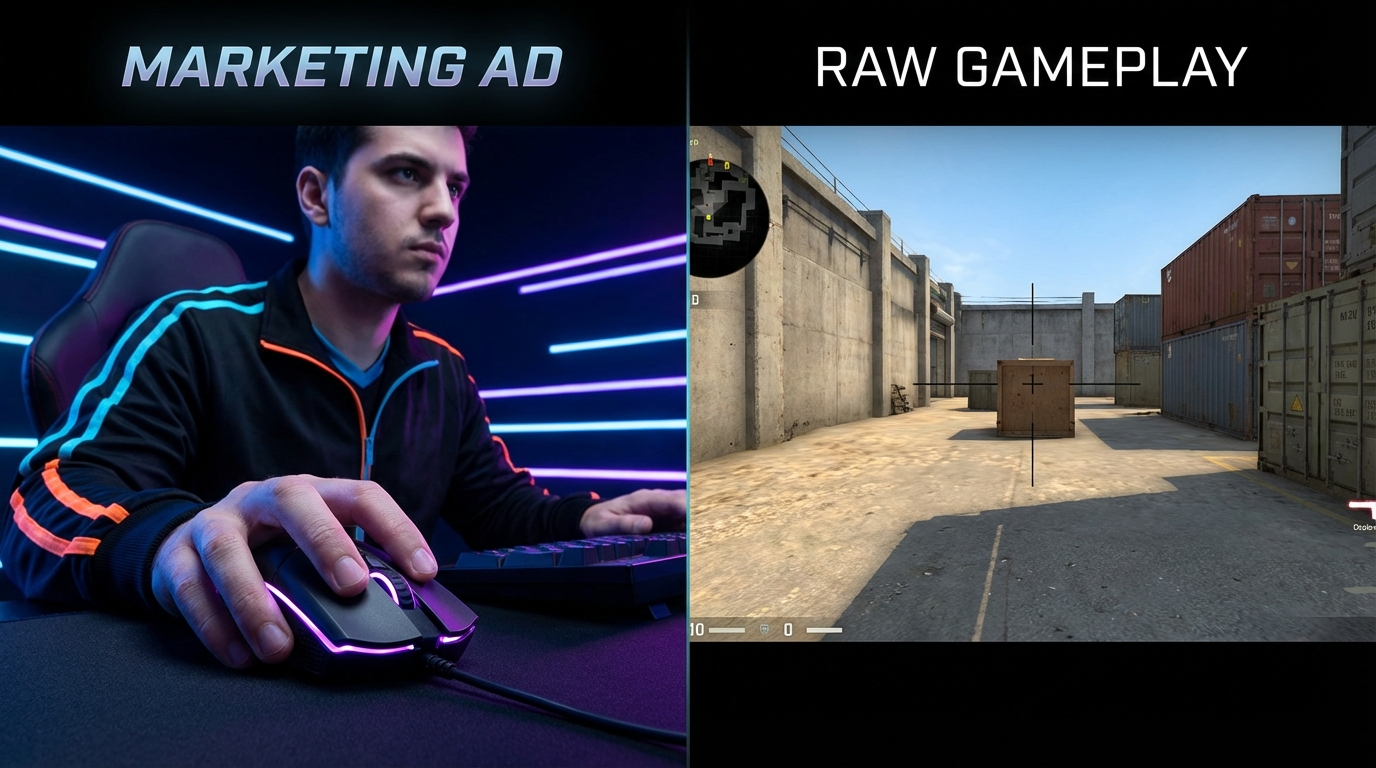
The market is obsessed with slapping a Pro label on everything from mousepads to headsets to justify a price tag that rivals a car payment. Companies spend millions on sponsorship deals to ensure your favorite athlete is seen using their latest plastic wonder, creating the illusion that these tools are the secret sauce behind world-class aim. In reality, you are paying a premium to subsidize marketing budgets and tournament booths. That two hundred dollar mouse does not magically make clicks register faster than the fifty dollar version, but it does come with a fancy box and enough lighting to be seen from orbit.
Build quality takes a backseat to aesthetics when companies realize they can distract you with sixteen million colors. You will often find these premium peripherals use the same internal sensors and switches as mid-range counterparts, wrapped in a shell harvested from a discount toy bin. It is a shell game. The industry expects you to ignore creaky plastic and mushy buttons because the logo is glowing. Instead of investing in durability, manufacturers bank on the idea that if it looks like a spaceship, you won’t notice the cheap construction.
The gap between marketing hype and performance has never been wider. High price points are treated as a status symbol rather than a reflection of technical superiority. While low-latency wireless protocols are a genuine improvement, they do not cost an extra hundred dollars to implement. We are being sold the dream of professional greatness packaged in overpriced hardware that prioritizes branding over user experience. Stop letting commercials convince you that your gear is the reason you are stuck in Silver rank.
Diminishing Returns In High End Mechanical Keyboards
Let’s be honest about the five hundred dollar paperweight on your desk. The enthusiast keyboard market has spiraled into absurdity where people pay for a solid block of aluminum that does nothing for a K/D ratio. You can tell yourself the gasket mount and hand-lubed switches provide a superior experience, but you are just typing on an expensive brick. Companies sell the dream of craftsmanship while ignoring that your computer cannot tell the difference between a boutique build and a standard plastic board. If you think a heavier chassis stops you from missing skill shots, you are the exact target audience for this nonsense.
The industry has mastered the art of distraction, slapping blinding lights onto mediocre hardware to justify a markup. Flashy colors and aircraft grade materials are used to hide that the internal PCB is no better than a budget model. We see a massive gap between the price tag and performance value, driven by the desire to look like a pro. Most high-end peripherals solve problems that do not exist for ninety-nine percent of gamers. You are paying for the aesthetic of being a serious player without receiving a competitive advantage.
Spending half a grand on a keyboard is not a performance upgrade; it is a lifestyle choice for people with too much disposable income and a weakness for buzzwords. While the accessories market is exploding, that growth is built on consumers who believe expensive always means better. Low-latency wireless and ergonomic shapes matter, but a custom brass weight is just expensive jewelry for your desk. Stop letting brands convince you that you need a luxury car price tag for a peripheral that uses the same technology as a twenty dollar office plank. Buy gear that works and stop funding the obsession with useless status symbols.
Stop Paying for the Neon Marketing Fluff
A mouse that looks like a neon disco ball isn’t going to fix your aim. The industry is obsessed with premiumization, which is just corporate speak for charging double for flashy strips and a recognizable logo. When shopping for gear, ignore the fluff about proprietary switches or gamer-grade plastic and look at the build quality. Prioritize sensor accuracy, switch durability, and low-latency wireless protocols. If a brand spends more time talking about sixteen million color options than the polling rate, you are looking at a glorified paperweight.
Spotting a hardware scam is easy once you stop letting lights distract you. If a peripheral is twice the price of competitors but offers the same technical specifications, you are paying a brand tax for a sticker. Much like the absurdity of paying for digital cosmetics, these physical items often prioritize status over utility. Always check for user reviews regarding long-term reliability rather than day-one impressions, because cheap components usually fail right after the return window closes. Genuine innovation exists in subtle details like weight distribution and ergonomic shape rather than aggressive aesthetics. Be smart with your cash, buy for the specs that matter, and fix the drift before you spend seventy dollars on a replacement.
Frequently Asked Questions
1. Does RGB lighting actually improve my gaming performance?
No, unless your goal is to turn your bedroom into a seizure-inducing disco. Rainbow LEDs have a zero percent impact on your kill-death ratio, but they have a one hundred percent impact on how much extra profit a CEO makes from your wallet.
2. Why are Pro labeled peripherals so much more expensive?
Companies slap a Pro sticker on a mouse to justify a 400 percent markup for three grams of carbon fiber and a dream. It is a marketing tax designed to make you feel like an athlete while you are actually just overpaying for the same sensor everyone else has.
3. Are high-end gaming chairs worth the massive price tag?
Most gaming chairs are just repurposed race car seats with the lumbar support of a wet noodle. You are paying for an aesthetic that belongs in a teenager’s bedroom rather than actual ergonomics that will save your spine.
4. Is there a real difference between cheap and expensive wireless protocols?
The industry wants you to believe you need sub-millisecond latency to click on a digital head, but most humans cannot perceive the difference. Unless you have the reflexes of a caffeinated squirrel, that premium is just a shiny way to overpay for RGB LEDs.
5. How do I know if a gaming headset is actually good or just overpriced?
Ignore the aggressive plastic molding and the 7.1 Surround Sound marketing fluff. If the internal drivers are mediocre and the build quality feels like a toy, no amount of synchronized lighting will make it worth two hundred dollars. Ditch the muddy audio and learn why your closed-back headset is failing to deliver the soundstage you need for competitive play.
6. Why is the gaming peripheral market projected to hit $30 billion?
The market is ballooning because brands have successfully convinced us that premiumization is a necessity rather than a luxury. We have entered an era where people pay more for a mouse than the actual games they are playing with it.