The Palworld 1.0 release is no longer a distant promise. It officially launched on July 10, 2026, ending more than two years of Early Access chaos. The full version adds 72 Pals, bringing the total to 287, alongside new islands, settlements, towers, dungeons, bosses, and the World Tree endgame area. I’m pleased to report that “almost finished” has finally been replaced by “finished,” a rare event in modern gaming.
The launch also raises the level cap to 80 and introduces Awakening and Mutation systems, along with broader multiplayer and base-building features. According to the developer, more than 850,000 players jumped in concurrently shortly after release, proving that the creature-collecting survival formula still has plenty of bite. The real question is whether 1.0 turns Palworld into a genuinely great adventure or simply gives the chaos a shinier coat of paint.
TL;DR: Palworld 1.0 officially launched on July 10, 2026, ending Early Access with 72 new Pals, bringing the roster to 287, plus new islands, bosses, dungeons, multiplayer features, and the World Tree endgame area. The update also raises the level cap to 80 and adds Awakening and Mutation systems, while its reported 850,000-plus concurrent players show massive interest, though the long-term test is whether the new content feels meaningfully complete.
July 10 Launch
Palworld officially ended Early Access and launched its 1.0 version on July 10, 2026, more than two years after arriving on January 18, 2024. The full release is not just a ceremonial switch from “unfinished” to “finished.” It adds 72 new Pals, bringing the total to 287, alongside new islands, settlements, towers, dungeons, bosses, expanded multiplayer and base-building systems, and the World Tree endgame area. I’m glad the developer brought actual content to the party, because slapping a 1.0 label on the same old buffet would have been embarrassing.
The launch also arrived with a massive audience already waiting outside the door. The developer reported that Palworld had reached 40 million players before 1.0, then recorded more than 850,000 concurrent players on a major PC storefront shortly after release. Those numbers show extraordinary interest, but they do not automatically prove the game feels complete. A crowded server is not a quality-control department. The real test is whether the new progression systems, including Awakening and Mutation, plus the level-cap increase from 65 to 80, give long-term players a reason to return instead of merely giving them more chores with better branding.
Platform access widened as well, with the game becoming available through a major subscription service. That makes the July 10 launch easier to sample, especially for players who wisely prefer testing a survival game before committing their entire weekend and possibly their sleep schedule. Some regions may display July 9 because of time-zone differences, but the official release date remains July 10. I’ll be watching whether the launch additions make Palworld feel genuinely finished or simply much larger, in the way a junk drawer is larger after you add more junk.
Sunreach And World Tree
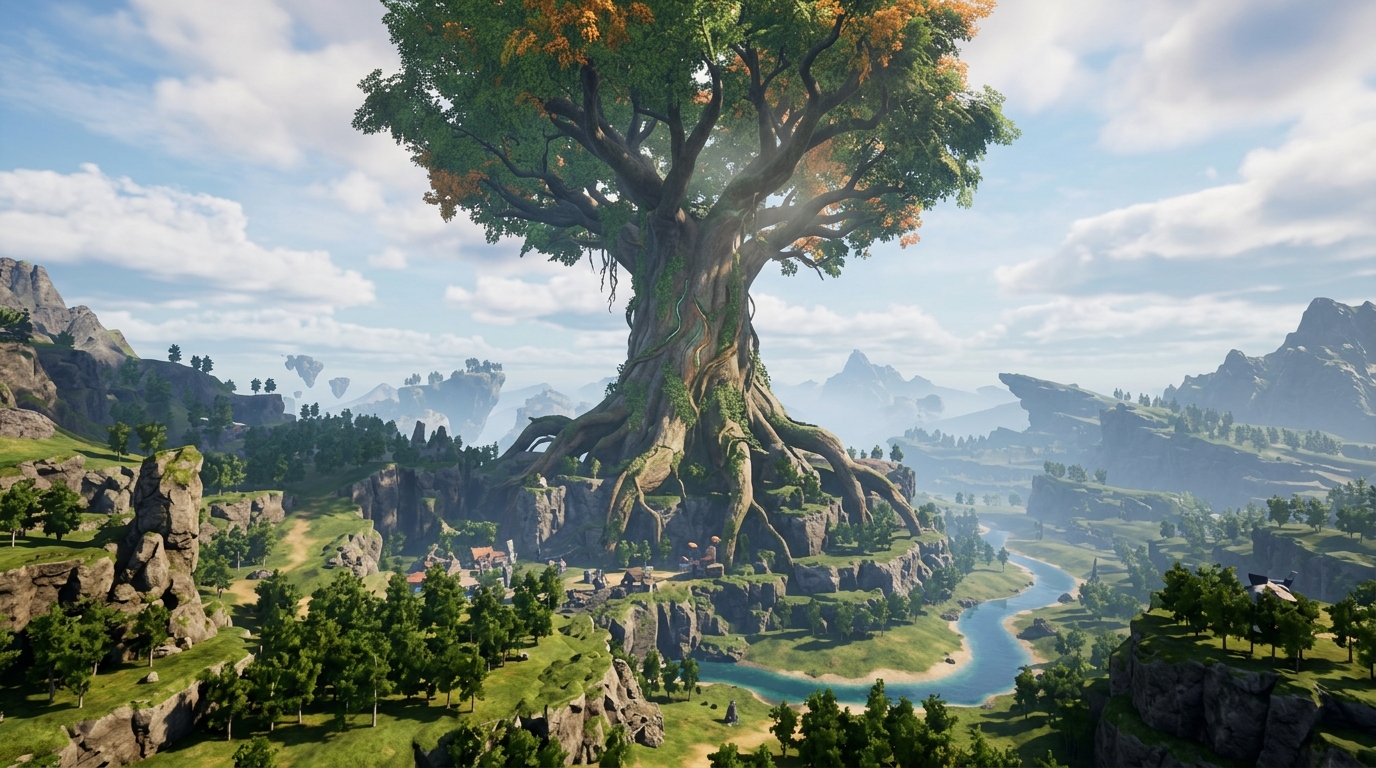
Palworld 1.0 launched on July 10, 2026, and the launch materials put Sunreach at the center of the expansion. This floating region, alongside new islands, settlements, towers, dungeons, and bosses, gives the map a much-needed sense of forward motion instead of another anonymous patch of grass begging for a wooden shack. I have spent enough time building bases that I no longer need a new crafting bench disguised as content. Sunreach matters because it offers actual destinations, threats, and reasons to leave the comfortable industrial complex I call home.
The World Tree is the bigger promise, serving as both a story area and an endgame destination for players who have already exhausted the usual survival routine. The level cap also rises to 80, while Awakening and Mutation give veteran players more to do with the creatures they already trained instead of simply tossing another collectible into the pasture. The launch adds 72 new Pals, bringing the total to 287, but the number is not the headline here. A creature roster can get bloated faster than a storage box after a weekend of hoarding, while a properly designed endgame can make the entire world feel worth revisiting.
That distinction is why these 1.0 additions matter more than a fresh pile of Pals. The new towers, bosses, dungeons, settlements, and World Tree create a progression path beyond base-building, breeding, and turning every available surface into a production line. I still want to see whether the story and endgame feel finished in practice rather than merely finished in launch marketing, but the structure is finally pointing in the right direction. After more than 850,000 concurrent players shortly after release, Palworld had a large audience ready for somewhere meaningful to go, and Sunreach plus the World Tree are the first convincing answer.
Awakening Mutation And Level 80
Palworld 1.0 launched on July 10, 2026, with 72 new Pals bringing the total roster to 287. The Awakening and Mutation systems add new ways to improve and customize those creatures beyond simply catching a bigger one and calling it a day. Awakening is the straightforward progression layer, while Mutation gives training a more targeted direction instead of treating every Pal like disposable factory equipment. That sounds promising, although the real test is whether these choices change how we build a team or just create two more tabs full of icons.
The increased player level cap, from 65 to 80, gives the launch more room for stronger gear, tougher bosses, and expanded endgame areas to justify themselves. In practice, a higher cap only matters if reaching it involves meaningful decisions rather than another pile of experience points earned while our base workers cook, mine, craft, and occasionally set themselves on fire. Awakening and Mutation can deepen Pal training if they encourage specialization, experimentation, and difficult trade-offs between favorites. If every optimal path boils down to clicking upgrades until the numbers turn green, then this is progression wearing a lab coat.
My verdict is cautiously positive, but not dazzled. The 72 new Pals provide the obvious collection hook, and a roster of 287 is large enough to make team-building feel less like choosing from a lunch menu with three options. Still, the systems need to make us care about how a Pal develops, not merely give the automated base another excuse to keep working while we browse menus. Level 80, Awakening, and Mutation add useful structure to the 1.0 endgame, but they only deepen Palworld if the player remains the one making important choices.
Launch Reception And Version 1.0.3
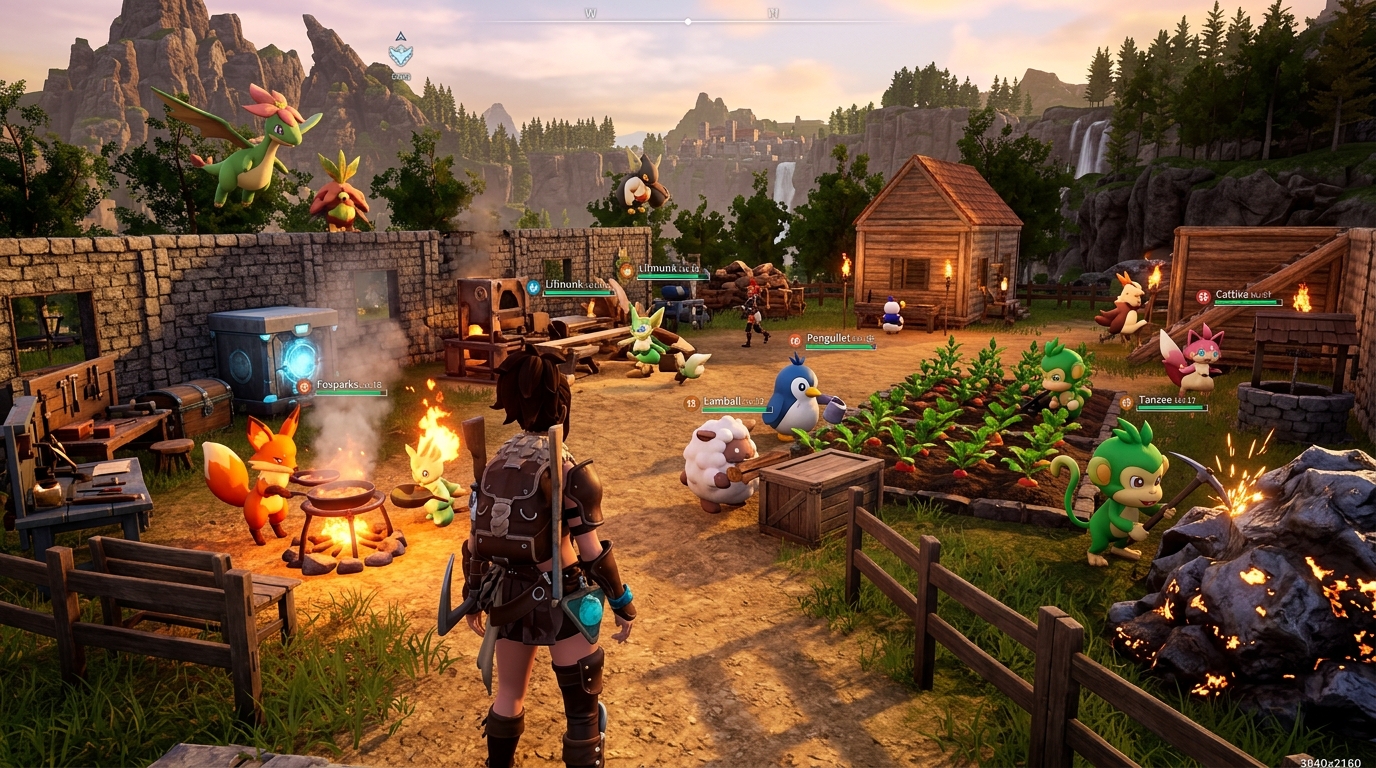
Palworld’s full release arrived on July 10, 2026, and reception remains “Very Positive” across more than 460,000 visible user reviews on a major PC storefront. That is a substantial vote of confidence, especially after the launch drew more than 850,000 concurrent players, but popularity is not a synonym for polish. I can recognize a hit without pretending every rough edge has been sanded down by magic. A huge audience proves that the survival formula still works, not that every system deserves a gold star and a commemorative statue.
The version 1.0.3 update on August 12 added balance changes, quality-of-life improvements, and bug fixes, which is welcome support for a game with this much moving machinery. Still, the timing makes the release feel less like a perfectly finished product and more like the familiar Early Access cleanup operation wearing a nicer jacket. That is not automatically bad, since active post-launch patching is healthier than abandoning players to wrestle with bugs alone. For now, I would call Palworld 1.0 a successful full release with unfinished business. It is not a sham, but it is definitely not the pristine victory lap the version number wants us to believe.
Palworld 1.0 Finally Earns Its Number
Palworld 1.0 officially launched on July 10, 2026, ending Early Access with 72 new Pals, a level cap of 80, and major additions including Sunreach and the World Tree. The world also expands with new islands, settlements, towers, dungeons, bosses, and deeper multiplayer and base-building systems. That is a substantial launch package, not a menu screen wearing a party hat. I found the release far more convincing than the usual “1.0” label slapped onto unfinished content, although some rough edges survived the ceremony.
The next test is whether the developer keeps working after the launch-week stampede fades. Awakening and Mutation still need balancing, while bugs, multiplayer stability, and systems that creak under the weight of too many players, Pals, and bases all need attention. Sunreach and the World Tree provide strong reasons to return, but new endgame landmarks mean little if co-op sessions remain vulnerable to glitches or progression feels uneven. A finished game should not require a second finishing phase, but live development has apparently decided that “done” is more of a motivational poster than a deadline.
I think Palworld 1.0 is worth returning to now, especially for players who left during Early Access and want a meaningful new chapter instead of another minor content drip. It is not flawless, and anyone exhausted by base maintenance, bugs, or multiplayer chaos should wait for the next balance and stability passes without guilt. My verdict is simple: reinstall it if Sunreach and the World Tree sound like the excuse you needed, but uninstalling is still reasonable if you expect “1.0” to mean polished, settled, and free of technical nonsense. Palworld has earned another chance, not a lifetime pardon.