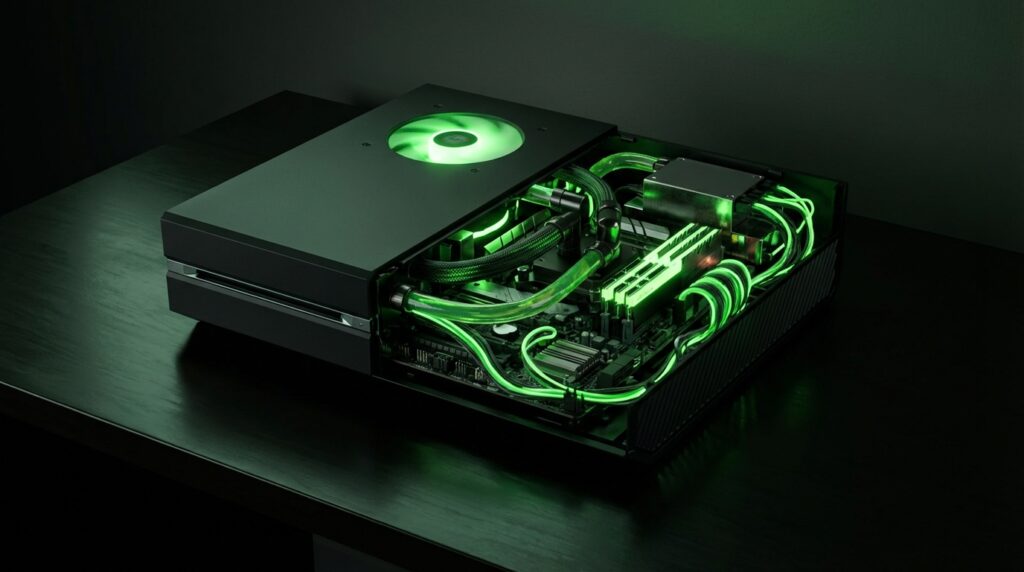
I’ve been sifting through the latest next-generation console rumors, and it seems the manufacturer has finally admitted the traditional console ecosystem is a decaying relic. Rather than building just another restrictive plastic box to sit under your TV, early leaks suggest they are pivoting hard toward a hybrid platform that glues console gaming to the chaotic flexibility of a desktop computer. It is a radical shift that basically admits personal computers won the gaming war, and I am entirely here for the sheer audacity of it.
The supposed target for this grand hardware experiment is 2027, but internal whispers already suggest that date is a wildly optimistic best-case scenario. The physical chips might be on track, but the entire launch completely hinges on the company building a specialized, functional version of their desktop operating system that doesn’t immediately crash when you look at it funny. Banking the future of your gaming division on the flawless execution of a notoriously bloated desktop OS is a terrifying gamble. At least it won’t be boring to watch.
Key Takeaways
- The next-generation console is targeting an highly optimistic 2027 release window, with massive delays stemming from complex software overhauls rather than hardware development.
- The manufacturer is abandoning the traditional closed console ecosystem to create a hybrid gaming machine powered by a specialized desktop operating system.
- This radical pivot blurs the line between consoles and standard computers by potentially allowing third-party PC storefronts to operate natively on the hardware.
- Forcing a bloated desktop interface onto a dedicated gaming box risks destroying the simple, plug-and-play convenience that traditional console players expect.
Targeting A Distant 2027 Release Window
Let me tell you about the latest brilliant strategy coming out of the hardware camp. Current whispers from industry insiders point to 2027 as the targeted launch window for the next generation of consoles. The chip manufacturer is apparently making good progress on custom silicon, but internal leaks clarify that 2027 is strictly a best-case scenario. Expecting loyal players to wait three more years for a meaningful hardware update is a spectacularly bold move for a company currently hemorrhaging market share to its main rival. It is the kind of staggering confidence you usually only see from someone who does not realize their ship is rapidly taking on water.
The primary reason for this massive delay reportedly revolves around a complete overhaul of the core operating system. The tech giant allegedly plans to rely on a highly specialized version of their flagship desktop OS, effectively shifting the hardware away from a traditional closed ecosystem into a weird hybrid PC experience. I find it absolutely hilarious that the grand strategy to fix a struggling console lineup is to just build a confusingly branded desktop computer. Depending on a brand new software build means any minor development hiccup will easily push that optimistic launch date even further down the calendar.
This entire situation leaves gamers actively questioning what exactly the long-term hardware vision is supposed to be. You cannot just bleed console sales month after month and expect a distant, unconfirmed hybrid box to magically fix your market position. We are left staring at a confusing roadmap filled with vague promises while the rest of the gaming industry actually releases compelling new hardware. If you are holding out hope that this distant launch will suddenly turn the tide, brace yourself for severe disappointment. Until 2027 actually rolls around, we are all just sitting here watching a hardware division try to reinvent the wheel.
Turning The Console Into A Desktop PC
I have been trying to make sense of the confusing hardware strategy over at the corporate headquarters, and recent industry leaks finally explain the madness. The current rumblings suggest the next flagship console, supposedly targeting a best-case 2027 launch, will ditch the traditional closed ecosystem entirely. Instead of a dedicated gaming box, we are apparently getting a hybrid platform running a specialized version of a desktop operating system. They are essentially planning to turn your living room console into an oversized PC handheld that just sits under your television. If you ever wanted the joy of updating graphics drivers while sitting on your couch, your bizarre dream might finally come true.
Booting up a console should mean pressing a single button and immediately jumping into a game, not staring at a desktop interface asking you to configure widgets. Putting a specialized desktop operating system on a dedicated gaming machine sounds like a fantastic way to introduce bloatware to the one sacred space we had left. The semi-custom chip they are building might be powerful, but raw horsepower means absolutely nothing if the system is bogged down by background processes trying to sync your calendar. We buy consoles specifically to escape the endless troubleshooting of PC gaming. Forcing that exact experience back onto us feels completely backwards. I am genuinely terrified that playing the next major exclusive will require me to close a spreadsheet and run a system diagnostics check first.
This entire shift speaks volumes about a company that seems utterly terrified of just making a normal video game console. Instead of focusing on delivering actual system-selling games, they are trying to reinvent the wheel by turning the hardware into a Trojan horse for their desktop operating system. It completely defeats the purpose of buying plug-and-play hardware when the final product is just a restricted gaming computer in a plastic box. If this 2027 timeline holds true, we have a few years left to enjoy the simplicity of traditional console gaming before we are forced to troubleshoot registry errors with a controller. Unless they manage to hide the desktop architecture behind a flawless user interface, this grand experiment could easily become the most frustrating piece of technology you ever plug into your television.
The End Of The Closed Console Ecosystem
Rumors circulating the industry suggest the manufacturer is preparing to burn down the traditional console rulebook by 2027. Instead of delivering another locked box that only plays proprietary discs and digital downloads, the next hardware iteration might be a bizarre hybrid that completely embraces the open PC ecosystem. I have to wonder if this rumored strategy is a stroke of pro-consumer genius or a desperate white flag waving wildly in the air. Letting third-party PC storefronts operate natively on a home console sounds completely unhinged for a hardware manufacturer to allow. We are looking at a fundamental shift in how we define a gaming machine, blurring the line between a living room box and a traditional desktop computer.
Giving players the freedom to access their existing PC libraries on a television without wrestling with terrible drivers sounds like an absolute dream scenario. You finally get the plug-and-play convenience of a console combined with the aggressive sales and modding freedom of the PC marketplace. However, this radical pivot also looks exactly like an incredibly massive corporation admitting they lost the traditional hardware war. If your exclusive game lineup fails to move plastic boxes, the next logical step is apparently to just turn your machine into a Trojan horse for everyone else’s software. It is a confusing hardware strategy that reeks of an identity crisis, leaving gamers to wonder why they should even buy the console if it just functions as a standardized budget PC.
The company has a terrible habit of overpromising and underdelivering when it comes to their grand ecosystem visions. If they actually manage to launch a customized, controller-friendly version of a desktop OS that runs third-party stores perfectly, I will happily eat my words. Unfortunately, history tells us we will probably get a bloated, confusing interface that tries to be everything to everyone while mastering absolutely nothing. Opening the garden gates to outside storefronts might be a brilliant way to win back consumer goodwill, but it could easily backfire if the execution is sloppy. For now, we just have to wait until 2027 to see if this open ecosystem gamble pays off or simply puts the final nail in the coffin of their hardware ambitions.
The Rumored Frankenstein Console Misses the Point
I honestly do not know if turning the next console into a weird PC hybrid Frankenstein is a stroke of genius or just a desperate cry for help. The manufacturer seems completely lost in the hardware space right now, pivoting from closed ecosystems to whatever this specialized desktop OS mutation is supposed to be. If this rumored 2027 box requires me to update graphics drivers or fiddle with background tasks just to play a game, they have completely missed the point of buying a dedicated machine. A gaming box is supposed to be simple. Sticking a heavily modified desktop operating system into a plastic shell sounds like a technical nightmare waiting to happen. The entire appeal of traditional hardware is plugging it in and playing immediately without troubleshooting random system errors.
Part of me thinks they should just throw in the towel on making heavy plastic boxes and stick to what they actually do best. They make fantastic controllers, and I would gladly buy their gamepads to use on my actual PC rather than suffer through a half-baked hybrid machine. However, if they actually manage to pull off a seamless ecosystem where desktop flexibility meets living room convenience, I will happily eat my words. Until that magical 2027 release window actually materializes, we are stuck dealing with a confusing strategy that leaves loyal fans wondering why they still support the brand. If the company cannot figure out exactly what their flagship hardware is supposed to be by then, they might as well just become a third-party accessory manufacturer and call it a day.
Ultimately, these rumors paint a picture of a company throwing everything at the wall just to see what sticks. We are looking at a best-case scenario of waiting three more years simply to find out if this bizarre pivot actually works in the real world. I am keeping my expectations buried deep underground until we see actual gameplay running on this mythical, specialized desktop box. For now, all these leaks really tell us is that the traditional console era for this tech giant is officially dead and buried. They are building a very weird bridge between two totally different worlds, and I just hope it does not collapse under the weight of its own bloated software.
Frequently Asked Questions
1. When is the next console actually coming out?
The manufacturer is aiming for 2027, but honestly, that is a wildly optimistic pipe dream. Expecting players to wait three more years while they hemorrhage market share is a spectacularly bold move. I would not hold my breath for a launch before 2028 unless a miracle happens.
2. Is the next console just going to be a PC?
Pretty much. The company is finally admitting that the traditional plastic box sitting under your TV is a decaying relic. They are pivoting hard toward a hybrid platform that basically glues console gaming to a desktop computer, proving once and for all that personal computers actually won the console war.
3. What operating system will the new console use?
They are betting the entire farm on a highly specialized version of their flagship desktop OS. Banking the future of your gaming division on an operating system that doesn’t immediately crash when you look at it funny is a terrifying gamble. It is going to be incredibly entertaining to watch them try to pull this off.
4. Why is the new console taking so long to release?
The physical silicon chips might be on track, but the massive delay is all about the software. The manufacturer has to completely overhaul their core operating system to make this hybrid Frankenstein monster actually work. Trying to force a desktop OS to behave nicely in a console environment is clearly taking a massive toll on their timeline.
5. Will the next console have custom hardware?
Yes, their hardware partners are currently cooking up a custom chip for the new system, and they are reportedly making good progress. The hardware itself is not the problem holding up the show. The real bottleneck is waiting for the software engineers to figure out how to make a desktop operating system run without a blue screen of death every five minutes.
6. Is the manufacturer giving up on traditional consoles entirely?
I am absolutely thrilled to say yes. They are finally looking at the restrictive console ecosystem and calling it what it is: a decaying relic. By embracing the chaotic flexibility of a PC, they are letting go of the outdated closed box mentality and actually trying something radically different.
7. Should I wait for the next console or build a PC now?
Do yourself a massive favor and just build a PC right now. The tech giant has essentially admitted that the PC won the gaming war anyway, and waiting until 2027 for a console that might not even work at launch is a terrible idea. Save your sanity and upgrade your rig today.