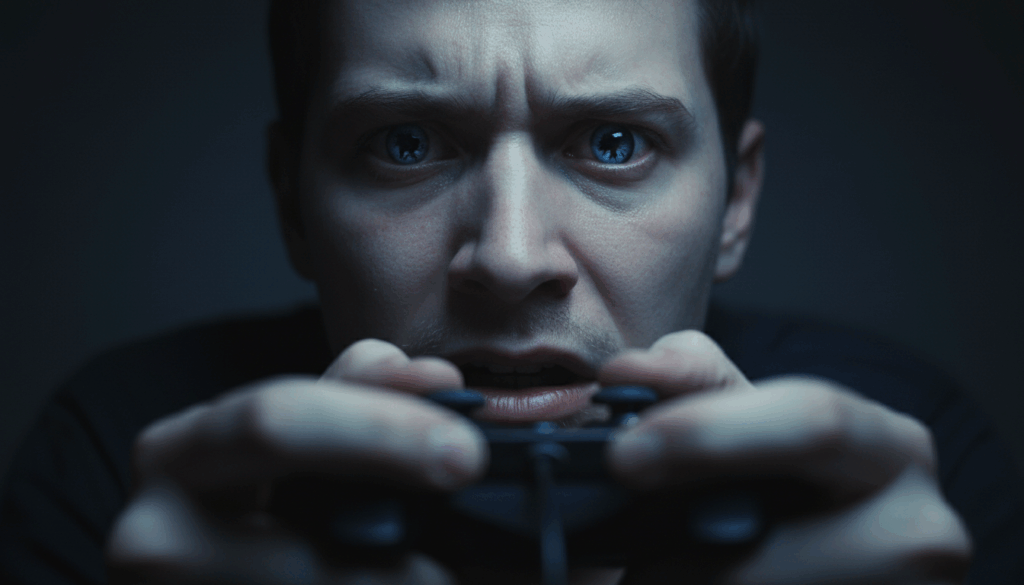
For years, AAA developers have treated getting from point A to point B like a cinematic chore. They lock characters into sluggish, automated landing animations that feel like wading through lukewarm molasses. Thankfully, the indie scene is finally waking up to the fact that simply walking across a map shouldn’t feel like a punishment. We are finally seeing a renaissance of satisfying movement mechanics where momentum is a hard-earned reward, not a participation trophy.
Smart indie titles are aggressively ditching the traditional hold sprint and pray garbage in favor of physics systems that actually respect your brain’s motor cortex. When I have to manually time a roll to keep my speed instead of watching a canned superhero landing, the illusion of control shatters and becomes actual agency. It turns out that when games stop playing themselves and hand the steering wheel back to the player, moving around stops being a disguised loading screen and becomes the absolute best part of the experience.
Key Takeaways
- Keeping input delay under the crucial 100-millisecond threshold is essential for creating immersive movement that feels like a seamless extension of player reflexes.
- Satisfying traversal systems abandon lazy sprint buttons in favor of physics-driven momentum, requiring players to earn their speed through precise, skill-based inputs.
- Sluggish, automated animation locks and cinematic landings must be eliminated because they strip away player agency and destroy the pacing of gameplay.
- Game movement must be treated as the core heartbeat of the experience by prioritizing tight, responsive control over bloated cinematic realism.
The Magic Of Sub-100ms Response Times
There is a very specific reason why some games make you feel like a cybernetic ninja while others make you feel like you are steering a shopping cart through wet cement. The magic number for keeping your controller out of the drywall is exactly 100 milliseconds. When a developer gets the input delay below that crucial threshold, your brain stops translating the button press and simply believes you are the character. You press jump, and the protagonist leaves the ground before you even consciously register the plastic clicking under your thumb. Anything slower than that fraction of a second is practically a criminal offense in modern game design.
We are finally seeing a shift in indie development where studios are ditching those awful, canned sprint animations in favor of pure momentum. Instead of holding a button to magically go faster, modern movement systems force you to earn your speed through precise, skill-based transitions. You have to time your landings perfectly to initiate a roll, keeping your hard-earned velocity alive instead of getting locked into a sluggish recovery pose. It completely eliminates that infuriating feeling of losing control over your own legs just because the animation department wanted to show off a realistic stumbling effect. This is what happens when developers pay attention to motor neuroscience instead of vaguely mimicking reality.
Games that nail this tight responsiveness are the only ones actually worth your time and money right now. When movement is dictated by your reflexes rather than a bloated physics engine, traversing the map becomes a satisfying game in itself. You stop fighting the controls and start looking for creative ways to chain jumps, slides, and wall runs together in one seamless flow. I will gladly take a graphically simple parkour title that respects my time over a gorgeous, big-budget cinematic experience that takes three business days to turn around. If your character cannot react in under 100 milliseconds, you are not really playing a game. You are just submitting bureaucratic movement requests to a sluggish server.
Momentum Over Mindless Sprinting Mechanics
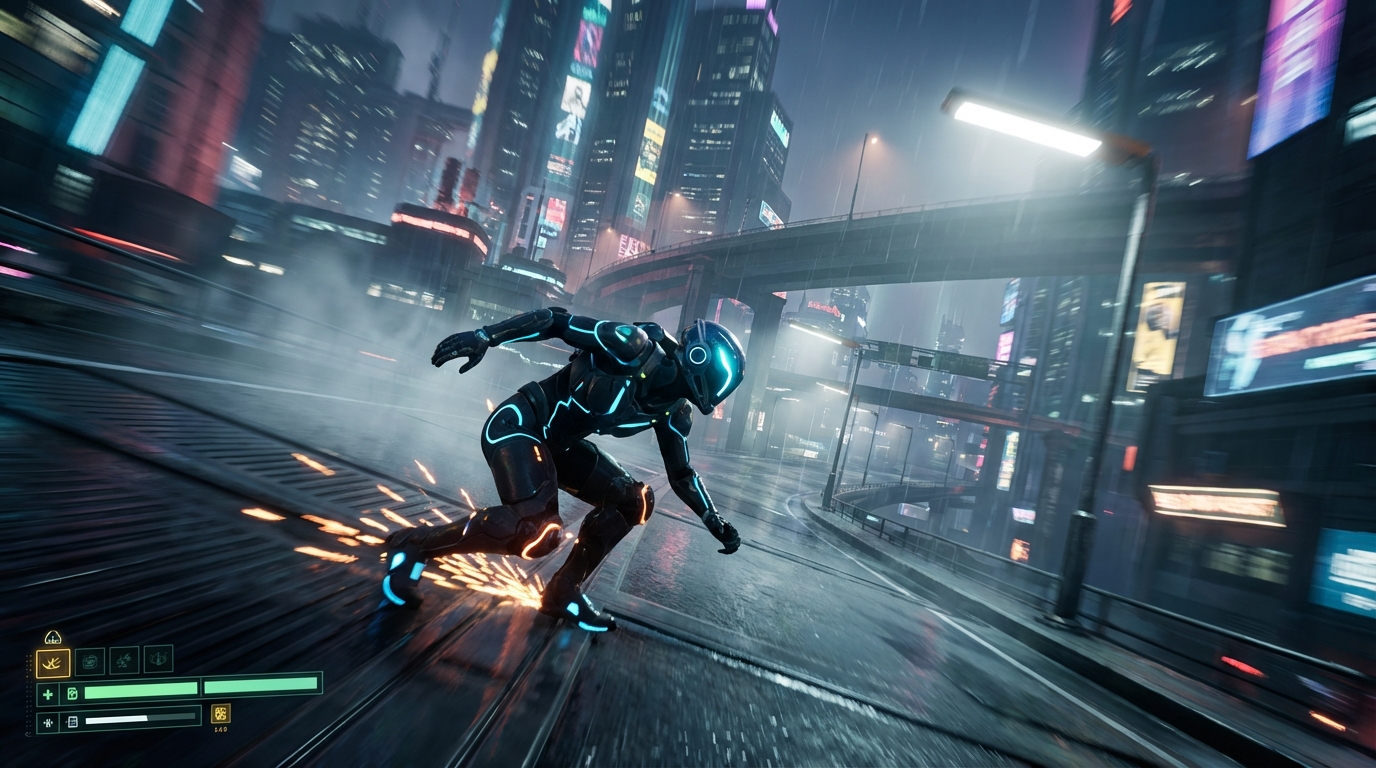
I am officially exhausted by games that treat movement like a tedious chore you can bypass by taping down the left bumper. For years, we have accepted the lazy design philosophy where holding a single sprint button magically propels your heavily armored protagonist forward at top speed. Your thumb goes completely numb while your character mindlessly glides across the map with zero actual physical engagement. It is incredibly boring, and it makes traversing massive open worlds feel like a punishment rather than a core gameplay feature. Thankfully, modern indie developers are finally waking up and realizing that getting from point A to point B should actually require a functioning brain.
Look at recent indie parkour titles if you want a masterclass in how to build a truly satisfying traversal system. Instead of handing you a free speed boost, these games force you to actually earn your momentum through precise, skill-based inputs. You have to nail your transitions by hitting the exact right button just before you strike the pavement to seamlessly roll into your next stride. If you mess up the timing, you suffer the very realistic consequence of losing all your speed and getting stuck in a clunky landing animation. This manual control gives you absolute agency over your movement, turning every basic jump into a rewarding puzzle of kinetic energy.
This shift toward physics-driven momentum is exactly the kind of innovation the gaming industry desperately needs right now. When developers stop relying on automated animations to do all the heavy lifting, players actually get to play the game. Mastering a tight, responsive movement system feels infinitely better than watching your character float along a predetermined path. It separates the sluggish, uninspired titles from the genuine recommendations that respect your time and your reflexes. If a game wants me to cross a massive map, it better make the actual act of running feel like an accomplishment.
Killing The Dreaded Animation Lock
I cannot stand when a game forces my character into a dramatic superhero landing just because I jumped off a small ledge. You are plummeting toward the earth with glorious momentum, only to hit the ground and freeze for two agonizing seconds while your avatar remembers how knees work. This dreaded animation lock completely strips away player agency and kills the pacing of an otherwise great experience. Developers seem to think we want cinematic realism, but all we actually want is to keep moving without feeling like our boots are filled with wet cement. It is a frustrating design choice that punishes players for simply trying to navigate the map.
The absolute best titles right now are ditching these sluggish systems and handing control back to the player. Instead of forcing an automatic stagger, smart developers let us manually time a dodge or roll right before hitting the dirt to preserve our kinetic energy. Modern indie parkour projects are proving that movement should be a skill you master rather than a brief cinematic you endure. When you nail that perfect landing input, the transition is seamless and incredibly satisfying. You get to keep your speed, maintain your flow, and actually feel like a competent action hero instead of a fragile porcelain doll.
Top Tier Movement Mechanics Hall Of Fame
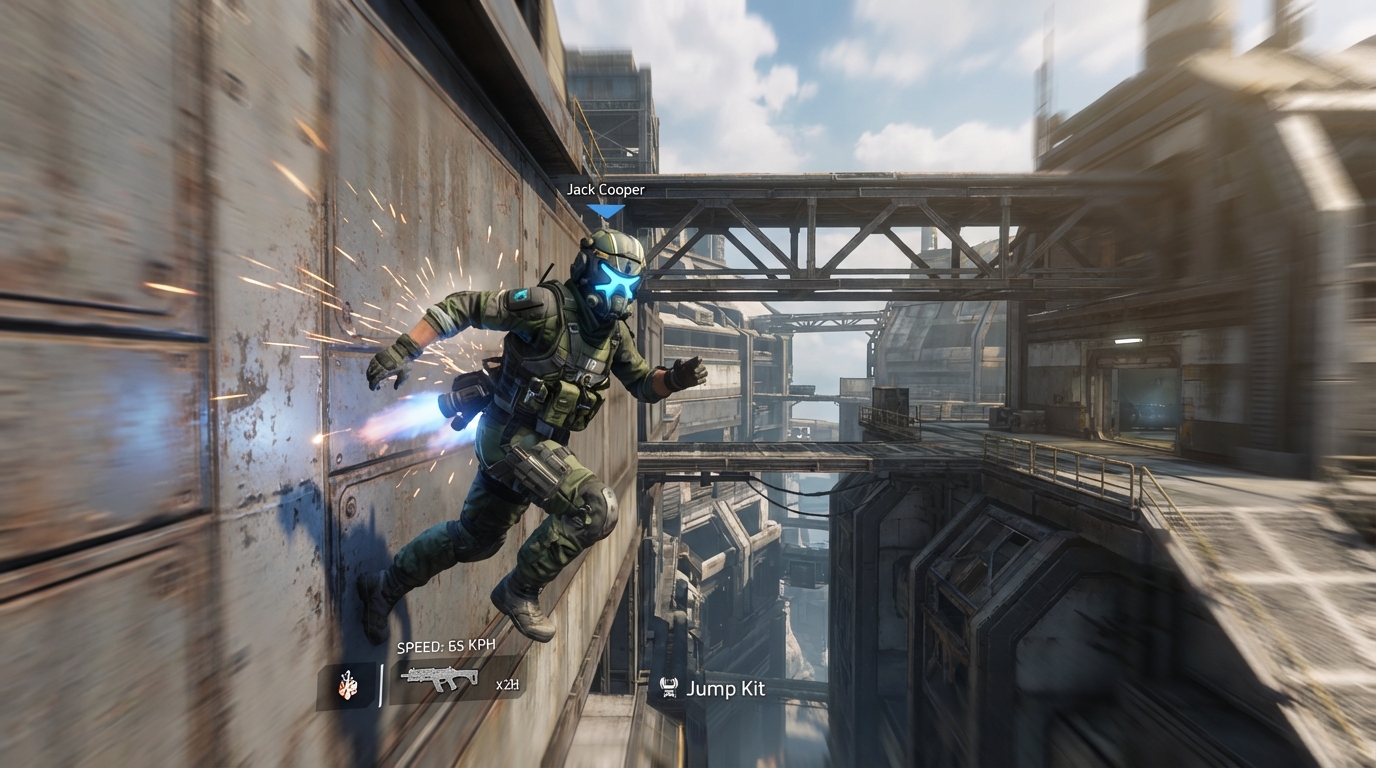
I have uninstalled more games than I can count simply because the main character moves like a rusty shopping cart wading through a swamp. You can have the most breathtaking graphics and a story written by literary geniuses, but if pressing the jump button feels like submitting a request form to a bureaucratic committee, your game belongs in the trash. The titles that actually deserve a spot in the Hall of Fame understand that traversal is not just a way to get from point A to point B. It is the core heartbeat of the entire experience. When developers nail that tight, responsive control, you stop thinking about the controller entirely and just flow seamlessly through the environment.
Thankfully, a massive shift is happening right now in the indie scene, and developers are finally ditching those lazy sprint buttons for momentum-based systems. Look at recent parkour titles, which brilliantly force you to actually earn your speed through skill-based transitions instead of just holding down a trigger. Rather than trapping you in an agonizing, automated landing pose that kills your forward progress, these games demand precise timing to roll and keep your speed alive. This manual control gives you absolute agency over your momentum, making every successful leap feel incredibly rewarding. We are finally moving away from sluggish, canned animations into an era where your brain actually has to engage with the physics of the world.
This level of mechanical polish is exactly what separates a mediocre time killer from a genuine masterpiece. When a game respects your inputs and perfectly translates your intentions onto the screen, it creates a deeply satisfying loop that keeps you hooked for hours. You do not need to gush over every new release to recognize when a studio has absolutely nailed the fundamentals of human movement. These top-tier games prove that tight traversal systems are the ultimate foundation of interactive entertainment. If your character feels amazing to control, everything else in the game automatically gets elevated to a higher standard.
Stop Treating Basic Movement Like an Afterthought
I am officially begging developers to stop making us wade through digital molasses just to cross a room. We are in an era where games can render individual pores on a character model, yet half of these blockbusters still control like you are steering a shopping cart with a busted wheel. Movement is the fundamental way we interact with your world, so it needs to be the absolute top priority. If your protagonist takes three business days to turn around, you have fundamentally failed at basic game design. Stop relying on automated, sluggish animations that lock players into place and start giving us back actual control.
Thankfully, the indie scene is finally waking up to the fact that momentum is fun and getting stuck in a canned landing pose is miserable. We are seeing a massive shift toward skill-based inputs where you actually have to time your rolls and manage your speed instead of just holding down a sprint button. This is not just a trendy design choice. Recent developments in motor neuroscience prove our brains genuinely crave that seamless flow of uninterrupted motion. When a game gets this right, it stops being a chore and transforms into a genuinely satisfying playground. You stop fighting the controller and start actually playing the game.
Do yourself a massive favor and stop settling for games that feel terrible to play. Life is entirely too short to spend it helplessly watching your highly trained assassin stumble over a two-inch rock. Reward the studios that prioritize tight, responsive mechanics with your hard-earned cash and leave the sluggish cinematic walking simulators in the bargain bin where they belong. We deserve games that actually feel good in our hands, and it is high time we stopped accepting anything less. Demand better game feel, because playing a video game should never feel like trudging through wet cement.
Frequently Asked Questions
1. What makes movement mechanics actually satisfying?
It comes down to earning your momentum instead of being handed a participation trophy. When a game forces me to manually time a roll to keep my speed, I actually feel like I am in control. It turns traversing the map from a boring chore into the absolute best part of the experience.
2. Why do so many big-budget games feel terrible to play?
Big studios treat getting around like a cinematic chore because they care more about looking like a movie than being a fun game. They lock characters into sluggish, automated landing animations that feel like wading through lukewarm molasses. I am completely sick of watching canned superhero landings when I could be actually playing the game.
3. What is the magic number for input delay?
The absolute sweet spot for keeping your controller out of the drywall is exactly 100 milliseconds. When developers get the delay below that fraction of a second, your brain stops translating button presses and simply believes you are the cybernetic ninja on screen. Anything slower is practically a criminal offense in modern game design.
4. Why is input delay such a big deal?
If it takes too long for the game to register my jump, I feel like I am steering a shopping cart through wet cement. Quick response times mean the protagonist leaves the ground before you even consciously register the plastic clicking under your thumb. It is the literal difference between an immersive experience and a frustrating garbage fire.
5. How do modern indie games fix the movement problem?
They aggressively ditch the traditional hold sprint and pray garbage in favor of physics systems that actually respect your brain. Instead of letting the game play itself, you have to manually time your actions to keep your speed up. The illusion of control shatters, and you finally get actual agency over your character.
6. What is wrong with a standard sprint button?
Holding a button to magically go faster is just lazy design that treats players like toddlers. Momentum should be a hard-earned reward based on your skill with the physics system, not a freebie. When you strip away those awful canned sprint animations, you get pure speed that actually feels earned.
7. Are cinematic animations really that bad?
Yes, because they rip the steering wheel right out of your hands. Moving around stops being a game and turns into a heavily disguised loading screen. I want to play a video game, not watch a frustrated digital puppet stumble through a pre-rendered obstacle course.