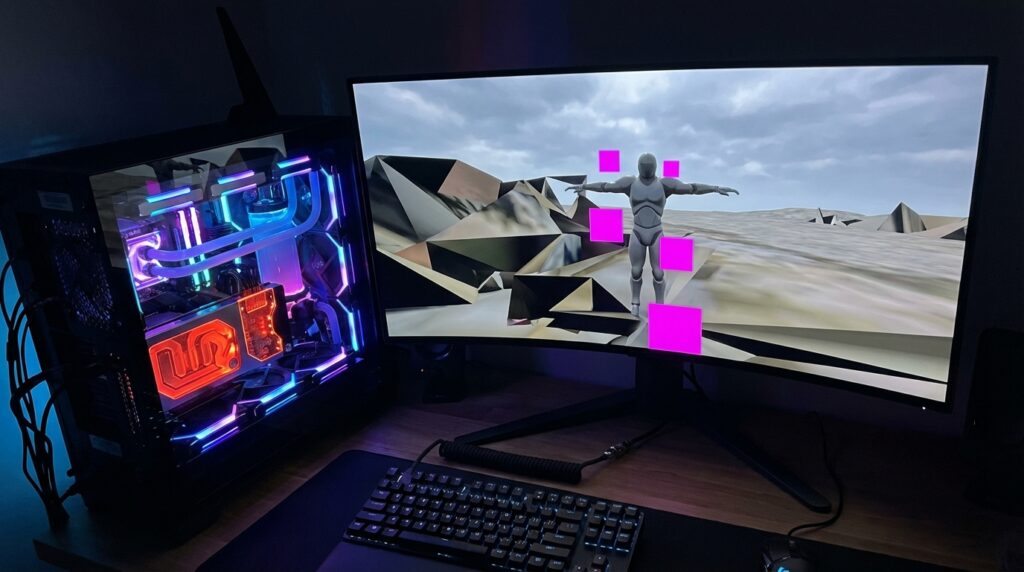
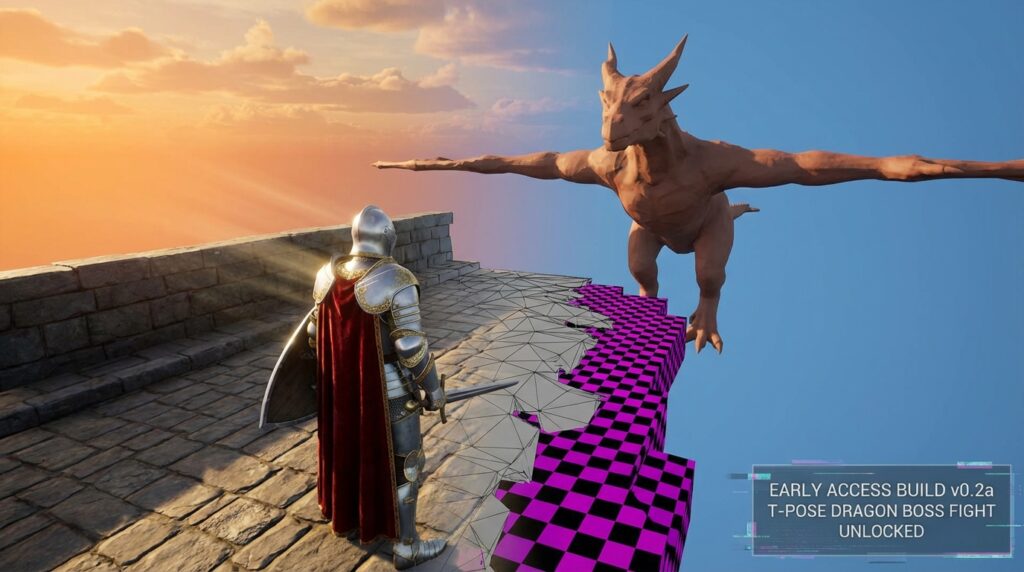
Remember when buying a game meant taking home a finished product instead of a promise and a prayer? Those days are dead. We now live in a reality where we pay full price for the privilege of bug-testing broken code while developers count our cash. It’s the golden age of early access scams, where “potential” is sold as a premium feature and a functioning menu screen is treated like a miracle. We aren’t players anymore. We are unpaid QA testers for projects that will never see a version 1.0.
A buggy launch used to be a disaster. Now it is just standard operating procedure for studios looking for a quick buck. These developers hide behind the “Alpha” label like a permanent shield to deflect valid criticism because the game is technically “still in development” for the seventh consecutive year. They dangle ambitious roadmaps full of lies to hype up sales, only to ghost the community the second the refund window closes. It is time to stop applauding unfinished garbage and start demanding games that actually work.
Frequently Asked Questions
1. Can a developer legally abandon an Early Access game?
There is no universal rule requiring every studio to finish an Early Access game; legal obligations depend on local consumer laws, storefront terms, and the promises made to buyers. A roadmap alone may not guarantee delivery, but misleading claims can still raise legal issues.
2. Can I get a refund for an Early Access game?
Refund eligibility depends on the storefront, but Steam generally allows requests within 14 days of purchase if you have played for less than two hours. Early Access playtime counts toward that limit, so check the platform’s current policy and act quickly rather than waiting for the next promised patch.
3. What should I do if I downloaded a suspicious beta app?
Stop using the app and run a security scan if you installed or opened it. If you entered account details, change your password through the official site, revoke other active sessions, and enable two-factor authentication; contact your bank if you shared payment information.
4. Are crowdfunding games the same as Early Access games?
Crowdfunding is a way to finance a project, while Early Access usually offers a playable build through a storefront before the game is finished. Backing a campaign does not automatically guarantee a completed game or a refund, so read the campaign’s risks, reward terms, and update history before contributing.
Key Takeaways
-
Developers increasingly exploit “Early Access” labels to shield themselves from criticism while charging full price for unfinished, buggy prototypes that may never reach completion.
-
Low-effort “asset flips” flood marketplaces, utilizing cheap, pre-made resources to create broken games designed solely to trick consumers into keeping the product past the refund window.
-
Studios frequently use ambitious, unrealistic roadmaps to drive initial sales, only to abandon development and ghost the community once the hype fades.
-
Consumers must stop purchasing vague promises and pre-orders to force studios to prioritize quality control and deliver finished, functional products.
The Forever Alpha Purgatory Trap

We need to talk about the developers who treat the Early Access label like a magical invincibility star. These studios have figured out that if you slap a “Work in Progress” sticker on your storefront page, you are suddenly immune to all valid criticism regarding bugs or missing features. If you complain that your character falls through the floor every twenty minutes, the fanboys descend to scream that you just don’t understand the development process. It has been seven years since the initial release, yet the game is still technically in alpha while the devs hide behind that label. They want the protection of a prototype while charging the price of a triple-A masterpiece.
The absolute boldest move in this scam playbook is having the audacity to release paid DLC for a game that hasn’t even hit version 1.0 yet. You haven’t finished the main course, but you are already trying to sell us dessert for twenty bucks a pop. Seeing an expansion pass for a survival game that still has placeholder assets and crash-to-desktop errors is a special kind of insult to the consumer. They prioritize monetization over optimization because they know they already have your money in their pocket. It turns the entire concept of funding development into a never-ending subscription service for mediocrity.
Let’s be real for a second and admit that if a developer is accepting money for a product, that product is released regardless of what the banner says. Hiding behind the alpha tag allows them to keep expectations in the basement while the marketing team hypes up features that might not exist until the next decade. This indefinite purgatory creates a safety net where failure is just part of the journey rather than a reason for a refund. We are essentially paying full retail price to be unpaid quality assurance testers for projects that might never actually cross the finish line. Stop letting them use a beta tag as a permanent get-out-of-jail-free card for incompetence.
Asset Flips and Unity Store Shovelware
If you have browsed the new releases tab on Steam lately, you have definitely seen the same generic zombie model in five different games. These developers aren’t building worlds or crafting narratives. They are going shopping on the Unity Asset Store and tossing everything into a blender. It takes about an afternoon to drag a pre-made forest map into an engine and drop in a store-bought survival inventory system. The result is always a janky mess labeled as an “open-world survival horror” experience that barely functions on a supercomputer. We aren’t paying for actual game development here. We are just reimbursing them for the twenty bucks they spent on a polygon pack.
The business model for these shovelware factories is actually more impressive than the gameplay loop itself. They release these Frankenstein monsters with a flashy trailer that conveniently hides the fact that the AI enemies don’t actually move. The goal isn’t to make a good game. It is to keep you confused just long enough to pass the two-hour refund window. Once they have secured your money, the studio goes silent and the promised updates vanish into thin air. It is a digital smash and grab that leaves your library cluttered with unplayable garbage while the “devs” move on to their next scam.
The Roadmap of Lies and Abandonment

Nothing sells a broken dream quite like a glossy, high-resolution roadmap filled with features that simply do not exist. These developers treat a JPEG timeline like a binding contract, promising massive open worlds and complex crafting systems to distract you from the fact that the current build crashes if you jump too high. It is always the same trajectory. They start with basic bug fixes and end with galactic conquest, despite the development team consisting of one guy who just learned coding last week. You buy into the hype because you want to believe, throwing thirty dollars at a vision board rather than a playable video game. By the time you realize those milestones were pure fiction, your refund window has slammed shut and the money is already gone.
Once the sales spike tapers off, the communication strategy shifts immediately from daily hype to absolute radio silence. The weekly devlogs stop appearing, replaced by vague excuses about personal issues or a total engine rewrite that sound suspiciously like someone packing their bags. You check the Discord server hoping for answers, only to find the chat channels locked and the developers listed as offline for the last three months. Eventually the server vanishes entirely. It leaves a community of angry bag-holders screaming into the void while the studio head deletes their social media accounts. It is the digital equivalent of a carnival barker packing up the tent in the middle of the night before anyone realizes the prizes are fake.
How to Spot an Early Access Scam Before You Pay
Not every rough early access game is a scam, and not every polished trailer signals a con. The useful question is whether the studio is clear about what exists today, not what might ship after three miraculous years of updates. Read the store page carefully. Look for a specific feature list, known limitations, recent patch notes, and a realistic explanation of what early access is funding. A page that promises everything from base building to interplanetary diplomacy but cannot explain the current gameplay loop is selling fog with a logo on it.
Check the date and detail of developer updates, then compare them with the roadmap. If milestones keep sliding without an explanation, or the same feature is “coming soon” for years, treat that as a warning. Reviews can help, but read beyond the score: users often describe crashes, missing content, abandoned servers, and whether updates actually fixed anything. Be wary of suspiciously identical praise and vague offers of future rewards for positive reviews. A crowd of gamers repeating “best game ever” without mentioning what they played is not a quality assurance report.
Also check the refund rules on the storefront before you buy, because the clock does not care how convincing the trailer was. Search for the developer’s other releases and see whether those projects were completed or left down in the same unfinished state. Marketing ads can make a small project look like the next industry-changing hit, but a glossy trailer is not evidence of a working build. A few minutes spent checking the actual gameplay and recent community feedback can save you from paying to discover that the exciting feature list is mostly aspirational fan fiction.
Fake Invites, Apps, and Other Account Traps
Some early access scams are not merely unfinished games with a price tag. Cybercriminals can use the excitement around a new release to push deceptive invites, fake beta sign-ups, or unofficial apps that promise access nobody else can get. A message claiming you have been selected to play a secret test may lead to a lookalike login page designed to steal your account details. Others ask users to download a file from an unfamiliar site, turning a chance to try a game into a chance to install something far less fun.
Be especially cautious when an invite arrives out of nowhere, pressures you to act quickly, or asks for your password, payment details, or account verification code. Check the game’s official channels and storefront listing instead of trusting a link in a direct message. Search results and Google ads can point to convincing copies of real pages, so inspect the web address before signing in. Security companies such as Bitdefender publish guidance on recognizing malicious downloads and phishing, which can help explain why an unexpected installer deserves more suspicion than a suspiciously generous game offer. No beta test needs your password. That is not testing; it is a mugging with a loading screen.
Paying Top Dollar to Bug-Test Broken Code
The gaming industry has successfully gaslit us into believing that a vague roadmap is the same thing as a playable product. We have normalized paying top dollar for the privilege of bug-testing code that barely runs on a supercomputer. Steam is currently flooded with half-baked survival crafting clones that will never see a full release because the developers already cashed out. It is frankly embarrassing that we celebrate a game actually launching in a finished state like it is some kind of divine miracle. This endless cycle of hype, disappointment, and abandonment will not stop until we collectively refuse to fall for the same old tricks.
The only way to force these studios to finish their games is to starve them of the easy money they crave. Stop throwing cash at concept art and vague promises of future content that will likely get cancelled by the next fiscal quarter. If a developer wants your hard-earned money, they should have the decency to present a product that actually functions from start to finish. Every time you pre-order a digital promise, you are telling the industry that quality control is an optional expense they can cut. Make them earn the sale by delivering a complete experience rather than a glorified tech demo with a cash shop.