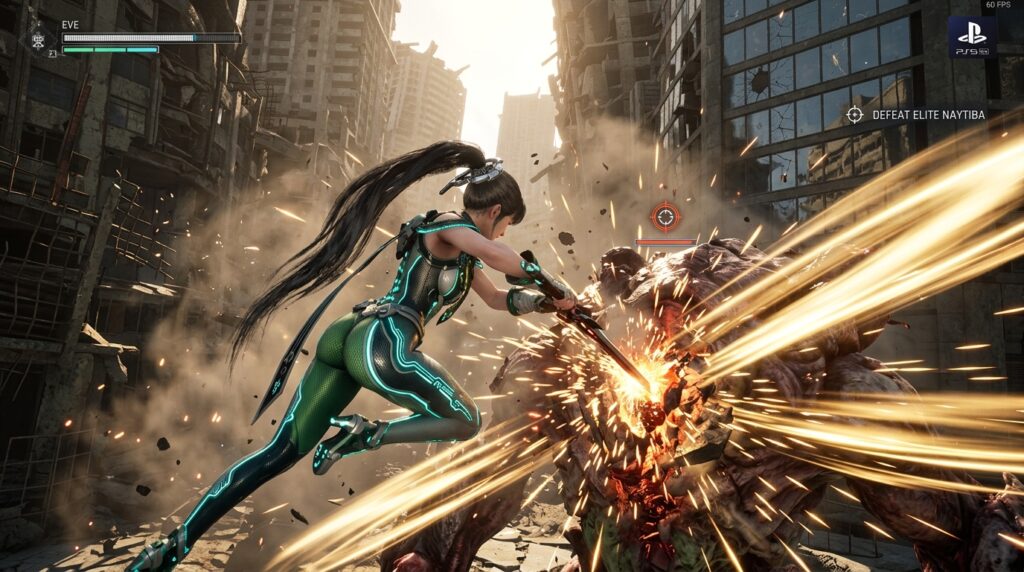
When Stellar Blade first dropped, we all knew it was a looker, but the recent jump to multi-platform status has turned performance into the only conversation worth having. Whether you’re rocking a PC rig that costs more than my first car or you’ve finally secured a PS5 Pro, the days of settling for blurry textures and stuttering parries are officially over. It’s rare to see a developer actually deliver on technical promises instead of hiding behind a patch that never fixes anything, so let’s see if these upgrades actually justify the hype.
The PS5 Pro version is currently the gold standard, specifically thanks to the PSSR 2.0 update that makes the image look cleaner than my conscience after a weekend of ignoring chores. You’ve got the choice between a locked 60 FPS in Pro Mode or pushing the Pro Max limits if you’re fancy enough to own a VRR display. Input latency is the silent killer in action games, but the new 120Hz support finally gives Eve the responsiveness she deserved from the start. If your hardware can’t handle these settings in 2026, it might be time to stop using your toaster as a GPU.
Key Takeaways
- The PC port is the definitive way to play, leveraging DLSS 4 and RTX 50-series hardware to achieve native 4K assets and triple-digit frame rates.
- PS5 Pro users should prioritize ‘Pro Mode’ for a locked 60 FPS and sharp 4K image via PSSR 2.0, as ‘Pro Max’ mode requires a VRR display to mask performance fluctuations.
- Enabling 120Hz support is essential for high-level play, as it drastically reduces input latency and provides the responsiveness needed for frame-perfect parries and dodges.
- High-end technical optimization, rather than visual aesthetics alone, fundamentally transforms the combat experience from a struggle against lag into a fluid, rhythmic dance.
PS5 Pro PSSR And The Pro Max Mode
If you want to see what the PS5 Pro is actually capable of when it isn’t just upscaling textures of grass, look no further than the implementation of PSSR 2.0 update in Stellar Blade. While the internet was busy losing its collective mind over Eve’s outfits, the developers were actually busy making the game look like a pristine window into a post-apocalyptic nightmare. The Pro Mode is the sweet spot here, using spectral super resolution to take a 1440p base and scrub it clean until it hits a sharp 4K finish. It manages to maintain a buttery 60 FPS that stays locked even when you are parrying a boss into oblivion. This is easily one of the cleanest uses of AI upscaling I have seen on a console to date, proving that technical polish matters more than manufactured outrage.
Then we have the Pro Max mode, which is essentially the “look but don’t touch” setting for anyone without a high-end setup. It pushes for a near native 4K internal resolution, but the trade-off is a variable frame rate that likes to dance between 50 and 60 FPS. Unless you have a VRR display to mask those tiny stutters, you are going to feel every single dip during the more chaotic combat encounters. It is a classic case of chasing numbers on a spec sheet at the expense of actual playability. Stick to the standard Pro Mode for the consistent fluidity this combat system demands, because a slightly sharper rock texture isn’t worth missing a frame-perfect dodge.
For the true performance junkies, turning on the High Frame Rate toggle with a 120Hz support output is the only way to play if you care about winning. Reducing input latency is critical in a game where a millisecond determines whether you land a combo or get slapped across the map. It makes the entire experience feel incredibly responsive, turning Eve into a whirlwind of steel that actually keeps up with your inputs. The PS5 Pro finally gives this game the hardware it deserves, moving past the “good enough” performance of the base console. Just remember that the Pro Max mode is mostly bait for people who prefer screenshots over actual gameplay.
PC Port Optimization And DLSS 4 Power
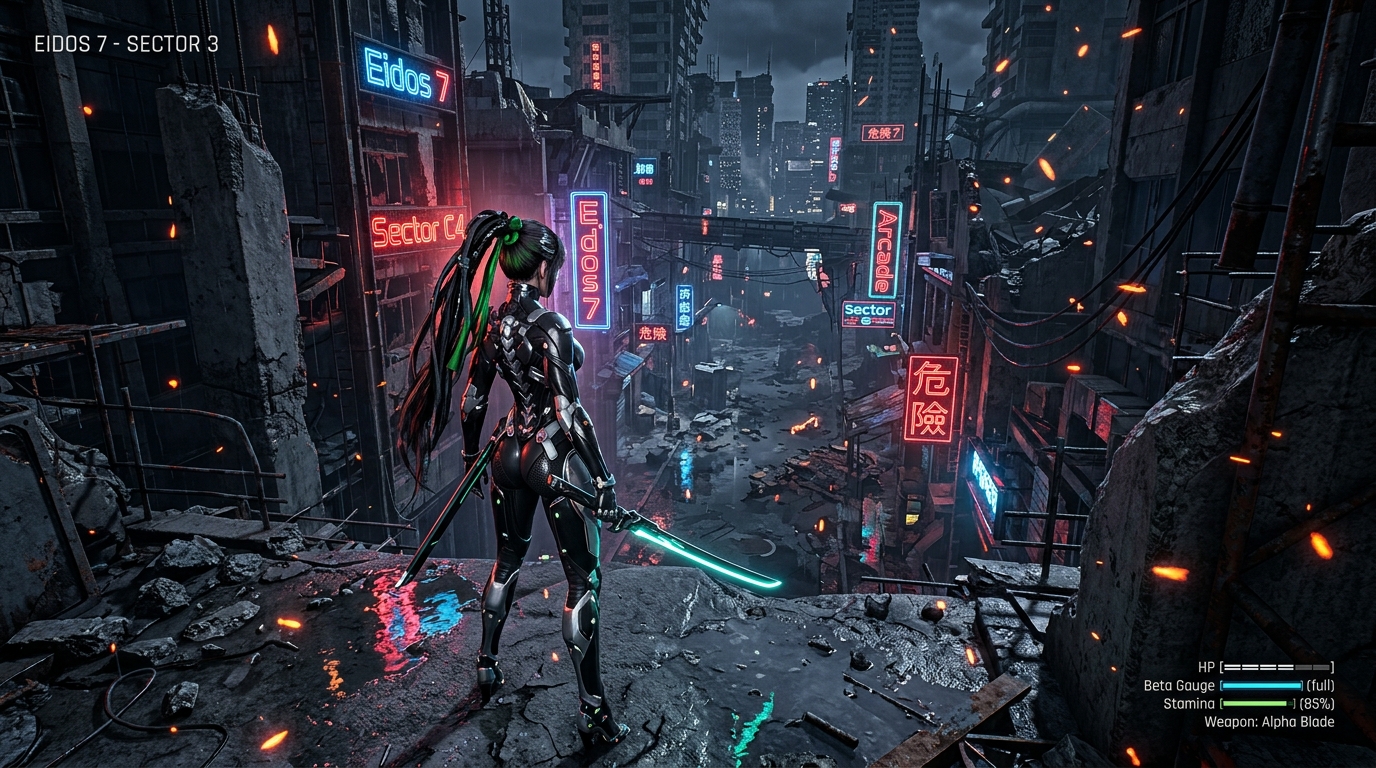
The June 2025 PC release of Stellar Blade finally lets us see what Eve can do when she is not being held back by console hardware limitations. While the PS5 version was a solid start, the jump to PC feels like taking off a pair of blurry glasses and seeing the world in high definition for the first time. With the power of the RTX 50-series, the game transforms from a mere action title into a fluid masterpiece of steel and sparks. Frame rates that used to struggle are now pinned to the ceiling, making every parry and dodge feel instantaneous. It is the kind of technical polish that makes you realize just how much performance actually matters in a game built on precision.
Frame Generation and DLSS 4 are the real stars of the show here, turning what was once a demanding port into a buttery smooth experience. By leveraging these AI tools, the game maintains a level of visual clarity that leaves the base PS5 version looking like a distant, pixelated memory. You are getting native 4K assets with a temporal stability that console upscaling can only dream of achieving on its best day. Combat sequences that previously saw minor stutters are now perfectly synchronized with your inputs, which is vital when you are timing counters against massive bosses. It is rare to see a port that feels this optimized, but the results speak for themselves on a high end rig.
Beyond the raw numbers, the PC version highlights the incredible character work and environment design without the distracting shimmering of lower resolutions. The industry spent months arguing about Eve’s design, but they should have been talking about how much better she looks when the textures actually resolve properly. Playing at 120Hz or higher changes the entire flow of the game, making the rhythmic combat feel more like a dance and less like a struggle against input lag. If you have the hardware to push these settings, there is absolutely no reason to settle for the console experience. This is officially the definitive way to play, and anything less feels like a compromise you no longer have to make.
Input Latency And High Frame Rate Combat
In the world of high stakes action games, frame rate is more than just a metric for tech snobs to argue about on forums. While the internet was busy losing its mind over Eve’s outfits, I was more concerned with whether the hardware could actually keep up with a boss that moves like a blender on high speed. With the 120Hz output and PSSR 2.0 refined for 2026, the game finally feels as sharp as the protagonist’s blade. It turns out that pretty pixels are a distant second to the luxury of a locked 60 FPS when you are trying to time a perfect parry. If you are playing on a standard display without VRR, you are basically volunteering to get slapped around by a Naytiba because of a few milliseconds of lag.
Input latency is the silent killer of combat games, but modern latency reduction tools and the Pro Max mode have effectively buried that problem for good. When you toggle that high frame rate support, the window for dodging shifts from a desperate guess to a deliberate, calculated choice. It is the difference between feeling like a master of the blade and feeling like a clumsy tourist who forgot how their controller works. I have always said that a game can look like a masterpiece, but it is worth nothing if the button response feels like it is traveling through a vat of molasses. Thankfully, the technical polish here ensures that every time I die, it is actually my own lack of skill rather than a hardware hiccup.
The fluidity of the combat at 120Hz makes the standard 30 FPS experience look like a slideshow from the stone age. You might think you don’t need those extra frames until you see how much easier it is to track a boss’s telegraphs when the motion blur isn’t masking their every move. The Pro Mode on the PS5 Pro is the sweet spot for anyone who wants that 4K clarity without sacrificing the twitch response required for the harder difficulty settings. It is refreshing to see a developer focus on the actual mechanics of play instead of just padding out the marketing with empty buzzwords. If you aren’t taking advantage of these performance modes, you are essentially playing the game with one hand tied behind your back.
PC Power: Eve’s Only True Home
If you are looking for the definitive way to experience Eve’s journey, the PC port is the undisputed heavyweight champion of the world. While the PS5 Pro puts up a valiant fight with its PSSR 2.0 upscaling, nothing beats the raw power of a high end rig pushing native 4K at triple digit frame rates. The technical upgrades here actually justify a second playthrough because the combat feels fundamentally different when you have zero input latency. It turns out that the game engine is just as polished and high performing as the character models everyone spent months arguing about. If you have the hardware to handle it, this version makes the original console launch look like a blurry memory.
The PS5 Pro remains a fantastic middle ground for those who prefer the comfort of a couch over the complexity of driver updates. Pro Mode offers a remarkably clean image that holds a steady 60 FPS, which is the bare minimum for a game that demands this much precision. You get all the visual bells and whistles without the headache of building a custom tower, and the haptic feedback on the controller still feels great. It is a rare case where the mid generation hardware refresh actually feels like it was built specifically to make this title shine. Whether you are parrying bosses or just admiring the environmental textures, the stability of the Pro Max mode is a massive step up.
Ultimately, your money is best spent on the platform that lets you bypass the visual compromises of the base hardware. Stellar Blade is a rare triple A release that actually launched in a finished state and only got better with age and optimization. The developers clearly prioritized frame pacing and responsiveness, proving that a game can have both style and substance. If you already own it on the standard console, the upgrade is worth it for the sheer fluidity of the 120Hz support alone. This is a masterclass in how to handle a multi platform rollout without losing the technical soul of the project.
Frequently Asked Questions
1. What exactly is PSSR 2.0 and why should I care?
PSSR 2.0 is the AI upscaling wizardry that finally stops games from looking like a smeared oil painting. It takes a 1440p base and scrubs it into a sharp 4K finish, giving you the visual fidelity of a high-end PC without the soul-crushing price tag.
2. Is the PS5 Pro Mode actually better than the base console?
It is the difference between seeing every detail of a post-apocalyptic nightmare and squinting through a foggy window. Pro Mode locks in a buttery 60 FPS at 4K resolution, meaning you can actually see the boss that is currently handing you your head on a platter.
3. What is the deal with Pro Max mode and do I need a new TV?
Pro Max mode is for the hardware enthusiasts who want to push the absolute limits of the PS5 Pro. You will need a VRR-compatible display to make it worth your while, but the payoff is the smoothest performance Eve has ever seen.
4. How does the input latency feel with the new 120Hz support?
Input latency is the silent killer of action games, but the 120Hz support effectively buries it. Eve is finally as responsive as she should have been from the start, making those frame-perfect parries feel like second nature instead of a guessing game.
5. Can I get decent performance if I am still playing on a base PS5?
The base PS5 is still a capable machine, but you are essentially driving a sedan while the Pro owners are in a supercar. You will get the job done, but you will be missing out on the pristine AI upscaling and rock-solid frame rates that define the modern experience.
6. Is the PC port actually optimized or is it another broken mess?
Unlike most developers who hide behind a useless patch, this team actually delivered a polished experience. If your gaming rig costs more than a used car and you are still seeing stutters, it is time to stop blaming the game and start looking at recent ports that failed to deliver on their technical promises. You should also check out the Stellar Blade DLC to see if the new content matches the quality of the base game’s optimization.