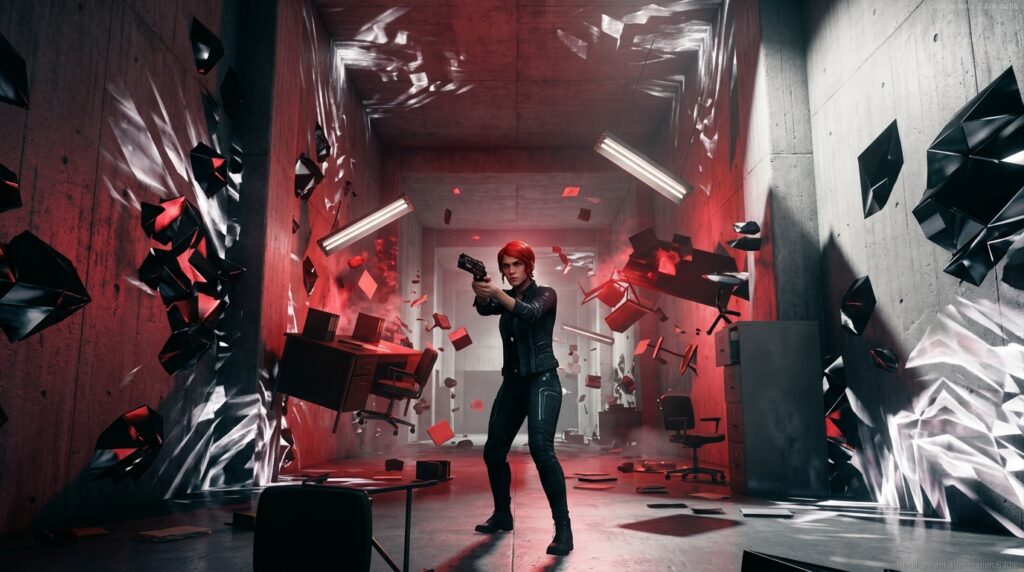
I have spent years getting lost in the labyrinthine corridors of the Oldest House, but the wait for Jesse Faden’s return is finally hitting the home stretch. The studio has officially pulled back the curtain on control 2 development updates, revealing that the sequel, now titled Control: Resonant, is currently in the alpha phase and sprinting toward a Q2 2026 release. With a hefty €50 million budget and a massive team of 200 developers, I can see they are clearly betting the farm that we are all still hungry for more brutalist architecture and reality-bending gunplay.
The financial stakes are high, with a need to move roughly 4 million copies just to break even, but if anyone can make weirdness profitable, it is this crew. I am looking at a May or June launch window on PS5, Xbox Series X/S, and PC, which means you have just enough time to pretend you actually understood the first game’s ending before the sequel drops. It is bold, it is expensive, and if it maintains that signature polish, it might just be the most justified €50 million ever spent on supernatural office supplies.
Key Takeaways
- Control 2 is officially titled Control: Resonant and has entered the alpha phase of development with a targeted release window of Q2 2026.
- The project features a massive €50 million budget and a dedicated team of 200 developers, marking the studio’s largest gameplay production to date.
- Control: Resonant will launch on PS5, Xbox Series X/S, and PC, requiring approximately 3 to 4 million copies sold to reach its financial break-even point.
- The sequel continues Jesse Faden’s story and leans deeper into the ‘New Weird’ aesthetic with expanded physics-based combat and reality-bending environments.
Control 2 Resonant Reaches Alpha Development Stage
The transition from the mysterious Project Heron to the official title of Control: Resonant signals that the team is finally ready to stop playing coy and start melting our brains again. Moving into the alpha phase is a massive milestone, especially since they have scaled the production team up to a staggering 200 developers. This is officially their largest gameplay team to date, which is exactly what I want to hear when a developer is trying to top the reality-bending chaos of the first game. With a budget of 50 million Euros, they are clearly putting their money where their mouth is to ensure this sequel has the same high-production polish as their previous psychological thrillers.
I am looking at a targeted release window of Q2 2026, which means the Oldest House might be opening its doors again sooner than expected. The jump to full production indicates that the high-concept weirdness and New Weird aesthetic are moving from the whiteboard to a playable reality. They need to move 3 to 4 million copies to break even, so they are likely betting big on the Resonant Reaches to expand the connected universe in ways that make the first game look like a tech demo. It is a bold move for a studio that refuses to play it safe, and frankly, I am here for the inevitable architectural nightmares and janitorial duties.
The sheer scale of this project suggests that the Resonant subtitle is not just a fancy word choice, but a hint at the narrative depth I can expect. Having 200 developers focused on a single vision means we are likely done with the experimental phase and deep into the part where they polish the physics-based telekinesis and dimension-hopping. This is the stage where the technical leaks start to get juicy, and the hype for a May or June 2026 launch starts to feel tangible. If they can stick the landing, we are looking at a sequel that actually respects our intelligence while blowing our speakers out with some otherworldly feedback.
Breaking Down The Q2 2026 Release Window
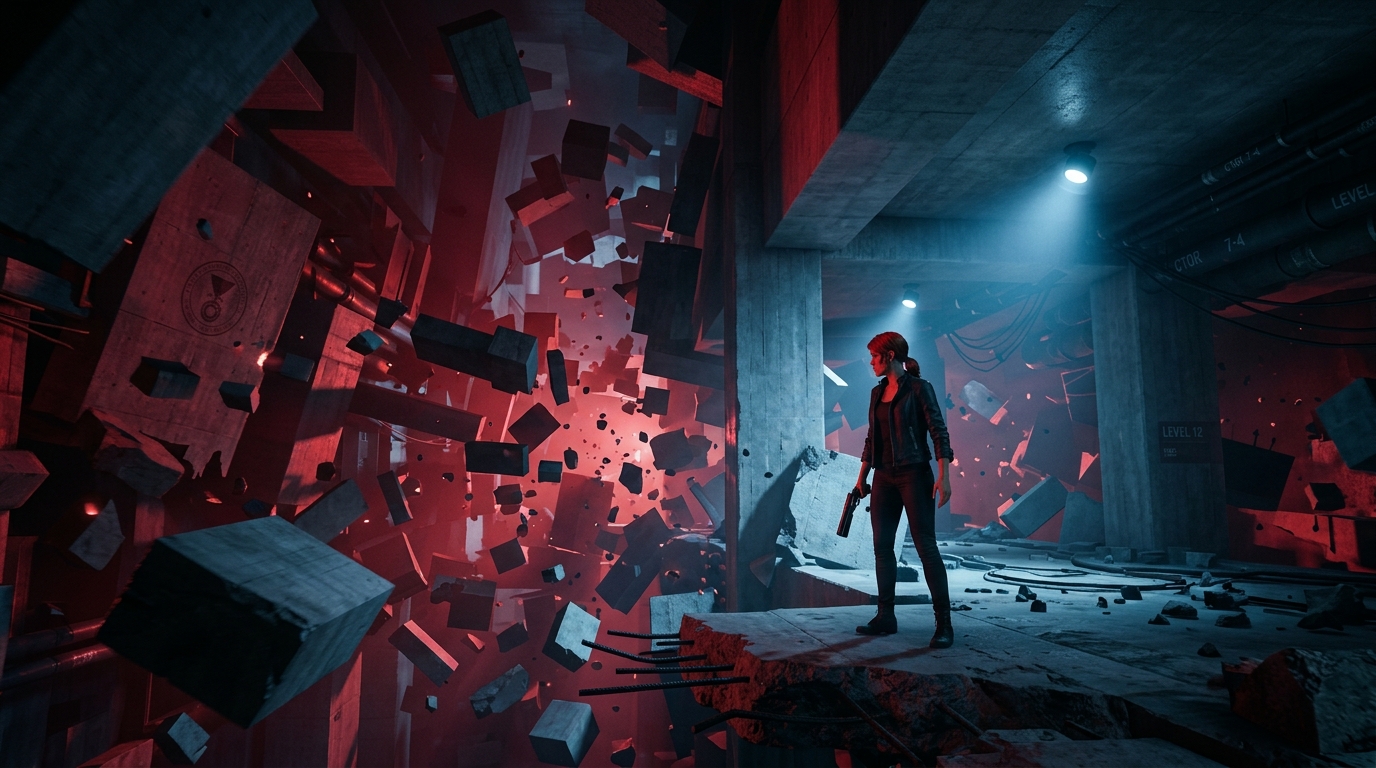
The studio is officially pushing all their chips to the center of the table with Control: Resonant, and the latest investor reports suggest we are looking at a Q2 2026 release window. With a massive fifty million euro budget and a small army of two hundred developers, they are clearly banking on Jesse Faden to carry them through this high stakes gamble. It is refreshing to see a developer actually commit to the bit instead of playing it safe with a generic shooter. They need to move at least three million copies just to break even, which is a bold move for a game that prides itself on being weird, abstract, and occasionally incomprehensible. If the Q2 window holds true, I am only months away from seeing if this massive investment translates into the mind bending masterpiece I have been waiting for since the first game.
The transition from the alpha stage into full production has been remarkably fast, proving that the team is not just sitting around throwing folders at each other. By narrowing the release window to the second quarter of 2026, the studio is positioning this sequel as their primary heavy hitter for the year. This is not just another sequel because the scale and technical ambition here are aiming to match the high bar set by their previous hits. While the industry is currently obsessed with safe bets and recycled ideas, I actually respect the sheer audacity of spending fifty million euros on a game about supernatural bureaucracy and resonant frequencies. I have seen plenty of delays in this industry lately, but the confidence reflected in these financial documents suggests that Jesse is ready to reclaim the Oldest House sooner rather than later.
New Leadership And PlayStation State Of Play Reveals
The new leadership is currently walking a tightrope between corporate transparency and the kind of high-concept mystery that makes fans lose their minds. With a hefty fifty million Euro budget and a massive team of two hundred developers, the pressure is on to turn this cult favorite into a mainstream juggernaut. The leadership seems to understand that you cannot market a game like Control: Resonant with standard trailers, so they are leaning into the weirdness to keep the hype train from derailing. The recent PlayStation State of Play gave us a glimpse of this strategy, showcasing a polished, playable build that looks remarkably stable for a game still in its alpha phase. It is refreshing to see a leader who does not hide behind corporate buzzwords while the internet dissects every frame of leaked footage.
Speaking of those leaks, the recent gameplay clips suggest that the sequel is leaning even harder into the brutalist, reality-bending combat I loved in the original. The footage reveals a level of technical polish that makes the Q2 2026 release window feel like a promise rather than a prayer. I am seeing more fluid movement and environmental destruction that actually serves a purpose beyond just looking cool on a high-end PC. While the studio needs to move 4 million copies to break even, the confidence radiating from these early builds suggests they are not playing it safe to chase a broader audience. If the final product maintains this level of atmospheric tension and mechanical tightrope-walking, I might actually get a sequel that surpasses the original without losing its soul.
The shift from Project Heron to the official title of Control: Resonant signals a narrative focus on the frequency-based horrors that have always simmered beneath the surface of the Bureau. It is clear that the transition to full production in early 2025 was not just for show, as the sheer scale of the New York headquarters seems to have expanded in ways that defy traditional geometry. Watching a character navigate these shifting corridors in real-time during the latest reveals proves that the engine is doing some heavy lifting to keep up with the ambition. I am cautiously optimistic because the marketing is finally matching the game’s intelligence instead of treating us like we have never seen a floating chair before. This is the kind of sophisticated, high-concept design that usually gets buried by safe sequels, so seeing it get this much financial backing is a rare win for the industry.
Remedy’s Big-Budget Gamble on Weird
Betting on a sequel to a high-concept cult classic is always a gamble, but the studio is doubling down with a massive 200-person team and a budget that screams confidence. Aiming for 4 million copies isn’t just an ambitious goal for a studio that specializes in weird, it is a full-blown stress test for the brand’s growing mainstream appeal. While Jesse Faden’s first outing was a slow-burn success that relied on word-of-mouth, Control: Resonant won’t have the luxury of hiding in the shadows of the Oldest House. The studio is clearly banking on the fact that their connected universe is now a household name rather than a niche experiment. If they can stick the landing in Q2 2026, they might just prove that big-budget gaming still has room for stories that actually require a functioning brain.
The transition from alpha to a full-scale launch window of May or June 2026 suggests the finish line is finally in sight, even if the Hiss is trying to trip them up. I have seen plenty of developers fly too close to the sun with massive sales targets, but this team has a knack for turning atmospheric dread into actual profit. This isn’t just about recouping a 50 million euro investment, it is about cementing their status as the kings of the New Weird genre. If the technical leaks and narrative rumors are even half as ambitious as the internal hype suggests, I am looking at a potential masterpiece. I am cautiously optimistic that they can hit that break-even point without selling their soul to the corporate gods of generic shooters.
Ultimately, the success of this sequel depends on whether the general public is ready to embrace the madness on a global scale. Selling 4 million units is a tall order for any game that doesn’t have a yearly sports roster or a battle pass, but the hype surrounding the project has been building for years. The team is playing a high-stakes game of chicken with the industry’s expectations by refusing to simplify their complex world-building. I would much rather see a studio swing for the fences and miss than watch them churn out another safe, boring sequel that plays it too close to the vest. As long as the gameplay remains as sharp as the writing, I suspect they will find those millions of players waiting in the lobby of the Oldest House. This is especially true when compared to other upcoming UE5 games that often prioritize visual flair over mechanical depth.
Frequently Asked Questions
1. What is the official name of the Control sequel?
The studio has finally stopped calling it Project Heron and officially titled the game Control: Resonant. It sounds a lot more dignified than Supernatural Office Simulator 2, so I will take it.
2. When can I actually play Control 2?
The game is currently targeting a Q2 2026 release window. You should clear your calendar for May or June of that year if you want to lose your mind in the Oldest House again.
3. What platforms will the game be available on?
You can expect to find this reality-bending chaos on PS5, Xbox Series X/S, and PC. If you are still clinging to your last-gen console, it is officially time to move on.
4. How far along is the development process?
The project has officially hit the alpha phase, which means the core systems are in place and the team is sprinting toward the finish line. They have scaled up to 200 developers to make sure every floating chair looks perfect.
5. How much money is being spent on this sequel?
The studio is dropping a cool 50 million Euros on this production. It is a massive bet that proves they are serious about making this even weirder and more polished than the first entry.
6. Is the game expected to be a financial success?
The stakes are high because they need to sell roughly 4 million copies just to break even. Given their track record, they are clearly betting that high-quality weirdness still sells.
7. Will Jesse Faden be returning as the protagonist?
Jesse is back to lead us through the labyrinthine corridors once again. You have about two years to re-watch the ending of the first game and try to figure out what actually happened.