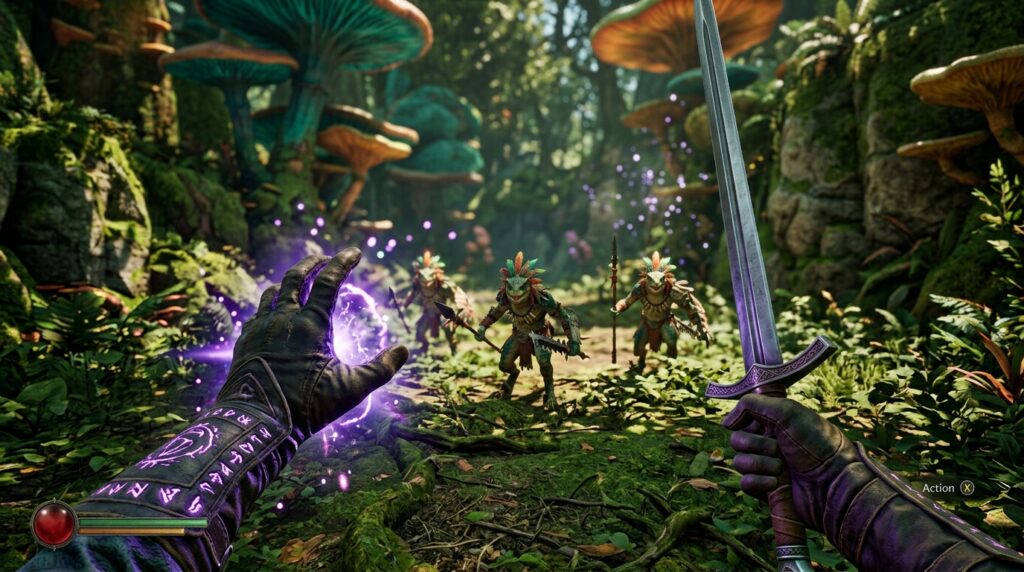
After years of teasing us with a promise of better writing in a familiar fantasy setting, we finally have our hands on the Living Lands. My initial avowed gameplay impressions are a mix of genuine fun and a bit of fatigue from seeing it all before. The classless system is a blast, letting you fire a flintlock pistol in one hand while freezing a lake with the other, which is exactly the kind of chaotic multitasking I live for. It is polished, it is pretty, and it actually works on launch day, a miracle in 2025, even if it feels like the developers were terrified of coloring outside the lines.
The combat feels punchy and responsive, especially when you start playing with elemental interactions like zapping a group of wet enemies for that sweet chain lightning. However, if you are looking for a massive leap forward for the genre, you might want to temper those expectations because the developers decided to play it remarkably safe with the tropes. It is a solid, competent RPG that respects your time, but it occasionally suffers from spongy enemy syndrome and a lack of creature variety that makes the mid-game feel a bit like a fantasy-themed treadmill.
Key Takeaways
- The classless combat system excels through elemental synergies and tactical multitasking, allowing players to seamlessly combine flintlock pistols, magic, and melee weapons.
- While the game features impressive vertical exploration and high technical polish, it suffers from a lack of enemy variety and ‘spongy’ health pools that can lead to mid-game fatigue.
- Melee combat lacks visceral weight and impact, making environmental interactions and elemental physics the most rewarding ways to engage with enemies.
- Higher difficulty settings like Path of the Damned are essential to make the game’s tactical depth and survival mechanics feel meaningful rather than optional gimmicks.
Weightless Steel And Flashing Flintlocks
While the marketing would love for you to believe this is the second coming of the tactical RPG, the reality of the combat sits somewhere between a frantic dance and a floaty physics experiment. The classless system is a welcome relief from the rigid archetypes of yesteryear, allowing me to blast a bandit with a flintlock pistol before immediately following up with a frost spell. There is a genuine satisfaction in the elemental interactions, such as zapping a group of wet enemies with lightning to watch them fry in unison. However, the actual weight of the melee weapons often feels more like swinging a pool noodle than a heavy steel blade. It avoids the worst of the swinging at air feeling found in older titles, but it still lacks that visceral weight and impact that modern action games have perfected.
The tactical depth really shines through when you stop trying to play it like a standard hack-and-slash and start treating your loadout shifts like a toolkit. Swapping between dual-wielded wands and a massive two-handed axe on the fly keeps the pace high, even if some of the enemies are essentially just health sponges designed to soak up damage. I found myself leaning heavily on the environmental strategy because, quite frankly, clicking on an enemy’s head until they fall over gets old fast. The flintlocks are the standout addition here, providing a loud and punchy alternative to the standard magic missiles, even if the reload times make you feel every bit of that 17th-century technology. It is a polished system that plays it safe, avoiding lazy design while stopping just short of being a true masterpiece.
If you were hoping for a total shift in first-person combat, you might find the experience a bit too familiar for its own good. The game excels at giving you options, but those options sometimes feel like different flavors of the same basic ingredients. It is undeniably fun to freeze a lake to bypass an encounter or turn a battlefield into a chaotic mess of fire and lead, but the lack of enemy variety starts to grate by the dozen-hour mark. You are getting a competent, flashy, and highly customizable combat engine that fixes the clunkiness of the past without quite reaching the visceral highs of a dedicated action title. It is a solid “Very Positive” for a reason, providing exactly what it promised without ever daring to break the mold.
Elemental Synergies And Environmental Puzzles
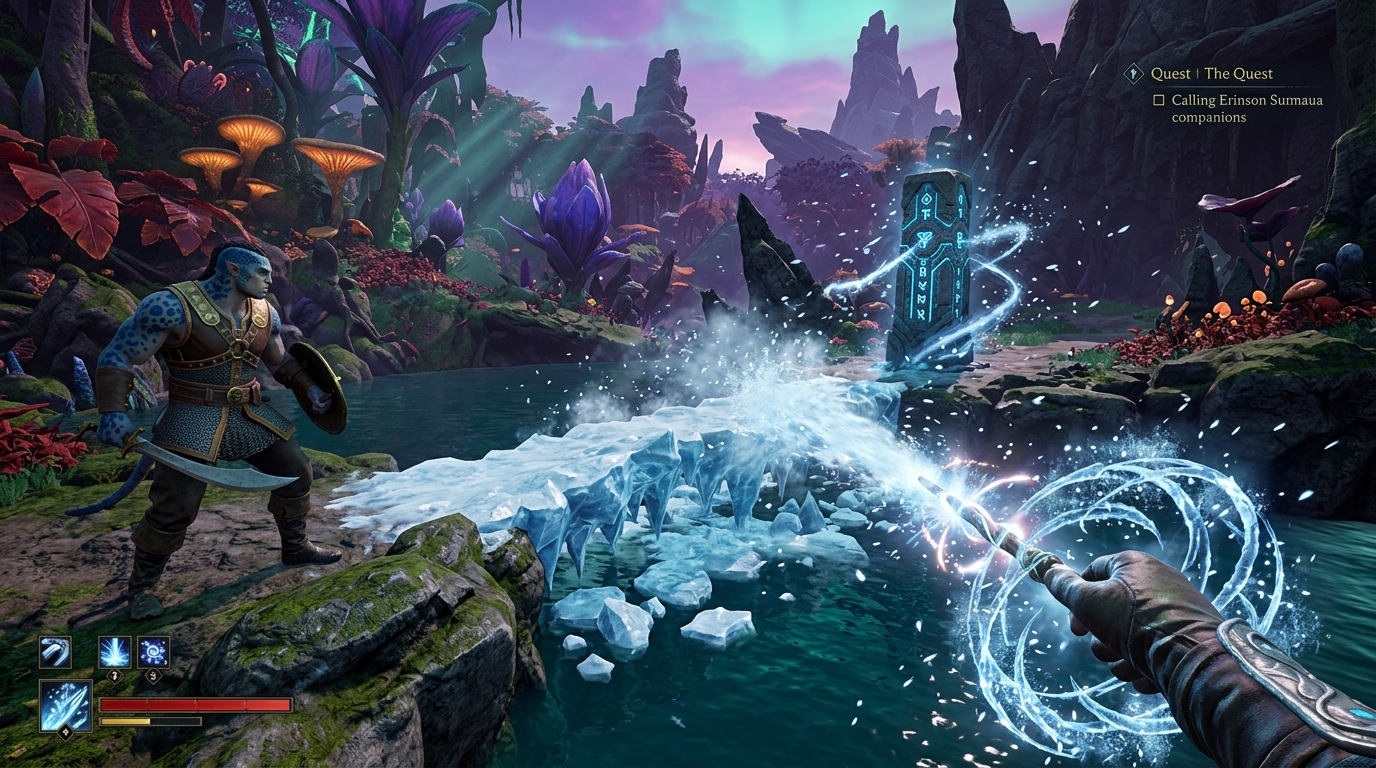
The developers finally gave us a reason to pay attention to the environment instead of just staring at the enemy health bars. The elemental synergy feels like a genuine attempt to move past the mindless clicking that plagues most first person RPGs. If you see a group of enemies standing in a puddle, you can actually zap the water to stun the entire pack rather than just poking them one by one with a sword. It is a refreshing bit of depth that makes you feel like a tactical genius for doing something as simple as basic physics. This system keeps the moment to moment loop from becoming a total slog through repetitive encounters.
While the wet status effect is a classic trope, the game manages to make it feel impactful through visual feedback and satisfying damage spikes. You can freeze a rushing enemy mid stride or shatter a chilled target with a heavy melee hit, which adds a layer of much needed weight to the combat. My favorite trick is freezing a body of water to create a temporary bridge or a tactical vantage point during a chaotic skirmish. It is not exactly reinventing the wheel, but it is a hell of a lot better than the floaty combat we usually get in these massive titles. When the physics work in your favor, the game actually feels like it has a brain.
Of course, all this elemental science is only as good as the enemies you are using it on, and that is where things get a bit shaky. There is a noticeable lack of variety in the monster roster, which means you will be using the same lightning and ice combos on the same three types of bandits and spiders for hours. The enemies can also feel a bit like sponges at lower levels, soaking up damage until you finally trigger a status effect to end the boredom. It is a solid system that is occasionally held back by some lazy encounter design and predictable AI patterns. If you can look past the repetitive faces, the actual chemistry of the combat is easily the best part of the experience.
Vertical Exploration In The Living Lands
The Living Lands might be the most vertically gifted playground the studio has ever built, and I spent a good chunk of my time pretending I was a mountain goat rather than a hero. The movement feels surprisingly snappy for a first-person RPG, using a parkour-lite system that actually rewards you for poking around the rafters of a cake or scaling a jagged cliffside. Dense zones are packed with enough nooks and crannies to satisfy that “what’s over there” itch, and the environmental storytelling is genuinely sharp. It is refreshing to play a game that understands that exploration should be an active verb, not just a slow crawl toward a distant map marker.
While the world design is a vertical triumph, the local wildlife is apparently on a very strict hiring freeze because you will be fighting the same three things for hours. It is hard to feel like a legendary explorer when every stunning new vista is guarded by the exact same group of enemies you just mulched ten minutes ago. The lack of variety turns what should be a thrill into a bit of a chore, especially when you realize the big encounters are often just the same mobs with more health. It is a classic case of a beautiful stage with a tiny, overworked cast of actors, making the otherwise brilliant exploration feel a little too predictable for its own good.
Despite the repetitive bestiary, the environmental strategy keeps the moment-to-moment gameplay from falling completely flat. I had a blast freezing pools of water to create bridges or zapping a group of wet enemies with a well-timed lightning bolt, which adds a layer of cleverness to the otherwise standard combat. It is clear that the team put more thought into how we interact with the world than how the world tries to kill us back. If you can stomach the déjà vu of fighting the same lizard-thing for the thousandth time, the sheer density and verticality of the zones make the journey worth the hike.
Choice Consequence And The Path Of The Damned
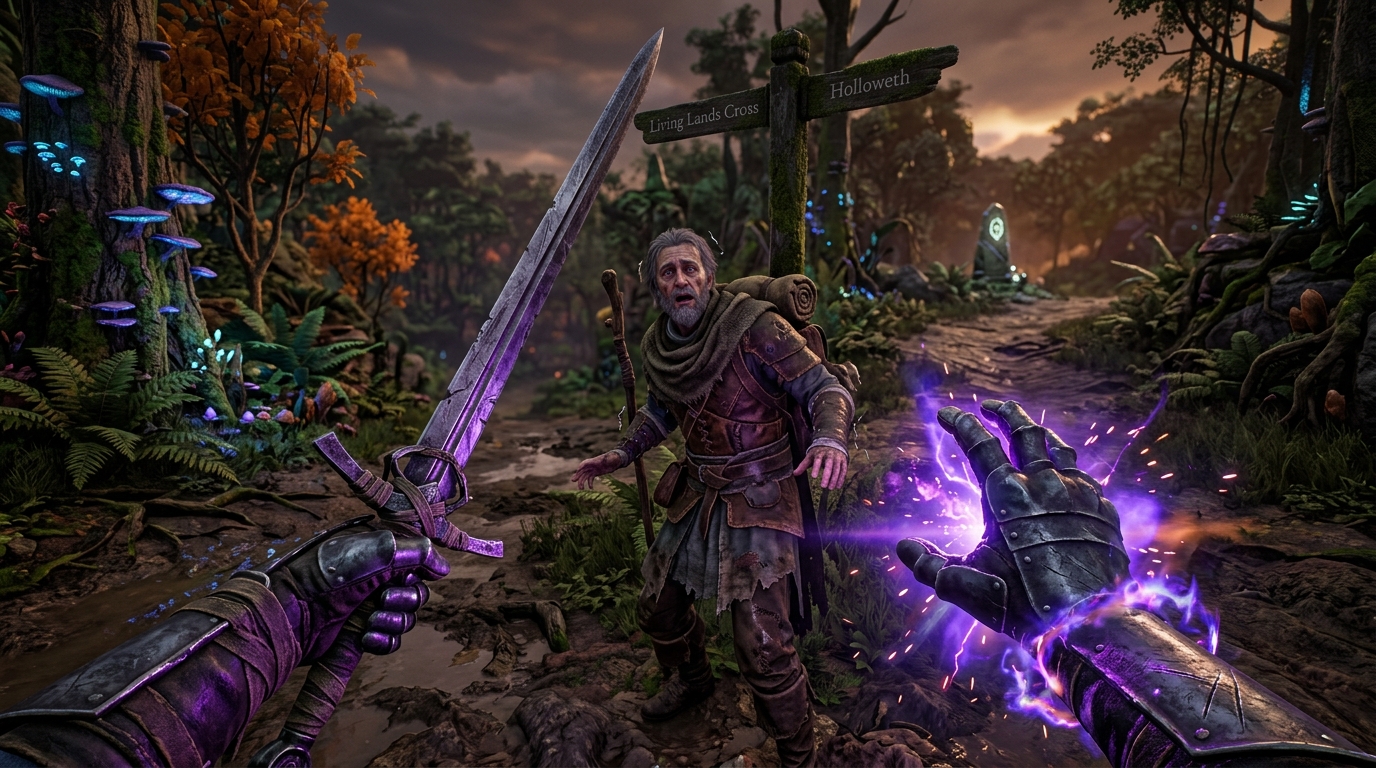
This is a polished experience that looks great on your screen, but playing on the standard difficulty settings feels like you are swinging a pool noodle at a pile of sentient laundry. The developers have crafted a beautiful world, yet the default challenge level is so forgiving that you can sleepwalk through every encounter without ever touching your inventory. If you want the elemental interactions and the classless loadout system to actually mean something, you have to stop being afraid of the menu and crank that slider up. Otherwise, you are just clicking on things until they fall over while ignoring eighty percent of the mechanics the team spent years building.
Path of the Damned is not just a mode for masochists, it is the only way to force the game to respect your intelligence. When you play on the highest difficulty, suddenly that flintlock pistol in your secondary slot is not just a cosmetic choice, it is a life-saving tool for interrupting a spellcaster. You will actually find yourself caring about those elemental combos, like freezing a puddle to trap a charging bruiser or using electricity to fry a group of enemies standing in water. On lower settings, these features are just flashy gimmicks that you can safely ignore while spamming your basic attack.
The weight of your choices in this RPG should extend beyond just the dialogue trees and into the actual dirt of the battlefield. If there is no threat of failure, the consequence of choosing a specific build or a certain set of gear feels entirely hollow. By pushing the difficulty to its limit, you transform the experience from a casual stroll through a fantasy theme park into a tactical experience where every parry and potion counts. Do yourself a favor and stop playing it safe, because this game only truly reveals its depth when it is actively trying to kill you.
A Polished Fantasy Hit Without Teeth
This game is the definition of a polished, safe bet that manages to be a good time without ever truly swinging for the fences. It feels like the studio took a look at the massive fantasy hits of the last decade and decided to refine the formula rather than reinvent it. While the elemental interactions and snappy flintlock combat are genuinely satisfying, the game lacks that raw, experimental edge that usually defines their best work. You will have a blast zapping enemies in a puddle, but you might find yourself wishing the world-building felt a little less like a greatest hits collection of genre tropes.
The biggest hurdle for me was the combat variety, which starts off strong but eventually hits a ceiling. Even though the classless system allows for some cool hybrid builds, you will eventually notice that you are fighting the same handful of damage sponges for hours on end. It is a classic case of lazy enemy design holding back a combat system that feels great to control but lacks meaningful challenges. If you are looking for a tight, twenty-hour RPG that won’t stress you out with overly complex mechanics, this is a solid weekend play.
Ultimately, this is a game that earns a “Play It” recommendation, even if it does not quite reach legendary status. It is a competent, visually striking adventure that respects your time and delivers exactly what it promised in the trailers. You won’t find any groundbreaking innovations here, but you also won’t find the broken, buggy mess that usually plagues modern launches. It is a comfortable, polished experience that plays it a little too close to the chest to be a masterpiece, but it is still miles better than most of the fluff we see in the genre today.
Frequently Asked Questions
1. Is the combat in Avowed actually any good?
It is a mixed bag of punchy elemental fun and floaty physics. Zapping wet enemies with lightning feels fantastic, but swinging a sword can sometimes feel like you are waving a pool noodle at a ghost.
2. How does the classless system work in practice?
The classless system is the best part of the game because it lets you be a chaotic multitasker. You can blast a flintlock pistol in one hand and freeze a lake with the other without some arbitrary menu telling you that you are not allowed.
3. Does the game feel like a revolutionary RPG leap forward?
Not even close. The developers played it incredibly safe with the tropes, resulting in a solid experience that feels like a fantasy-themed treadmill by the mid-game.
4. Is Avowed a buggy mess like most modern releases?
Miraculously, the game actually works on launch day and feels polished. It is a rare 2025 miracle where the software is stable, even if the team was too scared to color outside the lines.
5. Are the enemies challenging or just annoying?
You will definitely run into some serious spongy enemy syndrome. While the elemental interactions are clever, the lack of creature variety means you will be hitting the same HP bars until your hand cramps.
6. Should I expect a gritty, heavy melee experience?
Lower your expectations if you want weight and impact. While it is better than the aimless swinging of older titles, the steel lacks the satisfying crunch you would expect from a modern RPG.