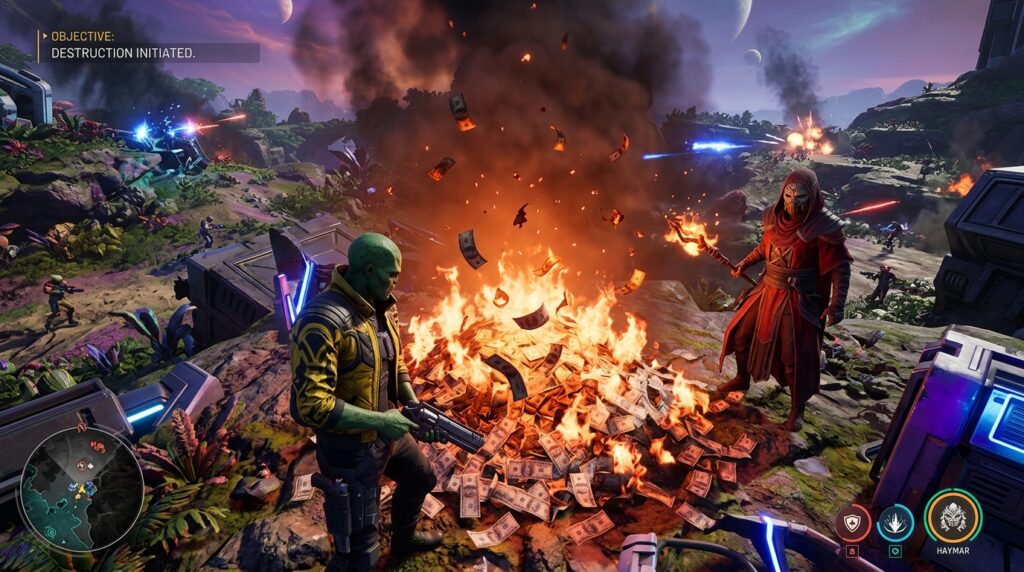
In the time it takes most of us to finish a decent RPG, a $400 million hero shooter lived, died, and was unceremoniously buried in a shallow backyard grave. Eight years of development for a fourteen-day lifespan isn’t just a bad launch; it’s a historic catastrophe that demands a concord failure analysis to understand how so much money resulted in so little impact. With an estimated 25,000 copies sold, more people probably worked on the game than actually played it past the first weekend.
The industry loves to talk “bold visions,” but this was a case of being blind to the room while charging premium prices for a genre that moved on five years ago. Watching a massive studio burn nearly half a billion dollars on a project that vanished faster than a Snapchat message is both fascinating and a little bit terrifying. It turns out that checking every corporate box and following every trend doesn’t guarantee a hit, sometimes, it just guarantees a very expensive funeral.
Key Takeaways
- Bloated eight-year development cycles are a death sentence in a fast-moving industry, resulting in ‘time machine’ products that are culturally obsolete before they even launch.
- Charging a premium $40 price tag for a hero shooter in a market dominated by high-quality free-to-play alternatives is a strategic suicide mission fueled by corporate delusion.
- Committee-driven design and reliance on market research spreadsheets strip the soul and personality out of creative projects, leading to unmarketable and forgettable character designs.
- Chasing the ‘live service’ ghost by checking corporate boxes cannot manufacture a community; players will always prioritize artistic conviction and genuine fun over polished, trend-chasing clones.
The Eight Year Development Time Warp
The developers essentially spent eight years building a time machine that only traveled backward. When development started in 2016, the world was obsessed with hero shooters, but by the time the game actually hit the shelves in 2024, that trend was already decomposing in a shallow grave. It is the ultimate example of a studio chasing a “sure thing” for so long that the thing stopped being sure three presidential cycles ago. Hundreds of millions went into a project that felt like a dusty relic from a previous era, proving that corporate data is usually about as current as a dial-up modem.
Watching this disaster unfold was like seeing someone show up to a party in 2024 wearing a “Keep Calm and Carry On” shirt while trying to start a flash mob. The industry moves at light speed, yet development cycles have bloated into decade-long marathons that leave games dead on arrival. You cannot spend nearly ten years and up to 400 million dollars on a game that offers nothing but a polished version of what we were all bored of five years ago. It is a staggering disconnect between the boardroom suits and the people who actually play games, resulting in a product that 25,000 people bought while the rest of the world just stared in confused silence.
The most offensive part of this eight year development warp is the sheer arrogance of thinking a 40 dollar price tag would fly in a market dominated by free alternatives. The studio ignored every warning sign, convinced that high production values could compensate for a complete lack of soul or originality. They spent nearly a decade refining mechanics for a player base that had already moved on to the next big thing, leaving the project to rot on the vine after just a fourteen-day lifespan. This was not just a commercial flop, it was a masterclass in how to completely lose touch with reality while burning a mountain of cash.
Character Designs Only A Boardroom Could Love
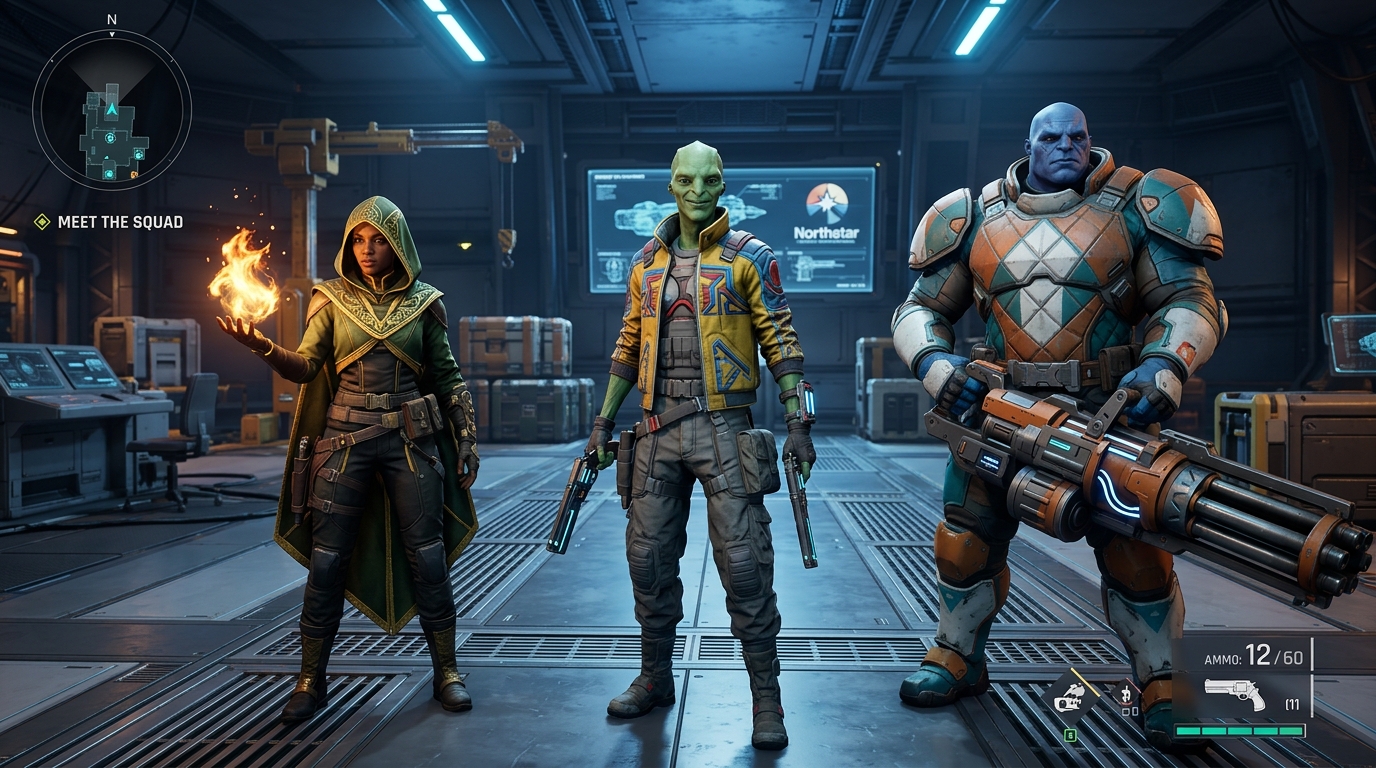
If you wanted to see what happens when a group of executives tries to design a “cool” hero based entirely on spreadsheets and focus groups, look no further than this dumpster fire. The character roster felt less like a band of intergalactic outlaws and more like a collection of background extras from a low budget sci-fi show that got canceled after three episodes. Every design was buried under a layer of muddy, muted colors and bulky, unflattering outfits that seemed specifically engineered to be as unmarketable as possible. There was not a single silhouette that popped or a personality that felt like it existed for any reason other than to fill a diversity checkbox on a corporate slide deck. It turns out that spending eight years in development is plenty of time to polish the soul right out of a creative project.
The real tragedy here is that the studio expected players to shell out forty dollars for a cast that looked like they were wearing thrift store pajamas. When you are competing in a genre defined by iconic, instantly recognizable legends, you cannot show up with a roster of beige, forgettable nobodies and expect people to care. The visual language was so messy and uninspired that it was actually difficult to tell characters apart in the heat of a match, which is a death sentence for a competitive shooter. It is a masterclass in how safe, committee driven design leads to a product so bland that it becomes invisible to the very audience it is trying to court. You can throw hundreds of millions of dollars at a game, but you cannot buy the charisma required to make a player actually want to main a character.
This entire disaster serves as a loud, expensive reminder that chasing trends with a corporate filter is a recipe for a historic failure. Players can smell the lack of artistic conviction from a mile away, and they responded by staying as far away as humanly possible. It is genuinely impressive to spend hundreds of millions of dollars and nearly a decade of work only to produce a lineup that has the collective personality of a bowl of lukewarm oatmeal. The industry needs to realize that data points and market research do not create legendary heroes, and if you do not give people a reason to fall in love with your world, they will let it die in fourteen days without shedding a single tear. Hopefully, this serves as a wake up call that playing it safe is often the riskiest move a studio can make.
The Forty Dollar Paywall Suicide Mission
In an industry where the free-to-play model has become the absolute gold standard for multiplayer shooters, the decision was made to walk into the arena with a premium $40 price tag for a game that looked like a generic imitation of everything else on the shelf. This was not just a lapse in judgment, it was a full scale suicide mission fueled by corporate delusion and an eight year development cycle that completely missed the cultural memo. By the time this project actually hit the digital storefronts, the target audience had already moved on to polished, zero-cost alternatives that offered more personality and better mechanics. Trying to charge a premium for a hero shooter in 2024 is like trying to sell a subscription for oxygen while everyone else is breathing for free.
The sheer audacity of expecting players to drop forty dollars on a brand new, unproven intellectual property is the kind of disconnect that only happens when you spend hundreds of millions of dollars listening to data points instead of actual humans. While the game boasted high production values and some decent character models, none of that mattered because the barrier to entry was a massive paywall in a sea of free competition. Selling only 25,000 copies globally is an embarrassing statistic that highlights exactly how little the gaming community cares about “premium” experiences that offer nothing revolutionary. It took nearly a decade to build this disaster, yet it took less than two weeks for the servers to go dark and the refund checks to start flying.
This failure serves as a loud, expensive warning to every executive who thinks they can buy their way into a crowded market without offering a single compelling reason for players to switch. You cannot expect people to pay an entry fee for a genre that has been subsidized by battle passes and cosmetics for the last five years. The arrogance required to greenlight a forty dollar price tag on a game that was essentially arriving to the party after the lights were already turned off is staggering. It is a classic case of a studio being trapped in a development time capsule, emerging years later with a product that was designed for a market that no longer exists. If you want to compete with the giants, you have to be better, faster, or cheaper, and this project failed on every single one of those fronts.
Chasing The Live Service Ghost
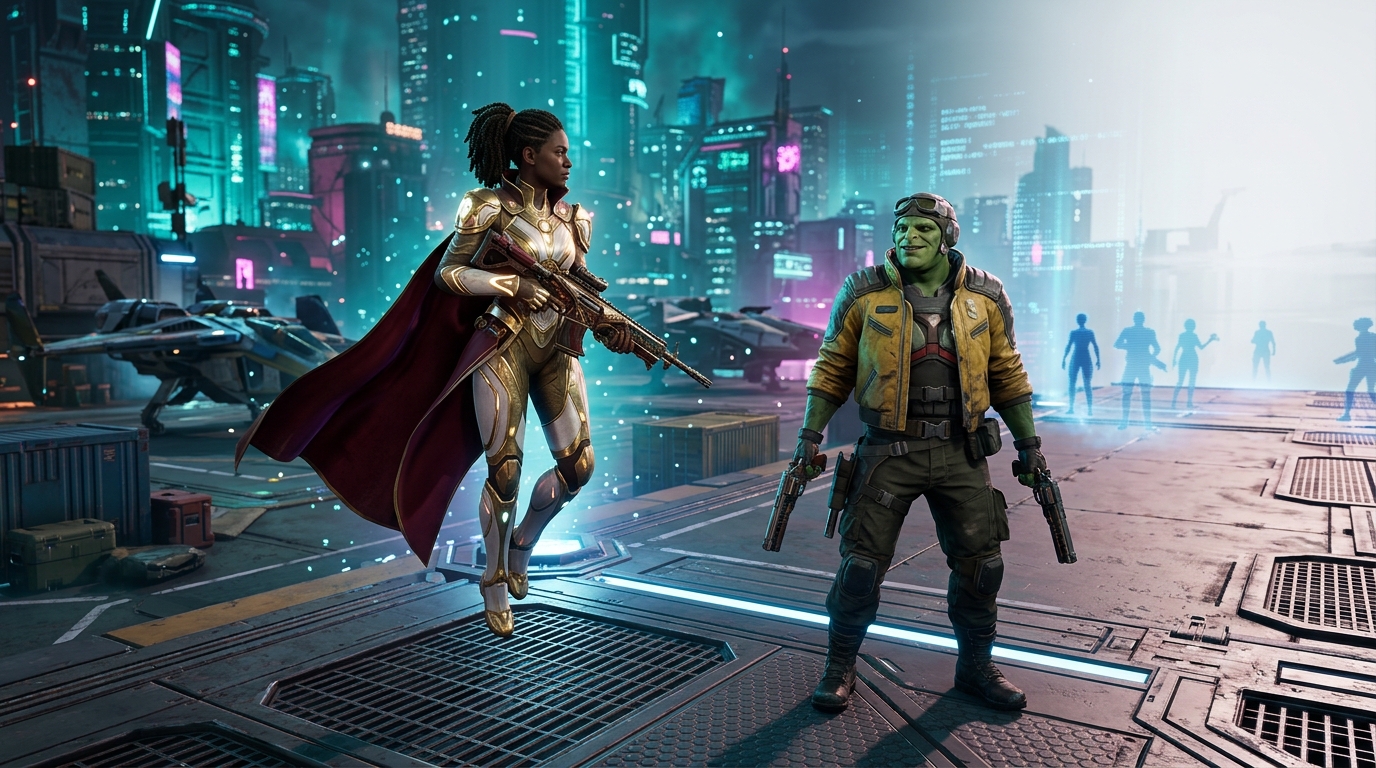
A fortune was spent over eight years chasing a trend that the rest of us were already bored with by 2018. It is the ultimate corporate tragedy to watch a studio burn through hundreds of millions of dollars just to deliver a hero shooter that felt like it was designed by a committee reading a PowerPoint presentation on what kids like. The data clearly told the suits that live service games generate recurring revenue, but the data forgot to mention that players actually have to want to play the game first. You cannot just manifest a community out of air by checking boxes and hoping a colorful cast of characters will distract everyone from the fact that we have seen this all a dozen times before.
The sheer scale of the disconnect here is honestly impressive if you stop to think about the logistics of failing this hard. We are talking about a game that reportedly cost more than some small countries’ GDPs, yet it vanished from the face of the earth faster than a carton of milk left in the sun. The publisher was so busy staring at the potential profit margins of battle passes and skin shops that they completely ignored the absolute live service game fatigue the community feels toward forced multiplayer ecosystems. It turns out that if you spend nearly a decade building a time capsule of 2016 gaming trends, people are just going to keep playing the games they already liked back then instead of switching to your expensive imitation.
Watching this project get taken behind the woodshed after only two weeks was a wake-up call that the industry desperately needed, even if it was a painful one. The corporate strategy of chasing the live service ghost is officially haunting the balance sheets, proving that no amount of marketing budget can save a project that lacks a soul. Players are screaming for high quality single player experiences, yet the boardroom continues to gamble on loot boxes and seasonal resets. If this multi-hundred million dollar disaster does not convince the executives to stop chasing ghosts and start listening to actual humans, then nothing will.
An Eight-Year Masterclass in Corporate Delusion
The fallout here is a loud, expensive reminder that chasing a trend is the fastest way to become a relic of the past. By the time this hero shooter actually hit digital shelves, the genre was already overcrowded and the audience had moved on to the next big thing years ago. Spending eight years and hundreds of millions of dollars to arrive late to a party that ended in 2019 is not just a bad business move, it is an absolute masterclass in corporate delusion. When you prioritize boardroom data points and safe market projections over actual fun, you end up with a product that nobody asked for and even fewer people wanted to pay for.
The industry needs to stop treating half-billion-dollar budgets like they are a free pass to ignore what players actually enjoy. We are currently stuck in a cycle where publishers would rather spend a decade building a mediocre clone of a popular title than take a single creative risk on something new. It is time for the suits to realize that a game cannot survive on polished graphics and spreadsheets alone if the soul of the experience is missing. If the legacy of this disaster is that developers finally stop chasing ghosts of five-year-old trends, then maybe those lost millions served some kind of purpose after all.
The reality is that gamers can smell a corporate mandate from a mile away, and we are officially tired of being treated like walking wallets for live-service experiments. We do not need another hero shooter with a quirky cast and a battle pass, especially when the market is already drowning in them. Instead of trying to manufacture the next big hit through sheer financial force, publishers should try listening to the people who actually play their games. Let this be the final nail in the coffin for the era of the over-budget, out-of-touch trend chaser before we lose any more studios to this level of predictable failure.
Frequently Asked Questions
1. How did a game with an eight year development cycle fail in just two weeks?
The developers spent nearly a decade building a time machine that only traveled backward to 2016. By the time they launched their hero shooter in 2024, the trend was already decomposing in a shallow grave. They chased a sure thing for so long that the entire industry moved on three presidential cycles ago.
2. Is it true that nearly $400 million was spent on this project?
The publisher managed to burn nearly half a billion dollars on a project that vanished faster than a Snapchat message. It is a historic catastrophe where they essentially paid for a very expensive funeral. When you spend that much money to sell only 25,000 copies, you have officially achieved a new level of corporate failure.
3. Why didn’t the hero shooter mechanics save the game?
The game felt like a dusty relic because it was designed to check corporate boxes rather than offer something new. Showing up to the hero shooter party in 2024 is like trying to start a flash mob while wearing a Keep Calm and Carry On shirt. Following every trend doesn’t guarantee a hit, it just guarantees you look out of touch.
4. What does a concord failure analysis actually reveal about the industry?
It proves that development cycles have bloated into decade long marathons that leave games dead on arrival. This concord failure analysis shows that corporate data is usually about as current as a dial up modem. If you take eight years to build a game, you aren’t making a product, you are making a museum exhibit.
5. Could the game have succeeded as a free to play title?
Charging a premium price for a genre that moved on five years ago was a bold move, if by bold you mean completely blind to reality. While a lower price point might have tricked a few more people into the lobby, the core issue was a lack of soul. No amount of pricing tweaks can fix a game that feels like it was designed by a committee in a boardroom.
6. What is the biggest lesson for other major studios here?
The lesson is simple: stop chasing ghosts and start looking at the calendar. If your project takes eight years to finish, you are no longer making a game for the current market. This failure is a terrifying reminder that checking every box and having a massive budget cannot buy relevance. Unlike some disastrous launches that eventually find their footing, this project was pulled before it ever had a chance to evolve.