
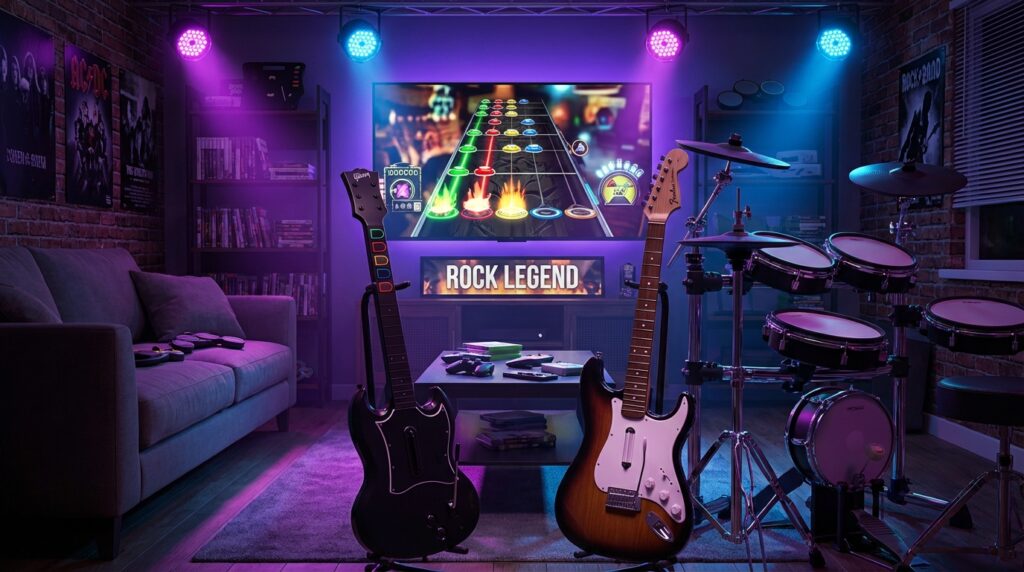
Remember the dark ages when we all had a closet full of hollow, clicking plastic guitars that felt like they were manufactured by a budget toy company on its lunch break? Those days are dead, and honestly, good riddance. The current world of rhythm game peripherals has graduated from cheap gimmick to over-engineered masterpiece, trading in that flimsy tactile feedback for arcade-grade hardware that actually belongs in your living room.
If you’re still trying to hit high-level notes on a controller that has more input lag than a dial-up modem, you’re playing yourself. Today’s gear is all about low-latency USB-C connections, smart firmware, and wearable tech that treats your living room like a professional dance stage. It’s an expensive, niche rabbit hole, but if you want to stop blaming your equipment for those missed streaks, it’s time to see what real precision feels like.
Key Takeaways
- The era of disposable plastic peripherals is over, replaced by arcade-grade hardware featuring heavy-duty steel, mechanical switches, and professional-level durability.
- Low-latency USB-C connections and proprietary protocols are essential for high-level play, as standard Bluetooth and aging hardware create input lag that sabotages performance.
- Modern rhythm gear has evolved into a premium tech ecosystem that utilizes smart firmware updates, mobile app integration, and wearable technology to ensure frame-perfect precision.
- Investing in enthusiast-grade equipment removes the hardware bottleneck, allowing players to reach their true skill ceiling by providing immediate tactile feedback and reliable responsiveness.
From E-Waste To Arcade Grade Engineering
We all remember the mid-2000s when our living rooms were cluttered with hollow, clicky plastic guitars that felt like they were manufactured in the same factory as cheap salad spinners. Back then, we tolerated mushy strum bars and buttons that stuck if you breathed on them too hard because the novelty of playing a digital rock star was enough. Those peripherals were essentially glorified e-waste destined for the back of a closet or a dusty thrift store shelf within six months. They served their purpose for a casual party, but anyone trying to hit a perfect run on an expert track knew they were fighting the hardware as much as the notes.
Fast forward to today, and the scene has undergone a massive glow-up driven by a community that refuses to play on toys. We have moved into the era of arcade-grade hardware where specialized controllers are built with heavy-duty steel, authentic high-end buttons, and mechanical switches that can survive a nuclear blast. Enthusiasts are now dropping serious cash on hardware that mimics the exact tactile feedback of a professional rhythm cabinet, offering the kind of precision that makes those old bundled peripherals look like prehistoric relics. It is a niche revival fueled by people who want their home setup to feel like a high-stakes competition rather than a basement toy box.
This shift is not just about durability, as the tech under the hood has finally caught up with the demands of high-level play. Modern controllers utilize low-latency USB-C connections to ensure that your inputs actually register when you hit them, which is a far cry from the laggy wireless dongles of yesteryear. We are even seeing smart firmware integration with mobile apps for firmware updates and custom lighting profiles that make these devices feel like premium pieces of tech. If you are still trying to climb the leaderboards on a creaky plastic guitar from 2007, it is time to admit that the hobby has evolved into something much more professional and satisfying.
Low Latency Over Everything Else
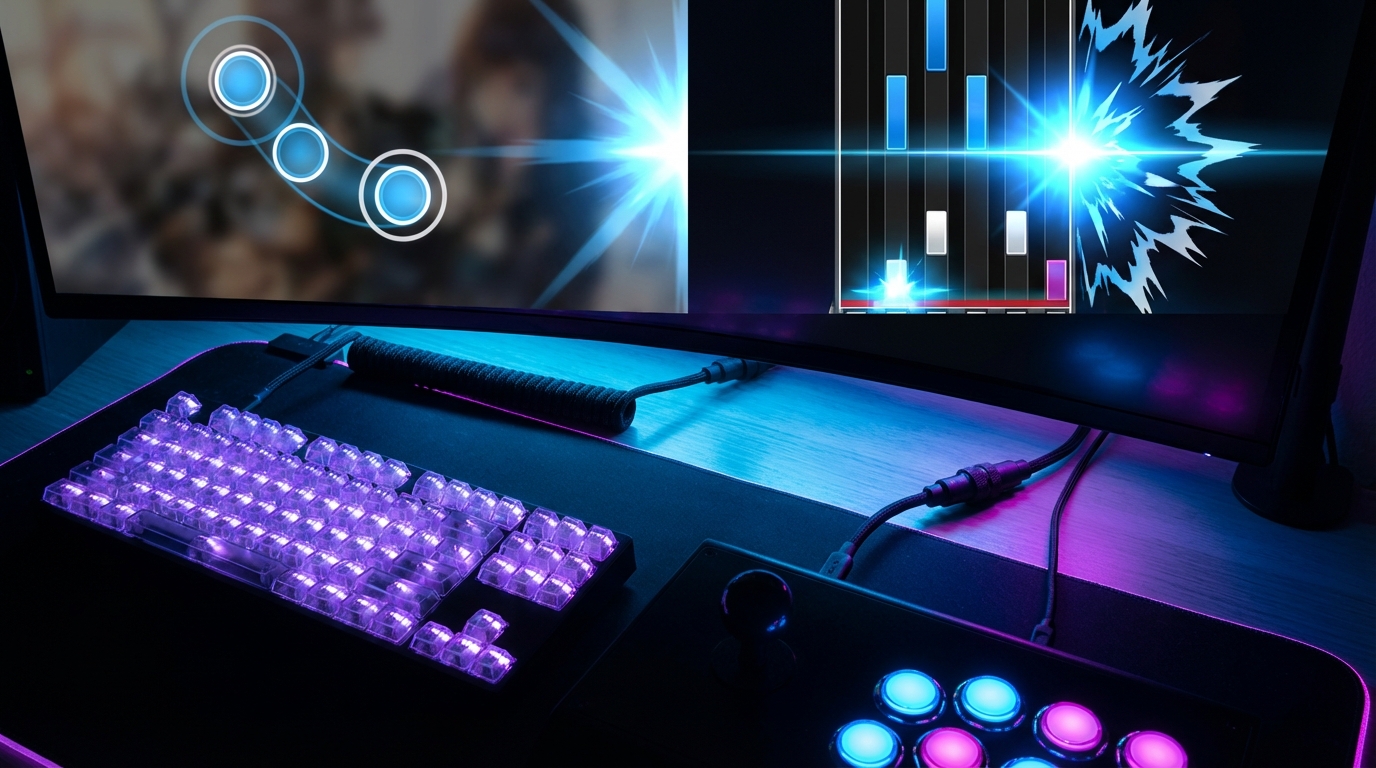
In the high-stakes world of rhythm gaming, a single millisecond of lag is the difference between a perfect score and a shameful game over screen. While your old plastic guitar from the thrift store might look cool on a shelf, its aging hardware is likely sabotaging your performance with every strum. Modern enthusiasts have moved far beyond the mass-market toys of the 2000s, opting instead for arcade-grade peripherals that prioritize raw speed. We are seeing a massive shift toward USB-C connections and proprietary low-latency protocols because the standard Bluetooth lag just does not cut it when you are chasing a full combo. If your controller takes more than a heartbeat to register a hit, you are not playing a game, you are just fighting your own equipment.
The revival of specialized controllers has brought us into a golden age of responsiveness where good enough is no longer the standard. These new boutique instruments are built with mechanical switches and high-polling rates that make standard console gamepads feel like they are stuck in a vat of molasses. You really haven’t lived until you have used a dedicated controller that communicates with your PC or console at the speed of light. It might seem like overkill to the uninitiated, but once you feel that instant physical feedback, there is absolutely no going back to mushy buttons. We finally have the hardware that matches the precision of the software, and it is about time the industry caught up to our reflexes.
Investing in high-fidelity gear is not just about being a hardware snob, it is about removing the invisible wall between your brain and the beat. Modern peripherals often come with smart features and mobile apps for firmware updates, ensuring your timing stays frame-perfect as games evolve. This specialized subculture thrives on the tactile satisfaction of a clicky button that actually does what it is told the moment you press it. Whether you are hitting notes on a specialized pad or a custom-built deck, the goal is total synchronization with the music. If you are still using a controller that feels like it is guessing when you hit a note, do yourself a favor and upgrade to something that respects your time.
The High End Drum And Controller Renaissance
The era of rattling a hollow plastic guitar that sounds like a skeleton falling down the stairs is officially over. We have entered a full blown renaissance where enthusiast grade is the bare minimum, and honestly, my wallet is terrified. Take high-end Taiko drums, for example, which are less of a toy and more of a precision engineered piece of percussion equipment that could probably survive a meteor strike. People are dropping serious cash on these absolute units because they want tactile feedback that does not feel like tapping on a soggy pizza box. If you are going to spend your Friday night hitting digital circles, you might as well do it on hardware that feels like it belongs in a smoke filled Tokyo arcade.
The shift toward custom built rhythm decks and boutique controllers proves that the community has zero interest in corporate, mass produced garbage anymore. We are seeing a rise in specialized hardware featuring mechanical switches and low latency USB-C protocols that make standard gamepads look like ancient relics. These devices are designed for the kind of person who treats a rhythm game like a high intensity workout or a professional sport. There is something deeply satisfying about a controller that actually rewards your muscle memory instead of fighting against it with mushy buttons and input lag. It turns out that when you give gamers the option to buy quality, they will happily skip the cheap plastic and go straight for the pro gear.
This isn’t just about showing off a fancy setup to your friends, it is about the fundamental connection between the music and the machine. Modern peripherals are increasingly integrating firmware updates via mobile apps and smart customization to ensure they stay relevant as the software evolves. When you are playing at a competitive level, every millisecond of latency is a personal insult, and these high end decks are the only way to stay sane. It is a niche, expensive, and slightly obsessive corner of the gaming world, but I absolutely love it. If the industry keeps moving toward this level of hardware fidelity, the future of rhythm gaming is going to be loud, heavy, and incredibly responsive.
Final section: Conclusion
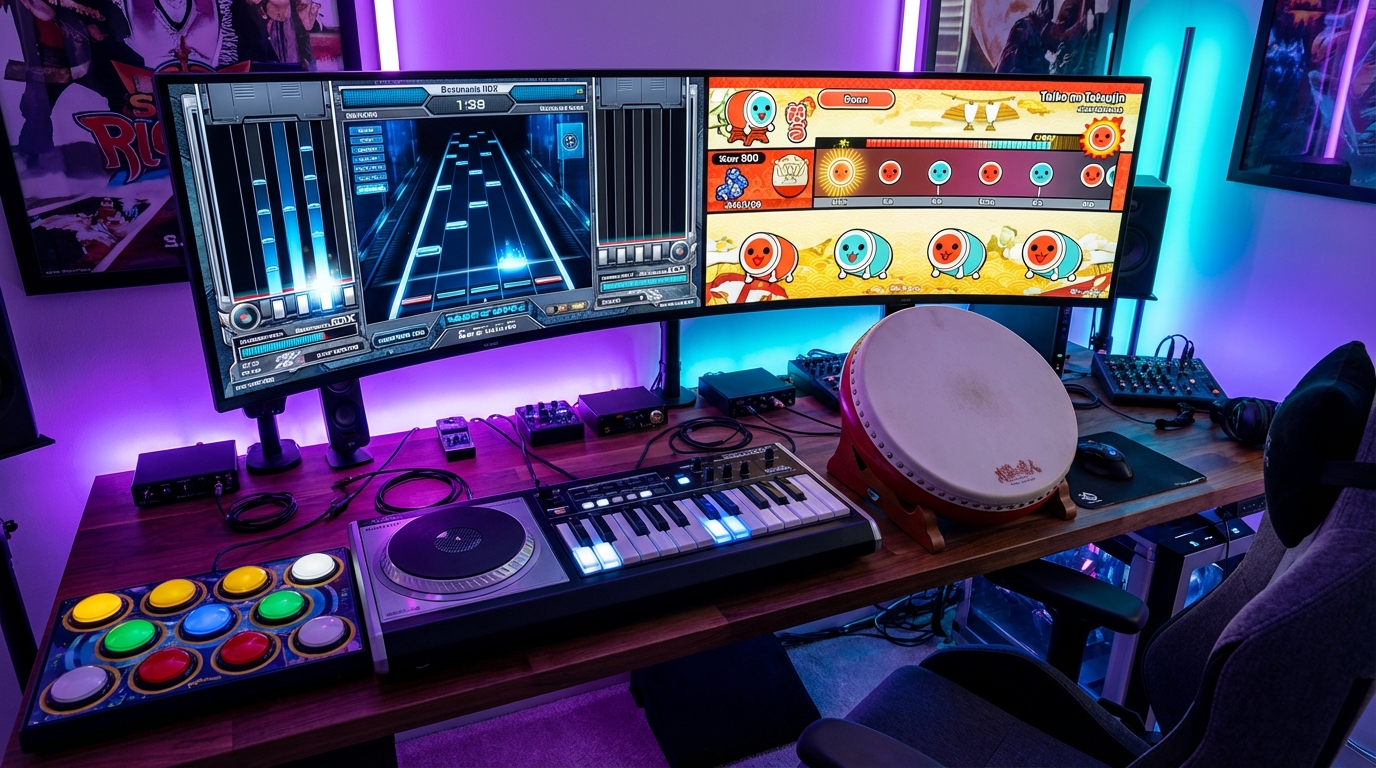
Your living room deserves to be more than just a graveyard for dusty coffee tables and sensible seating arrangements. By carving out a dedicated space for a high-fidelity rhythm setup, you are finally giving the genre the respect it earned back when we were all failing DragonForce on plastic toys. The shift toward arcade-grade hardware means you can finally stop blaming your missed notes on mushy buttons or wireless interference that has no business existing in 2025. Investing in a specialized controller is a declaration that you value your hobby enough to stop playing it on a device designed for spreadsheets. It is time to reclaim your floor space and transform it into a temple of low-latency perfection.
Settling for a standard gamepad is the fastest way to kill a perfect combo and your enthusiasm for the game. Good enough hardware is the true enemy of progress because it tricks you into thinking you have hit your skill ceiling when you are actually just fighting your equipment. Modern peripherals with proprietary low-latency protocols and mechanical switches provide the tactile feedback necessary to actually feel the music rather than just guessing at it. You cannot expect to reach the top of the leaderboards while using a controller that treats your inputs like a suggestion rather than a command. If you are still using a basic setup, you are essentially trying to win a drag race in a minivan.
The niche revival of specialized controllers is a movement worth joining because it prioritizes the player experience over mass-market convenience. We have moved past the era of disposable plastic junk and entered a golden age of enthusiast gear that actually lasts longer than a single weekend. Whether it is a smart peripheral that syncs with your phone for firmware updates or a wearable tech that tracks your movement, this gear is built for people who actually care about the craft. Do not let your setup be the bottleneck that keeps you from greatness. Upgrade your hardware, clear some space, and finally play these games the way they were meant to be experienced.
Plastic Junk Is Dead: Meet Your New Rig
The era of clunky, disposable plastic toys gathering dust in your attic is officially over. We have entered a golden age where rhythm game peripherals are no longer just gimmicks, but high-fidelity instruments designed for people who take their timing seriously. Whether you are hunting for an arcade-accurate controller or a specialized deck with low-latency USB-C connectivity, the market has finally caught up to our obsession. This niche revival proves that there is a massive appetite for hardware that can actually survive a high-level session without falling apart. It is a refreshing change to see manufacturers prioritizing durability and precision over mass-produced landfill fodder.
You do not need to be a professional to appreciate why these specialized controllers are a massive improvement. Moving away from standard gamepads and embracing tactile, responsive hardware transforms the entire experience from a simple button-mashing exercise into a full-body fitness routine. Modern gear offers everything from smart firmware updates via mobile apps to proprietary protocols that virtually eliminate input lag. It is the type of innovation that makes you wonder how we ever tolerated those mushy, unresponsive guitars from twenty years ago. If you are still playing with a basic controller, you are basically playing on mute.
Ultimately, the current state of rhythm gaming is a massive win for anyone who values quality over convenience. We are seeing a dedicated subculture thrive because hardware developers are finally listening to the people who actually spend hundreds of hours perfecting their craft. Immersion is no longer a marketing buzzword when you have wearable tech and arcade-grade buttons at your fingertips. It is an incredible time to be a fan of the genre, provided you are willing to invest in gear that actually respects your skill level. Grab the right peripheral, find your flow, and leave the cheap plastic toys in the past where they belong.
Frequently Asked Questions
1. Are my old plastic guitars from the 2000s still worth using?
Only if you enjoy the feeling of playing a song with a hollow salad spinner that has the latency of a dial-up modem. Those old peripherals were glorified e-waste even when they were new, so unless you like missing notes because of mushy buttons, it is time to upgrade.
2. Why should I spend hundreds of dollars on arcade-grade hardware?
You are paying for the privilege of never being able to blame your equipment for a missed streak ever again. Real gear uses heavy-duty steel and arcade buttons that can survive a nuclear blast, providing a level of precision that cheap toys simply cannot match.
3. What makes modern rhythm game controllers better than the originals?
The difference lies in low-latency USB-C connections and smart firmware that actually communicates with your PC at a professional speed. We have traded in the clicking plastic for mechanical switches and wearable tech that turns your living room into a legitimate stage.
4. Is input lag really that big of a deal for casual players?
If you want to move past the phase of hitting buttons and hoping for the best, then yes, it matters. Input lag is the silent killer of fun, and playing on a modern setup feels like finally seeing the game in high definition after years of squinting through a fog.
5. What are high-end arcade buttons and why do people keep talking about them?
Professional-grade buttons are the industry standard for arcade cabinets because they are built to be hammered on for thousands of hours without failing. They offer a crisp, immediate response that makes those old, sticky plastic buttons feel like garbage by comparison.
6. Is it worth getting into this niche hobby if I am not a pro?
You do not need to be a professional to appreciate gear that actually works when you tell it to. It is an expensive rabbit hole, but once you feel what real precision feels like, you will never want to touch a budget toy controller again.