I remember when spending ten dollars on a video game got you an entire expansion pack, but now it barely buys you a digital pair of pants. We’ve reached a point where cosmetic microtransaction pricing has turned our favorite hobby into a high-fashion runway where the clothes cost more than the actual entry fee. With the market projected to balloon to over $200 billion, developers aren’t just selling you a look; they’re testing exactly how much you’re willing to pay to not look like a “default” loser.
The industry has this down to a science, neatly tucking $20 skins behind “Epic” labels while charging you the price of a burrito for a basic color swap. It’s a brilliant, slightly evil hierarchy of rarity tiers designed to make a twelve-dollar “Rare” skin feel like a bargain compared to the prestige stuff. Whether it’s a glowing sword or a neon tracksuit, the price of digital vanity is skyrocketing, and it’s time we look at whether these pixels are actually worth your hard-earned rent money.
Key Takeaways
- The gaming industry uses tiered rarity scales and artificial scarcity to manipulate players into viewing twenty-dollar digital skins as prestige bargains.
- Publishers employ ‘premium currencies’ and complex conversion charts to psychologically disconnect players from the real-world monetary value of their purchases.
- Cosmetic pricing has become fundamentally decoupled from labor value, with basic texture recolors often costing as much as entire award-winning indie games.
- Players must reject the social pressure of ‘default’ skin stigma and vote with their wallets to stop the industry from treating them like ATMs for overpriced digital assets.
Breaking Down The Ridiculous Legendary Skin Price Tiers
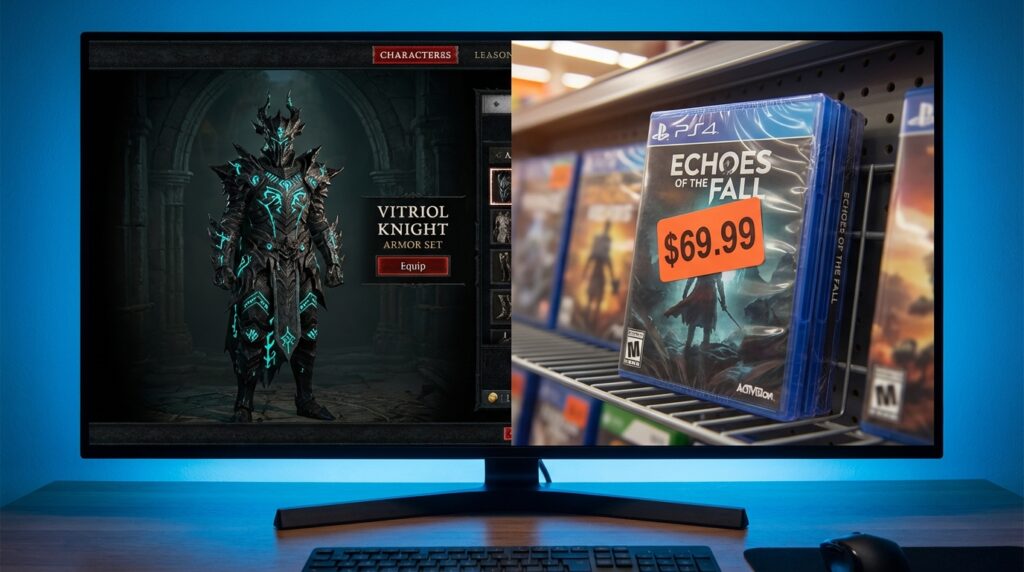
We have somehow reached a point in human history where a digital suit of armor costs as much as a high-quality steak dinner or a month of streaming services. The industry has standardized the twenty dollar Legendary skin as if it were a natural law of physics rather than a calculated heist on your wallet. For the price of one shiny costume that only exists within a single game’s server, you could buy a masterpiece like Hollow Knight or Vampire Survivors and still have money left for a coffee. It is a bizarre psychological trick where publishers convince us that a few reshaped polygons and a neon glow effect are worth a third of a triple-A game’s retail price.
The math gets even more insulting when you realize these skins are often just repurposed assets or slight variations of models already in the game files. While indie developers spend years crafting entire worlds, branching narratives, and complex mechanics for twenty bucks, a massive studio will charge you that same amount for a “Legendary” hat. You are essentially paying for the privilege of being a walking billboard in a virtual lobby while the actual gameplay remains completely unchanged. It is the ultimate triumph of style over substance, and the industry is laughing all the way to the bank while we justify these purchases as “supporting the devs.”
If you actually look at the value proposition, these pricing tiers are designed to make the ten dollar skins look like a bargain and the twenty dollar skins look like prestige bargains. This artificial scarcity and tiered pricing structure exist solely to exploit our desire for customization and social standing. We are being sold the illusion of exclusivity at a markup that would be considered a crime in any other retail sector. Next time you see a Legendary skin that catches your eye, ask yourself if that single outfit is really worth more than an entire award-winning game sitting on your wishlist.
The Psychological Trap Of Mythic Prisms And Premium Currency
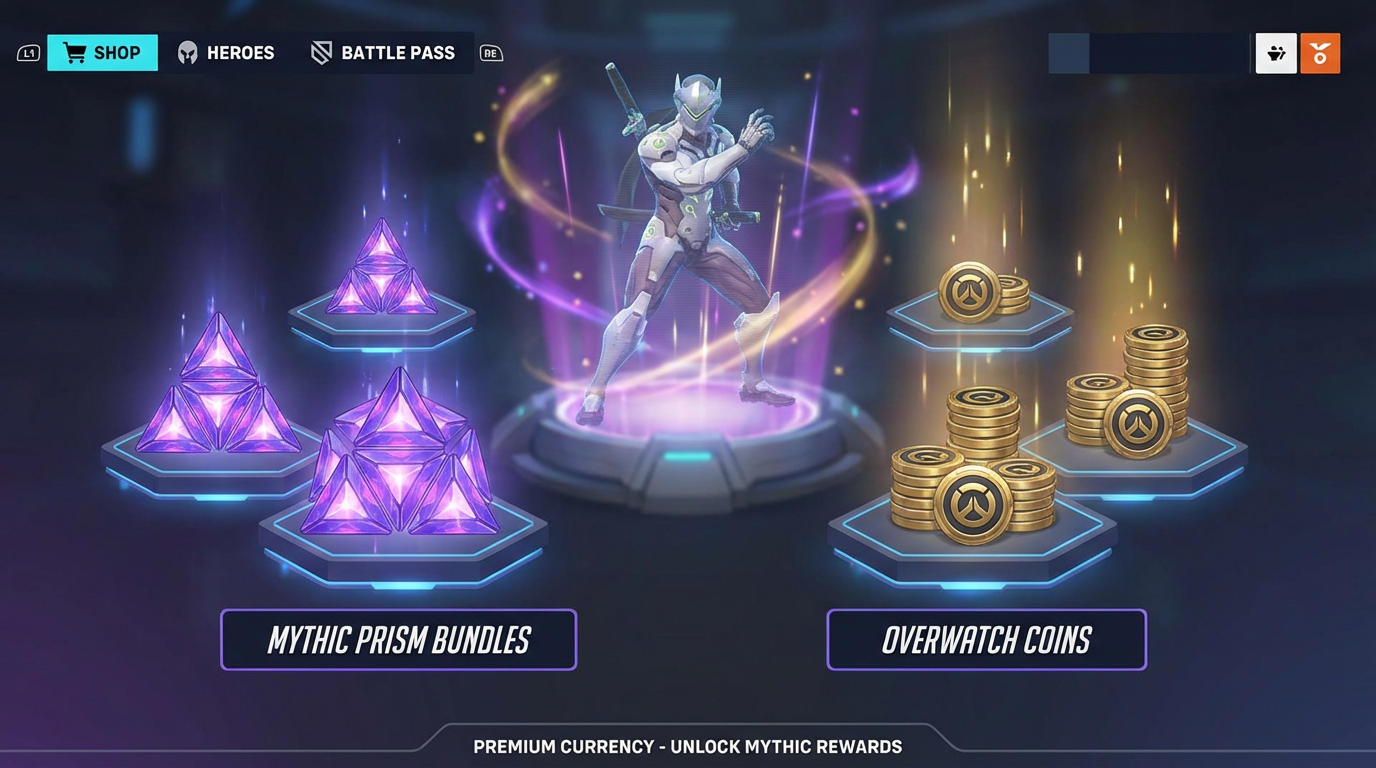
Modern gaming math has become a shell game designed to make you forget the actual value of a dollar. When you see a Mythic skin, you are not looking at a price tag but a complex conversion chart of prisms and premium tokens. This layered currency system exists solely to disconnect your brain from the reality that you are spending eighty dollars on a digital costume. It is a calculated psychological trick that turns a straightforward transaction into a confusing scavenger hunt through a virtual storefront. By the time you click purchase, the industry hopes you are too exhausted by the math to realize you just spent the price of a full AAA expansion on a single character recolor.
The absurdity of these price points is even more glaring when you compare them to the rest of the gaming world. For the cost of one high tier cosmetic, you could buy two or three incredible indie games that offer dozens of hours of actual gameplay. Instead, the industry expects us to celebrate the “opportunity” to buy digital currency bundles that never quite align with the price of the item you actually want. This leaves you with a useless leftover balance of “funny money” that goads you into spending more just to clear it out. It is a predatory cycle that prioritizes squeezing every cent out of the player base over providing any semblance of fair value or transparency.
We have reached a point where skins are no longer simple rewards for playing, but status symbols for people with more money than sense. There is no world where a few new animations and a shiny texture are worth more than a complete, polished gaming experience from a smaller studio. These companies rely on the hope that if they hide the cost behind enough layers of “Prisms” and “Credits,” you will stop comparing the price to real world goods. It is time to call out this nonsense for what it is: a blatant cash grab that treats loyal players like ATMs rather than fans. If a skin costs as much as a brand new game, the only thing truly “Mythic” about it is the level of corporate greed involved.
Why Recolors And Uncommon Tier Skins Are A Total Scam
Charging eight dollars for a basic recolor is the digital equivalent of a slap in the face with a wet trout. We have reached a point in the industry where developers expect you to pay the price of a delicious burrito for a texture swap that likely took an intern five minutes to click into existence. These uncommon skins add zero value to the experience and exist solely to clutter up loot pools or make the slightly more expensive skins look like a bargain by comparison. It is a lazy, cynical approach to monetization that treats players like ATMs rather than fans. You are essentially paying a premium to change your character from basic blue to slightly more depressed blue, and the industry expects you to thank them for the privilege.
The math behind these microtransactions is genuinely insulting when you realize that a handful of low effort skins can cost more than a masterpiece of an indie game. For the price of three “rare” recolors, you could buy a fully realized world like Vampire Survivors or Stardew Valley that provides hundreds of hours of actual entertainment. Instead, the modern live service model wants you to drop that cash on a different pair of digital pants that nobody else in the lobby will even notice. It is a predatory trend that relies on completionist anxiety and the hope that you will not notice how little work went into the product. We need to stop pretending that a minor hex code change is “content” worth supporting with our hard earned money.
The sheer audacity of pricing these bottom tier cosmetics so high shows exactly what these studios think of their audience’s intelligence. There is no artistic vision or creative breakthrough in a palette swap, yet it is marketed with the same glossy trailers as a full expansion. When a single cosmetic item costs twenty percent of a full priced triple A game, the system is fundamentally broken. We are being sold the illusion of variety while the actual gameplay remains stagnant under the weight of these greedy financial structures. If we keep buying into these low effort cash grabs, we are just telling the suits that we are okay with being fleeced for the bare minimum effort.
Stop Overpaying for Digital Pants
Ultimately, we have to stop pretending that a digital pair of pants and a glowy sword are worth the same price as a masterpiece like Hades or Hollow Knight. The industry has spent years conditioning us to accept that seventy dollars is a fair price for a “mythic” bundle, but that only remains true as long as our credit cards keep sliding through the reader. It is a psychological shell game where publishers anchor prices high to make a twenty dollar skin look like a bargain, even though that “bargain” still costs more than a week of groceries. We are currently funding a bubble of overpriced pixels that serves no one but the shareholders, and the only way to burst it is to stop treating every shiny new cosmetic like a mandatory purchase.
The power to end this era of the seventy dollar digital wardrobe rests entirely with the players who refuse to be treated like ATMs. Every time we skip a predatory bundle or mock a ridiculous price tag, we send a clear message that our hobby is not a playground for corporate greed. Much like the frustration felt toward pay-to-win games, these cosmetic schemes prioritize profit over the integrity of the player experience. If the sales numbers for these overpriced recolors start looking like a ghost town, the industry will be forced to pivot back to reality or risk losing their audience entirely. You do not owe these companies anything beyond the price of a good game, so let the shop tab gather dust while you spend your money on actual experiences instead. Voting with your wallet is the loudest way to tell these developers to stop turning your gaming hobby into a digital treadmill. Voting with your wallet is the loudest way to tell these developers to put down the spreadsheets and get back to making games that are actually worth the entire expansion pack entry fee.
Frequently Asked Questions
1. Why does a single digital outfit cost twenty dollars now?
Publishers have standardized the twenty dollar price point because they know you will pay it to avoid looking like a default loser. It is a psychological trap designed to make digital pixels seem as valuable as a real world steak dinner. They are testing the limits of your vanity, and currently, your vanity is winning.
2. Are Legendary skins actually worth the high price tag?
No, they rarely offer anything beyond a reshaped polygon and a neon glow effect. For the price of one Legendary skin, you could buy a critically acclaimed indie game that provides forty hours of actual entertainment. You are paying for a status symbol that disappears the moment the game servers shut down.
3. How do rarity tiers like ‘Epic’ and ‘Rare’ affect pricing?
Rarity tiers are a calculated hierarchy built to manipulate your sense of value. By charging twelve dollars for a ‘Rare’ skin, the twenty dollar ‘Legendary’ option feels like a prestige upgrade rather than a total ripoff. It is a clever way to make high prices feel like a bargain through artificial scarcity.
4. Is the cosmetic microtransaction market really growing that fast?
The market is projected to balloon to over $200 billion as developers shift focus from gameplay to digital fashion. They have turned gaming into a high fashion runway where the clothes often cost more than the entry fee. This trend shows no signs of skyrocketing as long as players keep buying the hype.
5. Why do basic color swaps cost as much as a burrito?
Developers charge for basic color swaps because it is the lowest effort way to monetize your desire for customization. These are often just repurposed assets that were already sitting in the game files. It is a blatant cash grab that relies on the convenience of small, impulsive purchases.
6. Should I feel bad for wearing a ‘default’ skin?
Absolutely not, because wearing a default skin means you still have twenty dollars in your pocket. The industry wants you to feel like a loser for not spending extra, but the real joke is on the people paying real world rent money for a digital tracksuit. Stay default and keep your lunch money.