Remember those glorious days when the platform practically begged you to take a subscription for the price of a cheap taco? The honeymoon phase is officially over. We have entered the era of value sustainability where the house finally wants its money back. With nearly $5 billion in annual revenue and 500 million active users, the service is printing money faster than a counterfeit press, but that value is starting to look a lot different than it did in 2020.
The corporate suits are trading aggressive growth for cold, hard profit, which usually means the players end up footing the bill for the fancy new upholstery in the boardroom. We are seeing record-breaking numbers and massive user milestones, yet the actual experience feels like it is being squeezed through a cost-cutting funnel. It is the classic bait-and-switch: lure us in with the promise of an endless buffet, then start charging extra for the napkins once we are already seated at the table.
Key Takeaways
- The era of subsidized gaming is over as the platform pivots from aggressive user acquisition to aggressive monetization to sustain nearly $5 billion in annual revenue.
- Declining hardware sales have forced the subscription model to carry the entire brand’s financial weight, leading to higher prices and more restrictive content tiers.
- The ‘all-you-can-eat’ model risks devaluing the medium by forcing developers to prioritize engagement metrics and mindless grind over creative risk-taking.
- Sustainability for the service now depends on a ‘subscription trap’ where users are squeezed for more profit while the actual value proposition of the content library diminishes.
From User Acquisition To Aggressive Monetization
The honeymoon phase of getting every major title for the price of a fancy latte is officially over, and frankly, we all should have seen it coming. The service spent years bleeding cash to lure us into the ecosystem with those legendary one dollar trials, but now they are tightening the belt to prove this model can actually survive. With annual revenue hitting nearly five billion dollars, the focus has shifted from padding user numbers to squeezing every possible cent out of the five hundred million people already in the room. You can practically hear the corporate sighs of relief as they swap out the “nearly free” signs for complex tier restructurings that prioritize the bottom line over your wallet. It is the classic bait and switch, except the bait was a mountain of high budget games and the switch is a recurring bill that keeps climbing.
This pivot to aggressive monetization is not just a greedy whim, but a desperate attempt to fix the fundamental math of the subscription buffet. While a five billion dollar revenue milestone sounds impressive, it has to cover the astronomical costs of buying entire publishers and funding massive projects that take half a decade to build. The industry is finally waking up to the fact that you cannot sustain a healthy development cycle if players are only paying a fraction of a game’s value once and then moving on. We are seeing price hikes and tier lockdowns because the “all you can eat” model is starting to look more like a “pay for the privilege to look at the menu” situation. It is a harsh reality check for anyone who thought the era of cheap gaming would last forever without a catch.
The sustainability of the service now depends on how much friction we are willing to tolerate as it evolves into a high revenue machine. We are moving away from a player friendly paradise and toward a rigid corporate structure where the best content is locked behind the most expensive monthly gates. Developers are caught in the middle, wondering if being part of a subscription service is actually helping their long term growth or just turning their art into disposable content for a revolving door of users. If the cost of keeping the lights on means we have to navigate a maze of confusing tiers and constant price increases, the value proposition starts to look a lot less like a steal and a lot more like a chore. The provider is betting that you are already too deep in the ecosystem to leave, even as they turn up the heat on the billing cycle.
Declining Hardware Sales And The Subscription Trap

The hardware division is currently doing its best impression of a sinking ship, leaving the subscription service to act as the solitary, overworked tugboat trying to pull the entire brand into profitable waters. With console sales cratering, the pressure on the model to justify its existence has reached a fever pitch. We are witnessing a desperate pivot where the hardware is no longer the product, but merely a dusty gateway to a monthly bill. The service has essentially become a tired pack mule, forced to carry the weight of an entire ecosystem that can no longer rely on plastic boxes sitting under your television. It is a precarious position to be in when your entire strategy relies on a digital tether rather than a physical footprint.
The industry is finally hitting the wall where the “all-you-can-eat” buffet starts to look less like a consumer paradise and more like a developer’s nightmare. While $5 billion in annual revenue sounds like a mountain of cash, it has to be spread incredibly thin to cover the massive production costs of modern blockbusters. We are seeing the inevitable subscription trap take hold, where the focus shifts from making a great game to simply maintaining a high enough body count of active users to keep the lights on. This shift leads to cost-cutting measures and structural changes that prioritize safe, engagement-driven fluff over the risky, creative swings that actually make gaming exciting. It is a temporary feast for players that might be starving the very creators who provide the meal.
As we move through 2025, the reality of this model is becoming uncomfortably clear for everyone involved. The aggressive user acquisition phase is over, and the era of sustainability usually translates to higher prices and fewer original risks. When a brand stops caring about selling consoles and starts obsessing over monthly active users, the soul of the games often gets lost in the spreadsheet. We are essentially watching a high-stakes experiment to see if a subscription service can actually support a AAA industry without the foundation of strong hardware sales. If this house of cards collapses, the fall won’t just hurt the corporate suits, it will leave the players holding a library of digital air.
Developer Paychecks Versus The All You Can Eat Model
The era of the $5 billion subscription buffet is officially here, but I cannot help but wonder if the chefs are actually getting paid or just fighting for the scraps left on the floor. While the provider is busy touting record breaking revenue and a massive pool of 500 million active users, the math behind these “all you can eat” models usually ends up favoring the house rather than the creators. We have seen this movie before in the music and film industries, where the middle class of creators essentially evaporated in favor of a few mega hits and a sea of devalued content. It is great for my wallet when I want to try a weird indie game for “free,” but that convenience feels a lot less like a win when it starts looking like a race to the bottom for artistic value.
The transition from aggressive user acquisition to sustainability is a corporate polite way of saying the party is over and someone has to start cleaning up the mess. When a service shifts its focus to high revenue margins, the pressure on developers to deliver engagement metrics over actual quality becomes suffocating. We are seeing a shift where games are no longer judged by how much they moved the medium forward, but by how many hours they can trick a subscriber into staying logged in. If the only way to survive on a subscription service is to pack a game with mindless grind and microtransactions, then the value for the player is just a disguised tax on our time.
I am not saying the subscription model is a total scam yet, but we need to stop acting like it is a magical charity for the arts. Developers need consistent, predictable paychecks to keep the lights on, and a model that prioritizes a flat monthly fee often hides the true cost of production from the average consumer. If we keep treating games like disposable background noise while we scroll through a digital catalog, we should not be surprised when the industry stops taking risks on anything that cannot be monetized into infinity. It is time to ask if we are actually supporting the people who make the games we love, or if we are just participating in a slow motion fire sale of the entire medium.
Day-One Releases, Tier Names, And The Value Test
Day-one launches are the subscription’s flashiest promise, and they can be a genuine bargain when a major release lands in a tier a player already pays for. But a launch-day game is not automatically worth the full cost of keeping a subscription active all year. The sensible comparison is simple: what would the games you actually want cost individually, and how many months of access would you need to play them? If the answer is “one big release and then a long stretch of scrolling,” the supposedly endless library is doing a fantastic job of hiding the empty space.
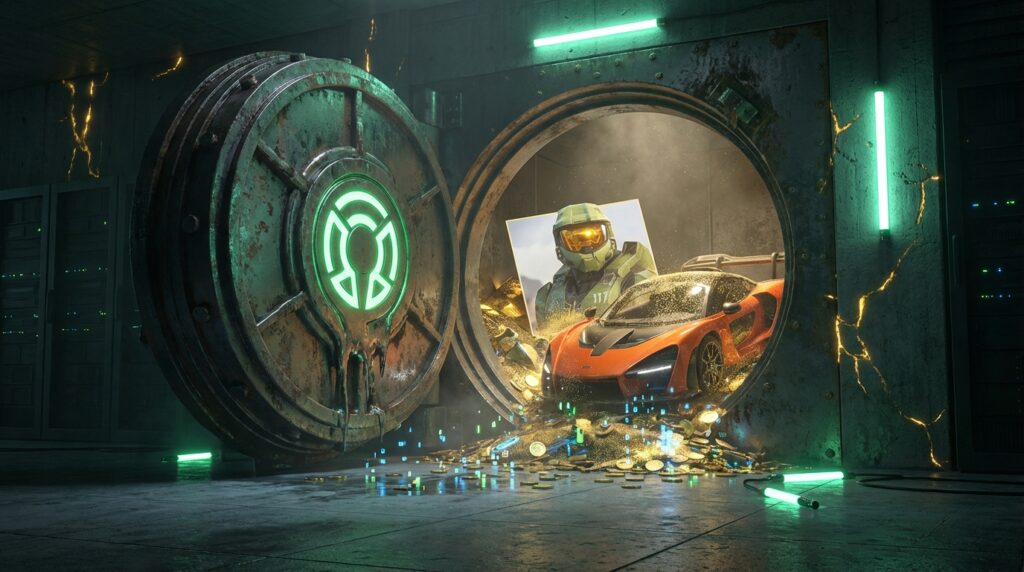
Tier names such as Standard and Ultimate make the choice sound neat and tidy. The real question is what each tier includes, and whether those extras matter to you. A cheaper plan may offer a perfectly decent catalogue while leaving certain new releases or features behind a higher-priced option. Ultimate can be the obvious pick for someone who uses its added access regularly, but “Ultimate” is marketing, not a legally binding promise that every game you want will appear there forever. We should judge tiers by the games, platforms, and benefits included today, not by the shiny label or a launch trailer that made the service look like a bottomless vault.
There is also a timing problem. A hit arriving on day one can bring a burst of sign-ups, but keeping those players around after the credits roll is a harder job. The platform needs a steady cadence of appealing releases, while studios need enough certainty to plan budgets and staffing. One major launch can sell a subscription; it cannot, by itself, prove the whole arrangement is sustainable. That distinction matters more than another impressive user milestone. A large audience is useful only if the revenue it brings in can support the games that persuaded people to join in the first place.
Analyst commentary can help put the business in context, but it is not a magic window into private contract terms. For example, Alinea Analytics analyst Rhys Elliott is among the industry names readers may see discussing market performance. That kind of analysis can illuminate player behavior and commercial trends, but it cannot tell us exactly what each developer was paid or whether a particular deal was profitable. The honest standard is to separate measurable signals from confident guesswork. A big audience, a headline launch, and a crowded catalogue are not interchangeable proof that every part of the model is working.
The Golden Cage is Starting to Rust
Ultimately, the service is currently a golden cage that looks a lot more like a temporary buffet than a permanent revolution for the industry. While the provider is busy bragging about hitting five billion dollars in revenue and reaching half a billion users, the cracks in the foundation are getting harder to ignore. We have seen the service pivot from a cheap “best deal in gaming” era to a more aggressive, high-revenue model that prioritizes squeezing every cent out of the subscriber base. The shift toward cost-cutting and structural changes suggests that the initial party is over, and now we are the ones stuck cleaning up the mess. If the price keeps climbing while the actual output of must-play games remains inconsistent, that value proposition starts to look less like a steal and a lot more like a monthly tax for digital clutter.
The real question is whether this “all-you-can-eat” model is actually sustainable for the people making the games or if it is just a slow-motion train wreck for creativity. We are seeing a world where developers are forced to chase engagement metrics instead of just making a solid, finished product that stands on its own. While it is great for us to play a hundred games for the price of a sandwich, the long-term cost might be a homogenized library of live-service slop designed to keep you subscribed forever. It feels like we are living through a bubble that is destined to pop the moment the corporate overlords decide that five billion dollars simply is not enough profit. Enjoy the buffet while it lasts, but do not be surprised when the bill finally arrives and it is much higher than any of us agreed to pay for the privilege.
Frequently Asked Questions
1. Why is my subscription suddenly getting more expensive?
The days of the provider practically paying you to play are dead and buried. Now that they have hooked 500 million users, they are pivoting from aggressive growth to cold, hard profit to prove the business model actually works.
2. What happened to the legendary one dollar trials?
Those trials were the bait used to lure you into the ecosystem while the company was happy to bleed cash. Now that the house wants its money back, they have swapped the nearly free entry for complex tier restructurings that prioritize their bottom line over your spare change.
3. Is the service actually making money?
The service is currently printing money with nearly 5 billion dollars in annual revenue. While it looks like a success on a spreadsheet, that sustainability comes at your expense as they squeeze every possible cent out of the existing player base.
4. Why does the service feel different than it did in 2020?
You are experiencing the classic corporate bait and switch. The honeymoon phase of endless high budget games for the price of a taco has been replaced by a cost cutting funnel designed to maximize monetization.
5. Are these price hikes just corporate greed?
It is a mix of greed and a desperate attempt to show that the subscription model can survive long term. They are trading your goodwill for fancy new upholstery in the boardroom by making sure the players finally foot the full bill.
6. Will the value of the service continue to drop?
As long as the focus stays on aggressive monetization, expect to keep paying more for the same napkins. The service is shifting from a consumer paradise to a recurring bill that keeps climbing to satisfy shareholders.