I finally reached my breaking point when a streaming service memory-holed a movie I was halfway through watching just because some suit in a boardroom lost a licensing bet. We are currently living through a physical media revival not because we are all becoming hipsters, but because we are tired of paying monthly ransoms for libraries that evaporate into thin air. If you do not own the disc, you are just renting a digital ghost that can be exorcised the second a corporate merger needs a tax write-off.
Gen Z is ditching the infinite scroll of mediocre algorithms for the tactile glory of CDs and vinyl, and honestly, they are right to do it. There is a specific, smug satisfaction in knowing that even if the internet dies or a studio goes bankrupt, my collection still works. Stop letting platforms treat your favorite media like a temporary privilege and start building a shelf that does not require a login or a stable Wi-Fi connection to exist.
Key Takeaways
- Digital ownership is a legal fiction where consumers pay premium prices for revocable licenses that can be deleted at any time due to corporate mergers or expired licensing deals.
- Physical media serves as the only reliable defense against ‘digital fatigue’ and the ‘infinite scroll,’ reintroducing intentionality and focus to the gaming and viewing experience.
- Physical discs and cartridges are essential tools for media preservation, ensuring that history is not erased by boardroom tax write-offs or the shutdown of central servers.
- Building a physical library is a necessary act of rebellion that transforms you from a perpetual digital tenant into a permanent owner with guaranteed access to your collection.
The Licensing Lie And The Death Of Ownership
We need to stop pretending that clicking a Buy button on a digital storefront actually results in you owning anything. In the eyes of corporate legal teams, you are essentially just paying a premium fee for a long-term rental that can be revoked the second a licensing agreement expires or a server gets unplugged. It is a convenient licensing lie designed to keep your hard-earned cash flowing into a bottomless void where you have zero control over your library. When a publisher decides to purge a title to save on tax write-offs or because they lost the rights to a specific soundtrack, your digital copy evaporates into thin air. You are left holding a receipt for a ghost, proving that your permanent collection was always just a temporary privilege granted by a boardroom.
The industry loves the digital-only future because it transforms you from a customer into a perpetual subscriber who has to ask permission to play. Physical media is the only real defense against this corporate gaslighting because a disc on your shelf does not need to check in with a central hive mind before it decides to work. While the digital crowd is busy panicking because their favorite RPG was delisted due to an expired music contract, the physical collector is busy actually playing the game. There is no End User License Agreement in the world that can reach into your living room and snatch a cartridge out of your console. If you cannot hold it in your hands, you do not own it, and relying on a corporation’s pinky promise to keep their servers running forever is a recipe for heartbreak.
True game preservation starts with the realization that the cloud is just someone else’s computer, and they are currently looking for any excuse to kick you off of it. Every time a digital storefront shuts down, a massive chunk of gaming history is effectively sentenced to death because we traded permanence for the convenience of not having to stand up to change a disc. We are currently living through an era where your digital library is a ticking bomb, waiting for the inevitable day when the Renew License prompt fails to load. Buying physical media is not just about being a nostalgic collector or liking the way plastic smells on a shelf. It is a necessary act of rebellion against a system that wants to sell you the same product every five years because your previous digital copy was retired by a spreadsheet.
Avoiding The Infinite Scroll Of Digital Fatigue
Staring at a digital library of five hundred games feels less like a hobby and more like an unpaid internship in middle management. You spend forty minutes scrolling through a wall of identical posters, paralyzed by the paradox of choice while your console fan hums in judgment. It is the ultimate irony of the digital age that having everything at your fingertips makes you want to play absolutely nothing. By the time you actually pick something, the dopamine has evaporated and you end up just closing the app to stare at your phone instead.
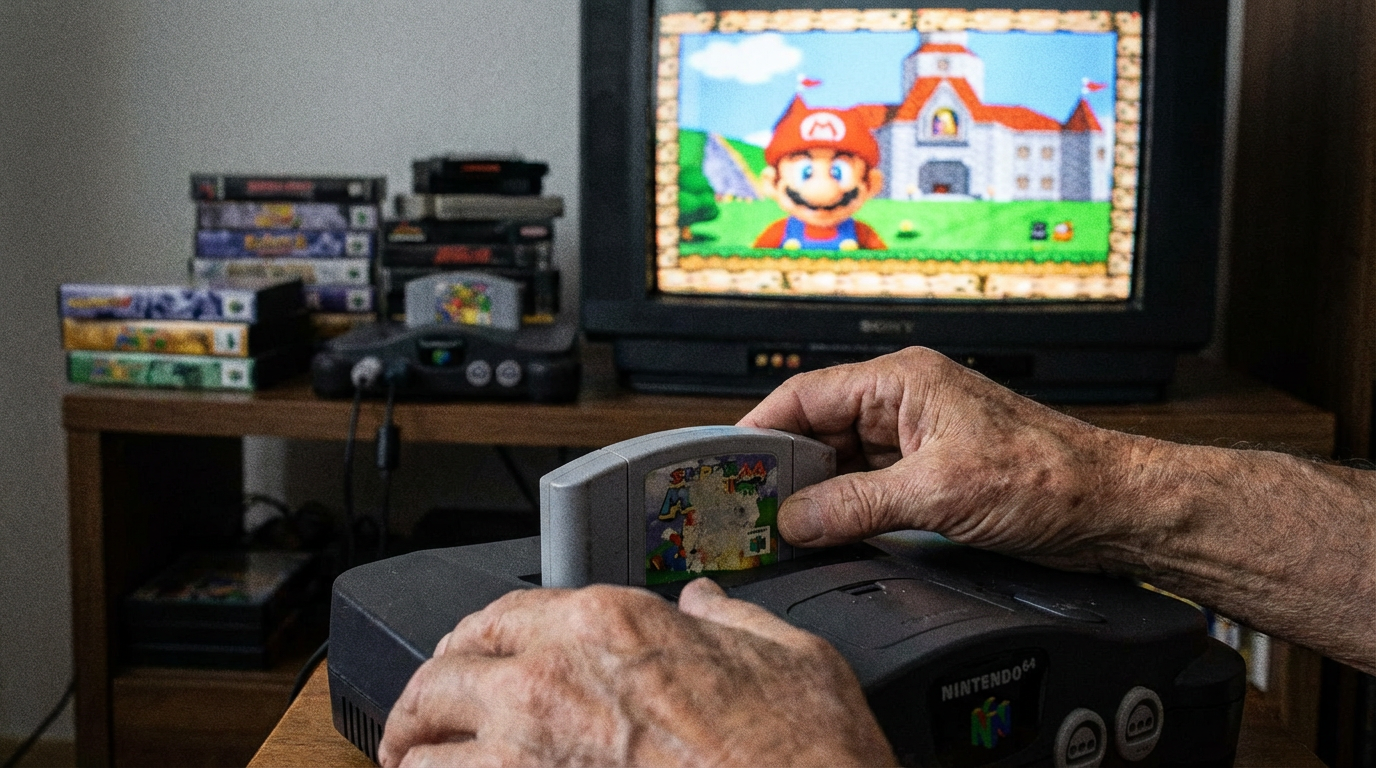
Physical media fixes this digital fatigue by reintroducing the lost art of intentionality to your gaming sessions. When you pull a box off the shelf, you are making a deliberate commitment to that specific experience rather than just sampling a stream. There is a tactile satisfaction in hearing the disc drive spin up that a silent digital license simply cannot replicate. It turns the act of playing into an event worth your time, rather than just another way to kill an hour of your life. Even if day one patches are becoming the norm, having the physical data is the first step toward true ownership.
Beyond the focus, there is the simple, blunt reality that you cannot truly own a row of pixels on a corporate server. Digital storefronts are essentially long term rentals that can be revoked the moment a licensing agreement expires or a studio executive needs to balance a spreadsheet. A physical copy is a middle finger to the digital ownership philosophy that the industry is trying to force down our throats. If I bought the game, I should be able to play it twenty years from now without asking a server for permission first.
Rescuing Gaming History From Corporate Deletion
We have officially reached the era where owning a digital game is about as permanent as a sandcastle in a hurricane. Publishers have become increasingly comfortable with the idea of nuking entire libraries from orbit because a licensing deal expired or some suit decided a tax write-off was more valuable than your childhood memories. When a storefront closes its doors, your digital collection does not just go into storage, it ceases to exist. Relying on a corporate server to keep your library alive is like asking a shark to guard your ham sandwich. Physical discs are the only insurance policy we have against a future where gaming history is dictated by the whims of a boardroom.
If you think your favorite niche RPG is safe in the cloud, you clearly have not been paying attention to how quickly these companies will bury a project to save a nickel. A physical copy of a game does not care about server maintenance, delisting notices, or whether or not a studio still exists to authenticate your login. It sits on your shelf, ready to play, regardless of whether the publisher has decided to scrub it from the internet to balance their quarterly earnings. We are currently witnessing a slow motion arson of gaming culture, and the only way to stop the fire is to keep the data in your own hands. You cannot delete a piece of plastic from a thousand miles away, no matter how much a CEO might want to.
The shift back to physical media is not just about nostalgia or the satisfying click of a plastic case, it is about basic survival in a digital wasteland. Every time a game is pulled from a digital store, a piece of the medium’s history is essentially burned for the sake of a corporate spreadsheet. Collectors are the new librarians, and those stacks of discs are the only things standing between us and a total blackout of classic titles. If you want to ensure your library actually belongs to you, it is time to stop renting pixels and start buying objects. Otherwise, you are just paying for the privilege of watching your favorite games eventually vanish into thin air.
Stop Renting Your Games From Landlords
Stop acting like a digital tenant paying rent on a library that can be evicted at any moment by a bored corporate executive. We have reached a point where buying a digital game is really just long-term renting with zero consumer protections or guarantees. When a licensing deal expires or a server goes dark, your favorite classics libraries that evaporate into the ether while the industry shrugs its shoulders. It is time to stop trusting the cloud with your childhood memories and start putting plastic back on your shelves. Physical media is the only way to ensure that the games you love actually belong to you instead of some faceless storefront.
Building a physical collection is not just about nostalgia or showing off a cool shelf, it is a defensive maneuver against an industry that hates the idea of permanent ownership. Digital storefronts are volatile ecosystems where titles are delisted without warning and always online requirements turn expensive software into useless bricks. By holding a disc or a cartridge, you are opting out of a system designed to make you pay repeatedly for the same experiences. You become the curator of your own history rather than a passive subscriber to a service that views you as a recurring revenue stream. It is a simple choice between being a temporary user or a permanent owner. Even when intrusive software like Denuvo causes a performance impact on your hardware, the physical disc remains your only tangible link to the software.
The physical media revival is the best way to tell the industry that we are done with the all digital future they are trying to force down our throats. Every time you buy a physical copy, you are casting a vote for preservation and consumer rights over corporate convenience. Do not wait until your favorite RPG is wiped from existence because of a legal dispute between two companies that do not care about you. Grab the physical version, put it on your shelf, and enjoy the peace of mind that comes with knowing no one can hit a delete button on your hobby. If it is not in your hands, you do not truly own it, so go out there and claim your library back. Besides, relying on the internet means dealing with cloud gaming latency that can ruin your experience before you even start.
Frequently Asked Questions
1. Wait, I thought I owned my digital movies and games?
You bought a lie wrapped in a digital receipt. You actually just paid for a revocable license that can be snatched away the moment a corporate merger needs a tax write-off or a server goes dark.
2. Is physical media really making a comeback or is this just hipster nonsense?
It is a full blown survival tactic against the digital apocalypse. People are waking up to the fact that a shelf full of discs is the only way to ensure your favorite media does not evaporate into thin air because of a licensing dispute.
3. Why should I bother with discs when streaming is so much easier?
Convenience is a trap that turns you into a perpetual subscriber who has to ask permission to play. A disc does not require a stable Wi-Fi connection, a monthly ransom, or a boardroom’s approval to exist in your living room.
4. Is Gen Z actually buying into this old school tech?
They are ditching the infinite scroll of mediocre algorithms for the tactile glory of vinyl and CDs. They realized that owning something you can actually touch is infinitely better than renting a digital ghost from a platform that hates you.
5. What happens to my digital library if a studio goes bankrupt?
Your library gets buried in the same grave as the company. If you do not have the physical copy, you have nothing but a memory of a movie you once thought you owned.
6. How do I start building a collection without breaking the bank?
Stop feeding the streaming vampires and hit up thrift stores or used media shops. You can build a permanent library for the cost of a few months of premium subscriptions, and nobody can ever delete it from your house.