The acquired studio closure rate sits at 34 percent, and that’s the polite version. A November 2026 census from Game Studio Unlocked found 123 shuttered studios among 362 acquired PC and console developers. Only 28.5 percent came out intact and still making games at or above their old level.
Here’s the kicker: closures are slow. The median time from acquisition to shutdown was five years, so the deal looks fine right up until it isn’t. Add the studios that were declined or closed, 60.2 percent in total, and the headline number starts to look like the optimistic one.
Key Takeaways
- Acquired studios closed at a 15.1 percent rate between October 2019 and October 2026, while independent studios closed at just 2.0 percent, a gap too wide to ignore.
- Acquired studios usually die years after the press release, since the median acquired studio that closed did so five years after its deal and the average was 6.4 years.
- Acquired studio closures are speeding up, with only two closing from 2019 through 2022 but 41 closing from 2023 through October 2026.
- The 34 percent closure rate is the polite number, because counting the 95 declined studios pushes the total of studios closed or declined to 60.2 percent.
- Readers should check whether a publisher’s buyout announcement names a specific project and promises the studio keeps its own name, then revisit the studio around the five-year mark when closures tend to happen.
Breaking Down the 34 Percent Closure Number
Let’s break down the 362, because the 34 percent is only one slice of the pie. Of those developers, 123 were shuttered, or 34.0 percent. Another 95 were classified as declined, meaning they were absorbed into a parent company, lost their independent identity, or drifted from making their own games into support work. Put those two groups together and you get the 60.2 percent figure. The remaining 103 studios, or 28.5 percent, stayed organizationally whole and kept producing games at or above their pre-acquisition level. That’s the group publishers love to feature in press releases. The census also tracked 30 support, co-development, porting, QA, and technical-support studios separately, bringing the full dataset to 392 entries.
How Long Does It Take an Acquired Studio to Close?
Usually years after the press release, not months. The median acquired studio that closed did so five years after its deal, and the average was 6.4 years. That gap is the trick. The announcement says the team is safe, the first game or two ship on schedule, and nobody notices the clock running.
Seventy of the 123 shuttered studios closed within five years of acquisition, so more than half of the closures happened inside that early window. Time-adjusted estimates put closures at 19.7 percent by the five-year mark and 39.4 percent by year ten. A studio that looks stable in year two can still be on the list by year nine.
The timing is also getting worse. Only two acquired studios closed from 2019 through 2022. From 2023 through October 2026, 41 did. That’s a pattern that should make anyone buying a studio nervous.
Which Xbox Studio Closures Hit Hardest?
The studios that hurt most are the ones that made games people loved and still got shut down. Quality was never a reliable safety net.
Tango Gameworks made Hi-Fi Rush, a rhythm action game that critics adored, and the studio still didn’t survive its new owner’s restructuring. Here’s how the Microsoft-era cases stack up:
- Tango Gameworks: Hi-Fi Rush earned near-universal praise, and the studio closed anyway.
- Arkane Austin: Redfall underperformed, and the studio went down with it.
- Alpha Dog Studios: closed after Mighty Doom.
- Roundhouse Games: absorbed into ZeniMax Online Studios, so its independent identity disappeared.
- Ensemble Studios: closed after Halo Wars.
The pattern looks more like ownership than talent. When a parent company’s revenue targets depend on a few big releases, one underperforming launch can decide a studio’s fate. The census also found that none of the 19 Activision Blizzard ownership periods it tracked ended with the acquired studio’s game output intact. That’s a rough record for a deal valued at $68.7 billion when it was announced in January 2022.
Ninja Theory is the open question. Hellblade 2 shipped, and the studio’s next move will show whether a critically respected team can build a future under a publisher’s roof.
Do Corporate Statements Match Real Decisions?
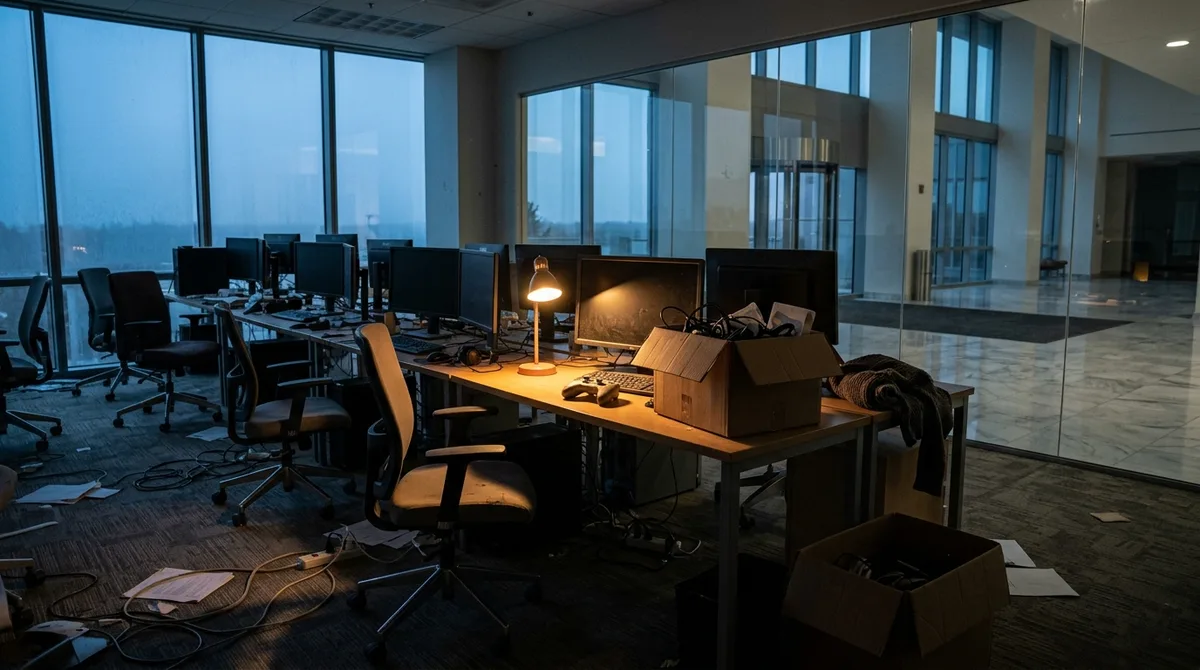
Not in any way that outsiders can check. Corporate statements promise stability and creative freedom, and the decisions that follow often tell a different story.
When Xbox closed studios, Matt Booty’s messaging wrapped the cuts in familiar corporate language about focus, priorities, and the future. Reassurance is cheap to write, and the census shows what it’s worth.
Game Pass gets held up as proof that the model works. Microsoft points to it in earnings talk, but outsiders have never seen clear subscriber or profit figures showing which studios it actually saves. We’re being asked to trust the scoreboard without seeing the score.
Creative risk shrinks in the spreadsheet. A studio that must justify its budget to a parent company’s forecasts starts chasing safer sequels and live-service hooks. Ubisoft’s Red Storm is a clean example. In March 2026, Game Developer reported that Ubisoft ended active development there and cut 105 jobs. The studio survived, but only as an IT and engine-support team.
Sony paid $3.6 billion for Bungie in 2022. That bought a lot of runway, but it didn’t buy a guarantee that the next game would be allowed to be strange.
Are Publisher-Owned Studios Less Safe Than Independents?
Yes, and the gap is too big to wave away. Between October 2019 and October 2026, the census counted 18 closures among 119 acquired studios, a 15.1 percent rate. Over the same stretch, only one of 50 independent studios shut down, a 2.0 percent rate. Acquired studios closed several times more often.
Ownership is the variable that matters. Nintendo acquired six studios and closed none of them in the census, which suggests a parent that doesn’t treat its studios as disposable. Activision Blizzard, whose ownership record is already on the table, tells the opposite story.
Price doesn’t protect anyone either. Sony’s $3.6 billion Bungie deal was a huge bet on a proven studio, and it still shows how a big acquisition can end with a team absorbed or restructured. An expensive check buys a studio. It doesn’t buy a guarantee that the studio stays a studio.
Is the Closure Wave Just Industry Maturity?
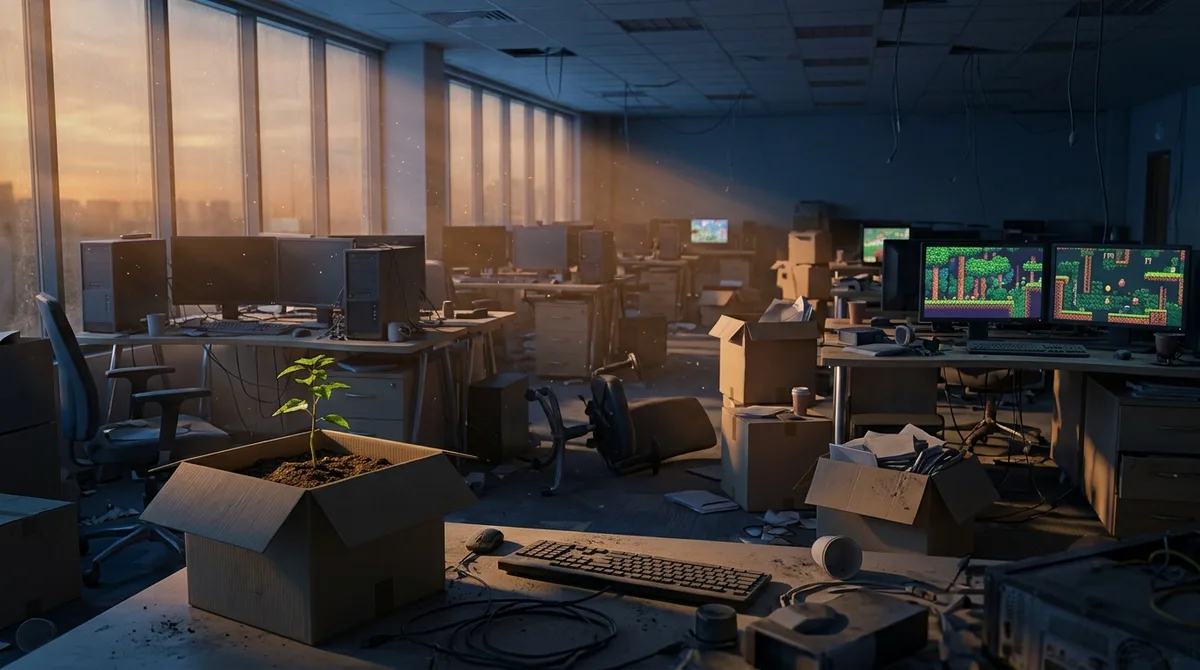
No, industry maturity doesn’t explain it, and the census rubric shows why. Every mature industry consolidates, from film to music, and a bigger parent company isn’t a crime by itself. The problem is what counts as failure. A studio absorbed into its parent, stripped of its independent identity, or shifted from its own games into support work is marked as declined, even when its games still sell well.
Regulators noticed the risk too. In October 2023, the UK Competition and Markets Authority cleared Microsoft’s restructured Activision deal after Activision’s non-EEA cloud-streaming rights for relevant PC and console games were transferred to Ubisoft for the following 15 years. That remedy addressed cloud competition, not whether the studios survive.
Red Storm shows how the rubric plays out. In March 2026, Ubisoft ended active development there and cut 105 jobs, and the studio was kept on only as an IT and Snowdrop engine support team.
How To Read The Next Acquisition Announcement
Next time a publisher announces a studio buyout, skip the victory-lap paragraph and go straight to the fine print. Check whether the statement names a specific project the team is working on and promises the studio keeps its own name. Those are the promises that tend to get dropped first.
Then put the date on your calendar. Five years after the deal is the median point where closures happened, so that’s when to take a real look at the studio. If it has shipped its own games in that window, it’s still doing what it was bought to do. If it’s mostly doing porting, QA, or engine work, it’s in the census’s “declined” column, even if nobody in the press release will say so.
Don’t judge the deal by its price tag either. The Activision Blizzard purchase was announced at $68.7 billion and ended up at $75.4 billion. None of that money bought a guarantee for the teams inside. Big numbers tell you what the parent paid, not what your favorite developer gets to keep.