
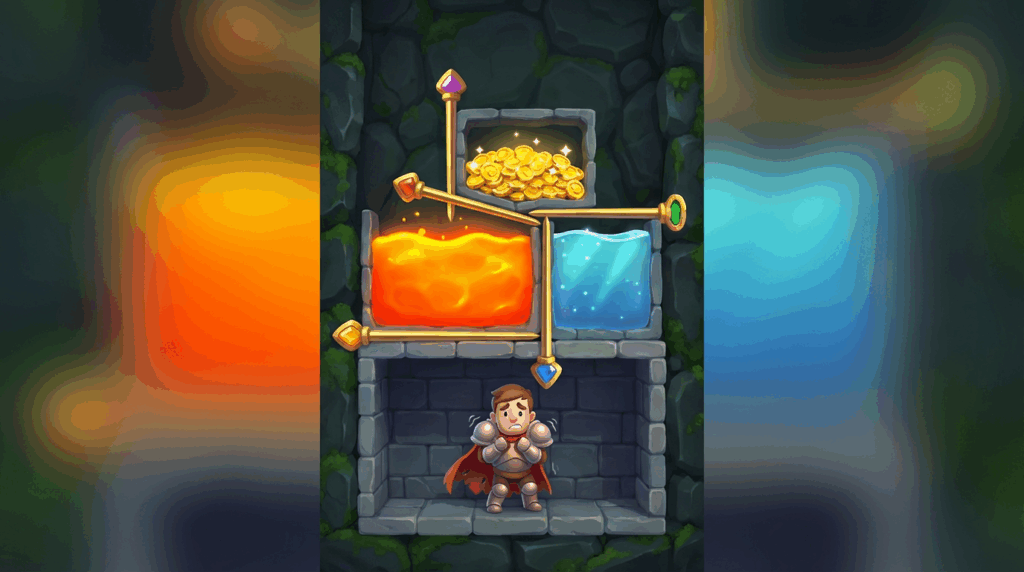
We have all been duped by that one ad showing a hero needing rescue from a lava pit. You download the app and find a generic match-three clone. These fake mobile game ads are the absolute scourge of the App Store. They bait us with intriguing logic puzzles that simply don’t exist in the actual code. It is the digital equivalent of ordering a gourmet burger and being served a plate of sawdust with a “pay $5 to eat” sticker on it.
Developers keep pumping out this misleading garbage because it works. They rely on your frustration to drive cheap installs before you realize you have been had. They hook you with a “fail scenario” that begs to be solved, knowing full well the real game is just a boring kingdom builder designed to siphon your wallet. We need to stop rewarding these bait-and-switch tactics with our attention and storage space.
Key Takeaways
- Mobile developers utilize calculated bait-and-switch tactics, luring players with intriguing logic puzzles only to deliver generic match-three clones or kingdom builders.
- The “fail ad strategy” weaponizes viewer frustration by showing incompetence, triggering an ego-driven urge to download the game and prove superior intelligence.
- Deceptive marketing persists because tricking millions of users with fake gameplay results in lower acquisition costs and higher chart rankings than honest advertising.
- Studios practice malicious compliance by burying the advertised gameplay as poorly designed minigames to skirt regulations while keeping the core experience focused on monetization.
From Pulling Pins to Match-Three Purgatory
You know the one. That hapless king trapped in a dungeon while lava looms overhead, threatening to turn him into royalty stew. You watch the ad. You think you could easily solve that puzzle by pulling the pin to drop water instead of molten rock. So you finally click the download button because your brain craves that simple logical satisfaction. Then the game launches. You are immediately slapped in the face with a generic match-three board or a dilapidated mansion that needs renovating. It is the most successful bait-and-switch in digital history.
Marketing teams are not doing this by accident. They didn’t upload the wrong video file. These fake ads exist solely because they drive incredibly cheap installs and trick millions of bored casual gamers into clicking. The developers know perfectly well that a logic puzzle is more appealing than their thousandth iteration of a gem-swapping simulator. They hook you with a power fantasy of saving the day only to trap you in an endless loop of microtransactions and energy timers. It is a calculated lie designed to boost their metrics while destroying user trust.
If you are lucky enough to actually find the pin-pulling gameplay, it is usually buried as a mini-game locked behind level fifty. You have to grind through hours of mind-numbing candy crushing just to play the five seconds of content that convinced you to install the app in the first place. The industry calls this aggressive user acquisition. The rest of us just call it false advertising. We are stuck in a purgatory of colorful gems and fake cities while the game we actually wanted to play does not even exist. Stop rewarding these studios for treating our attention spans like currency.
Why the Player in the Ad Is Always a Moron

Look at the disembodied hand in a mobile ad struggling to solve a puzzle a toddler could master. It creates a visceral reaction deep in your gut when the player ignores the obvious solution to run straight into a pit of lava. These ads are not showing actual gameplay footage. They are a carefully orchestrated performance of incompetence designed to make you feel like a genius. The marketing team behind these monstrosities knows exactly what they are doing. They present a level of stupidity that defies human evolution. They are banking on the fact that you possess functioning eyes and a brain capable of basic pattern recognition.
This tactic is a psychological weapon known as the fail ad strategy. It targets your ego with surgical precision. By forcing you to watch someone fail so miserably at a simple task, the advertisers trigger a massive spike of frustration mixed with superiority. Your brain practically screams at the screen because you know you could save the hero or pull the right pin in three seconds flat. That sudden urge to grab the phone and correct the mistake is exactly what drives the rage-install metric these companies crave. You download the game just to prove you are smarter than the ad. Then you realize you fell for the oldest trick in the digital book.
The worst part of this charade is that the puzzle you are dying to solve usually does not even exist in the actual app. You install the game expecting a logic puzzle and end up staring at a generic kingdom builder or a match-three clone filled with microtransactions. These developers accept high churn rates because the cost to acquire you as a user drops significantly when they bait you with fake gameplay. They do not care if you uninstall five minutes later as long as their engagement numbers look good on a quarterly report. It is a cynical cycle of deception that wastes your time and insults your intelligence.
The Cynical Math Behind the Lies
Lying to your face is simply good business when you crunch the numbers. Mobile developers have discovered that showing you actual footage of their spreadsheet-heavy strategy game is a great way to put you to sleep. Nobody wants to click on a thirty-second clip of a resource management menu or a goblin upgrading a wall for the fiftieth time. Instead, they show you a dumb puzzle about saving a king from lava because it triggers a primal urge to fix the obvious mistake. This drives the Cost Per Install metric into the ground. It is infinitely cheaper to trick a million people than to find ten people who actually like base-building.
You might think this strategy backfires when players realize they downloaded a completely different game. The publishers are way ahead of you. They fully expect you to rage-quit the moment you see the real gameplay, and honestly, they do not care. The math dictates that getting ten thousand angry installs at pennies a pop is better than getting one happy user for ten dollars. Even if retention rates plummet faster than a fake hero falling into a pit of spikes, the sheer volume of downloads pushes the game up the store charts. Once they hit those top lists, organic traffic rolls in to subsidize the cost of their blatant dishonesty.
These marketing teams have weaponized your own frustration against you by intentionally playing the fake game like a complete moron. Watching a digital hand fail to pull a simple pin triggers a psychological need to prove you are smarter than the ad. It is a calculated engagement hack designed to bypass your critical thinking skills and go straight for your ego. By the time you realize the puzzle never existed, you are already wading through a tutorial on castle upgrades and gem packs. It is cynical and depressing. As long as you keep clicking to prove them wrong, the lies will never stop.
The Pathetic Minigame Loophole
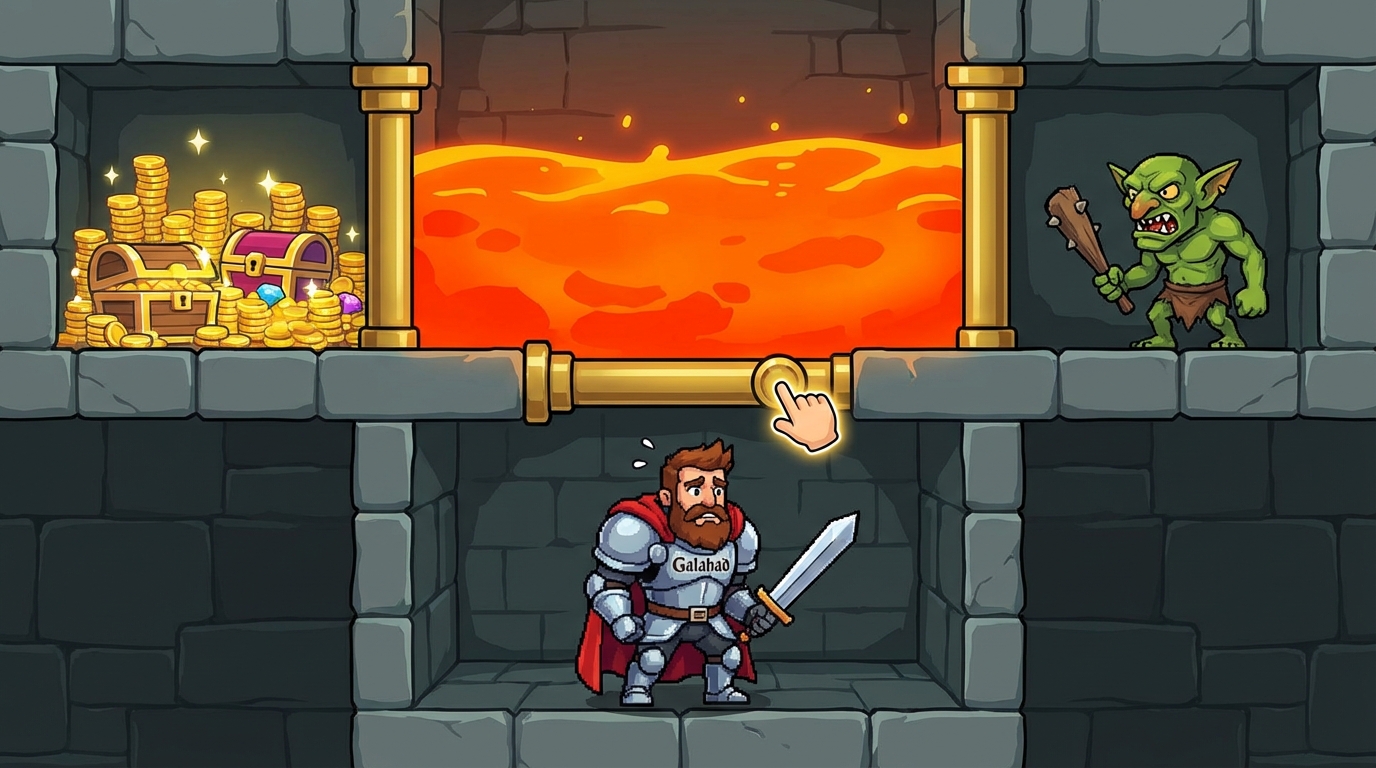
Developers have evolved from straight-up lying to us to a form of malicious compliance that is somehow even more insulting. Instead of the game being completely different from the “save the king” puzzle in the ad, that gameplay actually exists now. But it is buried under a mountain of generic garbage. You download the app expecting a logic puzzle, only to find out you have to grind through fifty levels of a soulless match-three clone just to unlock one “bonus” stage. They toss in the gameplay from the ad as a pathetic side-mode purely to keep the app store regulators off their backs. It is the digital equivalent of buying a ticket to a rock concert and finding out the band only plays for thirty seconds in the parking lot after the show.
The worst part about this loophole is that the mechanics in these tacked-on minigames are usually broken beyond belief. Since the developers only included the mode to avoid false advertising lawsuits, they put absolutely zero effort into making it fun or functional. You finally reach the “pull the pin” level you were promised, and the physics engine acts like it was coded by a raccoon walking across a keyboard. They know these ads drive cheap installs and high click-through rates, so they do not care if the actual experience makes you want to throw your phone into a ravine. It is a cynical business tactic that prioritizes acquiring users over actually keeping them entertained.
Why These Profitable Lies Won’t Die
Don’t hold your breath waiting for these digital hallucinations to disappear from your feed anytime soon. The sad reality is that deceptive marketing works incredibly well because it drives install costs down and engagement metrics up. Developers know exactly what they are doing when they bait you with a puzzle that doesn’t exist to sell you a city builder you never wanted. Even with platforms threatening crackdowns and regulators raising eyebrows, the sheer volume of cheap downloads keeps the lights on at these studios. As long as your curiosity can be monetized for pennies on the dollar, integrity will remain a distant second priority to profit.
We have officially reached a point where the advertising department has more creative freedom than the actual game designers. You can look forward to a bright future of saving kings from lava and pulling pins in advertisements while playing generic match-three clones in reality. It is genuinely impressive how an entire industry standardized the practice of selling a lie just to boost their quarterly user acquisition reports. Mobile gaming has evolved into a strange psychological experiment to see how many times we will click on a fake close button before throwing our phones. Keep enjoying those high-budget cinematic trailers. They are usually the only part of the experience that received any actual effort.