

The Xbox XP division is a new unit announced on October 8, 2026, to coordinate business around game franchises beyond games: film and television, merchandise, partnerships, and live experiences. Led by Kayleen Walters, XP organizes its work into four areas: Xbox Pictures, Xbox Products, Xbox Partnerships, and Xbox Places.
That makes XP a franchise-expansion operation, not a new game-development studio. The harder question is whether Xbox can turn those extensions into lasting value without letting business built around games crowd out the games themselves.
TL;DR: Xbox XP is a franchise-expansion division, not a game studio, coordinating film and TV, merchandise, partnerships, and live experiences under four units. Minecraft and Fallout show the potential to grow audiences beyond games, but XP still has to prove those extensions create lasting value without sidelining the games.
Xbox XP Puts Four Bets Under One Roof
Xbox announced XP on October 8, 2026, with Kayleen Walters as president. The division will coordinate film and television, consumer products, strategic partnerships, and live experiences through four areas: Xbox Pictures, Xbox Products, Xbox Partnerships, and Xbox Places. That structure lets Xbox manage a franchise across screens, shelves, collaborations, and events instead of treating every extension as an unrelated side quest. This is a broader commercial operation, not a film-only unit.
XP is not a new game-development studio. Its stated remit is to extend Xbox franchises beyond games, not to build the next one. That distinction matters in an industry quick to mistake an adaptation announcement for a new creative pipeline. A film unit develops screen projects; XP puts those projects alongside merchandise, partnerships, and live experiences. The game remains part of the franchise, but it is no longer the only product in view.
What Xbox Pictures, Products, Places And Partnerships Do

Xbox Pictures is the screen-adaptation arm, covering film and television versions of game franchises. Xbox Products handles fan merchandise, taking franchises onto shelves instead of just screens. Xbox Places covers events and location-based experiences, bringing franchises into physical spaces. Xbox Partnerships focuses on sponsorships and brand collaborations with outside companies.
Put plainly, the four units cover entertainment, merchandise, live experiences, and commercial collaborations. The structure gives Xbox a framework for investing in each area instead of treating every extension as the same kind of deal. But Xbox described these as investment areas, not a promise that every franchise will get a screen adaptation, a product line, an event, and a brand collaboration. A game can fit one lane without being marched through all four like a mascot at a corporate parade.
Minecraft Is The Clearest Business Case
Minecraft is Xbox’s clearest example of a game franchise expanding beyond games. Xbox said sales rose from 350 million to more than 425 million units during Kayleen Walters’s tenure at Mojang Studios. It also described Minecraft merchandising as one of the world’s top 20 businesses in its category. That is a formidable audience and retail footprint, even before anyone builds a block-shaped lunchbox.
A Minecraft Movie opened in April 2025 with $157 million domestically and $301 million globally, then a record opening for a video-game adaptation, according to Variety’s box-office report. Variety also reported a $150 million production cost before global marketing. Those figures show the film’s reach, not Xbox’s share of ticket revenue or its profit. Box-office grosses are not receipts with the studio’s cut helpfully circled.
Warner Bros. has confirmed a sequel for theatrical release on July 23, 2027, Bloomberg reported. For XP, Minecraft makes the expansion bet easy to understand. The public numbers still do not show what Xbox takes home.
Fallout Shows The Audience Can Come Back
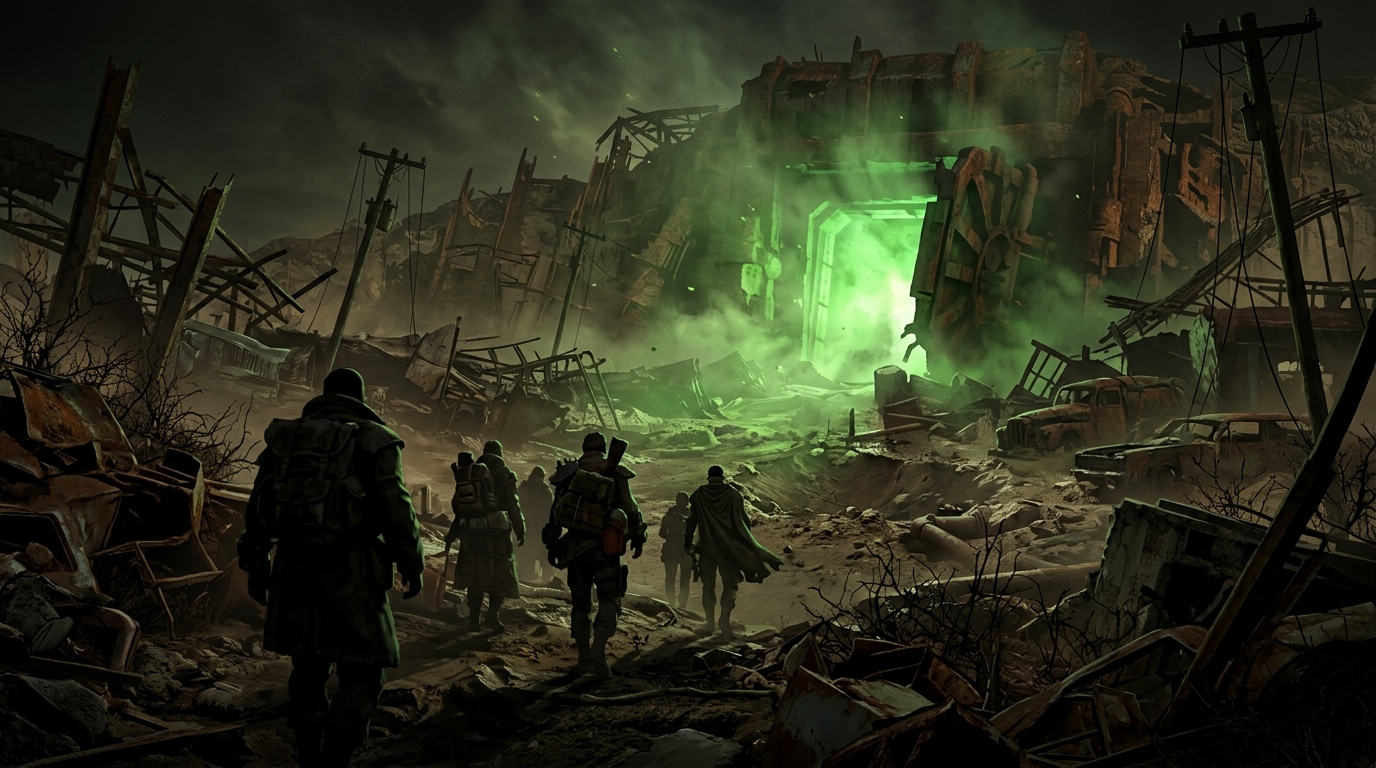
Fallout offers Xbox’s strongest evidence that an adaptation can send players back to a game. Ampere Analysis reported that monthly active users for the Fallout games rose 490% around the TV series’ 2024 launch, with 14 million players activated and 80% of them playing. That is a substantial audience surge, not just a few people dusting off a Pip-Boy for nostalgia.
Microsoft CEO Satya Nadella separately said hours played across the Fallout franchise on Game Pass increased nearly fivefold quarter over quarter after the show debuted, according to GameSpot. The figures measure different kinds of engagement, but both suggest the show brought attention back to the games.
More players and playtime support Xbox’s cross-media strategy. They do not prove that the bump lasted, that the adaptation made money for Xbox, or that the same result will follow for every franchise. One successful trip to the wasteland is evidence, not a guaranteed route map.
Xbox’s Cuts Make The Timing Hard To Ignore
XP’s expansion arrives amid major restructuring. In a September 22, 2026 update, Xbox said it was eliminating 268 roles and was roughly three-quarters of the way through restructuring announced earlier that year. Xbox also said consultation had begun on a proposed closure of Ninja Theory, which was not yet final.
The timing is hard to ignore, but the announcement does not show that the cuts fund XP or that the moves are directly connected. It does mean the new division has to prove franchise expansion is more than a headline-generating exercise. A hit adaptation can draw attention. The harder trick is making that attention last without turning the games into supporting characters in their own franchises. Can XP create lasting value through adaptations, merchandise, partnerships, and experiences without distracting from the games themselves?
How To Judge XP’s Progress
To judge XP, track Xbox’s announcements for named projects and dates, then separate confirmed launches from wish lists. An Xbox Pictures title with a release plan, an Xbox Products range actually on sale, an Xbox Partnerships deal with a named brand, or an Xbox Places event with a venue gives us something concrete to check. A new logo and mission statement do not.
When Xbox announces a screen project, note which game it connects to and whether Xbox keeps supporting that game after the promotion ends. Keep a short list of XP commitments across all four areas, marking each as announced, scheduled, or released. Revisit the list when Xbox publishes launch details, not when a teaser appears.