2026 game reviews have already delivered the rarest miracle in gaming: a year with more hits than excuses. Forza Horizon 6 set the early pace with a 90 critic score, while Big Walk arrived in late summer with an even stronger 92. That is a lot of praise for a hobby that still occasionally sells us the same map with a new hat.
I’m separating the genuinely brilliant from the aggressively average, covering gameplay, story, performance, mechanics, and whether each game deserves my time or a swift uninstall. From polished blockbusters to standout indie oddities and Switch 2 surprises, the verdicts are getting sharper, and so is the nonsense.
Key Takeaways
- Forza Horizon 6, Big Walk, and Pokémon Pokopia are the strongest 2026 recommendations, combining high review scores with engaging gameplay, personality, and lasting value. Big Walk leads critically at 92, followed by Forza Horizon 6 at 90 and Pokémon Pokopia at 89.
- Judge games by gameplay depth, story quality, technical performance, replay value, value for money, and uninstall risk—not by graphics or marketing hype alone.
- Indie games like Big Walk stand out by embracing cooperative play, unusual mechanics, and distinctive personality, while stronger Switch 2 releases such as Pokémon Pokopia, Mario Kart World, and Donkey Kong Bananza use new hardware to meaningfully change the experience.
- Use reviews as a buying filter: purchase polished standouts, wait for discounts or patches on flawed releases, use subscriptions for short or risky experiments, and delete games that waste your time or storage space.
2026 Review Scorecard
I judge every 2026 release on six things: gameplay depth, story quality, technical performance, replay value, value for money, and uninstall risk. Depth means the mechanics stay interesting after the tutorial stops holding my hand. Story quality covers everything from memorable characters to dialogue that does not sound like it was written by a malfunctioning toaster. Performance matters just as much, because stunning visuals are less impressive when the frame rate collapses during a cutscene. I also ask whether the game earns its price, gives me a reason to return, and deserves space on my drive instead of immediate digital execution.
The final verdict answers the only question that matters after the marketing fireworks stop: should I play it? My scorecard uses four blunt outcomes:
- Buy it: A strong, polished game that earns full price and my limited free time.
- Sale pickup: Worth playing, but not until the price drops enough to excuse its rough edges.
- Subscription download: A good trial, short adventure, or risky experiment that makes sense when someone else is footing the bill.
- Merciless deletion: A waste of money, patience, storage space, or all three. Appeal denied.
A high score cannot rescue a game that feels like unpaid overtime, and a modest score can still point to a strange little gem worth trying through a subscription. I judge the whole package instead of worshipping one flashy feature, so a brilliant combat system does not erase a terrible story or disastrous performance. That matters across 2026’s crowded release calendar, where polished blockbusters, ambitious indie games, and major handheld launches are all fighting for the same weekend. I am here to tell you what deserves your money, what deserves a discount, and what deserves to be uninstalled before it finishes downloading.
Forza Horizon 6 And AAA Standouts
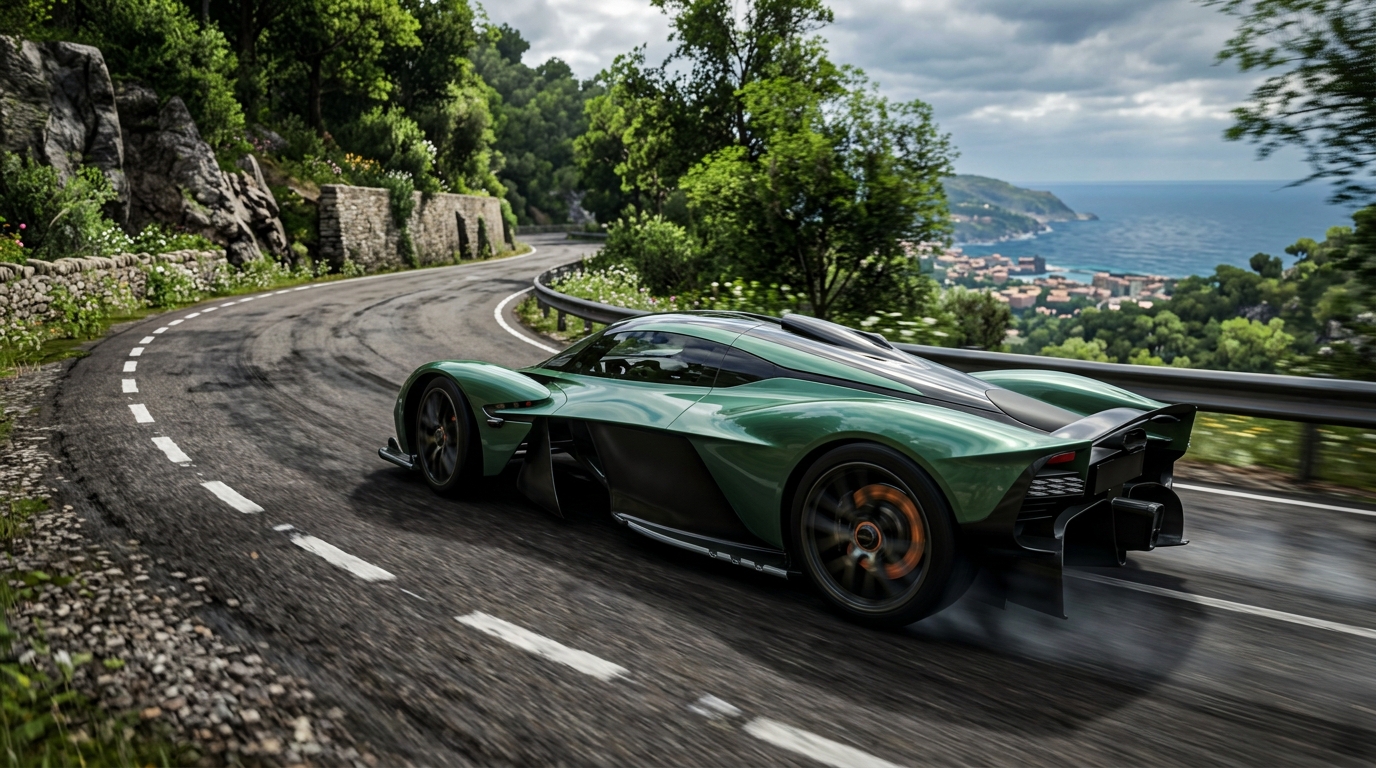
Forza Horizon 6 is the first-half 2026 standout for good reason, earning a 90 critic score from 78 reviews. Its driving feels wonderfully immediate, balancing arcade-friendly boosts with enough weight and grip to make every corner matter. Exploration is the real star, turning the map into a playground instead of a checklist wearing a scenic disguise. Progression keeps the garage growing without making every upgrade feel like a second job, while the polished presentation makes the whole thing look alarmingly expensive. I expected to sample a few races, then accidentally lost an evening to “one more event,” which is how this series continues to rob me.
Resident Evil Requiem brings the expected pressure, with tense combat, sharp pacing, and presentation polished enough to make every dark hallway feel like a personal insult. Pragmata takes a stranger route, pairing inventive combat with exploration that rewards curiosity instead of pointing at the next objective with a glowing arrow. Monster Hunter Stories 3: Twisted Reflection is the more progression-focused release, building its appeal around creature collection, tactical battles, and a steady stream of reasons to improve the team. None of these games settles for being merely functional, although each has moments where familiar design habits show through like a monster hand reaching from under the bed.
At premium prices, these blockbusters justify themselves only when their best systems keep working after the opening spectacle wears off. Forza Horizon 6 clears that test through excellent driving and generous exploration, while Resident Evil Requiem earns its keep through atmosphere and combat that rarely lose their bite. Pragmata and Monster Hunter Stories 3: Twisted Reflection depend more on whether their particular blends of experimentation and progression click with me, so neither deserves a blind purchase just because the box looks expensive. My verdict is simple: buy the standouts, wait for a discount on the merely polished, and uninstall anything that mistakes visual shine for an actual personality.
Big Walk And Indie Surprises
Big Walk is the clearest proof that 2026’s indie scene is doing more than filling the gaps between blockbuster launches. With a 92 critic score from 19 reviews, it has earned attention through inventive cooperative design, expressive characters, and a willingness to let moments breathe instead of stapling a checklist to every corner of the map. I love that its best ideas are built around playing with people, not simply sharing a lobby while everyone completes separate errands in silence. That kind of personality is harder to manufacture than another premium currency menu, thankfully.
The wider indie field has been just as confident, with smaller teams taking risks on unusual mechanics, stranger pacing, and stories that remember games are allowed to be funny, warm, awkward, or downright peculiar. These are the releases where a simple interaction can become the thing I remember weeks later, rather than the hundredth explosion presented as a groundbreaking set piece. Larger publishers often sandblast that personality away while chasing broad appeal, leaving behind an expensive product polished until it has the emotional texture of a showroom floor. Smaller games are more willing to make a weird choice and trust me to enjoy it.
That makes checking the 2026 game reviews before buying the year’s loudest sequel more than a noble gesture toward independent developers. It is basic financial hygiene, like checking whether the mysterious restaurant has windows before ordering the soup. Big Walk is an easy recommendation for players who want cooperation, charm, and memorable surprises instead of another bloated campaign auditioning for a streaming adaptation. I would check the smaller releases first, because the game shouting hardest about being essential may simply be trying to drown out the one quietly doing something new.
Pokémon Pokopia And Switch Two Reviews
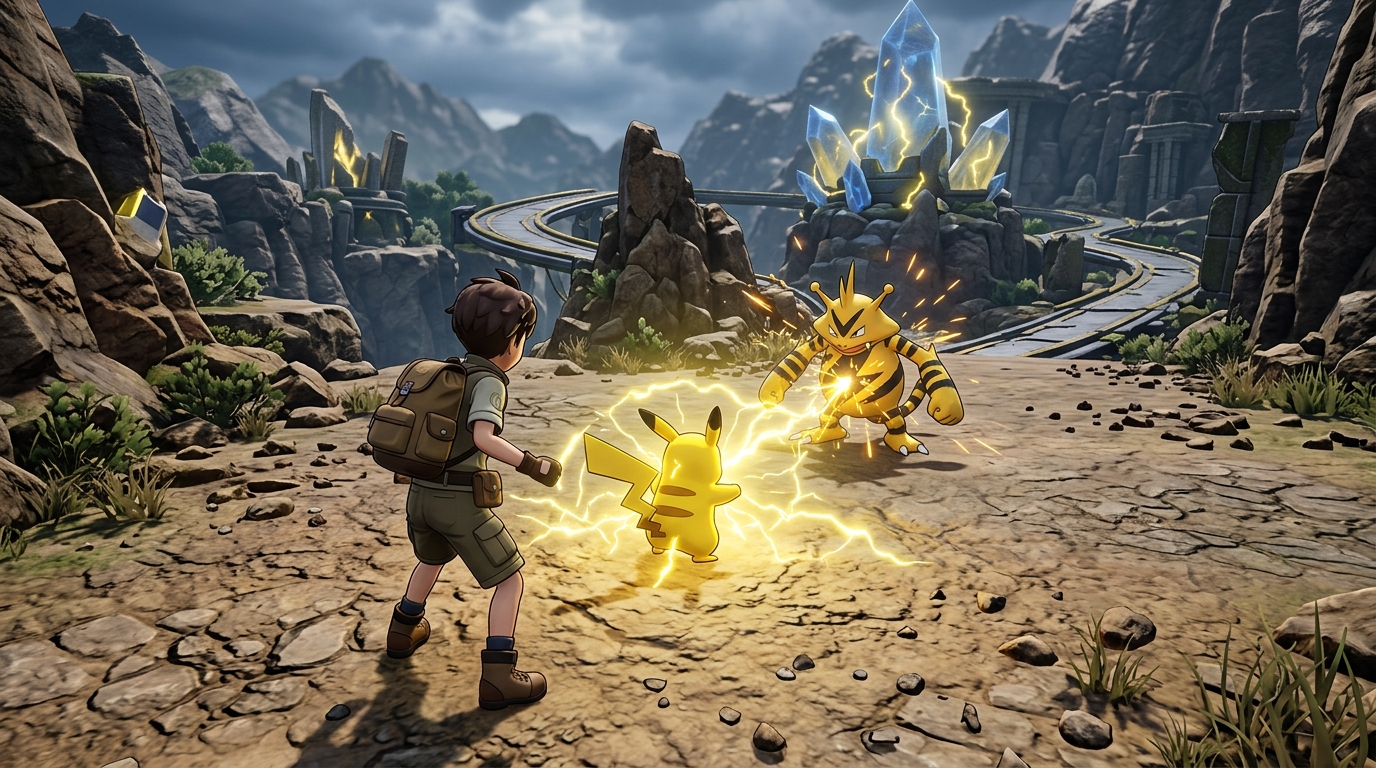
Pokémon Pokopia is one of 2026’s clearest examples of a familiar formula getting a genuinely useful makeover, not merely a fresh coat of digital varnish. Its 89 critic score reflects a strong response to the way it blends creature collecting with creative building, exploration, and a more welcoming pace than the series’ usual grind. I found its accessibility especially refreshing, with systems that are easy to understand without making experienced players feel as if they have been handed a toddler’s controller. The technical upgrades are not flawless, but smoother performance, cleaner visuals, and a more responsive world help Pokopia feel built for Switch Two rather than dragged onto it in a cardboard box.
Other major Switch Two releases make the comparison worthwhile because not every upgrade is equally convincing. Mario Kart World earns its place as a substantial new experience through broader courses, more ambitious environments, and a sense of movement that makes the expanded hardware matter, while Donkey Kong Bananza leans into inventive destruction instead of asking me to admire slightly shinier scenery. I appreciate games that use extra power to change how I play, not just how many individual hairs I can count on a character’s eyebrow. Some releases still feel like the same meal served on a brighter plate, but these stronger examples understand that a new console should bring new possibilities, not just improved garnish.
For anyone scanning 2026 game reviews before spending money, Pokopia is the safer recommendation for players who want creativity, accessibility, and a relaxing loop with enough depth to avoid becoming digital gardening homework. Mario Kart World is the better pick for immediate multiplayer chaos, while Donkey Kong Bananza suits anyone who enjoys turning carefully designed environments into expensive rubble. None of them is perfect, and Switch Two still has plenty of releases that mistake resolution for ambition. Still, this group shows the hardware can support meaningful upgrades when developers stop treating “new generation” as a synonym for “same game, slightly less blurry.”
Final 2026 Verdicts
By the numbers, Forza Horizon 6 is one of 2026’s safest buys, with a 90 critic score and enough polish to make even traffic laws feel optional. Big Walk is the late-summer surprise, earning a 92 and proving that a smaller, stranger adventure can outshine a parade of expensive explosions. Pokémon Pokopia also deserves attention for turning a familiar formula into something more relaxed and creative, especially if I want a game that feels less like homework with boss fights. These are the releases I would recommend without hiding behind the phrase “if you’re into that sort of thing.”
That said, not every promising game needs to be purchased on launch day. Patience remains the cheapest upgrade in gaming. I would wait on titles still receiving performance patches, content updates, or suspiciously urgent apologies from their publishers, particularly when the asking price is doing more heavy lifting than the game. A middling score does not automatically mean a bad time, but clumsy controls, repetitive chores, and technical problems are excellent reasons to let someone else serve as the unpaid quality-assurance department. If a game makes me check the uninstall button more often than the pause menu, it has already delivered its final verdict.
The real 2026 review score is simpler than any number: did I have fun, and would I willingly play it again? A high rating helps narrow the field, but it cannot tell me whether a game earned a permanent place on my drive or merely occupied 100 gigabytes while I waited for dinner. My best buys are the games I keep thinking about after turning them off. My safest recommendations are the ones that respect my time. My wait-list picks have good bones but obvious unfinished business. Everything else can be uninstalled without ceremony, preferably before another enormous update arrives to make the disappointment even larger.
What’s Actually Worth Playing in 2026
2026 game reviews point to a year with plenty worth playing, provided I ignore the marketing fireworks and inspect the actual game underneath. Forza Horizon 6 set a high bar with a 90 aggregate score from 78 critic reviews, while Big Walk arrived later with a 92 from 19 reviews and quickly became one of the year’s biggest critical successes. Pokémon Pokopia and several Switch 2 releases also showed that inventive ideas can matter more than another enormous map stuffed with icons. A shiny launch trailer still cannot fix repetitive missions, rough performance, or a story assembled from spare parts.
My advice is simple: use 2026 game reviews as a filter, not a permission slip. Look for agreement across critics on the things that affect your money and time, including gameplay variety, technical quality, longevity, and whether the game respects your attention instead of treating it like a monthly subscription. A high score does not guarantee a personal favorite, but a detailed review can warn me when a promising release is better left installed in someone else’s storage space. This year has delivered genuine standouts alongside expensive disappointments, so spend carefully, play boldly, and uninstall without guilt when a game starts feeling like unpaid overtime.