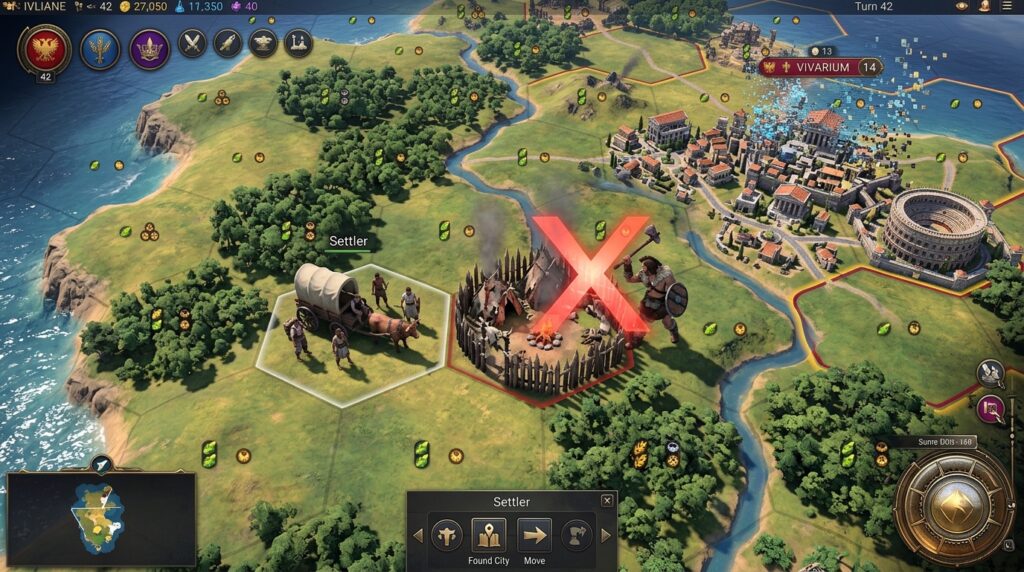
After years of staring at a “Coming Soon” page and praying to the ghost of Montezuma, I finally have my hands on the latest time-sink from the masters of the 4X genre. While the initial launch gave us plenty to chew on, I am already looking at where these massive mechanical overhauls are actually headed. Between Gwendoline Christie judging my poor urban planning and Christopher Tin’s latest banger stuck in my head, I’ve spent enough hours in the Antiquity Age to know exactly what’s broken and what’s brilliant.
The new Ages system is a bold swing that actually respects our time, but switching civilizations mid-game feels like an identity crisis waiting to happen. It is the kind of high-risk design that either makes you feel like a strategic genius or leaves you wondering why your Romans are suddenly obsessed with building horse pastures in the desert. I am cutting through the marketing fluff to see if these post-launch updates are actually fixing the foundation or just rearranging the deck chairs on a very expensive, digital Titanic.
Key Takeaways
- The new Ages system eliminates the mid-game slog by forcing players to adapt their strategy and identity at key historical transitions rather than following a single ‘perfect build’ for thousands of years.
- Replacing static Barbarian camps with dynamic Independent Powers introduces genuine diplomatic depth, turning early-game interactions into a complex chess match with factions that evolve into full civilizations.
- Streamlined late-game mechanics and unit automation are essential to stripping away the tedious micromanagement that traditionally turns the Modern Age into a repetitive chore.
- Switching civilizations mid-game reflects the messy reality of history and serves as a necessary evolution to prevent the franchise from becoming a stale museum piece defined by outdated legacy features.
The Death Of Civilization Switching Controversy
Let’s be honest, the old way of playing a single civilization for six thousand years was starting to feel like a dusty board game from 1995. While the purists are currently throwing a tantrum because their Egyptian pharaohs can now transition into Songhai horsemen, this change is exactly the kick in the teeth the franchise needed. Staying as the same static entity from the Stone Age to the Space Age was never realistic, and frankly, it made the mid-game feel like a repetitive slog. By forcing us to adapt our identity at the start of each new Age, the developers are finally acknowledging that history is a series of messy layers rather than a straight line. It is a bold move that fixed its identity crisis and kills the predictability of the “perfect build” that has plagued the series for decades.
The new Ages system turns the traditional gameplay loop on its head by making your strategy evolve rather than just accumulate. In previous entries, once you secured a lead in the first fifty turns, you could basically put the controller down and cruise to a win without a single creative thought. Now, the transition between Antiquity, Exploration, and the Modern era acts as a much-needed reset button that keeps everyone on their toes. You are no longer just painting the map one color for forty hours, but instead navigating the actual rise and fall of empires. It stops the game from feeling like a spreadsheet simulator and forces you to actually play the hand you are dealt in each era.
If you are one of the people crying about immersion because your leader changed their outfit, you are completely missing the point of a strategy game. The real immersion comes from the challenge of surviving a changing world, not from pretending that a civilization remains a frozen monolith for five millennia. This mechanic is a necessary evolution that trims the fat off legacy features that were only there because that is how we have always done it. It is high time we stopped clinging to outdated mechanics that prioritize nostalgia over actual engagement. This title is finally embracing the chaos of history, and the game is much better off for leaving the old, static model in the trash where it belongs.
Replacing Barbarians With Dynamic Independent Powers
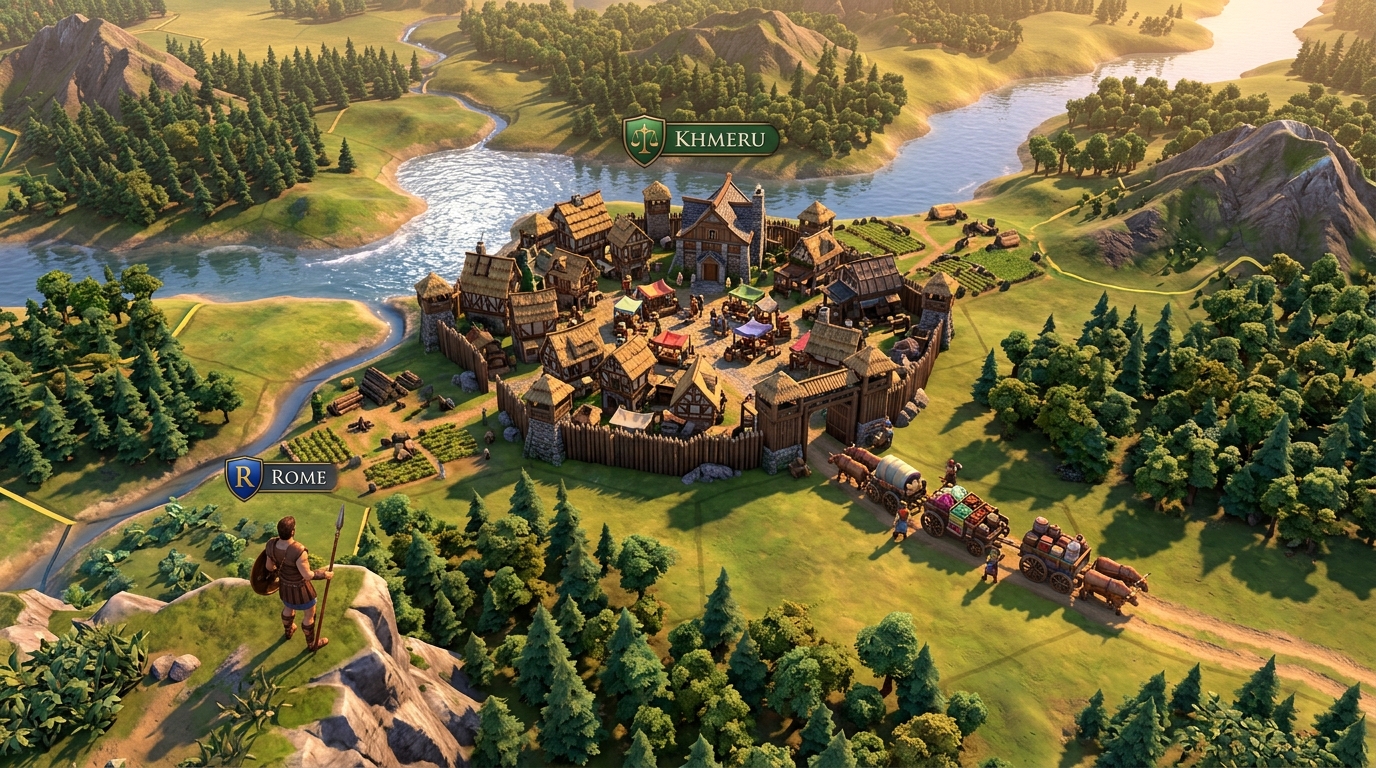
The transition from mindless Barbarian camps to dynamic Independent Powers is easily the smartest mechanical upgrade the series has seen in a decade. For years, we have been stuck in a loop of swatting away endless waves of club-wielding nuisances that existed only to pillage your tiles and annoy your scouts. These camps were never a real threat, just a repetitive chore that felt more like digital pest control than actual empire building. By replacing these static spawns with evolving factions, the early game finally gains a layer of genuine diplomatic and strategic depth. You are no longer just clearing out trash mobs, you are deciding whether to cultivate a future ally or crush a rising rival before they become a problem.
This new system actually respects the player’s time and intelligence by making the world feel inhabited rather than just infested. These Independent Powers can grow, negotiate, and eventually transition into full civilizations as the Ages progress, which adds a much-needed sense of life to the fog of war. It is a massive relief to see the developers move away from the lazy design of infinite unit spawns in favor of something that mirrors actual history. Instead of a predictable whack-a-mole minigame, you now have to weigh the cost of a military campaign against the benefits of trade and influence. It is a blunt realization that the old Barbarian mechanic was a relic of the past that needed to be cut for the franchise to move forward.
The ripple effects of this change will likely redefine how we approach the Antiquity Age and the Exploration Age. Having entities on the map that can actually hold territory and make demands forces you to think three steps ahead rather than just clicking Auto-Explore and hoping for the best. It turns the early game scramble into a complex chess match where your neighbors might actually remember that you tried to burn their village down three centuries ago. This is exactly the kind of innovation that makes a sequel worth playing instead of just being a glorified map pack. If the rest of the overhauls are this impactful, we might finally be done with the era of mindless clicking and ready for some actual strategy.
Stripping The Bloat From Late Game Management
The Modern Age in previous entries was less of a strategic climax and more of a grueling chore where you spent forty minutes moving individual workers to fix a single pillaged tile. We have all been there, staring at a screen filled with hundreds of units, realizing that clicking through every single infantry movement is about as fun as filing taxes. This game needs to take a sledgehammer to this late-game bloat by automating the mundane tasks that kill the pacing. If I have already conquered half the globe, I should be focused on the grand theater of world war, not micromanaging a single builder on a remote island. The new Ages system offers a perfect chance to reset the scale and ensure that the final era feels like a high-stakes thriller rather than a spreadsheet simulator.
The transition into the Modern Age should feel like a streamlined evolution where the game respects your time instead of demanding your soul. By consolidating units or introducing smarter automation for domestic infrastructure, the developers can finally fix the one more turn fatigue that sets in once the map gets crowded. We need systems that prioritize big-picture decisions over the tedious clicking of fifty identical artillery units. If the game cannot find a way to make managing a global empire feel snappy and intuitive, most players will continue their tradition of quitting the moment the industrial smoke starts to rise. It is time to cut the fat and let us actually enjoy the victory screen for once.
Civ 7 Finally Burns the Foundation
This latest entry is the aggressive, scorched-earth renovation this franchise has desperately needed since we first traded square tiles for hexagons. For too long, the series felt like it was just piling more layers of digital clutter onto a foundation that was starting to buckle under its own weight. By introducing the Ages system and allowing us to switch civilizations, the developers are finally admitting that the old one leader for six thousand years model was a bit ridiculous. It is a bold move to tell long-time fans that the core loop they have memorized is being tossed into the incinerator, but it is the only way to keep the game from becoming a stale museum piece. We are finally moving past the era of clicking next turn on autopilot while waiting for a research bar to fill up.
This overhaul is a necessary reality check for a decade that often confuses complexity with actual depth. Cutting legacy features that have lingered since the nineties takes guts, especially when the internet is always ready to riot over the slightest change to their digital comfort food. The shift to a more dynamic, evolving empire means we are actually playing a strategy game again instead of just following a pre-baked build order from a wiki. Gwendoline Christie‘s narration and Christopher Tin’s latest banger provide a classy veneer, but the real star here is the willingness to break the game’s own rules to find something better. If you wanted the same experience you had a decade ago, go play the old versions that are currently gathering dust in your library.
Ultimately, these predictions point toward a title that respects your time by making every era feel like a fresh start rather than a slog toward a foregone conclusion. The inclusion of the Modern age as a distinct, mechanically unique phase should solve the late-game boredom that has plagued every single entry in this series. It is refreshing to see a massive franchise stop playing it safe and start acting like it has something to prove again. Whether you love the idea of switching cultures mid-game or you are still mourning the loss of your favorite legacy exploits, you have to respect the ambition on display. These Civilization 7 gameplay features are not just another incremental update, it is a loud declaration that the old ways of world domination were ready for retirement.
Frequently Asked Questions
1. Is the new ‘Ages’ system actually better than the classic format?
The Ages system is a necessary kick in the teeth for a franchise that was starting to feel like a dusty board game from 1995. It kills the mid-game slog by forcing you to adapt, making history feel like the messy series of layers it actually is rather than a predictable straight line.
2. Why is everyone losing their minds over civilization switching?
Purists are throwing a tantrum because they can’t stay as the same static entity for six thousand years anymore. Switching from Romans to Songhai mid-game might feel like an identity crisis at first, but it finally destroys the perfect build meta that has made the series predictable for decades.
3. Is Gwendoline Christie a good choice for the narrator?
She is fantastic at judging your poor urban planning with the perfect amount of gravitas. Between her performance and Christopher Tin’s latest musical banger, the presentation is the one area where you won’t find me complaining.
4. Does the game feel more realistic with these mechanical overhauls?
Realism is a stretch when your Romans are suddenly obsessed with building horse pastures in the desert, but the flow of time feels more authentic. It respects your time by acknowledging that empires evolve, fall, and merge rather than staying frozen in the Stone Age.
5. Are these post-launch updates actually fixing the game?
I am currently busy figuring out if the post-launch updates are actually fixing the foundation or just rearranging deck chairs on a very expensive digital Titanic. While the bold swings in design are refreshing, plenty of mechanics still feel like high-risk experiments that need serious balancing.
6. Is Civilization 7 worth the time-sink compared to previous entries?
If you are tired of the same old repetitive loops, this is the most innovative the series has been in years. It is a bold, unapologetic overhaul that might alienate the traditionalists, but it is exactly what the franchise needed to stop being boring.
The Civ 7 Leaders and their new attribute trees represent the biggest shake-up for the series yet.