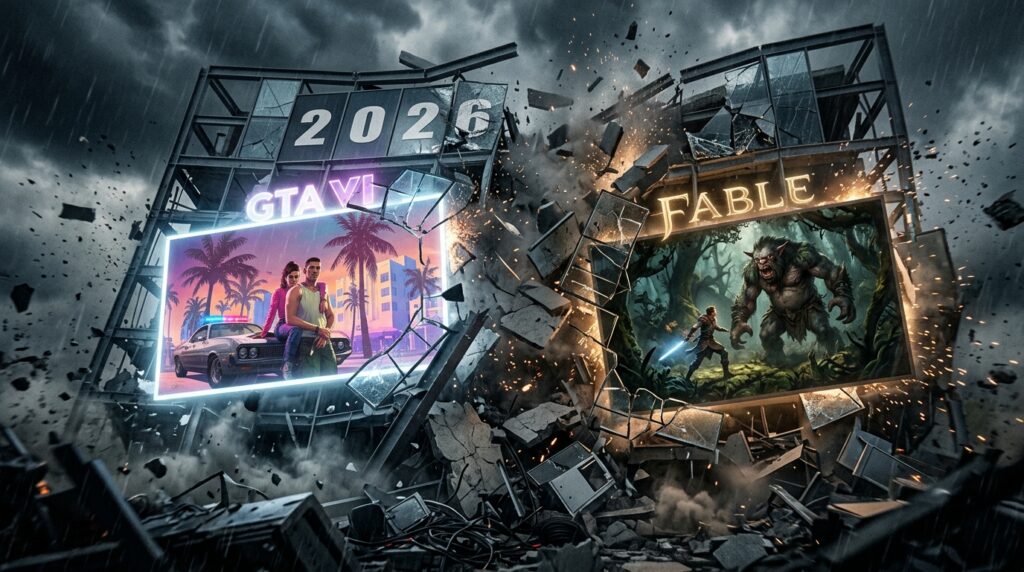
The 2026 game delays have turned the release calendar into a junk drawer with a countdown timer. Games once promised for this year are slipping later, shifting within 2026, or vanishing into the fog of “we’ll announce a date when we feel like it.” GTA VI remains the biggest earthquake, now targeting November 19 after another push for polish, the gaming equivalent of asking for five more minutes and waking up next year. I’m sorting the meaningful delays from the harmless schedule shuffles, so you know what to keep watching and what to stop pretending you’ll play at launch.
The numbers are messy because trackers count everything from major console releases to ports, expansions, and tiny PC projects, but the pattern is obvious: 2026 is crowded, expensive, and apparently allergic to firm deadlines. Some delays may save broken launches. Others are just industry fog machines hiding development trouble. Either way, I’m calling out which postponements could improve the games, and which ones deserve nothing but an uninstall from your expectations.
Key Takeaways
- GTA VI’s move to November 19, 2026, is the defining delay of the year and will force competing publishers to shift release dates or risk being overshadowed.
- Fable’s move to February 2027 and Lords of the Fallen II’s holiday-season exit could improve visibility by giving both games less crowded launch windows.
- The 23 delayed releases tracked over 90 days include ports, expansions, indies, and early-access milestones, so the headline number does not represent 23 major development failures.
- Judge delays by their evidence and impact: extra time that improves performance, stability, and gameplay is worthwhile, while vague explanations without visible progress signal potential development trouble.
GTA VI Delay Reshapes 2026
GTA VI is now scheduled for November 19, 2026, after first slipping from 2025 to May 2026. That makes it the year’s most consequential delay because this is not just another game moving a few months down the calendar. Publishers plan around a release this enormous, then quietly shuffle their own launch windows to avoid being crushed under its gravitational pull. November is prime territory, and GTA VI has effectively planted a “come back later” sign across the rest of the schedule. The 2026 game delays story has found its main character, and naturally, it drives a very expensive car.
The official explanation is familiar: the extra time is needed for polish. I want to believe that means better performance, fewer bugs, smarter mission design, and a city that does not collapse when three pedestrians share a sidewalk. It could also mean corporate fog in a leather jacket, a vague phrase deployed because “we need more time to stop this enormous machine from catching fire” sounds less reassuring. Still, a game this ambitious benefits from patience more than a yearly sports update ever will. If the delay produces a smoother, denser, more coherent experience, November 19 will feel like a correction rather than a defeat.
The real damage lands on the wider 2026 calendar, where smaller releases now have to decide whether to launch before the behemoth arrives or hide until the noise dies down. Some will move earlier, some will slip into 2027, and a few will bravely release during GTA VI week before discovering that marketing budgets cannot defeat cultural weather. That is the bullying power of a blockbuster with a decade of anticipation behind it. I would rather see the publisher take the time than ship a half-finished empire, but “more polish” only earns trust when players can see the polish on launch day. Until then, this delay is sensible, irritating, and suspiciously well dressed.
Fable Joins Major 2026 Exits
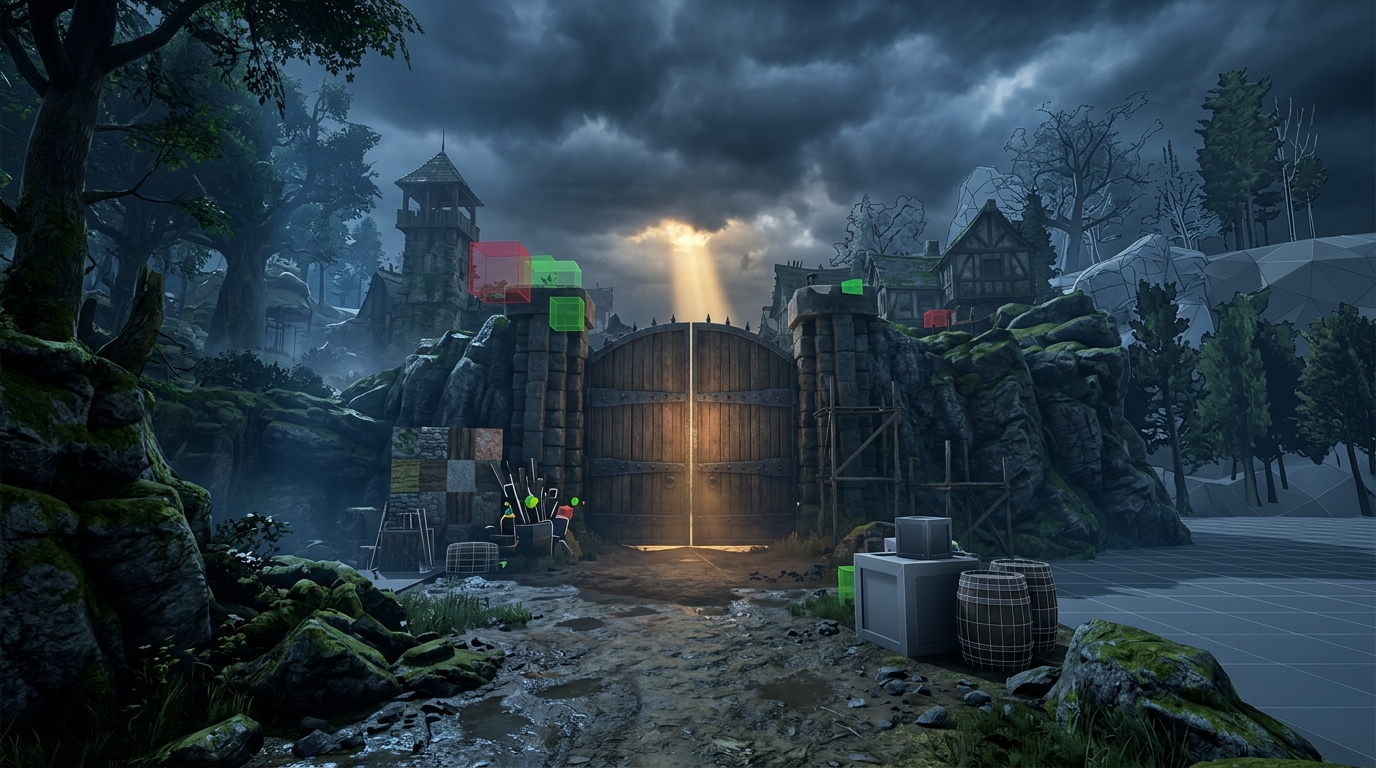
Fable has officially joined the growing list of 2026 game delays, moving from fall 2026 to February 2027. The stated reason is strategic rather than alarming: its publisher wants to give the revival a release window of its own instead of tossing it into the holiday-season blender. That is sensible, especially for a major RPG that needs more than three seconds of marketing oxygen before the next expensive spectacle stomps on it. Still, “more room to breathe” is polished corporate language, so I will believe the extra time matters when the launch arrives stable, focused, and free of the usual day-one plumbing emergencies.
The 2026 schedule has also lost Lords of the Fallen II, which has been pushed out to avoid the crowded holiday period. That explanation is refreshingly clear because holiday release calendars are less a battlefield than a wood chipper with a marketing budget. No Rest for the Wicked and Ontos have likewise left the 2026 lineup, although the public explanations around those moves provide less useful detail. In other words, some delays come with a sensible scheduling argument, while others arrive wrapped in the industry’s favorite accessory: vague development language.
Taken together, these exits make 2026 look less like a guaranteed gaming feast and more like a restaurant that keeps moving your reservation. Fable’s February 2027 date could benefit from the breathing room, and Lords of the Fallen II may gain visibility by dodging the holiday stampede. The harder question is whether No Rest for the Wicked and Ontos are receiving meaningful development time or simply being quietly escorted away from an inconvenient quarter. I would rather see a delayed game arrive polished than watch another publisher ship a technical disaster and call the emergency repairs “post-launch support.”
2026 Delay Excuses Under The Microscope
The phrase “2026 game delays” covers everything from a genuine rescue mission to a harmless date shuffle dressed up in dramatic language. A game moving from February to April may simply be avoiding a crowded launch window, while a game slipping from 2025 to late 2026 suggests the wheels came off somewhere behind the curtain. I look for the size of the jump, the game’s previous history, and whether the publisher explains what is actually changing. “Additional development time” means very little on its own because apparently “we need to fix the game” is too honest for a press release.
GTA VI remains the biggest example, moving from May 2026 to November 19, 2026, with polish given as the reason. That could mean final bug fixing and performance work, which would be sensible for a game carrying this much hype, or it could mean the build still has problems large enough to make launch day look like a public stress test. The important clue is not the word “polish,” but the scale of the delay and the game’s history of moving dates. When a blockbuster shifts by months after already slipping once, I assume the extra time matters until proven otherwise.
A useful rule is to judge the evidence, not the vocabulary. “Quality bar” is encouraging when paired with footage, technical improvements, or a clear new release window, but it becomes marketing fog when nobody can explain what was improved. “Polish” should mean better performance, fewer bugs, smarter systems, and a launch that does not require customers to moonlight as unpaid testers. With 23 delayed releases tracked during the previous 90 days, including ports, expansions, small PC games, and major console titles, the headline number needs context. Some delays are smart scheduling, some are corporate spin, and some are the game quietly waving a flare for help.
The New 2026 Release Calendar
The 2026 release calendar is already looking less like a schedule and more like a shopping trolley with one broken wheel. The wider tracker recorded 23 delayed releases in the previous 90 days, alongside six games moved earlier and 28 newly dated titles. That total covers everything from major console releases and ports to expansions and early-access milestones, so it is not a pure AAA panic meter. Still, the message is obvious: publishers are rearranging the furniture while insisting the house is perfectly fine.
GTA VI remains the year’s biggest calendar-shaker after moving to November 19, 2026, following its earlier jump from 2025 to May. The official explanation was extra polish, which can mean meaningful refinement or the industry’s preferred way of saying, “Please stop asking when it is done.” I am willing to believe more time can help, especially for a game carrying this much expectation, but vague development language deserves scrutiny rather than automatic applause. If the delay improves stability, pacing, and the parts players actually touch, it matters. If it only produces a shinier trailer, congratulations to everyone involved in polishing the doorknob.
That late-year gravity could create a brutal pile-up, while the months left behind may become suspiciously quiet. A crowded launch window is bad for players with limited time and worse for smaller games trying to survive without a billion-dollar marketing cannon. The upside is that quieter stretches can give smart indies, unusual ports, and well-timed expansions room to breathe instead of being flattened under the latest prestige release. I will be watching the gaps as closely as the headline dates because 2026’s best surprise may come from the game that benefits when the giants get stuck in traffic.
Why 2026’s Delays Aren’t All Disasters
The 2026 game delays are numerous, but not all deserve the same level of outrage. The clearest current tracker counts 23 delayed releases in the past 90 days, though that figure includes indie games, ports, expansions, early-access milestones, and major console releases, so it is not a neat tally of blockbuster disasters. The most important delay is GTA VI, which moved from May 2026 to November 19, 2026, after already slipping from 2025. Six months sounds manageable until you remember that one giant release can rearrange the entire calendar like a toddler flipping a board game.
GTA VI has the greatest calendar impact because publishers would rather move their own games than launch them directly into its shadow. November now looks less like a release window and more like a controlled evacuation zone, with smaller titles and rival blockbusters likely seeking safer dates around it. That delay also feels justified, at least on paper, because an enormous open-world game benefits from extra time to fix bugs, improve performance, and remove the usual launch-day nonsense we are somehow expected to call “live service.” If the final game arrives polished instead of held together by patches and prayer, the wait will have earned its keep.
The suspicious delays are the ones wrapped in foggy phrases such as “additional development time” without a clear problem, target, or meaningful update. Some postponements are sensible production decisions, especially when developers need to stabilize performance or finish a game without sacrificing its core design. Others feel like publishers bought another year to hide weak combat, thin content, or a project that never had a convincing plan in the first place. My verdict is simple: accept delays that protect quality, question delays that protect marketing, and treat every vague announcement as guilty until the gameplay proves otherwise.