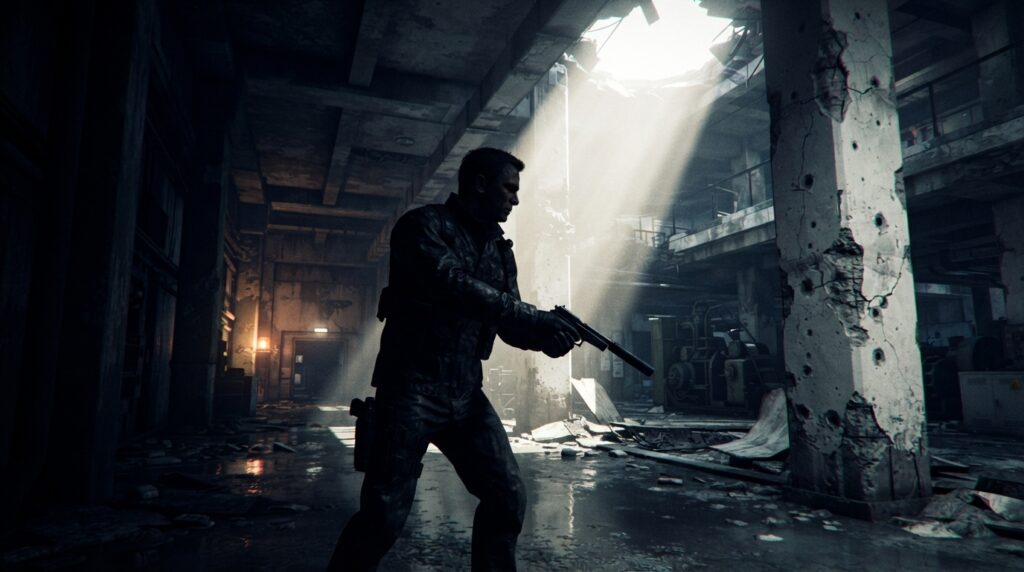
Our 007 First Light review finds a compelling cinematic Bond adventure, held back by uneven pacing and stealth that’s more limited than Hitman. IO Interactive’s single-player origin story follows 26-year-old James Bond from Royal Navy air crewman to MI6 recruit, giving the familiar spy a fresh start without pretending a tuxedo can fix every design choice. The PS5, Xbox Series X|S, and PC versions launched on May 27, 2026, and the U.S. Standard Edition is listed at $69.99. That’s a serious ticket price for an adventure whose best ideas don’t always come with equally polished execution.
The appeal is clear: cinematic action, useful gadgets, and encounters that let Bond do more than point a gun and wait for the dramatic music. Shooting, melee, and the License to Kill mechanic give combat its own Bond-flavored rhythm. But stealth is more guided than Hitman’s sprawling sandbox, and the story can drag when it should be tightening its grip. The result is stylish and often entertaining, but not an untouchable triumph. Metacritic’s 87/100 critic score is a useful snapshot, not a verdict carved into a golden gun. Scores shift, and they can’t tell you whether this particular mix of spycraft and set pieces suits you. Metacritic’s current listing is one data point. The game still has to earn its license the old-fashioned way: by making its action, stealth, and story work.
Key Takeaways
- 007 First Light is worth playing for Bond fans who want cinematic action and useful gadgets, but at $69.99, uneven pacing and constrained stealth make the Standard Edition a recommendation, not a no-brainer.
- 007 First Light offers alternate routes and tactics, but its guided stealth encounters lack Hitman’s wide-open sandbox freedom, so come for Bond spectacle rather than endless improvisation.
- 007 First Light’s shooting, melee, gadgets, and License to Kill mechanic add variety to combat, though clumsy handling and story stretches keep the tuxedo from hiding every rough edge.
- IO Interactive’s free Update 1.3.0, released October 1, 2026, adds New Game+, 00 difficulty, Photo Mode, more TacSim content, Extended Operations DLC, and over 700 fixes, while the Switch 2 version remains delayed until March 2027.
Is 007 First Light Worth Playing?
Yes, 007 First Light is worth playing for Bond fans and action-adventure players who want cinematic set pieces, useful gadgets, and a stylish spy story. Its uneven pacing and limited stealth make it a qualified recommendation, not an automatic one. The tuxedo looks sharp; the game underneath doesn’t always keep pace. IO Interactive’s original young-Bond adventure launched on PlayStation 5, Xbox Series X|S, and PC on May 27, 2026. It’s best suited to players after a focused, single-player Bond experience, not a sprawling stealth sandbox or a multiplayer game. There is no multiplayer here, so players looking for a shared spy operation will need another appointment with MI6. The balance is the deciding factor. Cinematic action and gadgets give Bond more to do than trade shots with whoever has the worst cover. Stealth adds variety, but it is more constrained than Hitman’s, and uneven pacing can blunt the impact of both story and action. Players who value atmosphere and spectacle over the freedom to plan every encounter are more likely to enjoy the ride. Hitman fans expecting that same open-ended sandbox may find Bond’s spycraft a little too tightly supervised. We don’t give a famous license a free pass. James Bond’s name can dress up an average game, but it can’t make uneven gameplay disappear. 007 First Light earns its strongest praise when its action, gadgets, and Bond atmosphere work together. When pacing falters or stealth feels restricted, franchise polish is no substitute for better design. As of October 2026, Metacritic’s 87 critic score reflects 94 reviews. That number is a changing snapshot, not a permanent verdict or a cheat code for deciding whether the game suits you. An aggregate can show how critics have responded so far, but it can’t tell you whether cinematic action matters more to you than Hitman-style freedom. For players happy with a single-player adventure that favors spectacle and gadgets over a fully open stealth sandbox, 007 First Light has plenty of Bond appeal. For anyone who needs every system to be consistently sharp, the rough edges are hard to ignore.
How Does Bond’s Toolkit Work?
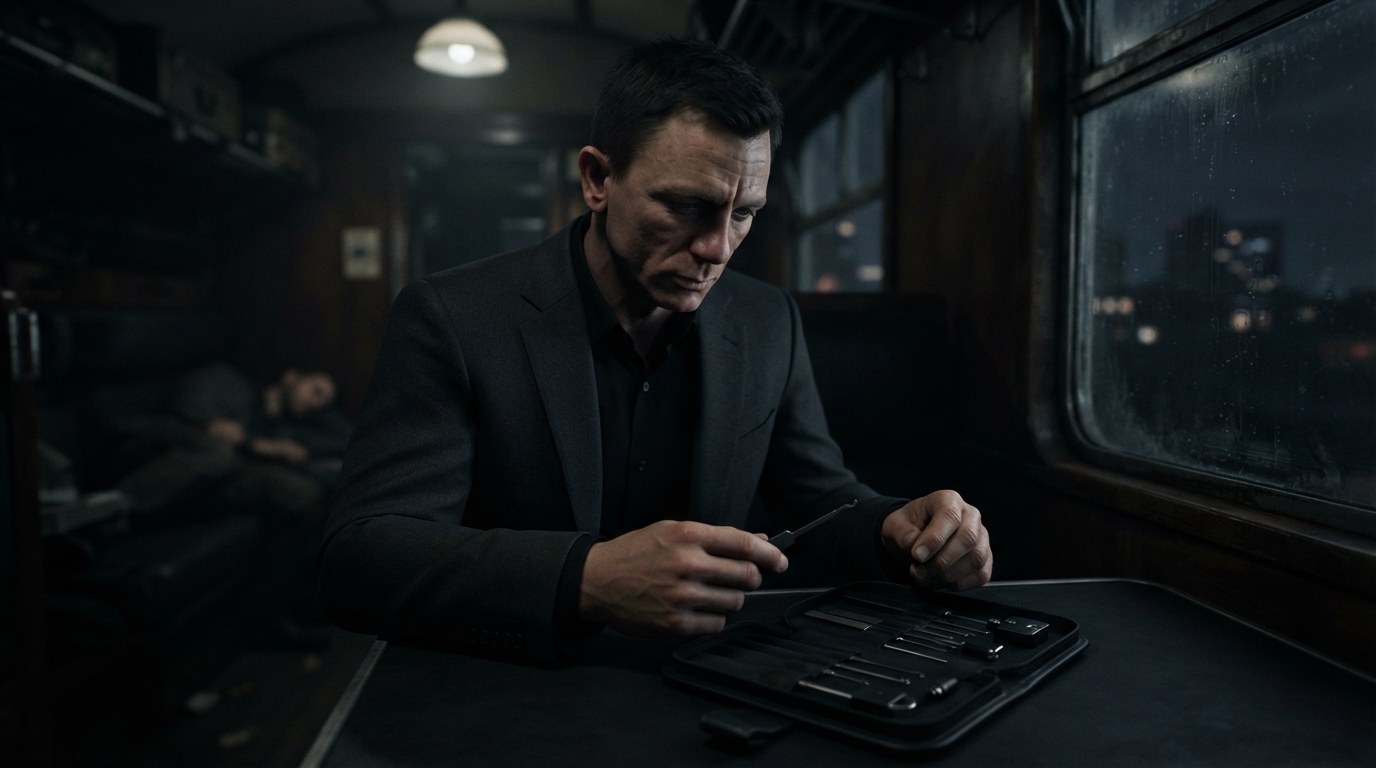
Bond’s toolkit lets players shift between ranged shooting, melee, gadgets, and the License to Kill escalation mechanic. Encounters can move from quiet improvisation to full-blown action. IO Interactive says License to Kill becomes available when enemies use lethal force. That condition gives a firefight a distinct Bond-shaped hinge: the game marks a change in stakes instead of treating every room like an excuse to empty a magazine.
Shooting is the blunt instrument, but it’s not the only one on the table. Melee and gadgets give players other ways to handle pressure, while tactical choices can create openings or support a more direct approach. The fun comes from deciding how to use those options as an encounter unfolds, not from pretending Bond wandered into a military shooter and misplaced the rest of his personality.
Gadgets help sell the fantasy because Bond is supposed to solve problems with more than ammunition and a stern expression. They add useful choices to the cinematic action, making encounters feel like spycraft rather than a parade of targets waiting to be shot. But the controls and combat don’t always make those choices feel smooth. The gameplay can be clumsy or uneven, which is less “licensed to kill” and more “licensed to fumble the dramatic entrance.”
The tools change how encounters play, but not every option transforms the underlying design. A gadget or alternate tactic can make a different approach worthwhile; once the room turns loud, a gunfight is still a gunfight. The toolkit is strongest when players can use its pieces together, choosing their pace and approach instead of cycling through a checklist of stylish moves. At weaker moments, the variety feels like Bond-flavored presentation layered over familiar action.
Alternative routes help keep encounters from becoming one-and-done set pieces. Game Informer’s review praised the range of tactics and routes for replayability, and gave the game an 8.75. That’s a useful distinction: replayable encounters invite players to try another route or tactic, but they don’t automatically make the whole game a wide-open stealth sandbox. 007 First Light gives players room to approach situations differently without offering Hitman’s level of free-form planning. Bond gets options; he doesn’t get the keys to every room and a blank mission brief.
TacSim is a separate tactical simulation mode, not simply another name for the campaign’s encounters. Game Informer also highlighted it as a reason to return, giving players another way to engage with the game’s tactical side. The distinction matters: route choices add replay value within the campaign’s cinematic structure, while TacSim stands apart as its own mode. Neither should be mistaken for an endlessly open stealth playground.
That balance is why the toolkit mostly works. Shooting, melee, gadgets, and License to Kill give action scenes more texture than “aim, fire, repeat,” and the lethal-force condition ties escalation to enemy behavior. The options aren’t equally smooth, and sometimes the game’s stylish intentions outrun its handling. Still, Bond feels more convincing when players can adapt to a situation than when the tuxedo is merely decorative.
Is Its Stealth Like Hitman?
Not quite. 007 First Light shares Hitman’s appeal of studying a space, using gadgets, and choosing how to approach an objective, but its stealth sandbox is more constrained. Both games reward players for looking before acting instead of treating every problem as a shooting gallery. The difference is how much room each gives you to make a plan, change it, and follow your curiosity. Hitman builds its identity around wide, reactive sandboxes where experimentation is the main event. 007 First Light offers alternative tactics and routes, but its encounters sit inside a more tightly directed Bond adventure. Players can look for a quieter path or use gadgets to shape their approach, yet the game is less interested in turning every situation into a sprawling puzzle with a dozen self-invented solutions. Bond has options; he doesn’t have Hitman’s entire toy box. That tighter structure suits the series when the game pivots into cinematic action. Bond stories thrive on momentum: an infiltration can turn into a chase or a fight before the scene has time to collect dust. A guided encounter can keep that transition sharp and make players feel part of a spy thriller, rather than freelance stage managers rearranging the furniture. But the trade-off is real. Players who want to test every possible route, gadget combination, or improvised plan may hit the edges of the design sooner than they would in Hitman. Constrained encounters also put a ceiling on replay value. A different route or tactic can make a return visit worthwhile, but small pockets of choice aren’t the same as a sandbox built for repeated experiments. The appeal is more “What other approach works here?” than “What happens if I turn this whole mission inside out?” That distinction matters for Hitman fans who see a mission’s systems as the main attraction, not just a path to the next dramatic scene. TechRadar praised 007 First Light’s cinematic action, gadgets, and Hitman-like sandbox play, while listing restrictive driving and bugs among its drawbacks in TechRadar’s PS5 Pro review. That comparison works as a description of shared ingredients, not a promise of equal freedom. The gadgets and tactical choices are there, but Bond’s adventure keeps a firmer hand on the steering wheel. Sometimes literally, and TechRadar wasn’t impressed with the driving. Our recommendation is simple: play 007 First Light for Bond spectacle, stylish gadgets, and stealth encounters with room for a few tactical decisions. Play Hitman when deep, repeatable stealth experimentation is the point. Hitman players should expect a guided spy adventure with sandbox-flavored moments, not Hitman wearing a tuxedo.
A Young Bond With Something To Prove
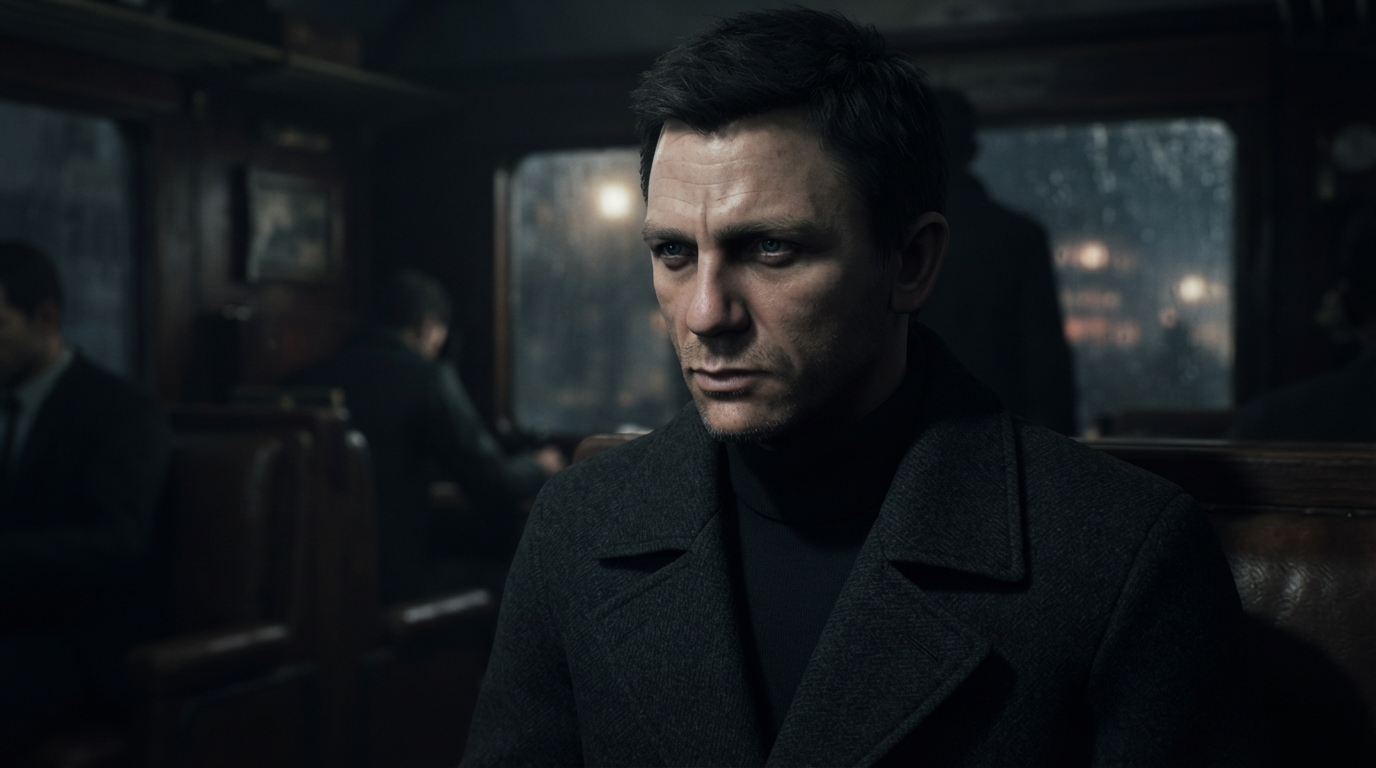
At 26, James Bond isn’t yet the polished MI6 icon who can order a martini and make a room nervous. 007 First Light starts with a Royal Navy air crewman recruited into MI6, making his entry into espionage the story’s central hook. That gives IO Interactive room to show Bond before the legend is fully assembled, rather than reheating another adventure starring a man who already has every trick and a perfectly pressed dinner jacket.
The origin setup makes an inviting entry point for newcomers. Players don’t need a map of Bond’s past to understand the basic appeal: a young serviceman is pulled into intelligence work and has to prove he belongs. For longtime fans, the fresh angle is less about discovering that Bond can be resourceful and more about seeing him at a stage when his reputation is still taking shape. The premise earns its place by shifting the question from “Can Bond save the day?” to “What makes this recruit into Bond?”
That foundation works best when the story lets ambition and inexperience share the screen. A younger Bond should feel capable without seeming like the finished product, and recruitment gives the narrative a natural reason to test him. But an origin story isn’t automatically character development. If a scene keeps circling the same point, more backstory starts to feel less like insight and more like MI6 has scheduled the debrief for three consecutive afternoons.
PC Gamer called the Bond narrative well done, while also finding parts drawn-out and repetitive in its review. That fits the central tension: the story has a solid character premise, but not every beat makes it feel deeper. Repetition can underline a young agent’s struggle to earn trust. Too much of it can make that struggle feel like it’s waiting for the plot to catch up.
The Bond atmosphere is a separate strength. MI6, gadgets, cinematic action, and the sense of a spy operation give 007 First Light a recognizable identity without relying only on the name above the title. The tone helps sell the fantasy of becoming a secret agent, and the younger-Bond premise gives familiar franchise trappings a new context. A gadget is more satisfying when it belongs to a recruit learning the trade than when it’s simply another item on a famous checklist.
But atmosphere can’t do the pacing’s job. A sharp suit, tense spy-movie framing, and a familiar MI6 backdrop can make a scene feel like Bond; they can’t make a repeated story beat move faster. The character work needs room to establish this version of James Bond, but not so much room that the narrative forgets to go anywhere. When the origin story focuses on a recruit finding his footing, it gives the franchise a useful new perspective. When it stretches a point past its welcome, even the most Bond-shaped surroundings start to feel like an elaborate waiting room.
What Changed After Launch?
IO Interactive’s October 1, 2026 Update 1.3.0 brings a meaningful batch of free additions to 007 First Light, including Extended Operations DLC, New Game+, Photo Mode, a new 00 difficulty, more TacSim content, and more than 700 fixes and improvements. That’s a substantial post-launch package, not a magic wand licensed to erase every rough edge. New Game+ is the clearest reason for players who’ve finished the campaign to consider another run. It offers a fresh pass through Bond’s story, while the added 00 difficulty gives returning players a tougher setting to test their familiarity with the encounters. Neither feature changes the campaign’s basic structure, and neither guarantees that stealth will suddenly become as open-ended as Hitman. They do, however, give the game more room to reward players who want another go. The extra TacSim content also builds on a mode that already gave players a separate place to engage with the game’s tactical side. Photo Mode is a welcome bonus for a game that leans hard on cinematic presentation. Bond has never been shy about posing dramatically near expensive scenery, and now players can preserve the evidence. More than 700 fixes and improvements sounds impressive, but a big number doesn’t prove that every bug or awkward system is gone. TechRadar reported bugs and restrictive driving in its review, alongside praise for the cinematic action and gadgets. The update’s broad improvements may help polish the experience, but the available information doesn’t establish that every issue TechRadar noted has been fixed. “Hundreds of improvements” is encouraging; “flawless now” would be wishful thinking in a tuxedo. That distinction matters because the game’s roughness wasn’t limited to a missing menu option. Uneven pacing and constrained stealth are design concerns, not problems a long patch list automatically rewrites. New Game+ and 00 difficulty make a return trip more appealing, but they don’t promise new routes through every encounter or a rebuilt sandbox. The update adds reasons to revisit Bond’s adventure, not proof that its launch-era weaknesses have vanished. The Nintendo Switch 2 version is a separate wrinkle. IO Interactive delayed the port from its planned summer 2026 window to March 2027 to allow more time to polish performance, according to Gematsu’s report on the delay. The game is currently available on PlayStation 5, Xbox Series X|S, and PC; Switch 2 players are waiting until March 2027. That delay is a stated effort to give the Switch 2 version more polish, not a guarantee about how it will run. TechRadar’s performance-related review evidence concerns its PS5 Pro version, where it reported bugs and criticized restrictive driving. It would be a mistake to treat that as a Switch 2 test or invent results for a version that hasn’t arrived. For now, the honest snapshot is straightforward: the existing release has received a sizable free update, while the Switch 2 edition remains delayed.
Who Should Pay $69.99?
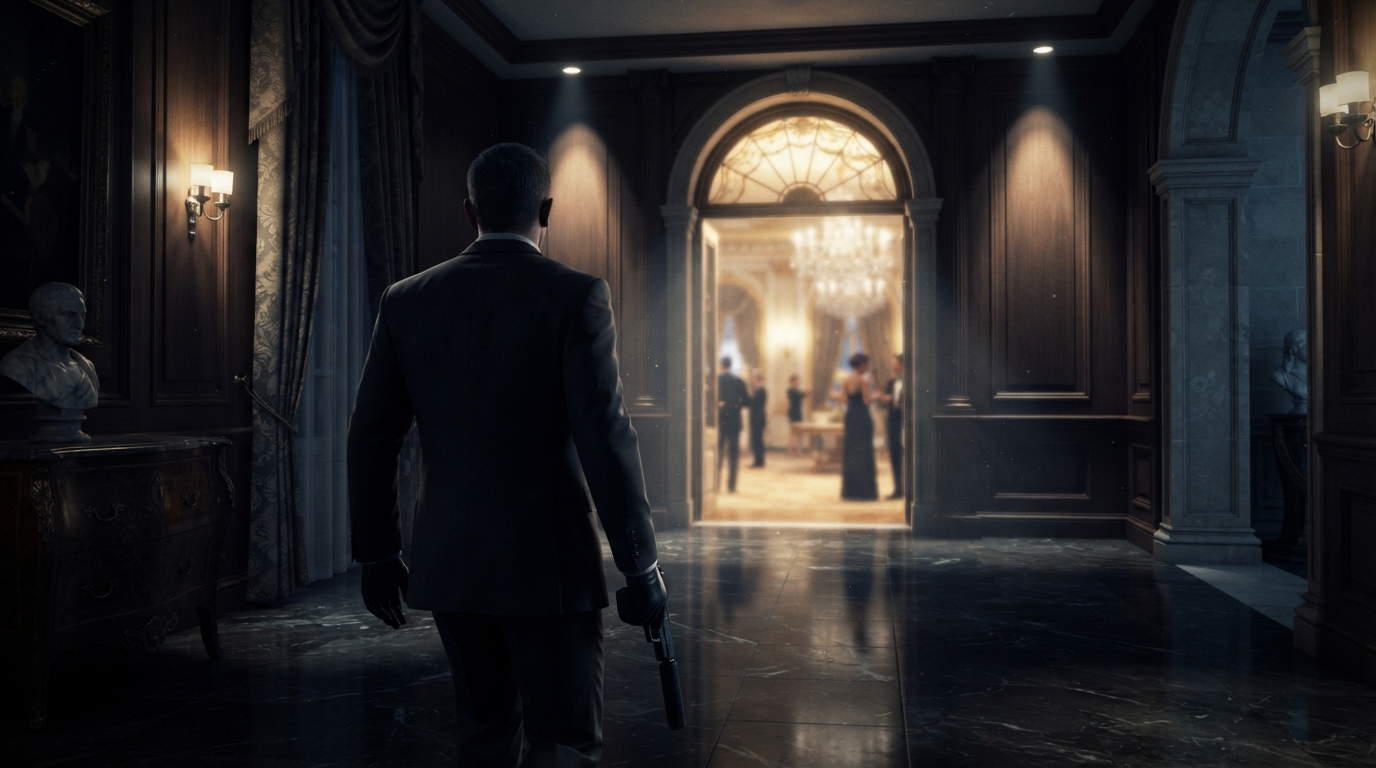
Bond fans who want a cinematic solo adventure, a strong spy atmosphere, and action built around gadgets will get the clearest value from 007 First Light at its $69.99 U.S. Standard Edition price. The game is available on PlayStation 5, Xbox Series X|S, and PC. IO Interactive says there’s no multiplayer experience, so the price buys a single-player campaign and its replay options, not a second life as an online secret agent. The campaign’s appeal is its Bond flavor: tense spy scenes, gadget-assisted encounters, and action that can move from stealth to a firefight. The trade-off is that the stealth spaces offer less freedom than Hitman’s, and the pacing doesn’t stay sharp from start to finish. If cinematic momentum matters more than inventing a dozen ways to dismantle each encounter, the asking price is easier to defend. If broad, repeatable stealth systems are the main attraction, Bond’s more guided route may feel expensive. The replay package gives the solo campaign more legs. New Game+ lets players return to the story, while the new 00 difficulty adds a tougher setting. Updated TacSim content provides another tactical outlet. Game Informer also highlighted TacSim as a separate mode and praised the campaign’s alternate routes and tactics for adding replay value in its review. Those options make a second visit more appealing, but they don’t turn the campaign into Hitman’s open-ended stealth sandbox. A new difficulty setting can’t teach a tightly directed mission to become a sprawling playground. The Collector’s Edition is listed at $199.99, a steep jump over the Standard Edition for anyone mainly weighing the game itself. The ESRB rates 007 First Light T for Teen. Nintendo Switch 2 isn’t among the currently available versions; IO Interactive delayed that release to March 2027 to allow more time to polish performance. Paying now means choosing among PS5, Xbox Series X|S, and PC, rather than waiting for the Switch 2 version. We’d be most comfortable recommending the Standard Edition to players who want Bond atmosphere and cinematic action and can live with uneven pacing and constrained stealth. Players mainly shopping for a deep stealth sandbox or a consistently polished ride from opening scene to final act should be more cautious. At $69.99, the tuxedo is part of the appeal; it’s not a refund policy.
The Verdict On 007 First Light
Our verdict: 007 First Light is worth playing, but it hasn’t earned a blind, full-price recommendation for every spy in the room. If Bond’s gadgets and cinematic missions are your draw, choose the version you already play on and expect a directed action adventure, not Hitman in a tuxedo.
Already finished the campaign? Start New Game+ on 00 difficulty, then use the added TacSim content to see whether the tactical side has more pull on a second visit. Photo Mode is there for anyone who thinks Bond’s most important mission is finding the correct dramatic angle.
Still undecided? Read PC Gamer’s review alongside ours if story pacing and clumsy gameplay are deal-breakers. If you’re weighing the Switch 2 version, wait for its March 2027 release instead of treating impressions from other platforms as a performance verdict.
We’d play it for the Bond atmosphere and gadgets, not because the license guarantees a flawless ride. If that trade sounds good, 007 First Light has earned a place on your shortlist. If you want stealth systems to be the main event, keep your money holstered for now.