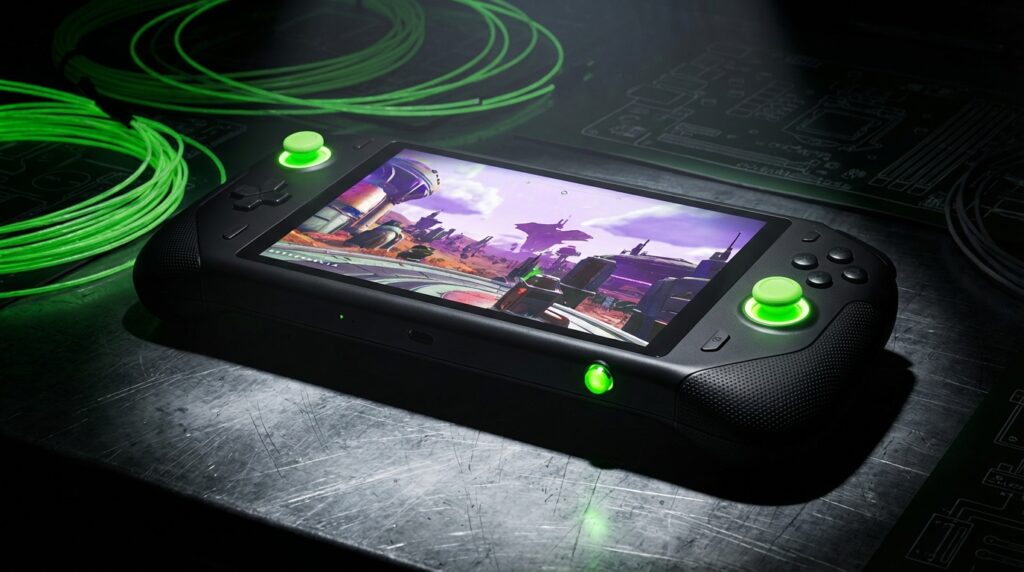
For years, Microsoft treated portable gaming like a suspicious stain on the living room carpet, hoping it would disappear if ignored long enough. Well, the latest Xbox handheld leaks prove they finally caved to a market that refuses to stay tethered to a television. Instead of slapping a green X on a cheap phone mount and calling it a day, the suits in Redmond are cooking up a two-pronged attack to drain our wallets on the go. It is a classic case of arriving late to the party but throwing enough money at the problem to make everyone forget they missed the appetizers.
According to the rumor mill, this grand strategy kicks off in late 2025 with a heavily branded collaboration built by a third-party hardware partner. It acts as an immediate, $500 band-aid for their portable drought. Meanwhile, the real prize, a dedicated, purebred first-party console, is quietly gestating in long-term development to presumably launch before we all die of old age. They are throwing an expensive stopgap at us just to test the waters. Honestly, if it actually runs my library without melting through my palms, I might be desperate enough to buy it.
Key Takeaways
- Microsoft is executing a two-pronged portable gaming strategy, starting with a $500 third-party outsourced handheld in late 2025 while a dedicated first-party console remains in long-term development.
- The upcoming $499 standard model features capable specs but suffers from inadequate 512GB storage and lacks a unique hardware identity, making it a poor investment for current portable PC owners.
- The success of this new handheld ecosystem relies entirely on a custom Xbox dashboard that can successfully hide the clunky Windows 11 desktop behind a seamless, controller-friendly interface.
- Gamers should keep their wallets closed and ignore the current marketing hype until Microsoft proves this hardware can deliver a flawless portable experience.
The Outsourced Xbox Compromise
Microsoft finally decided to grace the portable market with its presence, but their grand strategy feels like a hastily assembled group project. According to recent Xbox handheld leaks, the immediate answer to the portable PC craze arrives in October 2025 as an outsourced, co-branded device. Instead of engineering a bespoke console from the ground up, Microsoft simply walked over to a third-party manufacturer and slapped a fresh coat of green paint on an existing machine. I find it absolutely hilarious that an industry giant relies on rebranded hardware to fight its battles. You have an entire hardware division at your disposal, yet your big move is the gaming equivalent of copying homework and changing the font.
The rumored specs for this collaborative handheld are decent enough, but they hardly justify blind brand loyalty. For an estimated $499, the standard model reportedly packs a next-generation mobile processor alongside 16GB of RAM and 512GB of storage. Pre-orders supposedly open in August 2025, giving you plenty of time to ask yourself if you really need another Windows-based portable. I look at these numbers and see a perfectly capable machine that completely lacks any unique hardware identity. If you already own a recent portable gaming PC, buying this just for a glowing green logo is a monumental waste of money.
This outsourced compromise actually makes sense when you look at the broader roadmap. Word on the street is that a true first-party dedicated handheld is currently in long-term development for a much later release. They are essentially using this third-party partnership as a paid beta test to see if their player base actually wants to leave the couch. I respect the cold business logic, but I refuse to applaud a lazy stopgap. You are much better off waiting for their actual in-house console to drop rather than throwing cash at an early experiment. Until they prove they can build a portable ecosystem from scratch, my wallet stays firmly closed.
Pricing Out The Premium Specs
I need to look at the leaked $499 standard model of this rumored outsourced handheld to see if it actually justifies the price tag. For five hundred bucks, you reportedly get a basic next-generation mobile processor alongside 16GB of RAM and a truly pathetic 512GB of storage. That storage size is a massive joke when modern releases routinely demand well over a hundred gigabytes just to install the base files. You will spend more time managing your digital library than actually playing anything on your commute. The processor might handle older titles perfectly fine, but do not expect it to run the latest massive releases without turning into a blurry slideshow. Microsoft and their hardware partner are clearly trying to hit an attractive budget price point, but they are sacrificing the actual gaming experience to get there.
The $799 premium model is where the real highway robbery happens. You are supposedly paying a massive premium for a much-hyped flagship mobile chip and a beefy 80Wh battery. I will gladly admit that an 80Wh battery is a fantastic upgrade. It might actually let you finish a gaming session without desperately hugging a wall outlet. However, slapping a trendy AI label on a mobile processor does not magically make it worth an extra three hundred dollars. You are still dealing with the strict thermal limits of a plastic handheld device, meaning that shiny premium chip will eventually throttle itself to prevent a meltdown. Unless you simply despise having money in your bank account, dropping eight hundred bucks on an outsourced portable Xbox machine feels like an absurd gamble.
These Xbox handheld leaks ultimately paint a picture of a product line desperately trying to please everyone. The cheap model cuts far too many corners, while the premium tier demands top-tier pricing for what will likely be marginal performance gains. I absolutely cannot recommend buying into this corporate hype until we see how these machines handle real gameplay in the wild. Leaked specs always look incredibly impressive on a marketing spreadsheet, but they mean absolutely nothing if the final hardware stutters through menus. Keep your wallet firmly closed until this hardware proves it deserves a spot in your backpack.
Windows 11 Disguised As An Xbox
The juiciest part of the current Xbox handheld leaks centers around a custom gaming interface that supposedly boots directly into an Xbox dashboard. Microsoft is apparently trying to disguise Windows 11 so completely that you forget you are holding a tiny desktop PC. Anyone who has tried navigating a standard Windows desktop on a seven-inch touch screen knows it is a miserable experience that makes you want to throw the device at a brick wall. If this rumored gaming-optimized UI actually works, it could solve the biggest problem plaguing portable PC gaming right now. We just have to hope they bury the native operating system deep enough that a random system update does not suddenly minimize your game to show a tiny notification toolbar.
Recent reports suggest a two-pronged attack for this portable ecosystem, starting with branded third-party hardware before dropping their own dedicated first-party machine. Letting other manufacturers test the waters with these custom Xbox interfaces is a brilliant way to work out the bugs before Microsoft stakes its own reputation on a flagship device. The real test is whether this dashboard can seamlessly handle game libraries without forcing users to awkwardly tap through tiny file explorer windows just to launch a title. A truly optimized handheld UI needs to feel like a console from the second you press the power button, completely hiding the clunky desktop architecture underneath. If I have to use a thumbstick as a makeshift mouse pointer just to close an unexpected antivirus pop-up, the entire illusion instantly falls apart.
I desperately want these leaks to be accurate. A portable console with the full power of a PC and the smooth navigation of an Xbox sounds like an absolute dream. However, Microsoft has a long, tragic history of trying to force desktop software onto mobile form factors with disastrous results. They need to understand that gamers want a straightforward experience on the go, not a handheld troubleshooting simulator. If they can actually lock down Windows 11 behind a flawless, controller-friendly dashboard, this upcoming machine might justify the current hype. Until we see raw footage of this interface running flawlessly in the wild, I am keeping my expectations firmly grounded in reality.
The Mythical First-Party Xbox Portable
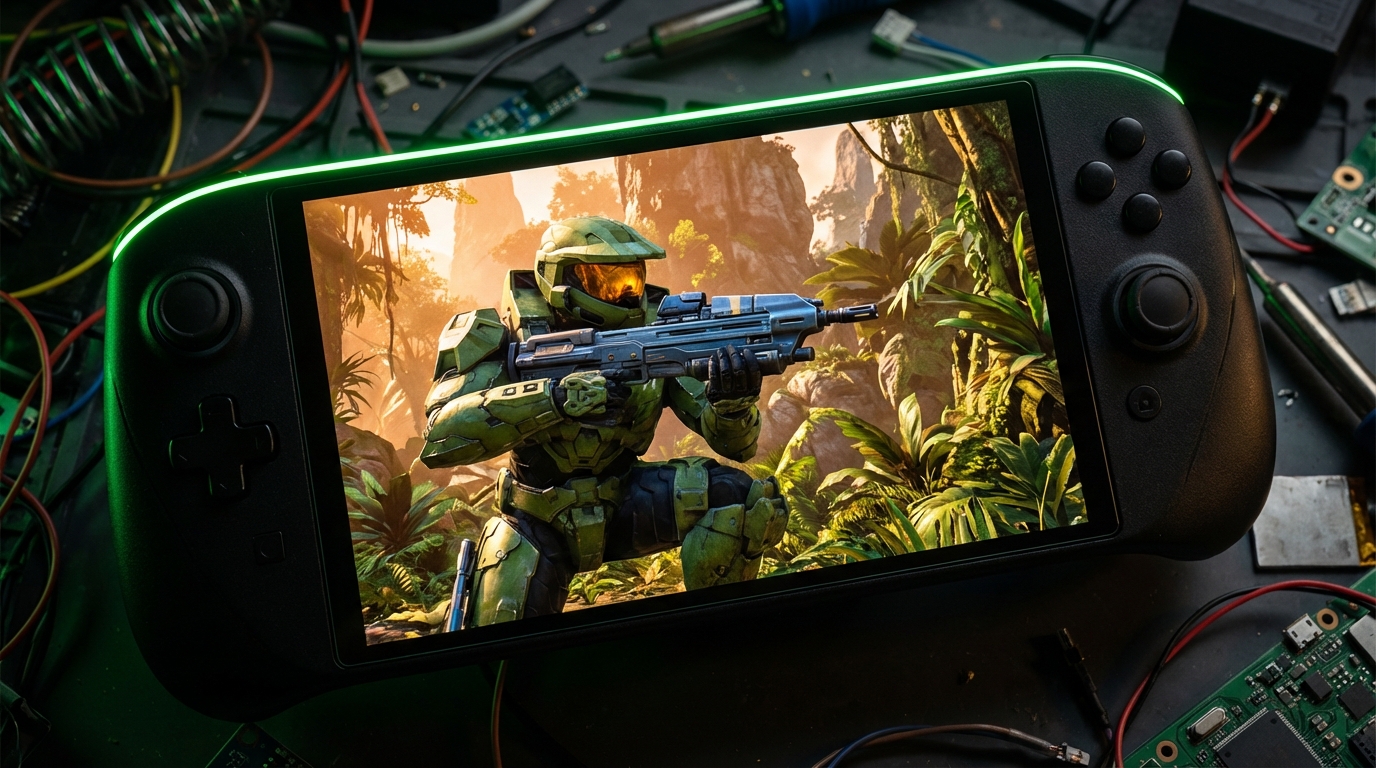
I have been hearing whispers about a dedicated first-party Xbox handheld for so long that it feels like an annoying urban legend. Microsoft is currently slapping their branding on an upcoming third-party device as a stopgap measure, but the real prize is supposedly still cooking in their secret hardware labs. This two-pronged strategy makes perfect sense if you look at it through the lens of corporate panic. They want to sell you a co-branded device right now while promising that a mythical, purebred Xbox portable is coming down the pipeline eventually. Honestly, I have to wonder if this first-party unicorn is actually an innovative piece of tech or just a desperate attempt to chase a very obvious market trend.
The big question is whether you should keep your wallet shut and wait for this elusive console to finally materialize. History tells us that massive tech corporations love to quietly cancel internal hardware projects whenever the financial winds shift. If this dedicated device is truly stuck in long-term development, there is a massive risk it becomes pure vaporware before we ever see a leaked prototype. Hardware development is brutally unforgiving, and Microsoft does not exactly have a flawless track record when it comes to launching experimental gadgets. You have to ask yourself if you really want to hold your breath for a product that might get unceremoniously taken out behind the shed next year.
I am going to save you some agonizing and tell you to ignore the distant hype entirely. Unless you genuinely enjoy waiting indefinitely for a gadget that only exists in rumor roundups, focus on the hardware available right now. The upcoming third-party partnership will give you the portable Xbox experience you want without requiring a five-year waiting period. If the true first-party handheld ever actually launches, we can judge its worth based on real performance metrics instead of empty corporate promises. Until that day comes, treat these long-term leaks as fun science fiction and spend your money on things you can actually play.
Cutting the BS on Xbox Handheld Leaks
I am going to cut right through the marketing noise surrounding these Xbox handheld leaks. Microsoft is clearly terrified of missing the portable gaming boat. That perfectly explains their strategy of slapping a green logo on a third-party machine while slowly building their own first-party device in the background. The upcoming outsourced handheld drops this October for about five hundred bucks, but it is ultimately just another standard portable wearing a cheap Master Chief Halloween costume. You get decent specs like a next-generation processor and 16GB of RAM, but we all know the underlying software still handles like a drunken shopping cart on a small touch screen. Do not let the shiny new branding fool you into thinking this is some massive leap forward in portable hardware.
The real question is whether you should actually open your wallet for this October release or keep clutching your current portable PC. If you already own a competing dedicated handheld, I strongly advise you to keep your money safely in your pocket and ignore this hype entirely. The competition offers a customized operating system that actually understands it is a handheld console, whereas this new Xbox collaboration is just going to force you to wrestle with clunky desktop menus using tiny thumbsticks. Unless your absolute biggest dream in life is playing native Game Pass titles on the toilet without relying on cloud streaming, this outsourced Xbox device simply does not justify the high upgrade cost. Put your five hundred dollars toward buying more games for the perfectly capable machine you already have sitting on your nightstand.
Frequently Asked Questions
1. Is Microsoft finally making an Xbox handheld?
Yes, but in the most Microsoft way possible. They are launching a two-part assault on our wallets, starting with a rebranded third-party device in late 2025. Eventually, they will release a true first-party console, assuming we do not all die of old age first.
2. What exactly is this new outsourced Xbox handheld?
It is basically Microsoft copying a hardware partner’s homework, changing the font, and slapping a green X on it. Launching around October 2025, this stopgap is their immediate answer to the portable PC craze. I find it hilarious that a tech giant is just rebranding an existing machine instead of building their own.
3. How much is this portable Xbox going to cost me?
The rumor mill pegs the initial third-party collaboration at around $500. It is a pricey band-aid for their portable gaming drought. Honestly, it might be worth it if it runs a Game Pass library smoothly. Just prepare your wallet for when they inevitably ask for more money for the true first-party console later.
4. When can I actually buy one of these things?
The outsourced compromise is slated to hit shelves in October 2025. As for the purebred, first-party console they are quietly gestating in the labs, your guess is as good as mine. I would not hold my breath waiting for that one anytime soon.
5. Why isn’t Microsoft just releasing their own hardware right away?
They are arriving criminally late to the handheld party and panicked. Designing bespoke hardware takes time they simply do not have right now. So, they threw money at a third-party partner to test the waters while their actual hardware division figures out how to build a real console.
6. Will this new handheld melt my hands while playing?
God, I hope not. The goal is a device that runs your massive Xbox library on the go without turning your palms into a barbecue grill. Since it is based on existing PC handheld tech, the thermals should be manageable, but I will believe it when I actually hold the thing.
7. Is the purebred first-party console canceled?
Not at all, it is just stuck in long-term development right now. Microsoft is using the rebranded third-party device to buy time while they cook up the real prize. I just hope they finish it before the entire gaming industry moves on to the next shiny trend.