There is something deeply strange about a hero who saves the entire world without ever asking for a bathroom break or a pay raise. The silent protagonist trope has been a staple of gaming since the days of 8-bit sprites, serving as a blank slate for us to project our own questionable personalities onto. Whether they are an avatar designed to be you or a defined character who just happens to have zero vocal cords, these mutes are the ultimate workhorses of narrative design.
While some developers use silence as a lazy shortcut to avoid hiring voice actors, the best ones use it to build an atmosphere that words would only ruin. It is a bold stylistic choice that forces us to pay attention to actions rather than exposition-heavy monologues. If a character can take down a god using nothing but a sword and a stoic stare, they probably did not have anything important to say to us anyway.
Key Takeaways
- The silent protagonist serves as a blank slate for player immersion, but often creates a narrative void that forces supporting characters to carry the entire emotional weight of the story.
- While developers frequently frame character silence as a stylistic choice, it is often a cost-cutting shortcut used to avoid the complexities of writing and recording reactive, voiced dialogue.
- One-sided interactions between expressive NPCs and mute heroes frequently break immersion, transforming dramatic cinematic moments into unintentionally comedic staring contests.
- For a silent character to be effective, developers must rely on high-quality animation and environmental storytelling rather than expecting a blank stare to substitute for a personality.
The Void Of The Blank Slate Avatar
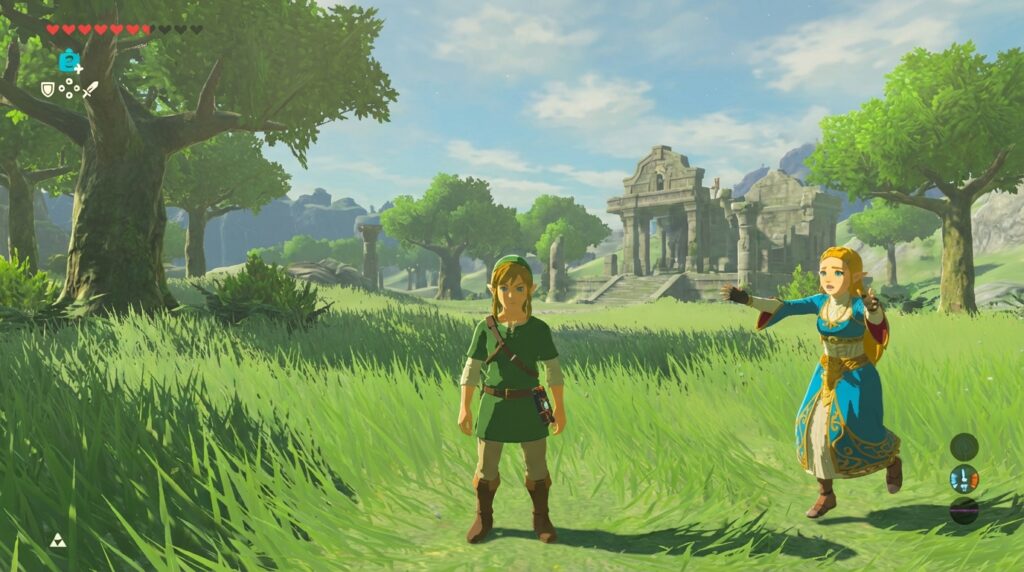
In the world of high-budget RPGs, there is nothing quite as unintentionally hilarious as watching a fully voiced, emotionally distraught NPC pour their soul out to a character who has the personality of a damp brick. Certain massive open-world titles are the worst offenders, casting you as a sentient cardboard cutout that simply stares blankly while the world burns. Developers call this a blank slate for player immersion, but most of the time it just feels like playing as a particularly polite mime. You stand there in your high-level armor, nodding internally while someone explains the end of the world, and the only thing missing is a pull-string on your back. It is a bizarre design choice that transforms every dramatic cinematic into a one-sided therapy session where you are the unlicensed therapist who forgot how to speak.
The logic behind this silence is that by removing a pre-defined voice, the game allows you to project your own legendary wit and charm onto the protagonist. In reality, it just creates a massive gravitational void where a personality should be, forcing the supporting cast to do all the heavy lifting. You are essentially a walking camera with a sword, moving through a world where people react to your silence as if you just gave a stirring speech. It is a lazy shortcut that avoids the risk of a protagonist saying something the player dislikes, but it also means your hero lacks any actual skin in the game. We are supposed to believe we are the chosen savior of the realm, yet we have less verbal agency than the average town guard complaining about their career-ending injuries.
This trope persists because it is cheaper and easier than writing a reactive, voiced lead who actually fits into the world. When you do not have to record fifty thousand lines of dialogue for the main character, you can spend that budget on more rocks or slightly better water textures. The result is a protagonist who is a total enigma, not because they are mysterious, but because there is literally nobody home behind those digital eyes. We keep buying into the fantasy because we love the freedom, even if that freedom comes with the awkward realization that our character is a social disaster. Until developers find a way to make silence feel like a choice rather than a technical limitation, we will keep playing as the world’s most dangerous and quietest tourists.
Awkward One Sided Conversations With Chatty NPCs
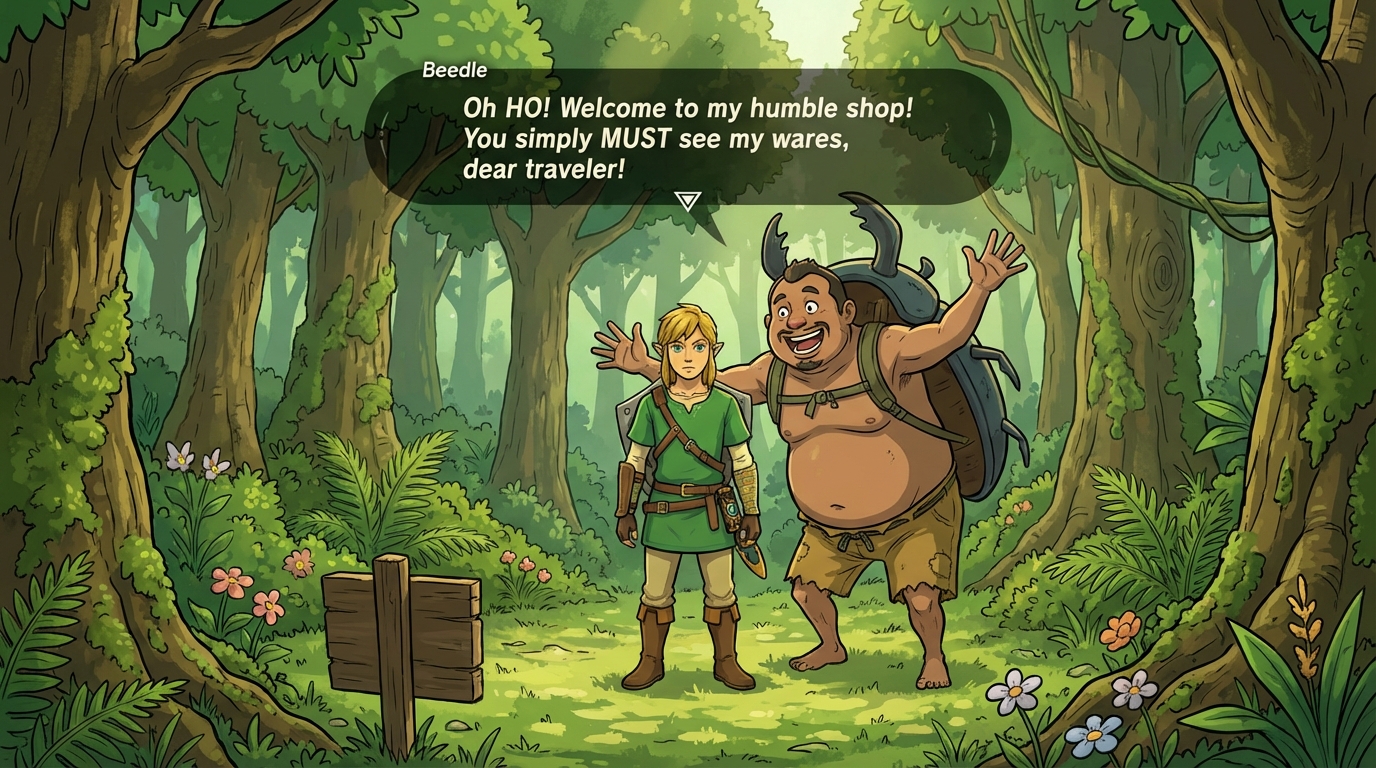
There is nothing quite like the cinematic whiplash of a high-stakes cutscene where a side character bares their soul to a protagonist who has the emotional range of a garden gnome. You sit there watching an NPC recount their tragic childhood or explain a complex political coup while your character just stares back with a vacant, unblinking gaze. It is a masterclass in unintentional comedy that turns a dramatic moment into a staring contest that the NPC is destined to lose. The developer wants you to feel immersed, but instead, you are left wondering if the hero actually has a pulse or if they just forgot how to move their jaw. The sheer awkwardness of these one-sided interactions makes it feel like you are playing as a very well-armed mannequin.
This refusal to give the lead a voice often results in some truly bizarre narrative gymnastics from the supporting cast. Since you cannot answer a simple question, the NPCs are forced to interpret your blank stare as a profound philosophical statement or a stoic call to action. They will say things like, “I can see the determination in your eyes,” when in reality, you are probably just trying to remember where you parked your horse. It is a lazy shortcut that forces the secondary characters to do all the heavy lifting while you provide the personality of a brick wall. We are supposed to believe these people would follow us into the gates of hell, yet we have not even given them a polite nod or a basic thank you.
Modern gaming has reached a point where this silent treatment feels more like a technical glitch than a stylistic choice. While the industry insists that a mute hero helps with player projection, it actually just highlights how ridiculous it is to have a conversation with a statue. Watching a grieving widow pour her heart out while the hero stands there like a buffering video is enough to break anyone’s immersion. It is time to admit that a protagonist who can actually say no or ask a question would be far more relatable than this eerie, silent void. If the goal is to make us feel like we are in the world, maybe give us the basic human ability to speak back to the people talking at us.
Justifying The Silent Hero Narrative Strategy
For decades, we have watched NPCs pour their hearts out to legendary heroes who respond with the blank, unblinking stare of a person who just realized they left the stove on. It is a bizarre ritual where a king might entrust the fate of the entire world to a teenager who refuses to even say “thanks,” yet many franchises insist on justifying this awkward silence through increasingly desperate lore. Whether it is the stoic burden of being a chosen hero or a sudden bout of selective mutism, the developers are working overtime to explain why our protagonist acts like a brick wall with a sword. We are expected to believe they are a deep, soulful warrior, but most of the time it just looks like they are waiting for the dialogue box to disappear so they can go back to smashing pottery.
Some games finally tried to give us a “logical” reason for this behavior by suggesting that the hero is simply too stressed to speak. According to in-game lore, the poor kid is so overwhelmed by the weight of his destiny that he chooses to stay silent to stay strong, which is a convenient way to mask the fact that recording voice lines is expensive. It is a classic move of trying to turn a technical limitation into a profound personality trait, yet it fails to account for the comedy of a hero who will grunt while climbing a mountain but won’t tell a shopkeeper his name. This narrative gymnastics attempt to bridge the gap between a player’s avatar and a pre-defined character, but it usually just ends up highlighting how weird it is to have a one-sided conversation with a mime.
Ultimately, these justifications are just a thin layer of paint over a mechanic that is starting to show its age in the modern gaming era. While the silent hero allows us to project our own thoughts onto the screen, it creates a strange disconnect when every other character is fully voiced and emotionally expressive. We are left watching a high-stakes drama where the lead actor is essentially a cardboard cutout that occasionally yells at a blade of grass. It is time we admit that the hero is not a tortured soul or a stoic monk, he is just a guy who knows that if he never speaks, he never has to apologize for the thousands of pots he has destroyed. These lore explanations are fun for the wiki pages, but they do little to hide the hilarious reality of talking to a protagonist who is permanently muted.
Immersion Masterstroke or Just Lazy Budgeting?
So, is the silent protagonist a masterstroke of psychological immersion or just a convenient way to dodge a hefty voice acting bill? The truth usually lies somewhere in the middle, but it is hard to ignore how ridiculous things get when a high-stakes plot depends on a hero who refuses to grunt more than once an hour. We have all been there, watching a heartfelt NPC pour their soul out while our character stares back with the blank, unblinking intensity of a taxidermied owl. It is a brilliant tool for letting us step into the boots of a legend, yet it frequently results in some of the most unintentionally hilarious one-sided conversations in digital history.
I am leaning toward calling it a bit of both, though the “lazy shortcut” argument gains a lot of ground when the world around you is screaming for a reaction. While the nostalgia of a voiceless hero or a crowbar-wielding scientist is undeniable, modern gaming has evolved to a point where the strong silent type often feels like a cardboard cutout in a room full of real people. Many critics argue that bloated open worlds only exacerbate this issue, making the protagonist feel even more disconnected from the vast, empty spaces they inhabit. It is a bold stylistic choice that works wonders for atmosphere, but let us be honest about the awkwardness of being the only person at the apocalypse who forgot how to use their vocal cords. If a developer wants me to feel like the hero, they should probably give me something more to work with than a blank stare and a polite nod.
Frequently Asked Questions
1. Why do developers keep making protagonists who never speak?
It is often a mix of lazy design to save on voice acting budgets and a genuine attempt to create a blank slate for your own personality. By leaving the hero’s voice out, they hope you will project your own thoughts onto the character instead of being forced to listen to a pre-written script. Most of the time, this just results in you playing as a very confused, very quiet mime.
2. Does a silent protagonist actually make a game more immersive?
In theory, it prevents a mismatched voice from ruining your personal connection to the character. In practice, it usually breaks immersion when a grieving NPC pours their heart out and you respond with the empty, soulless stare of a taxidermied owl. It works best in atmospheric games where the world tells the story better than a monologue ever could.
3. Is the silent protagonist trope just a shortcut for lazy writing?
Sometimes it is exactly that, a convenient way to avoid writing actual character growth or hiring talent. However, the best developers use silence as a stylistic tool to focus on your actions rather than exposition-heavy dialogue. If you can take down a literal god with a sword, you probably do not need a witty catchphrase to prove you are a badass.
4. Which games are the biggest offenders of the silent hero awkwardness?
Massive open-world RPGs are the reigning champions of unintentional comedy in this department. You can be a literal savior of the world decked out in legendary armor, yet you still stand there nodding like a bobblehead while a random villager explains basic concepts to you. It turns every dramatic cinematic into a one-sided therapy session where you are the world’s least talkative doctor.
5. Can a silent character still have a personality?
Absolutely, but it requires the developer to actually put effort into animations and environmental storytelling rather than expecting a blank stare to substitute for a personality. A character can speak volumes through a stoic stare or a specific way they handle their weapon. If the game relies on you being a sentient cardboard cutout to function, then the writing is the problem, not the silence. In some cases, the lack of a voice can even heighten the tension, much like how psychological horror games use silence to build an unbearable sense of dread.
6. What is the difference between an Avatar and a defined silent character?
An Avatar is a vessel designed specifically to be you, usually featuring a character creator and zero pre-existing backstory. A defined silent character is a specific person with a name and a role who simply chooses not to speak for narrative or stylistic reasons. Both are the ultimate workhorses of gaming, doing all the heavy lifting while everyone else does the talking. Many players find that linear narrative games provide a better structure for these characters to shine without the distractions of an empty open world.