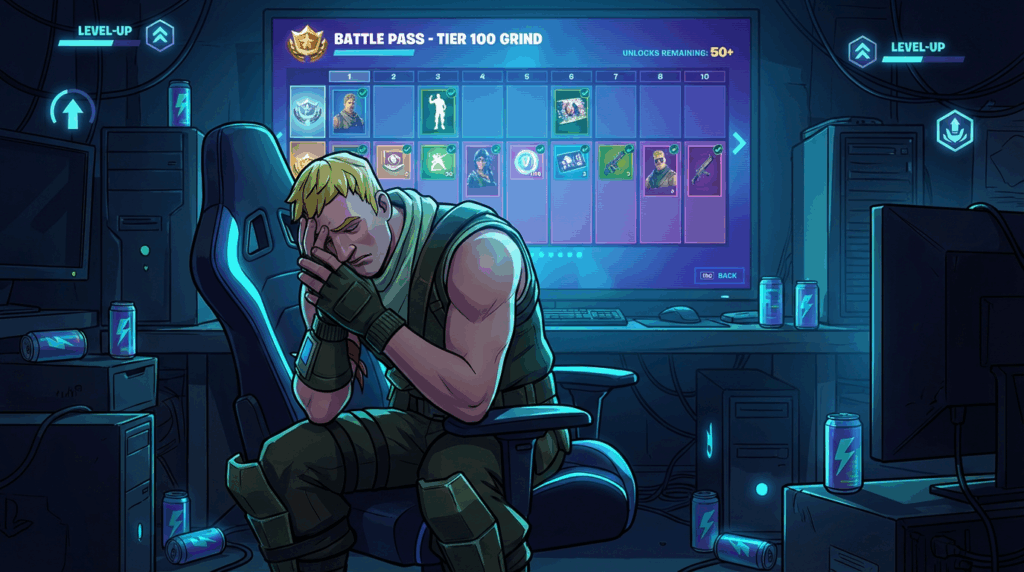
I used to play games to unwind after a long day, but lately, logging into my console feels like clocking in for a second shift at a digital salt mine. It starts with a shiny $10 promise of exclusive skins and ends with me frantically grinding headshots at 2:00 AM because the season ends in six hours. This is the soul-crushing reality of battle pass burnout, where a hobby mutates into a list of chores designed by a corporate algorithm to hold your free time hostage.
The industry has successfully weaponized our collective FOMO, turning every major release into a desperate competition for our undivided attention. Between Call of Duty, Apex, and whatever seasonal treadmill Destiny 2 is currently peddling, there simply aren’t enough hours in the week to be a completionist without losing your mind. We’re being fed a diet of filler rewards and artificial urgency that prioritizes engagement metrics over actual fun. If a game starts feeling like an obligation you’re paying to maintain, it’s time to stop chasing the carrot and start hitting the uninstall button.
Key Takeaways
- Modern battle passes have transformed gaming into a second job by using FOMO and artificial expiration dates to hijack player time.
- The industry prioritizes engagement metrics over fun by stuffing seasonal tracks with low-quality filler rewards that require excessive grinding to unlock.
- Managing multiple live-service games is mathematically impossible for the average player and leads to psychological burnout and ‘Stockholm Syndrome’ toward digital rewards.
- Reclaim your mental health and leisure time by uninstalling predatory live-service titles in favor of self-contained experiences that respect your schedule.
The Toxic Psychology Of FOMO And Expiry Dates
Modern gaming has transformed our favorite hobby into a high-pressure desk job that we actually pay to perform. Developers have mastered the dark art of the expiry date, dangling shiny skins and exclusive emotes over a cliff to see how fast we will run to catch them. It is not about skill or fun anymore. It is a calculated psychological siege designed to hijack your free time. If you do not clock in for your twenty hours of weekly grinding, that Tier 100 reward vanishes forever into the digital ether. This creates a constant, low-level panic that makes sitting down to play feel less like a hobby and more like an obligation to a demanding boss.
The sheer audacity of expecting us to commit to three different eighty-tier passes at once is where the real burnout settles into your bones. You start your evening wanting to explore a new world, but then you remember your daily challenges in Call of Duty or Apex Legends are about to reset. Suddenly, you are not playing what you want. You are playing what the spreadsheet dictates so you do not lose the value of your ten dollar investment. It is a toxic cycle where the fear of missing out replaces the joy of discovery, leaving you exhausted before you even get past the loading screen. We are being conditioned to value digital chores over actual entertainment, and it is time we admitted that a cosmetic hat is not worth our sanity.
Eventually, the play or lose it mentality backfires and turns the entire experience into a joyless slog of filler rewards and repetitive tasks. You find yourself grinding through matches you hate just to unlock a weapon charm you will never use, all because the clock is ticking. This artificial scarcity is a cheap trick used to inflate player retention numbers for shareholders who do not care if you are actually having fun. When a game starts feeling like a chore you need to finish before you can enjoy your weekend, it is officially time to hit the uninstall button. We should be playing games because they are great, not because we are terrified of a progress bar reaching zero without us.
Sifting Through The Trash Of Hundred Tier Grinds
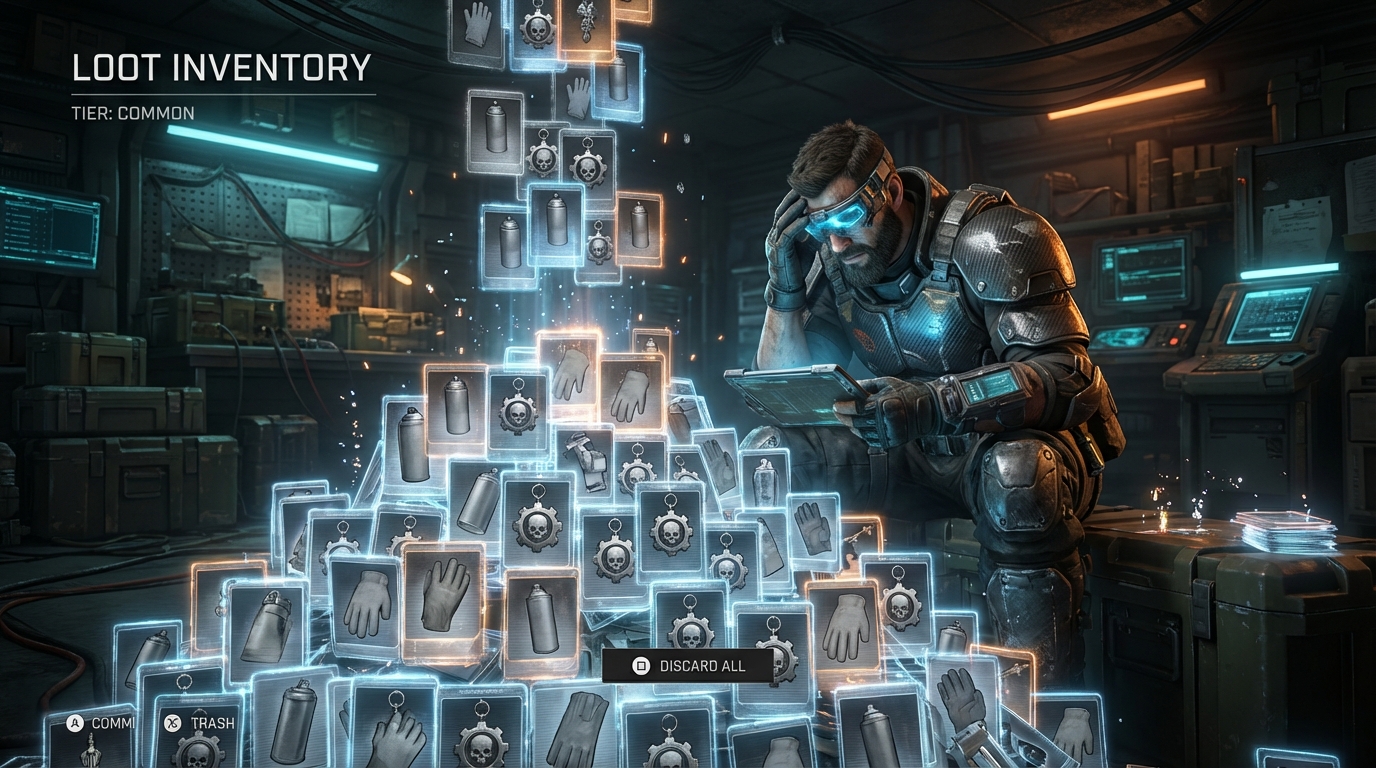
Modern battle passes are less about rewarding your skill and more about testing your tolerance for digital clutter. We have reached a point where a hundred tier track is ninety percent filler designed to make a three hour game feel like a forty hour career. You spend your entire weekend grinding through matches just to unlock a static emblem or a weapon charm that is literally too small to see during actual gameplay. These developers aren’t selling you content. They are selling you the illusion of progress while stuffing your inventory with garbage that nobody actually wants. It is a psychological trick to keep your engagement metrics high while offering the bare minimum in return for your precious time.
The sheer audacity of the filler rewards is what really turns a fun hobby into a miserable second job. I do not need fourteen different variations of a gritty spray paint tag that I will never use, yet they occupy the tiers where the actual cool skins should be. By the time you finally reach the one decent item at tier eighty, you are too exhausted to even enjoy using it. This artificial inflation of the grind is a transparent tactic to trigger your FOMO and keep you tethered to one specific title. We are being buried under a mountain of stickers and low effort profile backgrounds while the industry expects us to thank them for the privilege.
Every time I see a new seasonal pass launch, I feel a wave of genuine exhaustion instead of excitement. It has become a race to finish a chore list before the clock runs out, only to have the entire cycle reset the following month. When you are juggling three different games that all demand twenty hours a week for a handful of digital trinkets, the fun officially dies. Gaming should be about the experience of playing, not about checking off boxes to avoid missing out on a mediocre backpack accessory. If a game requires me to sift through ninety tiers of trash just to find one piece of treasure, I am much more likely to hit the uninstall button than the purchase button.
The Impossible Math Of Managing Multiple Live Services
We need to talk about the absolute mathematical lunacy required to maintain a modern gaming hobby. If you are currently juggling the seasonal offerings of Call of Duty, Apex Legends, and Destiny 2, you aren’t a hobbyist anymore. You are an unpaid intern working three different shifts. Each of these games demands roughly fifteen to twenty hours of your week just to ensure you don’t lose out on the shiny digital trinkets you technically already paid for. By the time you finish your daily chores in one title, the sun has set and you have officially spent more time grinding for a neon gun skin than you did talking to your actual family. It is a predatory cycle that treats your free time like a resource to be harvested rather than something to be enjoyed.
The psychological weight of the fear of missing out is the invisible leash the industry uses to keep you from ever clicking uninstall. Developers have figured out that if they put a cool cape at level 100 and give you a ticking clock, you will treat a mediocre shooter like a high stakes office job. You start skipping social outings and ignoring your Steam library full of actual masterpieces just because you are at level 82 and the season ends in four days. It is a bizarre form of Stockholm Syndrome where we pay for the privilege of being stressed out by a progress bar. We are essentially paying publishers twenty dollars for the right to feel guilty whenever we decide to go for a walk or watch a movie instead of farming headshots.
This impossible math eventually leads to a total system failure known as battle pass burnout where the mere sight of an XP bar makes you want to throw your console out the window. When every game on your hard drive is screaming for your attention like a starving digital pet, the joy of play is replaced by a sense of crushing obligation. You aren’t playing because the gameplay loop is satisfying. You are playing because you don’t want your ten dollar investment to go to waste. If your nightly gaming session feels more like a list of errands than an escape from reality, it is time to admit the math doesn’t add up. No cosmetic skin is worth the mental tax of treating your leisure time like a second career.
Reclaiming Your Backlog From The Seasonal Treadmill
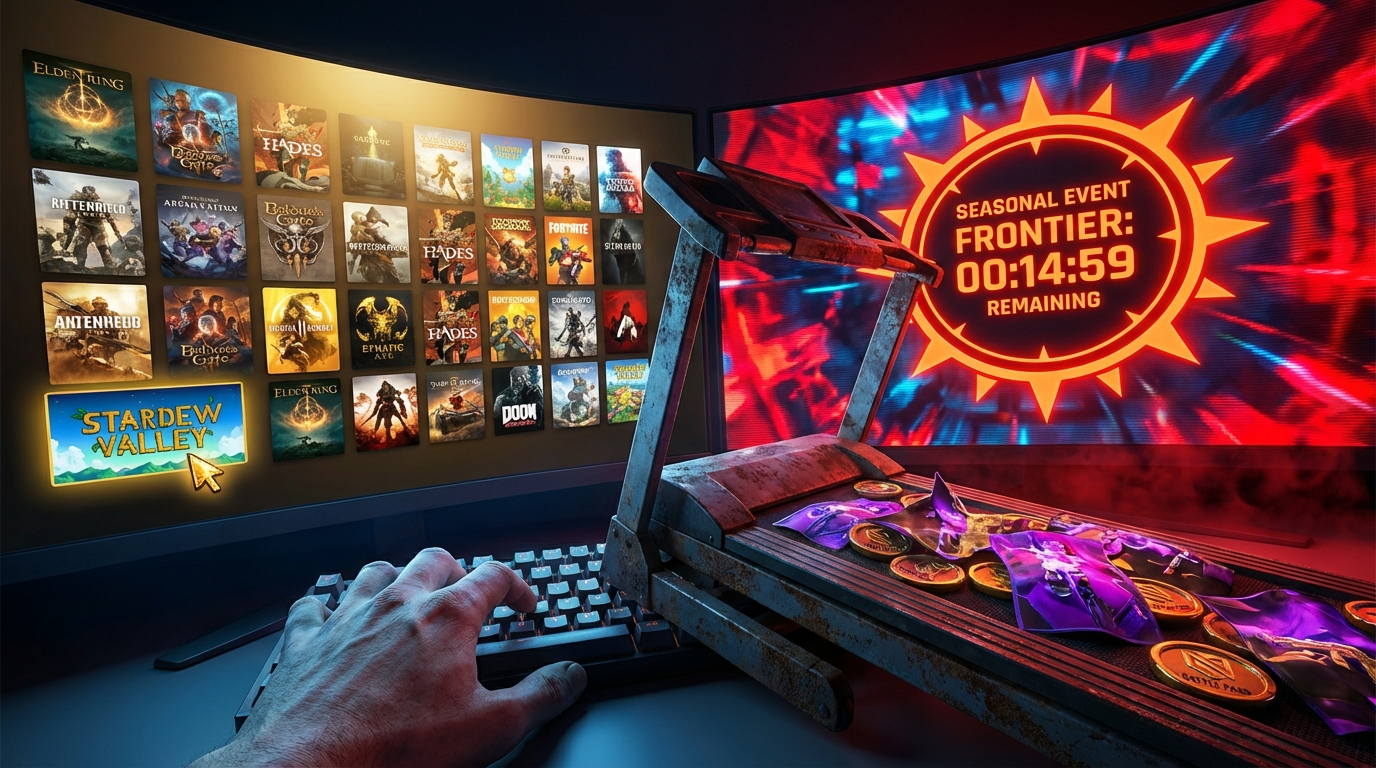
I finally reached my breaking point when I realized my evening gaming sessions felt less like a hobby and more like a performance review for an unpaid internship. There is a specific brand of misery found in staring at a progress bar for a digital pair of pants you do not even like, yet you keep grinding because the timer says they will be gone forever on Tuesday. These battle passes are designed to exploit our psychological fear of missing out, turning what should be leisure time into a frantic race against an arbitrary clock. When a game starts demanding twenty hours a week just to break even on your initial investment, it is no longer entertainment. It is a second job that has the audacity to charge you for the privilege of working there.
The most liberating thing you can do for your mental health is to hit that uninstall button and walk away from the seasonal treadmill for good. Stepping back allows you to remember that gaming is supposed to be fun, not a series of daily chores dictated by a corporate roadmap. I swapped my endless grind for finished, one and done titles that I can actually complete and put on a shelf. There is a profound sense of peace in playing a game that respects your time and does not threaten to delete its content if you decide to go outside for a weekend. Reclaiming your backlog means you finally get to play that masterpiece from three years ago instead of another generic seasonal event.
Focusing on self contained experiences is the ultimate cure for the exhaustion that modern live service games inflict on us. These titles offer a beginning, a middle, and a definitive end, allowing you to move on with your life without feeling a lingering sense of guilt. You do not need to log in every day to collect a digital currency or complete three specific headshots with a weapon you hate. By cutting the cord on the seasonal model, you regain the freedom to play whatever you want whenever you want. Your backlog is full of incredible stories waiting to be told, and they do not require a premium tier subscription to enjoy.
Stop Working for Your Video Games
That Tier 100 skin is just a digital costume for a character you will probably stop playing in six months. We have reached a point where gaming feels less like a hobby and more like an unpaid internship with a really demanding boss. You are not winning by staying up until 3:00 AM to finish a series of tedious daily challenges that you do not even enjoy. Your time is the only currency you can never earn back, so stop spending it on pixels designed to exploit your fear of missing out. If a game requires a weekly spreadsheet just to track your progress, it is no longer a game. It is a chore.
The live service beast survives on your undivided attention, but you do not owe these multi billion dollar studios a single second of your life. It is time to reclaim your hard drive from the bloatware and stop grinding and start treating your free time like a second shift at the XP factory. Uninstall the games that make you feel guilty for taking a weekend off or playing something else. There is a massive world of finished, complete experiences out there, including underrated indie RPGs and boomer shooters that do not demand a subscription or a seasonal grind. Let the battle pass expire, walk away from the fear of missing out, and remember what it feels like to play a game just because it is actually fun.