There is nothing quite as soul-crushing as finding a legendary sword of absolute destruction, only to watch it shatter into useless confetti after smacking three low-level goblins. We all love to scream about it online, but weapon durability mechanics are secretly the duct tape holding your favorite games together. Developers do not just program your gear to break because they hate you. Well, mostly. I am absolutely convinced a few of them feed on our collective misery.
Without the constant, looming threat of your prized loot turning to dust, you would stubbornly cling to the exact same overpowered stick for eighty hours straight. Whether you are obsessively counting the swings left on a diamond pickaxe or hoarding a dozen fragile broadswords like a paranoid packrat, this system forces you to actually use your brain. It is a bitter pill to swallow. But this forced panic is exactly what separates a brilliant tactical experience from a mindless, braindead button-masher.
Key Takeaways
- Weapon durability mechanics are a necessary design choice that forces players out of their comfort zones, preventing mindless button-mashing and encouraging tactical experimentation.
- Poorly balanced durability systems that make legendary gear shatter too quickly backfire by creating a frustrating hoarding mentality where players refuse to use their best loot.
- In survival shooters and block-building games, gear degradation is a brilliant feature that generates genuine tension, gives rare resources actual value, and drives the core gameplay loop.
- To overcome the anxiety of breakable gear, treat your high-tier weapons like consumable ammunition rather than permanent fixtures so you can actually enjoy using them.
Open-World RPGs and Glass Swords
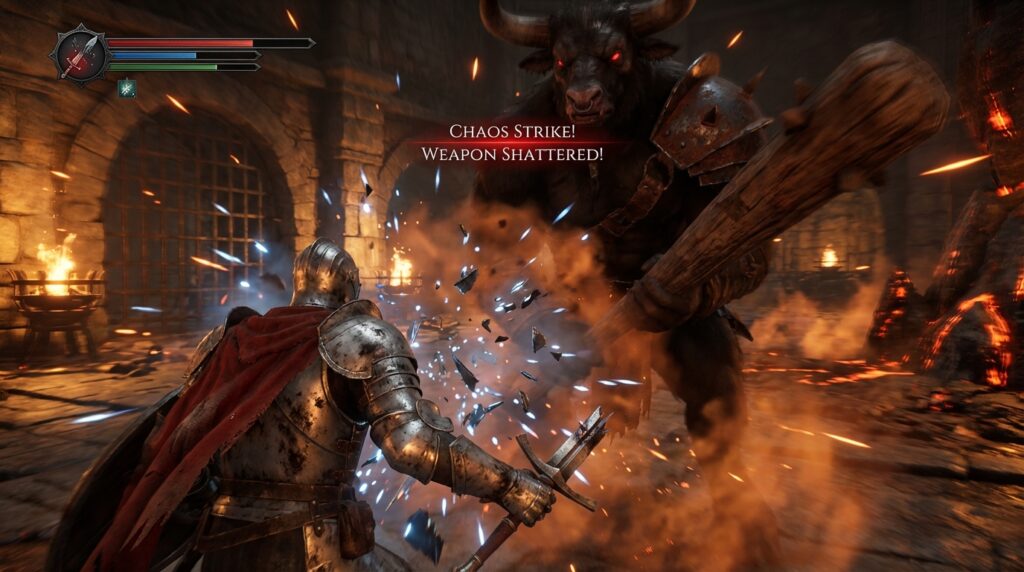
Let us talk about a certain massive game studio and their brilliant idea to turn a legendary fantasy arsenal into a collection of fragile glass props. You spend hours scaling a treacherous mountain or solving a tedious puzzle just to be rewarded with a majestic flaming broadsword. Naturally, you expect to feel like an unstoppable god of war as you equip your hard-earned prize. Instead, you swing the glorious blade exactly three times against a low-level grunt before it shatters into a million useless pieces. It is absolutely baffling that a developer thought it would be fun to make ancient, magical weapons possess the structural integrity of a wet paper towel. I am still trying to figure out how a massive metal claymore breaks faster than a rotting tree branch.
Because every decent weapon comes with a pathetic expiration date, you end up paralyzed by an absurd hoarding mentality. Instead of actually enjoying the epic loot you find, you stash it away in your inventory like a paranoid doomsday prepper. I found myself fighting massive, terrifying beasts using literal garbage because I was too scared to waste my good gear. You are forced into this miserable cycle of beating enemies to death with stolen monster clubs and rusty pitchforks while your magnificent elemental swords gather dust in your backpack. It completely ruins the excitement of discovering new items when you know they are just going to evaporate after a single skirmish.
Defenders of this mechanic love to claim that it encourages tactical planning and forces you to experiment with different weapon types. That sounds great in a corporate pitch meeting. In reality, it just introduces constant menu juggling and frustration into an otherwise brilliant game. I do not feel like a tactical genius when I have to pause the action four times during a single boss fight just to equip another fragile stick. There is a massive difference between clever resource management and punishing the player for daring to engage in basic combat. The developers created a beautiful, sprawling world to explore, and then decided to penalize us for actually trying to interact with it.
Survival Shooter Gun Jamming Tension
I know half the gaming community treats weapon durability like a personal insult, but you are completely wrong when it comes to gritty survival shooters. While slapping a fragile health bar on a magic sword often feels like cheap padding, hardcore survival games use weapon degradation to craft pure, unadulterated terror. There is a massive difference between a lazy annoyance designed to waste your time and a calculated system meant to make you sweat. When you are creeping through a radioactive swamp with a rusted assault rifle, the looming threat of a sudden jam elevates the entire experience. It transforms a standard, boring firefight into a desperate scramble for your life.
Picture this exact scenario playing out in the dark of a ruined wasteland. You line up a perfect headshot on a mutated monstrosity charging right at you, you pull the trigger, and all you hear is a hollow click. That single sound instantly triggers a masterclass in panic management that no scripted jump scare could ever hope to replicate. Suddenly, you are frantically backpedaling through the mud, desperately clearing the chamber while praying your backup pistol actually has bullets left. This mechanic forces you to care about your gear, scavenge for cleaning supplies, and treat every single engagement as a massive risk.
Developers who implement this kind of high-stakes reliability system deserve a standing ovation for trusting their audience. They understand that true immersion comes from vulnerability, not from handing you an indestructible laser cannon five minutes into the tutorial. Sure, having your primary weapon lock up during a boss fight is frustrating, but it is the exact type of frustration that creates unforgettable gaming stories. Instead of complaining about having to maintain your virtual firearms, try appreciating the sweaty palms and racing heart rate it gives you. It is time we stop demanding boring invincibility and start embracing the glorious chaos of a perfectly timed weapon malfunction.
Block-Building Tool Degradation and Resource Grinding
I need to talk about the absolute psychological warfare that is block-building tool degradation. You craft a shiny new diamond pickaxe and immediately become a slave to a hidden countdown timer of exactly 1,561 clicks. Every single block you break quietly ticks down an invisible number in the background, turning your triumphant mining expedition into an anxiety-inducing math problem. The developers do not even respect your tools enough to let you misuse them, penalizing you with double durability loss if you dare to smack a leaf with a sword. It is a controversial design choice that players constantly whine about, yet it remains the brilliant, manipulative engine keeping the entire experience alive.
Watching that tiny durability bar turn red is nothing short of a personal tragedy. You know the end is near, but you push your luck just to mine one last vein of coal, only to hear that devastating shatter sound effect. Suddenly, you are standing in a dark cave with a pocket full of rocks and absolutely zero ways to dig your way out. This soul-crushing moment is not a developer oversight. It is the deliberate catalyst that forces you back to the surface to start the resource grind all over again. If our tools lasted forever, we would all build a dirt hut on day one and quit playing out of sheer boredom by day three.
Gamers love to complain about weapon durability, pretending they want indestructible gear while completely missing the point of survival mechanics. The constant threat of losing your best equipment is exactly what gives those rare diamonds actual value. Without that looming degradation, mining is just a glorified clicking simulator with absolutely zero stakes. I will gladly accept the heartbreak of a shattered pickaxe because it gives me a reason to keep hoarding resources like a paranoid doomsday prepper. It is a brutal system, but it is exactly the kind of unapologetic game design that keeps us addicted for thousands of hours.
Why We Actually Need Crappy, Breakable Swords
Let me be completely clear about where I stand on weapons shattering like cheap glass in the middle of a boss fight. While half the internet screams that durability mechanics belong in the deepest pit of retro gaming hell, I actually think they are a necessary evil. Without these fragile swords and rapidly degrading shields, most of us would just hoard the first overpowered weapon we find and mindlessly spam the attack button until the credits roll. Developers use these systems to force us out of our lazy comfort zones and actually engage with the combat sandbox they spent years building. Yes, watching your legendary broadsword turn into useless metallic dust is infuriating, but it absolutely makes you a smarter, more tactical player.
That being said, there is a massive difference between brilliant resource management and lazy game design masquerading as a feature. If my supposedly legendary battleaxe breaks after hitting three standard slimes, the developer is not teaching me strategy, they are just wasting my time. The best durability systems give you fair warning, reasonable repair options, or a constant stream of fun alternatives to pick up when your primary gear bites the dust. When implemented properly, weapon degradation transforms a boring marathon of button mashing into a thrilling game of survival and improvisation. So, instead of whining about having to swap out your favorite rusted dagger, maybe just try using the other ninety weapons sitting untouched in your inventory.
Frequently Asked Questions
1. Why do developers keep putting weapon durability in games?
I know it feels like a personal attack, but developers use durability to force you out of your comfort zone. Without it, you would just spam the exact same overpowered attack button until the credits roll. It is the duct tape holding the game’s tactical variety together.
2. Does weapon durability actually make a game better?
Believe it or not, yes. It turns a mindless button-masher into an actual tactical experience where you have to use your brain. Sure, it is a bitter pill to swallow, but it makes surviving actually feel like an accomplishment.
3. Why do weapons break so fast in massive open-world RPGs?
The developers decided that making ancient magical weapons as fragile as wet paper towels would encourage you to experiment. It is a baffling design choice that makes a massive metal claymore shatter faster than a rotting twig. They wanted you to scavenge constantly, but they just made you paranoid instead.
4. How do I stop hoarding my best weapons?
You just have to accept that your legendary flaming sword has an expiration date and swing the stupid thing. Hoarding your best gear for a boss fight means you will spend ninety percent of the game hitting enemies with garbage. Treat your weapons like ammo, and you will actually start having fun.
5. Are there any games that do weapon durability right?
The system works best when it adds tension without completely disrespecting your time. Games that let you repair your gear or use durability as a strategic resource usually get a pass from me. If a game destroys your ultimate loot after three swings, it belongs in the trash.
6. Is there a way to bypass durability mechanics entirely?
If you are playing on PC, you can usually download a mod to rip this mechanic right out of the code. For console players, your best bet is hunting down indestructible master weapons or just playing a different game. I will not judge you for taking the easy way out of a stressful system.
7. Why do unbreakable weapons feel so boring after a while?
When your gear never breaks, you lose all incentive to explore or care about new loot. You end up ignoring every treasure chest because you already have the ultimate stick of doom in your inventory. A little forced panic is exactly what keeps the gameplay loop from getting incredibly stale.