We’ve all been there. You log in for a quick match to unwind, only to have a prepubescent stranger scream slurs at you because you missed a single headshot. It’s the charming reality of toxic gaming communities, where competitive spirit is apparently just a thin veil for unchecked sociopathy. When 85% of players are dodging hate speech like it’s a boss mechanic, we have to admit the lobby isn’t just salty, it’s a dumpster fire.
The industry likes to pretend this is just a minor PR hiccup, but the numbers tell a much more pathetic story. Over 60% of us have literally stopped spending money or walked away from games entirely because the player base is more exhausting than a broken escort mission. If three-quarters of your audience is avoiding a title because the community is a biohazard, that’s not a vibrant ecosystem, it’s a failing product. We’re here to play games, not audition for a psychological study on human cruelty.
Key Takeaways
- Toxic player behavior is a form of economic suicide, driving away over 60% of players and billions in potential revenue from the gaming industry.
- Hyper-competitive ‘sweats’ and gatekeepers destroy the longevity of games by creating high entry barriers that alienate casual players, women, and younger demographics.
- A toxic community reputation is now a more effective deterrent for new players than technical bugs or predatory microtransactions, with 72% of people refusing to download games known for hostile environments.
- Gaming should be a recreational escape rather than a test of emotional endurance, requiring developers and players to prioritize basic human decency over a win-loss ratio.
The Fragile Ego of the Competitive Sweat
We have all encountered the competitive sweat who treats a standard unranked match like he is auditioning for a spot on a professional esports roster. These players possess a fragile ego that shatters the moment a teammate makes a minor mistake or fails to follow a rigid meta strategy. Instead of enjoying the game, they spend the entire session screaming into a cheap microphone or typing essays in the chat about why everyone else is the reason they are stuck in silver rank. It is a bizarre spectacle to watch someone have a literal meltdown over a digital scoreboard while their actual life likely remains in shambles. This hyper-competitive mindset turns what should be a fun hobby into a stressful second job that nobody actually applied for.
The result of this constant intensity is a massive entry barrier that scares off anyone with a functioning social life or a full-time career. When 85% of players report encountering hate speech, it is usually because some try-hard decided that a casual Sunday afternoon was the perfect time for a misogynistic tirade. Normal human beings do not want to spend their limited free time being berated by a teenager who has not seen sunlight since the last seasonal update. This toxic environment creates a massive churn rate where 60% of players simply quit the game permanently to find something that does not involve constant verbal abuse. These sweats are effectively killing the very games they claim to love by gatekeeping the community until nobody is left to play with.
The irony is that these players rarely have the actual skill to back up their massive egos or their aggressive attitudes. They use toxicity as a shield to hide their own mediocrity, blaming lag or teammates for every death while refusing to acknowledge their own tactical blunders. If they put half the effort into practicing as they do into harassing strangers, they might actually win a match for once. Instead, they drive away revenue and new players, ensuring their favorite title eventually becomes a ghost town filled only with other miserable elitists. It is time to stop pretending this behavior is just part of gaming culture and start calling it what it really is: a pathetic cry for attention.
Demographic Gatekeeping and the Loser Brigade
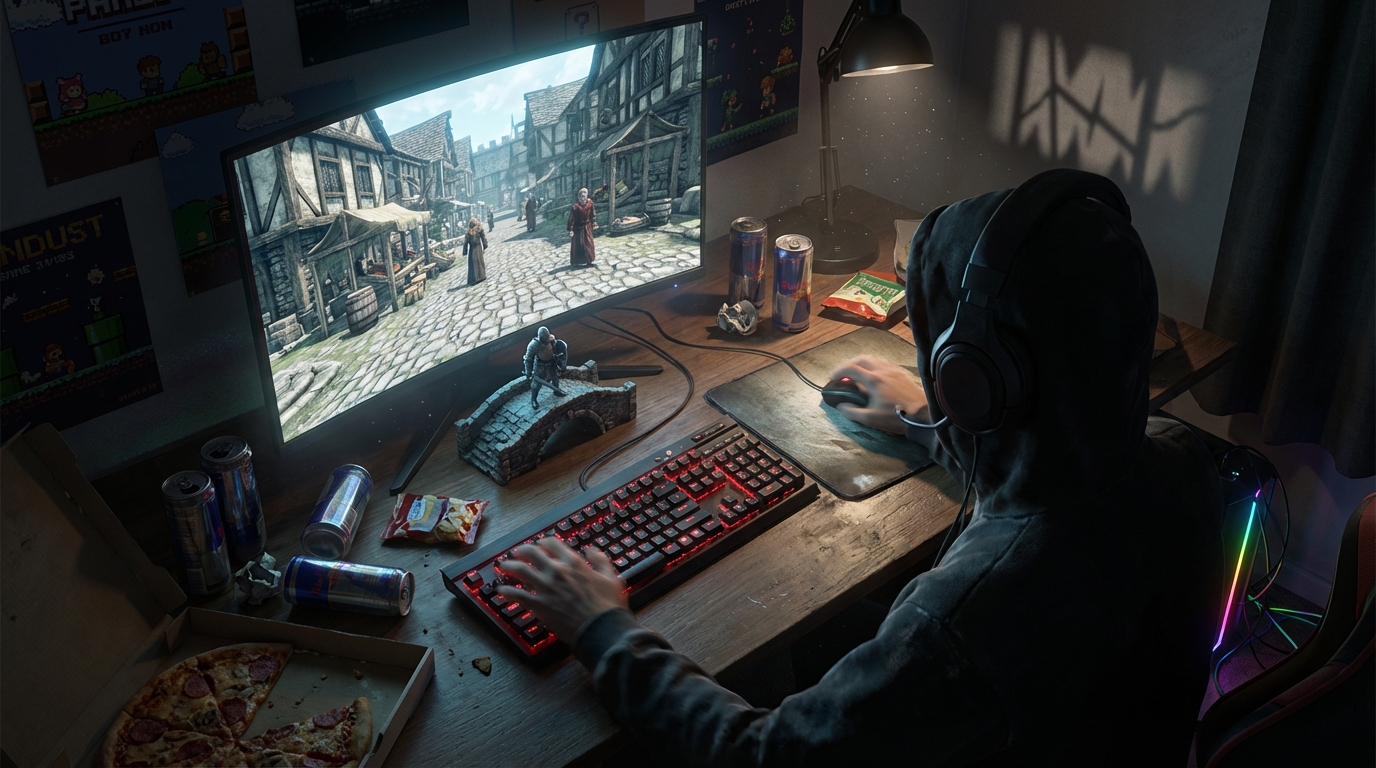
The so-called elite of the competitive lobby have decided that the best way to protect their digital turf is to act like a collection of malfunctioning lawn ornaments. We are currently looking at a 52% dropout rate among women and younger players because some guy with a stained hoodie thinks gatekeeping a virtual scoreboard is a personality trait. This isn’t just standard trash talk or a bit of spicy banter between rivals. It is a desperate, pathetic attempt to maintain a clubhouse that nobody else actually wants to join. These basement-dwelling stereotypes are effectively burning down the house to prove they own the matches.
The financial stupidity of this behavior is honestly more impressive than the toxicity itself. While the industry moans about rising development costs, these self-appointed guardians are busy scaring away billions of dollars in potential revenue. When 61% of players stop spending money because they are tired of being screamed at by a teenager with a god complex, the entire ecosystem suffers. It turns out that calling everyone a slur is a fantastic way to ensure your favorite game loses support and dies a slow, lonely death. These players aren’t protecting the integrity of the game, they are just ensuring no one else wants to play with them.
We need to stop pretending this is just part of the culture or some rite of passage for new players. If your community is so fragile that the presence of a woman or a twelve-year-old sends the group into a collective meltdown, you are not a hardcore gamer. You are just a member of the loser brigade trying to feel powerful in a world that requires precisely zero real-world social skills. It is time to treat these gatekeepers like the bugs they are and start cleaning up the code. The industry is far too big and far too expensive to let a few loudmouths keep the gates closed.
How Toxic Reputations Murder Great Games
Letting a fanatical, sweat-drenched player base run the asylum is essentially a form of economic suicide for any developer. We have all seen that one competitive shooter where the mere mention of its name evokes images of racial slurs screamed into cheap headsets and lobbies that feel like a digital riot. When 72% of people refuse to even download a game because the toxic gaming communities are a documented dumpster fire, you are not just losing players, you are losing the rent money. It turns out that normal humans with actual lives do not want to stop grinding, start chilling and spend their Friday nights being verbally liquidated by a teenager who has not seen sunlight since the Obama administration.
The real tragedy is watching a mechanically brilliant game get buried under a mountain of its own toxic sludge. When 61% of players refuse to open their wallets because they are tired of being harassed, the hardcore fans are effectively burning down the house they live in. Publishers can pump millions into flashy cinematics and celebrity cameos, but none of that matters if the second a newcomer joins a match, they are told to uninstall by a gatekeeping elitist. It is a bizarre business model to cultivate an environment so hostile environments that your primary demographic decides they would rather do taxes than deal with your player base.
Modern gaming has reached a point where a toxic reputation is a more effective deterrent than a broken launch or predatory microtransactions. Most of us are more than willing to overlook a few graphical bugs, but we draw a hard line at being treated like a punching bag for someone else’s unresolved anger issues. If your game requires a hazmat suit just to navigate the main menu, do not act surprised when the server populations start looking like a ghost town. Toxic players might be the loudest voices in the room, but they are also the ones driving the paying customers straight into the arms of the competition.
Gaming Shouldn’t Require Thick Skin
Video games are supposed to be an escape from the crushing weight of reality, not a mandatory session of emotional endurance. You shouldn’t need a therapy appointment just because you decided to play a round of Search and Destroy on a Tuesday night. If your favorite hobby requires you to develop a skin thicker than a rhinoceros just to survive the lobby, something has gone horribly wrong. We have reached a point where muting the entire server is often the only way to maintain a shred of sanity. It is time to stop treating basic human decency like it is some kind of rare, unlockable achievement that requires a hundred hours of grinding.
The statistics don’t lie about how this vitriol is actively killing the games we actually enjoy. When over 80% of players are dodging matches just to avoid being called a slur by a teenager with a cheap headset, the community is officially on life support. This constant flood of toxicity is driving away everyone from casual fans to the hardcore whales who keep the servers running. Developers can patch the bugs and balance the weapons all they want, but they cannot fix a player base that has collectively decided to act like feral animals. If you cannot go one single match without losing your mind at a teammate, it might be time to put the controller down and go outside.
Let’s be honest about the fact that some of these fanbases have turned into actual toxic waste sites that nobody wants to visit. Whether you are dodging the elitist gatekeeping of a tactical shooter or the endless grind of a MOBA, the experience is becoming more work than play. Protecting your peace of mind is far more important than your win-loss ratio or your rank in a digital ladder that nobody will care about in five years. You owe it to yourself to prune the digital weeds and stick to the communities that actually remember why we started playing in the first place, perhaps by revisiting the top local multiplayer picks that prioritize fun over fury. Try being a decent person for a single round, and you might find that the game is actually fun when you aren’t screaming into the void.